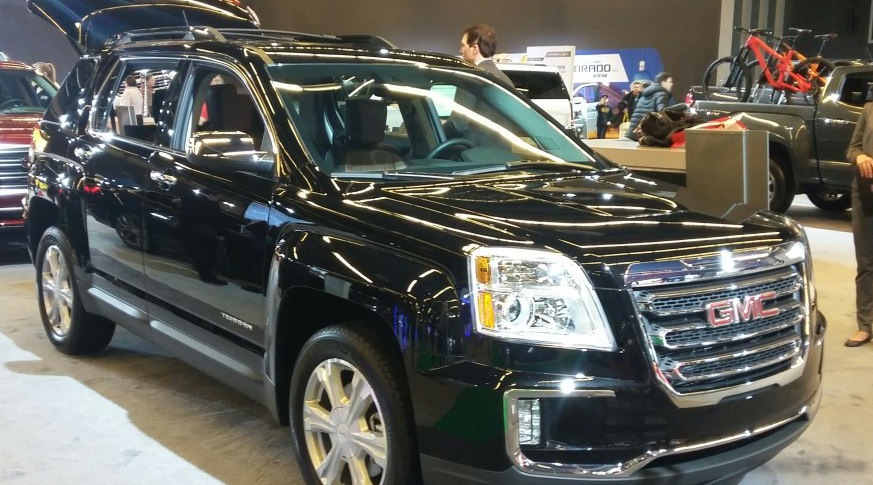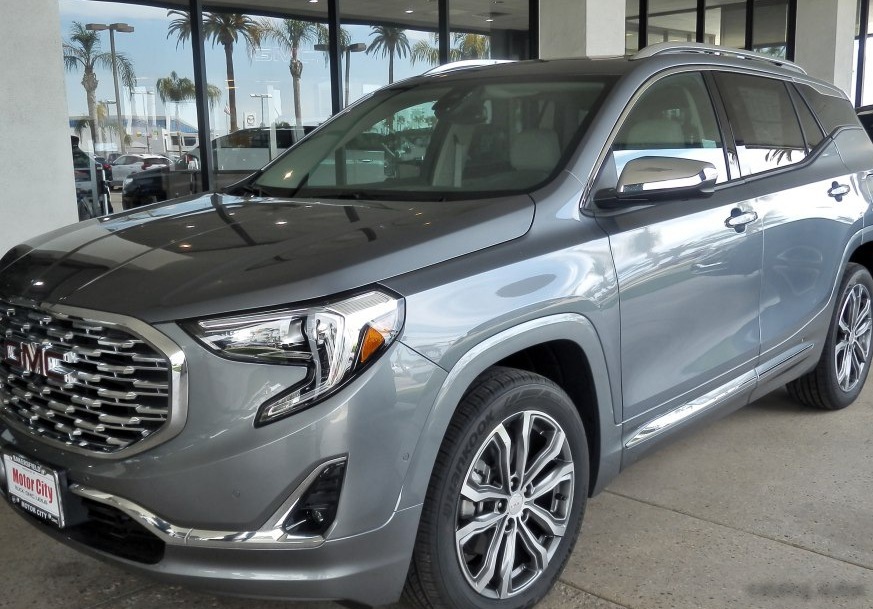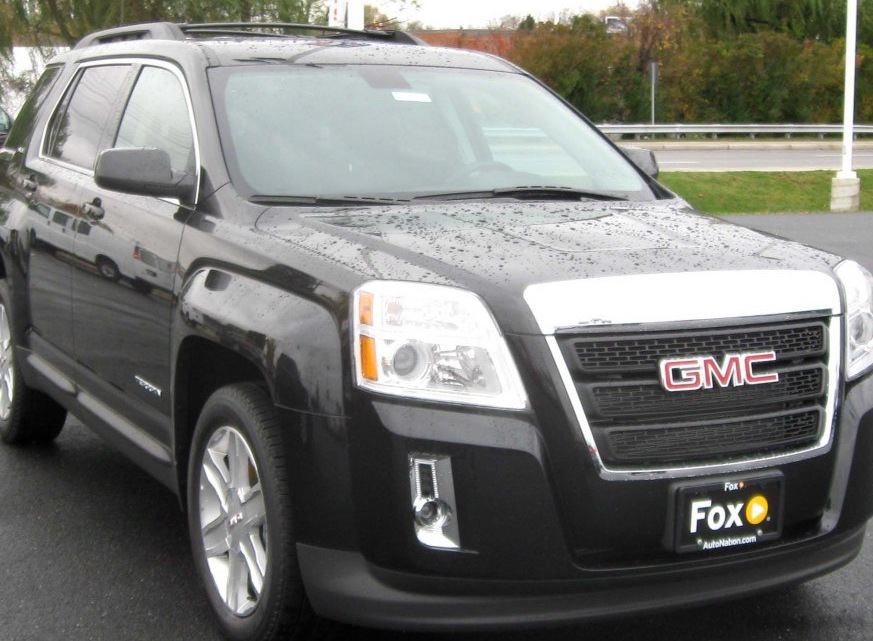
The GMC Terrain I, specifically the 3.0 V6 variant with an automatic transmission, was produced from 2010 to 2015. This model represented GMC’s entry into the increasingly popular compact crossover SUV segment, aiming to provide a more premium alternative to offerings from Chevrolet and other mainstream brands. Positioned as a mid-range to upper-mid-range trim within the Terrain lineup, the 3.0L V6 offered a significant power upgrade over the base 2.4L four-cylinder engine, appealing to buyers prioritizing performance and towing capacity. It was built on the GM Theta platform, shared with the Chevrolet Equinox and Buick Verano.
| Brand | GMC |
| Model | Terrain |
| Generation | Terrain I |
| Type (Engine) | 3.0 V6 (264 Hp) Automatic |
| Start of production | 2010 |
| End of production | 2015 |
| Powertrain Architecture | Internal Combustion engine |
| Body type | SUV |
| Seats | 5 |
| Doors | 5 |
| Fuel consumption (urban) | 13.8 l/100 km (17 US mpg, 20.5 UK mpg, 7.2 km/l) |
| Fuel consumption (extra urban) | 9.8 l/100 km (24 US mpg, 28.8 UK mpg, 10.2 km/l) |
| Fuel consumption (combined) | 11.8 l/100 km (19.9 US mpg, 23.9 UK mpg, 8.5 km/l) |
| Fuel Type | Petrol (Gasoline) |
| Weight-to-power ratio | 6.7 kg/Hp, 149.2 Hp/tonne |
| Weight-to-torque ratio | 5.9 kg/Nm, 170.2 Nm/tonne |
| Power | 264 Hp @ 6950 rpm |
| Power per litre | 88.1 Hp/l |
| Torque | 301 Nm @ 5100 rpm (222.01 lb.-ft. @ 5100 rpm) |
| Engine layout | Front, Transverse |
| Engine Model/Code | LF1 |
| Engine displacement | 2997 cm3 (182.89 cu. in.) |
| Number of cylinders | 6 |
| Engine configuration | V-engine |
| Number of valves per cylinder | 4 |
| Fuel injection system | Direct injection |
| Engine aspiration | Naturally aspirated engine |
| Valvetrain | DOHC-VVT |
| Engine oil capacity | 5.7 l (6.02 US qt | 5.02 UK qt) |
| Coolant capacity | 10.2 l (10.78 US qt | 8.97 UK qt) |
| Kerb Weight | 1769 kg (3899.98 lbs.) |
| Max. weight | 2404 kg (5299.91 lbs.) |
| Max load | 635 kg (1399.94 lbs.) |
| Trunk (boot) space – minimum | 895 l (31.61 cu. ft.) |
| Fuel tank capacity | 79 l (20.87 US gal | 17.38 UK gal) |
| Length | 4707 mm (185.31 in.) |
| Width | 1849 mm (72.8 in.) |
| Height | 1684 mm (66.3 in.) |
| Wheelbase | 2858 mm (112.52 in.) |
| Front track | 1598 mm (62.91 in.) |
| Rear (Back) track | 1578 mm (62.13 in.) |
| Ride height (ground clearance) | 175 mm (6.89 in.) |
| Drag coefficient (Cd) | 0.34 |
| Drivetrain Architecture | The Internal combustion engine (ICE) drives the front wheels of the vehicle. |
| Drive wheel | Front wheel drive |
| Number of gears and type of gearbox | 6 gears, automatic transmission |
| Front suspension | Independent coil spring |
| Rear suspension | Independent coil spring |
| Front brakes | Ventilated discs |
| Rear brakes | Disc |
| Assisting systems | ABS (Anti-lock braking system) |
| Steering type | Steering rack and pinion |
| Power steering | Hydraulic Steering |
| Tires size | 225/65 R17 |
| Wheel rims size | 17 |
Powertrain & Engine Architecture
The heart of this Terrain variant is the LF1 3.0-liter V6 engine. This engine is a naturally aspirated, 60-degree V6 featuring direct fuel injection and a double overhead camshaft (DOHC) valvetrain with variable valve timing (VVT). The direct injection system, a key feature, improves fuel efficiency and power output by injecting fuel directly into the combustion chamber. The LF1 engine was a common sight in various GM vehicles of the era, known for its relatively smooth operation and adequate power delivery. The engine’s 60-degree V-angle was chosen to balance smoothness and engine compactness. The Terrain I 3.0L V6 paired exclusively with a six-speed automatic transmission (6T40), chosen for its smooth shifting and efficiency. This transmission featured electronically controlled shifting and adaptive learning capabilities to optimize shift points based on driving conditions.
Driving Characteristics
The 264 horsepower and 301 Nm (222 lb-ft) of torque provided by the 3.0L V6 and 6-speed automatic combination resulted in noticeably quicker acceleration compared to the base 2.4L four-cylinder Terrain. While not a sports car, the V6 offered sufficient power for confident highway merging and passing maneuvers. The automatic transmission was generally well-tuned, providing smooth and predictable shifts. However, some reviewers noted that the transmission could occasionally feel hesitant during quick downshifts. The gear ratios were optimized for a balance of fuel economy and performance, with a relatively tall final drive ratio. Compared to a manual transmission equipped Terrain (not offered with the V6), the automatic prioritized ease of use over outright driver engagement. The front-wheel-drive configuration contributed to decent fuel economy, but also limited traction in adverse weather conditions.
Equipment & Trim Levels
The 3.0L V6 was typically offered on the SLT and Denali trim levels of the GMC Terrain. Standard equipment on these trims included features like leather upholstery, heated front seats, a power driver’s seat, a premium audio system, and alloy wheels. Optional extras included a navigation system, a sunroof, and rear parking sensors. The interior design was generally considered comfortable and well-appointed for its class, with a focus on practicality and ease of use. The dashboard layout was straightforward, with clearly labeled controls. The SLT trim offered a good balance of features and value, while the Denali trim added more luxurious appointments and a more upscale appearance.
Chassis & Braking
The GMC Terrain I utilized an independent coil spring suspension on both the front and rear axles. This suspension setup provided a comfortable ride quality, absorbing bumps and irregularities in the road surface effectively. The front suspension featured MacPherson struts, while the rear suspension employed a multi-link design. The Terrain I 3.0L V6 came equipped with ventilated front disc brakes and solid rear disc brakes. The braking system was assisted by an anti-lock braking system (ABS) to prevent wheel lockup during hard braking. The steering system was a hydraulic power rack-and-pinion setup, providing responsive and accurate steering feel. The 17-inch alloy wheels were typically fitted with 225/65R17 tires, offering a good balance of ride comfort and handling.
Market Reception & Comparison
The GMC Terrain I 3.0L V6 Automatic received generally positive reviews from automotive critics. The V6 engine was praised for its smooth operation and ample power, while the automatic transmission was considered competent and refined. However, some reviewers criticized the Terrain’s fuel economy, which was slightly below average for its class. Compared to the base 2.4L four-cylinder Terrain, the V6 offered a significant performance upgrade, but at the cost of increased fuel consumption. The Terrain also faced competition from other compact crossover SUVs, such as the Honda CR-V, Toyota RAV4, and Ford Escape. The Terrain differentiated itself with its more upscale interior and available features, appealing to buyers seeking a more premium experience.
Legacy
The LF1 3.0L V6 engine and 6T40 automatic transmission combination proved to be relatively reliable in the GMC Terrain I. While some owners reported minor issues with the transmission, such as occasional rough shifting, major mechanical failures were uncommon. The engine was generally considered durable and long-lasting, provided it was properly maintained. Today, used GMC Terrain I 3.0L V6 models are available at affordable prices, making them an attractive option for budget-conscious buyers. However, potential buyers should be aware of the vehicle’s age and mileage, and should have a pre-purchase inspection performed by a qualified mechanic. The Terrain I helped establish GMC as a player in the competitive compact crossover SUV segment, paving the way for future generations of the Terrain.