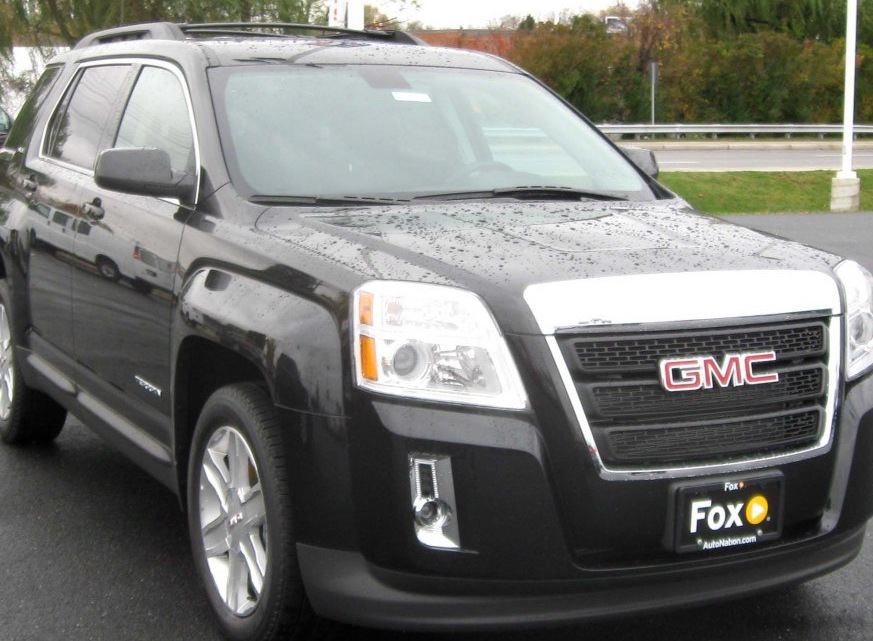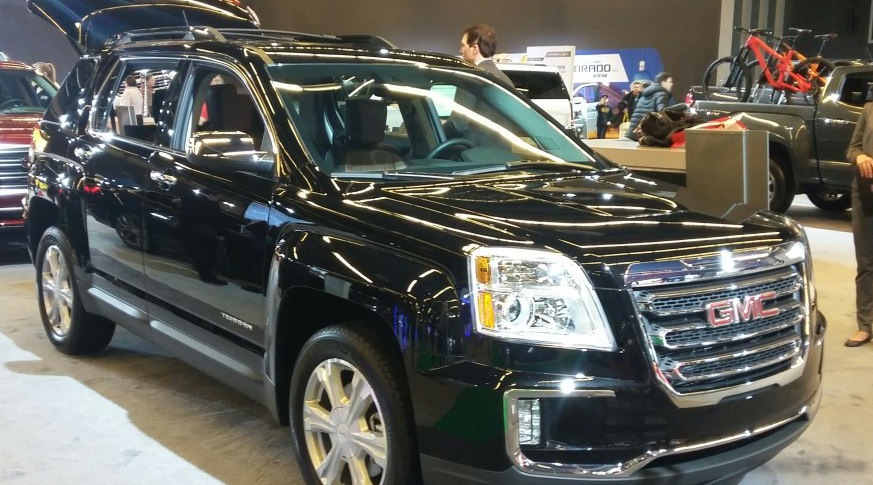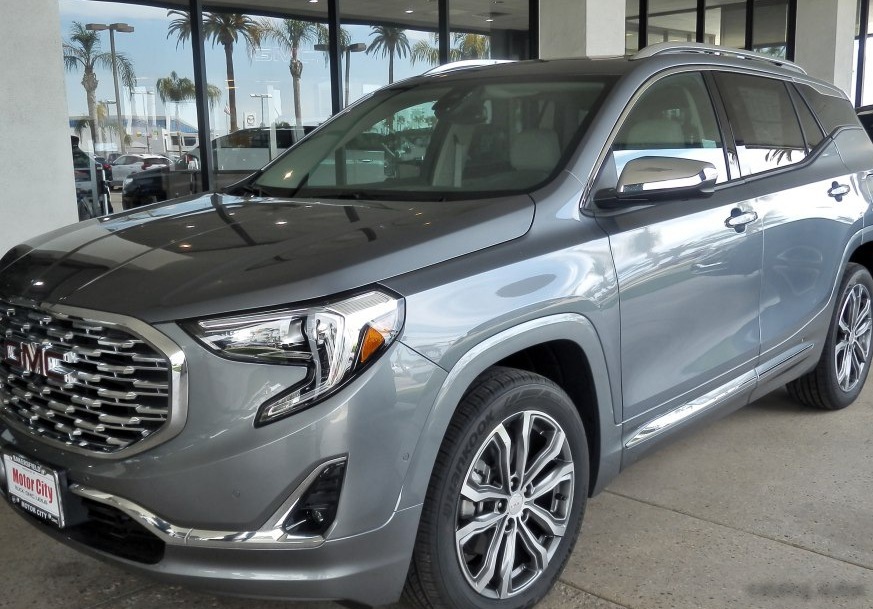
The GMC Terrain II 1.6d (137 Hp) Start/Stop Automatic, produced between 2017 and 2019, represented a downsized, fuel-efficient option within the second generation of GMC’s popular compact SUV. Positioned as an entry-level trim in many markets, particularly in Europe and other regions outside North America where diesel engines held greater appeal, this variant aimed to balance affordability with the practicality expected of the Terrain. It was built on the GM Theta platform, shared with other vehicles like the Chevrolet Equinox and Opel Antara, and offered a five-passenger seating configuration. The introduction of the 1.6-liter diesel engine was a key part of GMC’s strategy to broaden the Terrain’s appeal and cater to consumers seeking lower running costs.
Technical Specifications
| Brand | GMC |
| Model | Terrain |
| Generation | Terrain II |
| Type (Engine) | 1.6d (137 Hp) Start/Stop Automatic |
| Start of production | 2017 |
| End of production | 2019 |
| Powertrain Architecture | Internal Combustion engine |
| Body type | SUV |
| Seats | 5 |
| Doors | 5 |
| Fuel Type | Diesel |
| Power | 137 Hp @ 3750 rpm |
| Power per litre | 85.7 Hp/l |
| Torque | 325 Nm @ 2000 rpm / 239.71 lb.-ft. @ 2000 rpm |
| Engine layout | Front, Transverse |
| Engine Model/Code | LH7 |
| Engine displacement | 1598 cm3 / 97.52 cu. in. |
| Number of cylinders | 4 |
| Engine configuration | Inline |
| Number of valves per cylinder | 4 |
| Fuel injection system | Diesel Commonrail |
| Engine aspiration | Turbocharger, Intercooler |
| Valvetrain | DOHC |
| Engine oil capacity | 5 l / 5.28 US qt | 4.4 UK qt |
| Coolant | 7.5 l / 7.93 US qt | 6.6 UK qt |
| Trunk (boot) space – minimum | 838 l / 29.59 cu. ft. |
| Trunk (boot) space – maximum | 2294 l / 81.01 cu. ft. |
| Fuel tank capacity | 56 l / 14.79 US gal | 12.32 UK gal |
| Permitted trailer load with brakes (12%) | 680 kg / 1499.14 lbs. |
| Length | 4630 mm / 182.28 in. |
| Width | 1839 mm / 72.4 in. |
| Height | 1661 mm / 65.39 in. |
| Wheelbase | 2725 mm / 107.28 in. |
| Front track | 1582 mm / 62.28 in. |
| Rear (Back) track | 1588 mm / 62.52 in. |
| Drivetrain Architecture | The Internal combustion engine (ICE) drives the front wheels of the vehicle. |
| Drive wheel | Front wheel drive |
| Number of gears and type of gearbox | 6 gears, automatic transmission |
| Front suspension | Independent type McPherson |
| Rear suspension | Independent multi-link suspension |
| Front brakes | Ventilated discs |
| Rear brakes | Disc |
| Assisting systems | ABS (Anti-lock braking system) |
| Steering type | Steering rack and pinion |
| Power steering | Electric Steering |
| Tires size | 235/60 R17; 235/55 R18; 235/55 R19 |
| Wheel rims size | 17; 18; 19 |
Powertrain & Engine Architecture
The heart of this Terrain variant is the LH7 1.6-liter turbocharged diesel engine. This engine, part of GM’s small diesel family, utilizes a common rail direct injection system for precise fuel delivery and optimized combustion. The engine features a double overhead camshaft (DOHC) valvetrain operating four valves per cylinder, contributing to its relatively efficient operation. The turbocharger, coupled with an intercooler, helps to boost power output and improve torque across a wider RPM range. The engine’s Start/Stop system, a standard feature, automatically shuts off the engine when the vehicle is stationary (e.g., at traffic lights) to conserve fuel and reduce emissions. Paired with the engine is a six-speed automatic transmission, chosen for its smooth operation and ease of use, particularly appealing to buyers prioritizing comfort over outright performance. This transmission was calibrated to work with the diesel engine’s torque curve, providing adequate acceleration for everyday driving.
Driving Characteristics
The 1.6-liter diesel automatic Terrain offered a comfortable, if not particularly sporty, driving experience. With 137 horsepower and 325 Nm (239.71 lb-ft) of torque, acceleration was adequate for merging onto highways and navigating city streets. However, it was noticeably slower than Terrain models equipped with larger gasoline engines. The automatic transmission, while smooth, sometimes felt hesitant during quick overtaking maneuvers. The gear ratios were optimized for fuel efficiency rather than rapid acceleration. Compared to manual transmission versions of the same engine, the automatic offered greater convenience but slightly reduced fuel economy. The front-wheel-drive configuration provided predictable handling, but lacked the all-weather capability of available all-wheel-drive Terrain models.
Equipment & Trim Levels
The 1.6d Start/Stop Automatic trim typically came standard with features such as air conditioning, a basic infotainment system with a touchscreen display, Bluetooth connectivity, and power windows/locks. Interior upholstery was generally cloth, with options for leather upgrades available. Safety features included ABS, stability control, and multiple airbags. Optional extras often included a sunroof, upgraded audio system, navigation system, and parking sensors. The specific standard equipment varied slightly depending on the market and package options selected.
Chassis & Braking
The Terrain II utilized an independent McPherson strut suspension in the front and an independent multi-link suspension in the rear, providing a reasonably comfortable ride quality. Front brakes were ventilated discs, while rear brakes were solid discs. The braking system was assisted by ABS (Anti-lock Braking System) to enhance safety during emergency stops. Stabilizer bars were fitted to both the front and rear axles to reduce body roll during cornering. The suspension tuning was geared towards comfort and everyday usability rather than aggressive handling.
Market Reception & Comparison
The 1.6d Start/Stop Automatic Terrain received mixed reviews. Critics praised its fuel efficiency and comfortable ride, but noted its relatively modest performance. Compared to the 1.5-liter turbocharged gasoline engine offered in the Terrain, the diesel provided better fuel economy but less overall power. Against the larger 2.0-liter gasoline engine, the diesel was significantly slower but more economical. Reliability reports were generally positive, with the 1.6-liter diesel proving to be a durable and dependable engine. However, diesel engines, in general, can be more expensive to maintain due to the complexity of their emissions control systems.
Legacy
The GMC Terrain II 1.6d Start/Stop Automatic represents a period where manufacturers were actively exploring smaller displacement diesel engines to meet increasingly stringent fuel economy and emissions regulations. While this specific variant wasn’t a high-volume seller in all markets, it provided a viable option for buyers prioritizing fuel efficiency and lower running costs. On the used car market, these models are generally well-regarded for their reliability and affordability. However, potential buyers should be aware of the potential for higher maintenance costs associated with diesel emissions systems and ensure that the vehicle has been properly maintained. The 1.6-liter diesel engine, while not groundbreaking, proved to be a solid and dependable powerplant within the Terrain lineup.