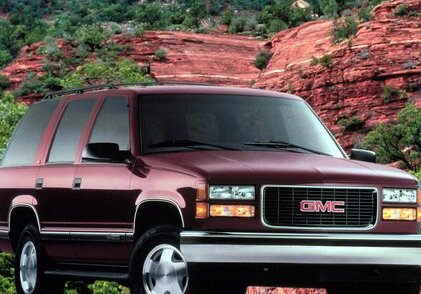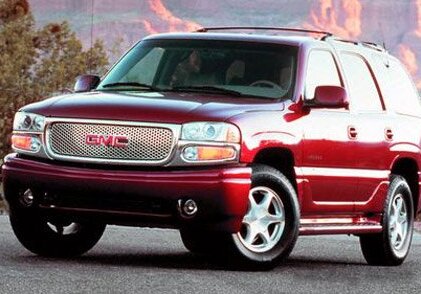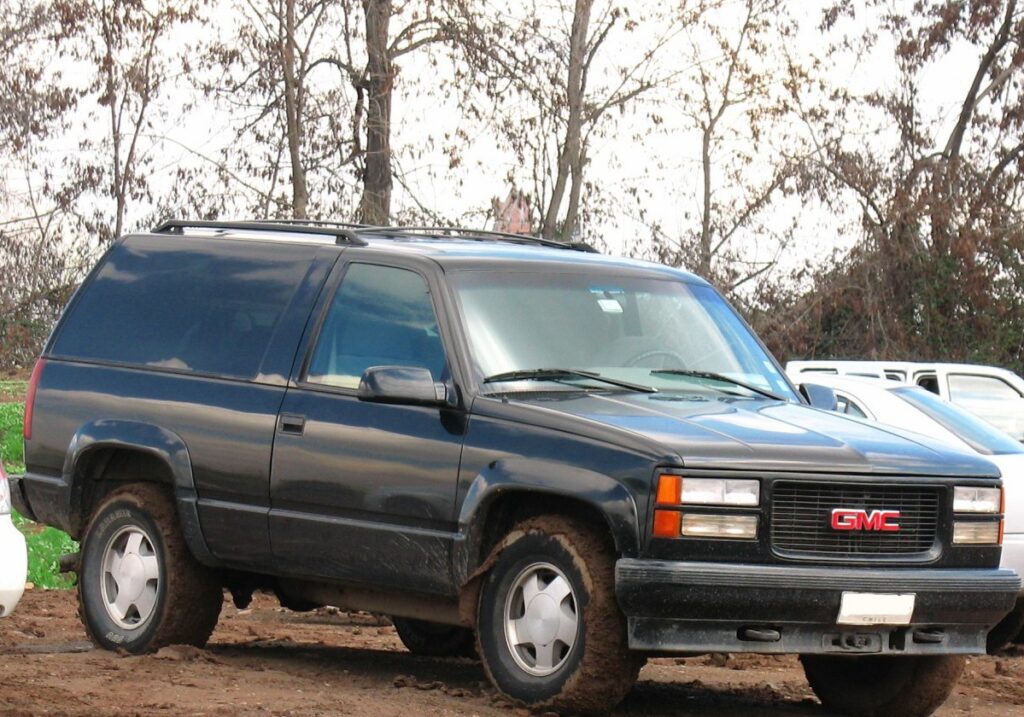
The GMC Yukon I (GMT400, 3-door) with the 6.5-liter V8 Turbo diesel engine and automatic transmission represents a unique offering in the full-size SUV market of the early to late 1990s. Produced from 1992 through 1999, this variant was part of the first generation of the Yukon line, which was GMC’s counterpart to the Chevrolet Tahoe and Suburban. The three-door configuration, combined with the diesel powertrain, catered to a specific niche of buyers seeking a robust, capable vehicle for towing, hauling, and off-road use. This Yukon stood out from its gasoline-powered siblings, offering a different driving experience and appealing to those prioritizing fuel efficiency and low-end torque.
Technical Specifications
| Brand | GMC |
| Model | Yukon |
| Generation | Yukon I (GMT400, 3-door) |
| Type (Engine) | 6.5d V8 Turbo (180 Hp) Automatic |
| Start of production | 1992 |
| End of production | 1999 |
| Powertrain Architecture | Internal Combustion engine |
| Body type | SUV |
| Seats | 5 |
| Doors | 3 |
| Fuel Type | Diesel |
| Power | 180 Hp @ 3400 rpm |
| Power per litre | 27.8 Hp/l |
| Torque | 488 Nm @ 1700 rpm / 359.93 lb.-ft. @ 1700 rpm |
| Engine layout | Front, Longitudinal |
| Engine displacement | 6473 cm3 / 395.01 cu. in. |
| Number of cylinders | 8 |
| Engine configuration | V-engine |
| Cylinder Bore | 103.12 mm / 4.06 in. |
| Piston Stroke | 97.03 mm / 3.82 in. |
| Compression ratio | 21.5:1 |
| Fuel injection system | Precombustion chamber injection |
| Engine aspiration | Turbocharger |
| Engine oil capacity | 6.5 l / 6.87 US qt | 5.72 UK qt |
| Coolant | 22.2 l / 23.46 US qt | 19.53 UK qt |
| Max. weight | 2926 kg / 6450.73 lbs. |
| Fuel tank capacity | 114 l / 30.12 US gal | 25.08 UK gal |
| Length | 4775 mm / 187.99 in. |
| Width | 1958 mm / 77.09 in. |
| Height | 1839 mm / 72.4 in. |
| Wheelbase | 2832 mm / 111.5 in. |
| Front overhang | 899 mm / 35.39 in. |
| Rear overhang | 1044 mm / 41.1 in. |
| Drivetrain Architecture | The Internal combustion engine (ICE) drives the rear wheels of the vehicle. |
| Drive wheel | Rear wheel drive |
| Number of gears and type of gearbox | 4 gears, automatic transmission |
| Front suspension | Independent torsion bar, double wishbone |
| Rear suspension | Leaf spring |
| Front brakes | Disc |
| Rear brakes | Drum |
| Assisting systems | ABS (Anti-lock braking system) |
| Tires size | 265/75 R16 |
| Wheel rims size | 7J x 16 |
Powertrain & Engine Architecture
The heart of this Yukon variant is the 6.5-liter (395 cubic inch) naturally aspirated V8 diesel engine. This engine, designated with various codes depending on the year (often associated with the 6.5L Detroit Diesel series), was known for its durability and substantial torque output. The engine utilized a precombustion chamber injection system, a common design for diesel engines of the era, which improved combustion efficiency and reduced engine noise. A turbocharger was added to increase power output to 180 horsepower. The engine’s robust construction and relatively low-stress design contributed to its longevity. The automatic transmission was a 4-speed unit, designed to handle the engine’s significant torque. While not known for rapid acceleration, the transmission provided smooth shifts and adequate performance for towing and everyday driving.
Driving Characteristics
The 180 horsepower and 360 lb-ft of torque delivered by the 6.5L diesel engine resulted in a driving experience markedly different from the gasoline-powered Yukon models. Acceleration was modest, but the engine excelled in providing strong low-end torque, making it ideal for towing trailers, boats, or other heavy loads. The automatic transmission, while smooth, wasn’t geared for quick acceleration; instead, it prioritized fuel economy and effortless cruising. Compared to the V6 or V8 gasoline engines available in the Yukon, the diesel offered superior fuel economy, particularly under load. However, it lacked the responsiveness and higher top-end power of its gasoline counterparts. The three-door configuration also impacted handling, making it feel more truck-like than the four-door models.
Equipment & Trim Levels
The 6.5L diesel Yukon typically occupied a mid-range position in the Yukon lineup. Standard equipment generally included air conditioning, a basic AM/FM radio, cloth upholstery, and manual windows and locks. Power windows and locks, upgraded audio systems, and a tilt steering wheel were often available as optional extras. The interior was functional and durable, designed to withstand the rigors of heavy use. The three-door body style meant rear seat access was less convenient than in the four-door models, and rear passenger space was somewhat limited. Trim levels varied slightly from year to year, but generally focused on adding convenience features rather than significant performance upgrades.
Chassis & Braking
The GMT400 platform utilized a body-on-frame construction, providing a robust and durable chassis. The front suspension featured an independent torsion bar setup with double wishbone components, offering a reasonable ride quality. The rear suspension employed leaf springs, a traditional design for trucks and SUVs, which contributed to the vehicle’s load-carrying capacity. Braking duties were handled by disc brakes at the front and drum brakes at the rear. An Anti-lock Braking System (ABS) was often included as standard equipment, enhancing safety and control during emergency braking situations. The tires, typically 265/75R16, were chosen for their durability and all-terrain capability.
Market Reception & Comparison
The 6.5L diesel Yukon appealed to a specific segment of the market – buyers who prioritized towing capacity, fuel efficiency, and long-term durability over outright performance. Critics generally praised the engine’s torque and fuel economy, but noted its lack of acceleration. Compared to the gasoline-powered Yukon models, the diesel version was often more expensive upfront, but offered lower operating costs over the long run, especially for those who frequently towed or hauled heavy loads. The three-door configuration limited its appeal to buyers needing more passenger space or easier access to the rear seats. The diesel Yukon was often seen as a workhorse vehicle, well-suited for rural areas and demanding applications.
Legacy
The 6.5L diesel engine, while eventually superseded by more modern diesel technologies, earned a reputation for its reliability and longevity. Many examples of the 6.5L diesel Yukon remain on the road today, a testament to the engine’s robust construction. In the used car market, these vehicles are often sought after by those looking for a capable and affordable tow vehicle. However, potential buyers should be aware of the age of the vehicle and the potential for maintenance issues associated with older diesel engines. Parts availability is generally good, but specialized knowledge may be required for repairs. The 6.5L diesel Yukon represents a unique chapter in the history of full-size SUVs, offering a blend of capability, durability, and fuel efficiency that continues to appeal to a dedicated following.