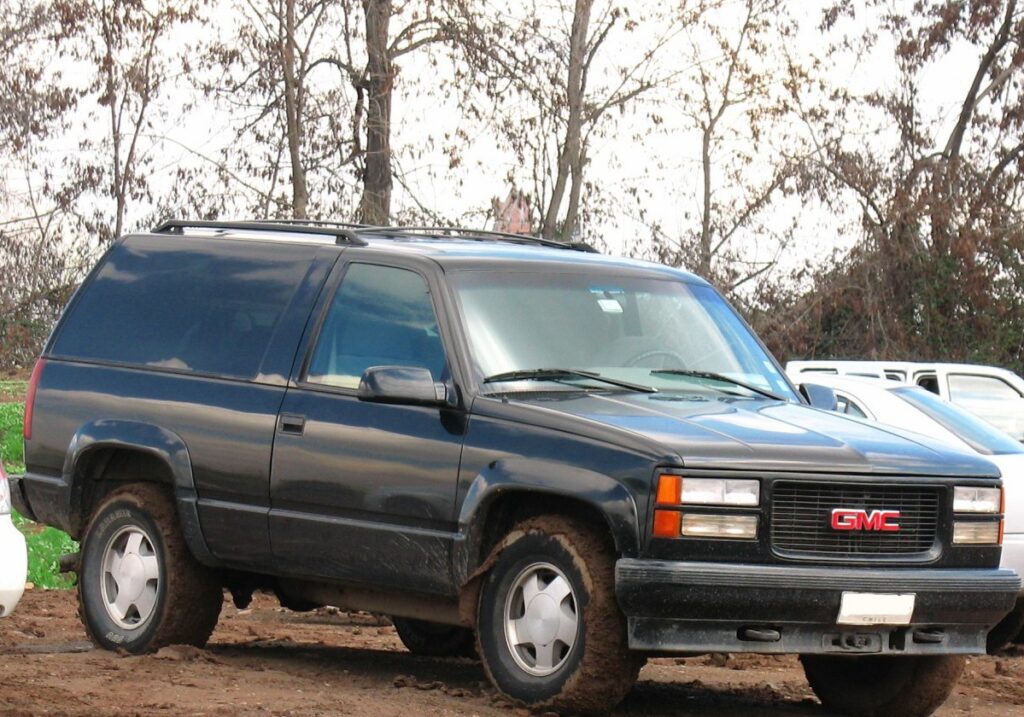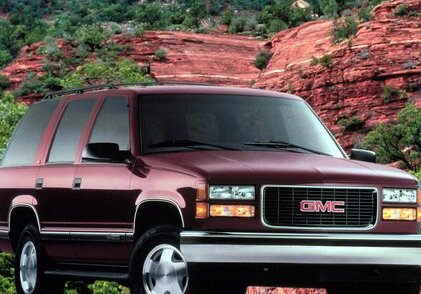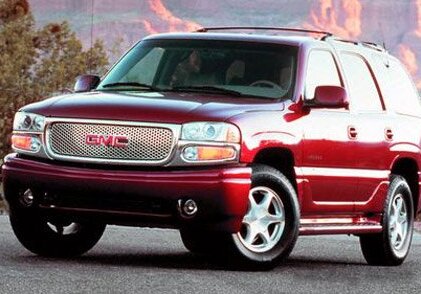
The GMC Yukon II (GMT800) 2500, equipped with the 6.0-liter V8 engine producing 320 horsepower and paired with a four-speed automatic transmission and four-wheel drive, was a full-size SUV produced from 2001 to 2006. Positioned as a heavy-duty variant within the second generation Yukon lineup, it catered to buyers needing substantial towing capacity and interior space. This model represented GMC’s offering in the increasingly popular segment of large, truck-based SUVs, competing directly with vehicles like the Ford Expedition and Chevrolet Suburban. The GMT800 platform underpinned not only the Yukon but also the Cadillac Escalade and Chevrolet Tahoe/Suburban, sharing many core components while offering distinct styling and trim levels.
Technical Specifications
| Brand | GMC |
| Model | Yukon II |
| Generation | Yukon II (GMT800) |
| Type | 2500 6.0 V8 (320 Hp) 4WD Automatic |
| Start of production | 2001 |
| End of production | 2006 |
| Powertrain Architecture | Internal Combustion engine |
| Body type | SUV |
| Seats | 8 |
| Doors | 5 |
| Fuel Type | Petrol (Gasoline) |
| Power | 320 Hp @ 5000 rpm |
| Power per litre | 53.6 Hp/l |
| Torque | 495 Nm @ 4000 rpm / 365.09 lb.-ft. @ 4000 rpm |
| Engine layout | Front, Longitudinal |
| Engine displacement | 5967 cm3 / 364.13 cu. in. |
| Number of cylinders | 8 |
| Engine configuration | V-engine |
| Cylinder Bore | 101.6 mm / 4 in. |
| Piston Stroke | 92 mm / 3.62 in. |
| Compression ratio | 9.4:1 |
| Number of valves per cylinder | 2 |
| Fuel injection system | Multi-port manifold injection |
| Engine aspiration | Naturally aspirated engine |
| Engine oil capacity | 5.7 l / 6.02 US qt | 5.02 UK qt |
| Coolant | 15.3 l / 16.17 US qt | 13.46 UK qt |
| Trunk (boot) space – minimum | 453 l / 16 cu. ft. |
| Trunk (boot) space – maximum | 2962 l / 104.6 cu. ft. |
| Fuel tank capacity | 98 l / 25.89 US gal | 21.56 UK gal |
| Length | 5052 mm / 198.9 in. |
| Width | 2002 mm / 78.82 in. |
| Height | 1948 mm / 76.69 in. |
| Wheelbase | 2946 mm / 115.98 in. |
| Front track | 1651 mm / 65 in. |
| Rear (Back) track | 1676 mm / 65.98 in. |
| Drivetrain Architecture | All wheel drive (4×4). Internal Combustion engine. |
| Number of gears and type of gearbox | 4 gears, automatic transmission |
| Front suspension | Independent coil spring, Torsion |
| Rear suspension | Independent multi-link suspension, Coil spring |
| Front brakes | Ventilated discs |
| Rear brakes | Disc |
| Assisting systems | ABS (Anti-lock braking system) |
| Power steering | Hydraulic Steering |
| Tires size | 245/75 R16 |
| Wheel rims size | 7J x 16 |
Powertrain & Engine Architecture
The heart of the Yukon II 2500 was the 6.0-liter Vortec 5967 V8 engine. This engine, part of GM’s Vortec family, utilized cast iron block and aluminum cylinder heads. The engine code is typically associated with the LQ4 designation. It featured a 9.4:1 compression ratio and a multi-port fuel injection system, delivering a balance of power and reasonable efficiency for its size. The valvetrain employed two valves per cylinder, operated by a single camshaft. The four-speed 4L80-E automatic transmission was specifically chosen for its durability and ability to handle the engine’s substantial torque output, crucial for towing and hauling. This transmission featured electronic control for smoother shifting and optimized performance. The longitudinal engine placement allowed for a traditional front-engine, rear-wheel-drive layout, with the four-wheel-drive system engaging the front axle as needed.
Driving Characteristics
The 6.0-liter V8 and 4L80-E automatic combination provided a robust driving experience. While not particularly quick in terms of acceleration, the Yukon II 2500 offered ample power for everyday driving and, more importantly, for towing heavy loads. The automatic transmission’s gear ratios were optimized for torque delivery, providing strong low-end grunt. Compared to the smaller 5.3-liter V8 offered in lower trims, the 6.0-liter provided a noticeable increase in performance, especially when fully loaded. However, it wasn’t as nimble or fuel-efficient as lighter-duty SUVs. The four-wheel-drive system added capability in inclement weather and off-road conditions, but also contributed to a higher curb weight and slightly reduced fuel economy. The ride quality, while comfortable, was firm due to the heavy-duty suspension components.
Equipment & Trim Levels
The Yukon II 2500 typically came standard with features like air conditioning, power windows and locks, and an AM/FM stereo. Higher trim levels, such as the SLT, added features like leather upholstery, heated seats, a premium sound system, and upgraded interior trim. Optional extras included a navigation system, rear-seat entertainment system, and various towing packages. The interior design was functional and spacious, prioritizing practicality over luxury. The third-row seating was relatively accessible, making it a viable option for families. The dashboard layout was straightforward, with easy-to-use controls.
Chassis & Braking
The GMT800 platform utilized a body-on-frame construction, providing a robust and durable chassis. The front suspension featured independent coil springs and torsion bars, while the rear suspension employed an independent multi-link setup with coil springs. This suspension configuration aimed to balance ride comfort with load-carrying capacity. Braking duties were handled by ventilated discs at the front and solid discs at the rear. Anti-lock brakes (ABS) were standard, enhancing safety and control during emergency braking situations. The Yukon II 2500’s heavy weight necessitated a robust braking system to provide adequate stopping power.
Market Reception & Comparison
The Yukon II 2500 was generally well-received by critics and consumers alike. It was praised for its powerful engine, spacious interior, and impressive towing capacity. However, its fuel economy was a common criticism, as expected for a vehicle of its size and weight. Compared to the standard Yukon models, the 2500 offered a significant increase in towing capacity and payload, making it a popular choice for those who frequently hauled trailers or heavy equipment. The 6.0-liter V8 was considered a reliable engine, although maintenance costs could be higher than those associated with smaller engines. The automatic transmission was also generally regarded as durable, but required regular fluid changes to ensure optimal performance.
Legacy
The GMT800 Yukon II 2500 remains a popular choice in the used car market, particularly among those seeking a capable and affordable heavy-duty SUV. The 6.0-liter V8 engine, when properly maintained, has proven to be relatively reliable, with many examples exceeding 200,000 miles. However, potential buyers should be aware of potential issues such as oil leaks and Active Fuel Management (AFM) system failures. The 4L80-E transmission is also known for its durability, but regular fluid changes are essential. Today, these vehicles are often sought after for their towing capabilities and spacious interiors, making them a practical choice for families and those with demanding hauling needs. The Yukon II 2500 represents a significant era in full-size SUV design, offering a blend of power, space, and capability that continues to appeal to buyers today.