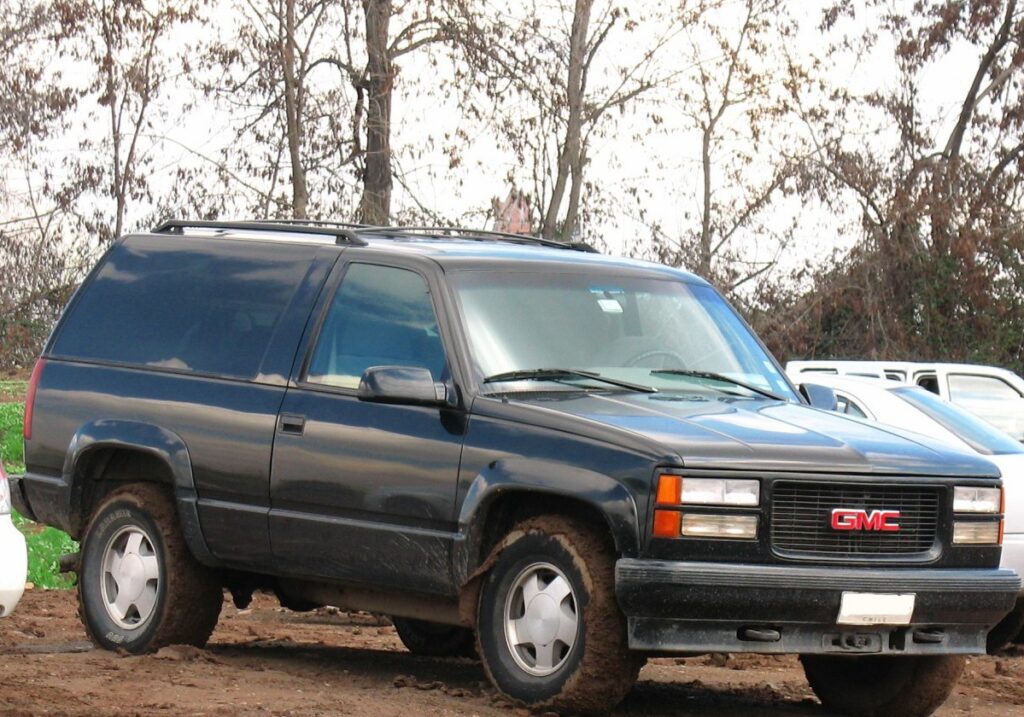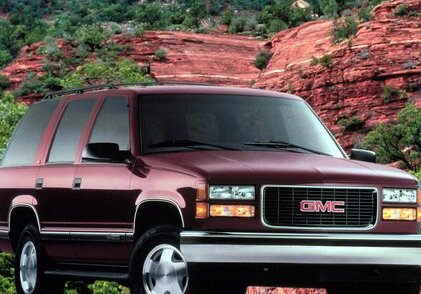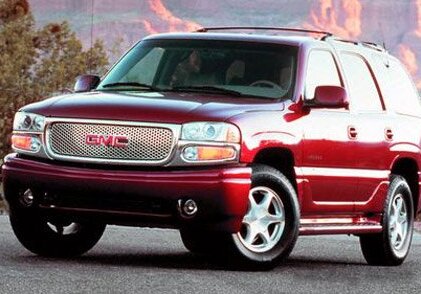
The GMC Yukon II, specifically the variant equipped with the 5.3-liter V8 engine producing 285 horsepower and paired with a four-speed automatic transmission and four-wheel drive, was a significant presence in the full-size SUV market from 2000 to 2006. This model, built on the GMT800 platform, represented GMC’s offering in a segment dominated by the Chevrolet Tahoe and Suburban, as well as the Ford Expedition. Positioned as a step up from base models, the 5.3L 4WD Yukon II aimed to provide a balance of capability, comfort, and towing capacity for families and those needing a versatile vehicle. It was a second-generation Yukon, following the initial introduction of the nameplate in 1992.
Technical Specifications
| Brand | GMC |
| Model | Yukon |
| Generation | Yukon II (GMT800) |
| Type (Engine) | 5.3 V8 (285 Hp) 4WD Automatic |
| Start of production | 2000 |
| End of production | 2006 |
| Powertrain Architecture | Internal Combustion engine |
| Body type | SUV |
| Seats | 9 |
| Doors | 5 |
| Fuel consumption (urban) | 16.8 l/100 km (14 US mpg, 16.8 UK mpg) |
| Fuel consumption (extra urban) | 13.8 l/100 km (17 US mpg, 20.5 UK mpg) |
| Fuel Type | Petrol (Gasoline) |
| Power | 285 Hp @ 5200 rpm |
| Power per litre | 53.5 Hp/l |
| Torque | 441 Nm @ 4000 rpm (325.26 lb.-ft. @ 4000 rpm) |
| Engine layout | Front, Longitudinal |
| Engine displacement | 5327 cm3 (325.07 cu. in.) |
| Number of cylinders | 8 |
| Engine configuration | V-engine |
| Cylinder Bore | 96 mm (3.78 in.) |
| Piston Stroke | 92 mm (3.62 in.) |
| Compression ratio | 9.5:1 |
| Number of valves per cylinder | 2 |
| Fuel injection system | Multi-port manifold injection |
| Engine aspiration | Naturally aspirated engine |
| Engine oil capacity | 5.7 l (6.02 US qt | 5.02 UK qt) |
| Coolant | 15.8 l (16.7 US qt | 13.9 UK qt) |
| Max. weight | 3175 kg (6999.68 lbs.) |
| Trunk (boot) space – minimum | 453 l (16 cu. ft.) |
| Trunk (boot) space – maximum | 2962 l (104.6 cu. ft.) |
| Fuel tank capacity | 98 l (25.89 US gal | 21.56 UK gal) |
| Length | 5052 mm (198.9 in.) |
| Width | 2004 mm (78.9 in.) |
| Height | 1948 mm (76.69 in.) |
| Wheelbase | 2946 mm (115.98 in.) |
| Front track | 1651 mm (65 in.) |
| Rear (Back) track | 1676 mm (65.98 in.) |
| Drivetrain Architecture | All wheel drive (4×4). Internal Combustion engine. |
| Number of gears and type of gearbox | 4 gears, automatic transmission |
| Front suspension | Independent coil spring, Torsion |
| Rear suspension | Independent multi-link suspension, Coil spring |
| Front brakes | Ventilated discs |
| Rear brakes | Disc |
| Assisting systems | ABS (Anti-lock braking system), Hydraulic Power steering |
| Tires size | 245/75 R16 |
| Wheel rims size | 7J x 16 |
Powertrain & Engine Architecture
The heart of this Yukon II variant was the GM Vortec 5300 engine, specifically the LM7 variant. This 5.3-liter (325 cubic inch) V8 is a cast iron block, aluminum cylinder head engine known for its durability and relatively simple design. It utilized a 9.5:1 compression ratio and a two-valve per cylinder configuration. Fuel delivery was handled by a multi-port fuel injection system, providing adequate, though not cutting-edge, performance. The engine’s longitudinal mounting allowed for a traditional rear-wheel-drive layout, with the four-wheel-drive system adding a transfer case to distribute power to the front axle when needed. The 4L60E four-speed automatic transmission was the standard pairing. This transmission, while reliable, was sometimes criticized for its relatively wide gear ratios and lack of overdrive for optimal highway fuel economy.
Driving Characteristics
The 5.3L Yukon II 4WD offered a comfortable, if not particularly sporty, driving experience. With 285 horsepower and 325 lb-ft of torque, acceleration was adequate for merging onto highways and passing slower traffic, but it wasn’t a particularly quick vehicle. The four-speed automatic transmission, while smooth, didn’t offer the responsiveness of more modern transmissions with more gears. The 4WD system provided enhanced traction in inclement weather and on unpaved surfaces, making it a capable all-weather vehicle. Compared to the available 6.0L V8, the 5.3L offered less raw power, but it also delivered slightly better fuel economy. Against the 4.8L V8, the 5.3L provided a noticeable performance boost, making it the preferred choice for those who frequently towed or carried heavy loads.
Equipment & Trim Levels
The Yukon II 5.3L 4WD typically came standard with features like air conditioning, power windows and locks, a CD player, and cloth upholstery. Higher trim levels, such as the SLT, added features like leather upholstery, heated seats, a premium sound system, and alloy wheels. Optional extras included a sunroof, rear entertainment system, and upgraded towing packages. The interior design was functional and spacious, prioritizing practicality over luxury. The third-row seating, while present, was best suited for children or shorter adults.
Chassis & Braking
The GMT800 platform utilized a body-on-frame construction, providing a robust and durable chassis. The front suspension consisted of independent coil springs and torsion bars, while the rear suspension employed an independent multi-link setup with coil springs. This suspension configuration aimed to balance ride comfort with handling stability. Brakes were ventilated discs up front and discs in the rear, providing adequate stopping power for the vehicle’s weight. Anti-lock brakes (ABS) were standard, enhancing safety in emergency braking situations. The Yukon II’s relatively high center of gravity and substantial weight meant that it didn’t handle like a sports car, but it offered a stable and predictable driving experience.
Market Reception & Comparison
The GMC Yukon II 5.3L 4WD was generally well-received by critics and consumers alike. It was praised for its spacious interior, comfortable ride, and strong towing capacity. However, some reviewers noted the relatively dated four-speed automatic transmission and the vehicle’s thirst for fuel. Compared to the Chevrolet Tahoe, the Yukon II offered a slightly more upscale appearance and a more refined interior. Against the Ford Expedition, the Yukon II was often seen as offering a more comfortable ride, while the Expedition provided more cargo space. Fuel economy figures averaged around 14-17 mpg in city driving and 17-20 mpg on the highway, which was typical for a full-size SUV of that era.
Legacy
The LM7 5.3L V8 engine has proven to be remarkably durable and reliable over the long term. Many Yukon II models equipped with this engine have surpassed 200,000 miles with proper maintenance. The 4L60E transmission, while not without its potential issues, is also generally considered reliable when properly maintained. Today, the 2000-2006 GMC Yukon II 5.3L 4WD remains a popular choice in the used car market, particularly for those seeking a capable and affordable full-size SUV. Its combination of space, towing capacity, and relative reliability makes it a practical option for families and those with active lifestyles. However, potential buyers should be aware of the vehicle’s age and potential maintenance needs, such as suspension components and cooling system parts.