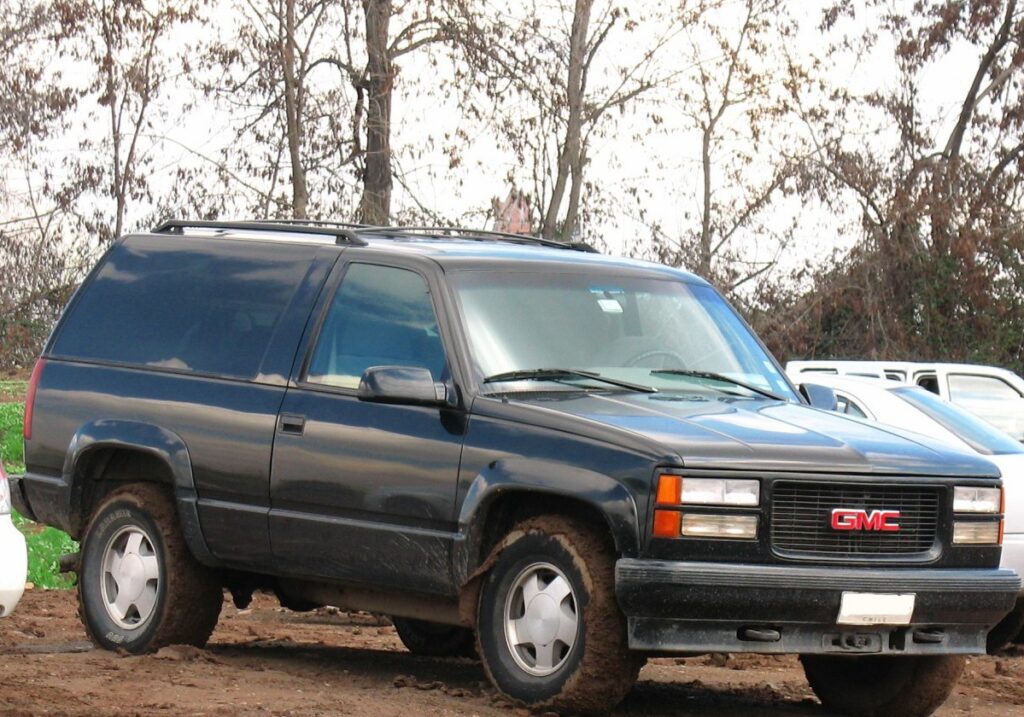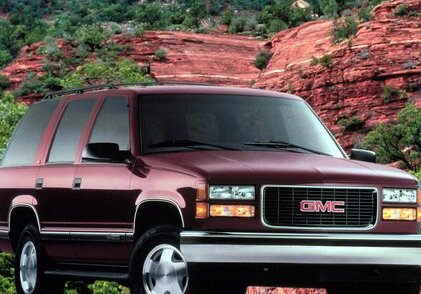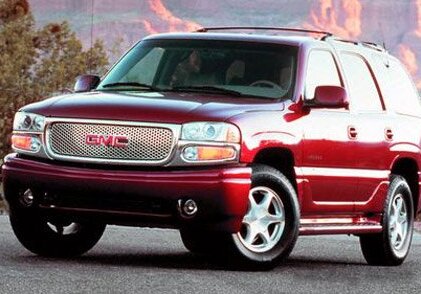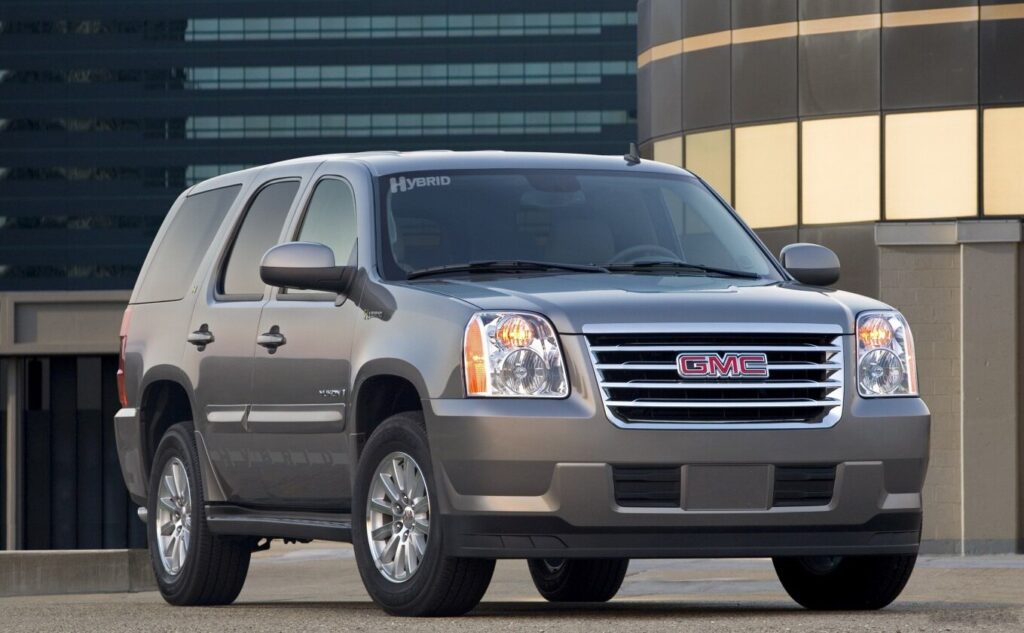
The GMC Yukon III, specifically the 6.0L V8 Hybrid 4WD Automatic variant, represented a significant step in full-size SUV technology when it was introduced for the 2008 model year, continuing through 2009. Built on the GMT900 platform, this Yukon aimed to blend the capability expected of a large SUV with improved fuel efficiency through the implementation of a full hybrid electric vehicle (FHEV) system. Positioned as a premium offering within the Yukon lineup, it catered to buyers seeking a balance between towing capacity, passenger space, and a reduced environmental footprint – a relatively novel concept in the full-size SUV segment at the time. This model year marked the third generation of the Yukon, a nameplate that had become synonymous with spaciousness and robust performance.
Technical Specifications
| Brand | GMC |
| Model | Yukon |
| Generation | Yukon III (GMT900) |
| Type | 6.0 V8 16V (332 Hp) Hybrid 4WD Automatic |
| Start of production | 2008 |
| End of production | 2009 |
| Powertrain Architecture | FHEV (Full Hybrid Electric Vehicle) |
| Body type | SUV |
| Seats | 8 |
| Doors | 5 |
| Fuel consumption (urban) | 11.8 l/100 km (19.9 US mpg) |
| Fuel consumption (extra urban) | 11.8 l/100 km (19.9 US mpg) |
| Fuel Type | Petrol (Gasoline) |
| Weight-to-power ratio | 8 kg/Hp |
| Weight-to-torque ratio | 5.3 kg/Nm |
| Electric motor power (x2) | 82 Hp |
| Power | 332 Hp @ 5100 rpm |
| Torque | 498 Nm @ 4100 rpm (367.31 lb.-ft. @ 4100 rpm) |
| Maximum engine speed | 6000 rpm |
| Engine layout | Front, Longitudinal |
| Engine Model/Code | LFA |
| Engine displacement | 5967 cm3 (364.13 cu. in.) |
| Number of cylinders | 8 |
| Engine configuration | V-engine |
| Cylinder Bore | 101.6 mm (4 in.) |
| Piston Stroke | 92 mm (3.62 in.) |
| Compression ratio | 10.8:1 |
| Number of valves per cylinder | 2 |
| Fuel injection system | Multi-port manifold injection |
| Engine oil capacity | 5.7 l (6.02 US qt | 5.02 UK qt) |
| Coolant capacity | 16.9 l (17.86 US qt | 14.87 UK qt) |
| Kerb Weight | 2647 kg (5835.64 lbs.) |
| Max. weight | 3311 kg (7299.51 lbs.) |
| Max load | 664 kg (1463.87 lbs.) |
| Trunk (boot) space – minimum | 478 l (16.88 cu. ft.) |
| Trunk (boot) space – maximum | 3084 l (108.91 cu. ft.) |
| Fuel tank capacity | 92.7 l (24.49 US gal | 20.39 UK gal) |
| Permitted trailer load with brakes (12%) | 2721 kg (5998.78 lbs.) |
| Length | 5130 mm (201.97 in.) |
| Width including mirrors | 2007 mm (79.02 in.) |
| Height | 1954 mm (76.93 in.) |
| Wheelbase | 2946 mm (115.98 in.) |
| Front track | 1732 mm (68.19 in.) |
| Rear (Back) track | 1702 mm (67.01 in.) |
| Ride height (ground clearance) | 229 mm (9.02 in.) |
| Drag coefficient (Cd) | 0.34 |
| Minimum turning circle | 11.9 m (39.04 ft.) |
| Approach angle | 17° |
| Departure angle | 21.9° |
| Drive wheel | All wheel drive (4×4) |
| Number of gears and type of gearbox | 4 gears, automatic transmission |
| Front suspension | Independent, type McPherson with coil spring and anti-roll bar |
| Rear suspension | Independent multi-link suspension, Coil spring |
| Front brakes | Disc, 330×30 mm |
| Rear brakes | Disc, 345×20 mm |
| Assisting systems | ABS (Anti-lock braking system) |
| Steering type | Steering rack and pinion |
| Power steering | Electric Steering |
| Tires size | 265/65 R18 112S |
| Wheel rims size | 8J x 18 |
Powertrain & Engine Architecture
At the heart of the 2008-2009 GMC Yukon Hybrid was the 6.0-liter (364.13 cubic inches) LFA V8 engine. This engine, a member of GM’s Vortec family, featured a cast iron block with aluminum cylinder heads, and utilized a multi-port fuel injection system. The engine produced 332 horsepower at 5100 rpm and 367 lb-ft of torque at 4100 rpm. However, the key differentiator was the addition of GM’s Hybrid Joint Propulsion System (HJPS). This system incorporated two 60kW (82 hp) electric motors, effectively creating a through-the-road hybrid configuration. The electric motors powered the front wheels, while the V8 engine drove the rear wheels. This setup allowed for both two-wheel drive (electric only at low speeds) and all-wheel drive operation. The transmission was a heavy-duty four-speed automatic, specifically calibrated to work in conjunction with the electric motors and manage the power delivery from both sources. The electric motors were powered by a 300-volt nickel-metal hydride (NiMH) battery pack located under the second-row seats.
Driving Characteristics
The Yukon Hybrid’s driving experience was noticeably different from its conventionally powered siblings. At low speeds, the vehicle could operate in electric-only mode, providing near-silent operation and improved fuel economy in city driving. During acceleration or when higher power was demanded, the V8 engine would seamlessly engage, providing the expected robust power delivery of a large SUV. The four-speed automatic transmission, while not as sophisticated as newer transmissions with more gears, was well-matched to the engine and electric motor combination. Compared to the 5.3L V8 Yukon, the Hybrid offered a smoother, more refined driving experience, particularly in urban environments. However, the added weight of the hybrid components did slightly impact overall performance, and the regenerative braking system could feel somewhat different from traditional braking systems.
Equipment & Trim Levels
The Yukon Hybrid was generally offered in a well-equipped trim level, often mirroring the features of the higher-end conventional Yukon trims. Standard features typically included leather upholstery, tri-zone automatic climate control, a premium sound system, power-adjustable front seats, and a rear entertainment system. Optional extras included navigation, sunroof, and upgraded interior trim packages. The interior design was consistent with other Yukon models, emphasizing spaciousness and comfort. The hybrid-specific instrumentation included displays showing energy flow and battery charge levels.
Chassis & Braking
The Yukon Hybrid utilized a fully independent suspension system, with a McPherson strut setup at the front and a multi-link suspension at the rear. This provided a comfortable ride, even with the added weight of the hybrid components. Brakes were four-wheel disc brakes, with ABS (Anti-lock Braking System) standard. The braking system was integrated with the regenerative braking system of the electric motors, which helped to recapture energy and improve fuel efficiency. The Yukon Hybrid’s chassis was reinforced to accommodate the added weight and stresses of the hybrid powertrain.
Market Reception & Comparison
The GMC Yukon Hybrid received mixed reviews upon its release. Critics praised its improved fuel economy compared to conventional full-size SUVs, as well as its smooth and quiet operation in electric-only mode. However, the higher price tag and the relatively modest fuel economy gains were points of criticism. Compared to the standard Yukon models with the 5.3L V8, the Hybrid offered a more refined driving experience but came at a premium cost. Against competitors like the Chevrolet Tahoe Hybrid, the Yukon Hybrid offered similar technology and performance, with the GMC brand often appealing to buyers seeking a more upscale image.
Legacy
The 2008-2009 GMC Yukon Hybrid represented an early attempt to bring hybrid technology to the full-size SUV segment. While it didn’t achieve widespread popularity, it paved the way for future hybrid and electric SUVs. The powertrain proved to be relatively reliable, with the primary concerns being related to the longevity of the NiMH battery pack. On the used car market, these Yukon Hybrids can be found at reasonable prices, offering a unique combination of size, capability, and fuel efficiency for those seeking a large SUV with a slightly greener footprint. The technology, while dated by today’s standards, demonstrated GM’s commitment to exploring alternative powertrains in its popular truck and SUV lineup.