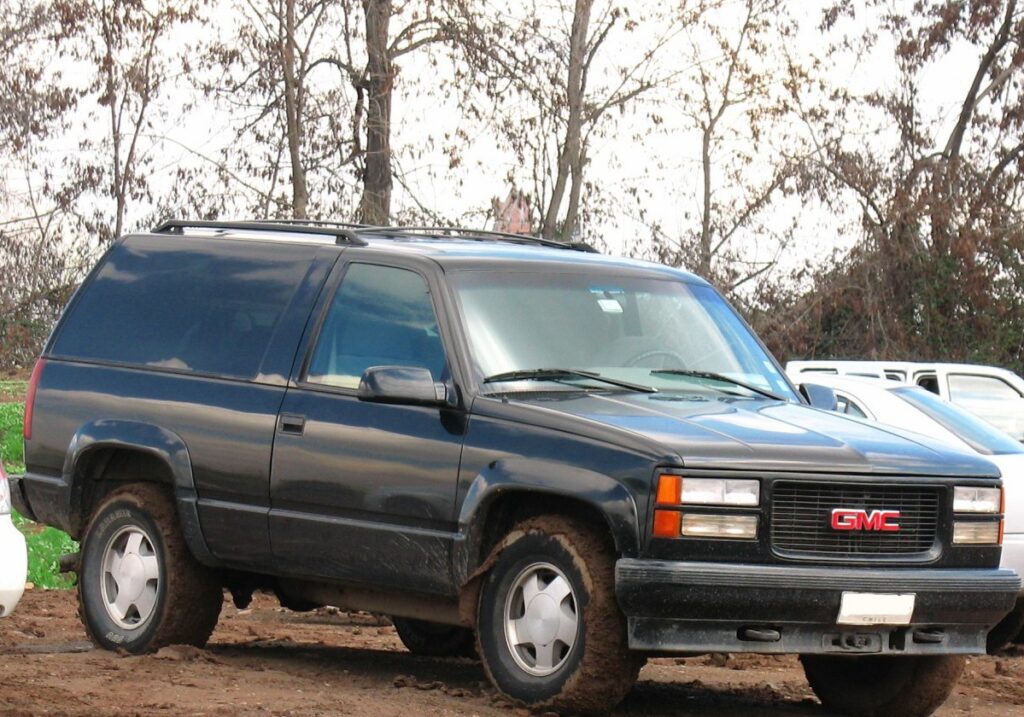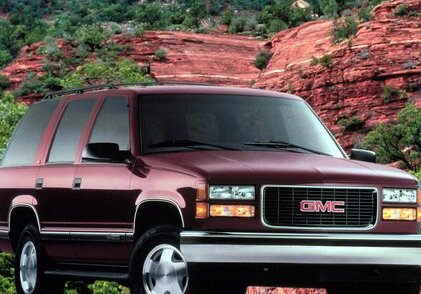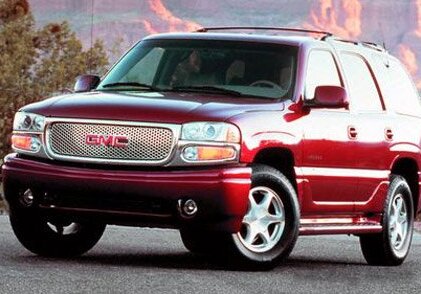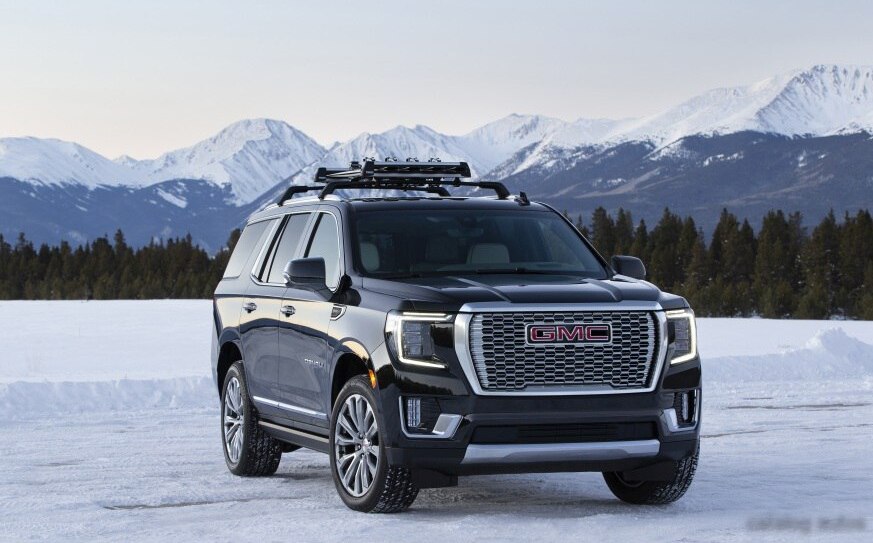
The GMC Yukon V with the 5.3L V8 engine and four-wheel drive, produced from 2020 to 2024, represents a significant iteration of GMC’s full-size SUV offering. Positioned as a mainstream trim within the fifth-generation Yukon (introduced as a 2021 model, though the 2020 model year represents the transition), this variant aimed to balance capability, comfort, and value for families and those needing substantial towing capacity. It served as a step up from the base Yukon, offering a more powerful engine option while remaining below the more luxurious and performance-oriented Denali trim levels. This model falls within the broader context of GM’s full-size SUV strategy, competing directly with vehicles like the Chevrolet Tahoe and Suburban, as well as the Ford Expedition and Jeep Wagoneer.
Technical Specifications
| Brand | GMC |
| Model | Yukon |
| Generation | Yukon V |
| Type (Engine) | 5.3 V8 (360 Hp) 4WD Automatic |
| Start of production | July, 2020 |
| End of production | 2024 |
| Powertrain Architecture | Internal Combustion engine |
| Body type | SUV |
| Seats | 8 |
| Doors | 5 |
| Fuel consumption (urban) | 14.7 l/100 km (16 US mpg, 19.2 UK mpg, 6.8 km/l) |
| Fuel consumption (extra urban) | 11.8 l/100 km (19.9 US mpg, 23.9 UK mpg, 8.5 km/l) |
| Fuel consumption (combined) | 13.1 l/100 km (18 US mpg, 21.6 UK mpg, 7.6 km/l) |
| Fuel Type | Petrol (Gasoline) |
| Power | 360 Hp @ 5600 rpm |
| Power per litre | 67.6 Hp/l |
| Torque | 519 Nm @ 4100 rpm (382.79 lb.-ft. @ 4100 rpm) |
| Engine layout | Front, Longitudinal |
| Engine Model/Code | L83 |
| Engine displacement | 5328 cm3 (325.13 cu. in.) |
| Number of cylinders | 8 |
| Engine configuration | V-engine |
| Cylinder Bore | 96 mm (3.78 in.) |
| Piston Stroke | 92 mm (3.62 in.) |
| Number of valves per cylinder | 2 |
| Fuel injection system | Direct injection |
| Engine aspiration | Naturally aspirated engine |
| Valvetrain | OHV, VVT |
| Engine oil capacity | 7.6 l (8.03 US qt | 6.69 UK qt) |
| Coolant | 14.8 l (15.64 US qt | 13.02 UK qt) |
| Trunk (boot) space – minimum | 722 l (25.5 cu. ft.) |
| Trunk (boot) space – maximum | 3479 l (122.86 cu. ft.) |
| Permitted trailer load with brakes (12%) | 3719 kg (8198.99 lbs.) |
| Length | 5335 mm (210.04 in.) |
| Width | 2058 mm (81.02 in.) |
| Height | 1943 mm (76.5 in.) |
| Wheelbase | 3071 mm (120.91 in.) |
| Front track | 1737 mm (68.39 in.) |
| Rear (Back) track | 1730 mm (68.11 in.) |
| Minimum turning circle | 11.6-12.1 m (38.06 – 39.7 ft.) |
| Drivetrain Architecture | The Internal combustion engine (ICE) drives the rear wheels permanently, and the front wheels are driven through an electrically or mechanically operated clutch if necessary. |
| Drive wheel | All wheel drive (4×4) |
| Number of gears and type of gearbox | 10 gears, automatic transmission Hydra-Matic |
| Front suspension | Independent coil spring |
| Rear suspension | Independent multi-link suspension |
| Front brakes | Ventilated discs |
| Rear brakes | Ventilated discs |
| Assisting systems | ABS (Anti-lock braking system) |
| Steering type | Steering rack and pinion |
| Power steering | Electric Steering |
| Tires size | 265/65 R18; 275/65 R20; 275/60 R20; 275/50 R22 |
| Wheel rims size | 18; 20; 22 |
Powertrain & Engine Architecture
At the heart of the Yukon V 5.3 is the GM L83 5.3-liter V8 engine. This engine is a member of GM’s Small Block family, known for its durability and relatively simple design. The L83 utilizes direct fuel injection, a technology that improves fuel efficiency and power output compared to earlier port-fuel injection systems. It also features Active Fuel Management (AFM), also known as cylinder deactivation, which shuts down four of the cylinders during light-load driving conditions to further enhance fuel economy. The valvetrain employs an overhead valve (OHV) configuration with variable valve timing (VVT) to optimize performance across the engine’s operating range. The engine is longitudinally mounted in the chassis. The 10-speed Hydra-Matic automatic transmission is standard, providing a wide gear ratio spread for improved acceleration and towing capability. This transmission is electronically controlled and features overdrive for highway cruising efficiency.
Driving Characteristics
The 5.3L V8 paired with the 10-speed automatic delivers a comfortable and capable driving experience. While not as quick as the 6.2L V8 option, the 360 horsepower and 382 lb-ft of torque provide ample power for everyday driving and towing. The 10-speed transmission allows the engine to stay within its optimal power band, resulting in smooth and responsive acceleration. The Yukon V 5.3 feels less strained when fully loaded or towing a trailer compared to lower-powered trims. The four-wheel-drive system provides enhanced traction in inclement weather and off-road conditions. However, the Yukon’s large size and weight contribute to a noticeable body roll during cornering, and the steering feel is somewhat numb. Compared to manual transmission options (not available on this trim), the automatic prioritizes convenience and ease of use over driver engagement.
Equipment & Trim Levels
The Yukon V 5.3 typically came standard with features such as tri-zone automatic climate control, an 8-inch touchscreen infotainment system with Apple CarPlay and Android Auto compatibility, and a suite of safety features including automatic emergency braking and lane departure warning. Interior upholstery was typically cloth, with leather options available as upgrades. Higher trim levels within the Yukon V range offered features like heated and ventilated front seats, a larger touchscreen display, a premium sound system, and advanced driver-assistance systems like adaptive cruise control. Optional extras included a panoramic sunroof, rear-seat entertainment system, and various appearance packages.
Chassis & Braking
The Yukon V 5.3 utilizes a body-on-frame construction, providing a robust and durable platform for towing and hauling. The front suspension consists of independent coil springs, while the rear suspension features an independent multi-link setup. This suspension configuration aims to balance ride comfort and handling. Braking duties are handled by ventilated discs at all four corners, providing adequate stopping power for the vehicle’s weight. Anti-lock brakes (ABS) are standard. The Yukon V 5.3 typically features a stabilizer bar at both the front and rear to reduce body roll during cornering. The rear brakes are typically larger on 4WD models to accommodate the increased weight and towing capacity.
Market Reception & Comparison
The GMC Yukon V 5.3 4WD Automatic was generally well-received by critics as a practical and capable full-size SUV. Reviewers praised its spacious interior, comfortable ride, and strong towing capacity. However, some criticized its fuel economy, which is typical for a vehicle of its size and weight. Compared to the Chevrolet Tahoe, the Yukon offered a slightly more upscale interior and exterior styling. The 6.2L V8 Yukon offered significantly more power but came at a higher price point and with lower fuel economy. The 1.8L trims were often seen as a good value proposition for buyers who didn’t need the extra power of the larger engines.
Legacy
The L83 5.3L V8 engine has proven to be a reliable and durable powertrain. While some owners have reported issues with AFM-related oil consumption, these problems are often addressed with updated software or hardware revisions. The 10-speed Hydra-Matic transmission has also demonstrated good reliability. As of today, used Yukon V 5.3 models represent a relatively affordable option in the full-size SUV market. Their combination of space, capability, and value makes them a popular choice for families and those needing a versatile vehicle for work and recreation. Maintenance costs are generally reasonable, and parts availability is good, ensuring that these vehicles remain on the road for many years to come.