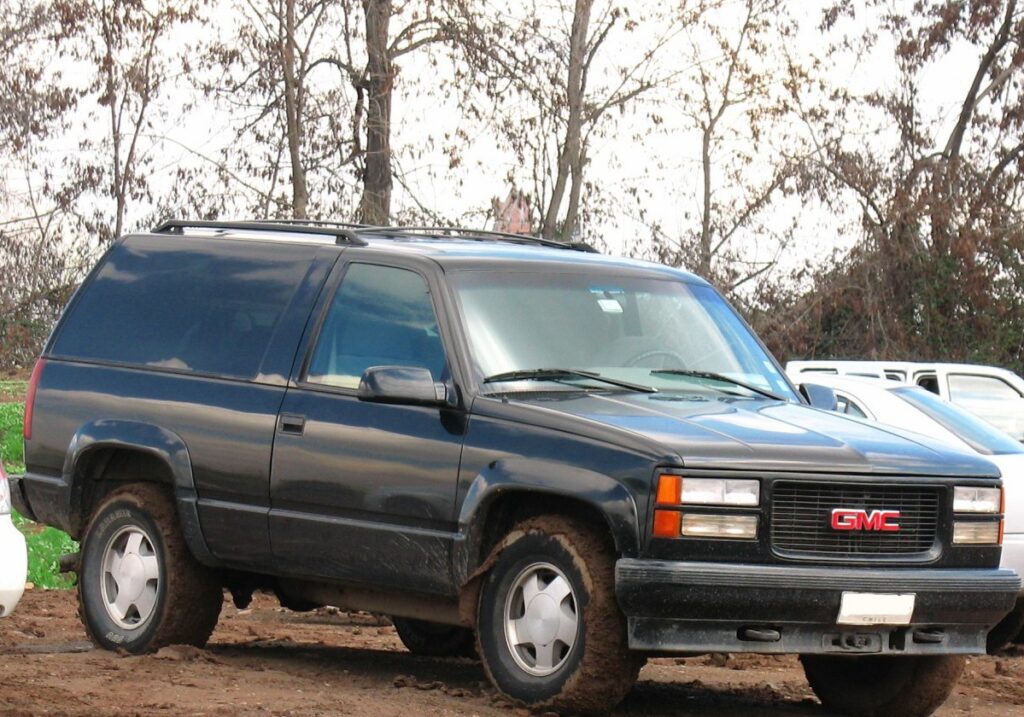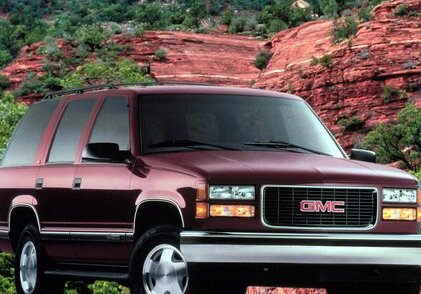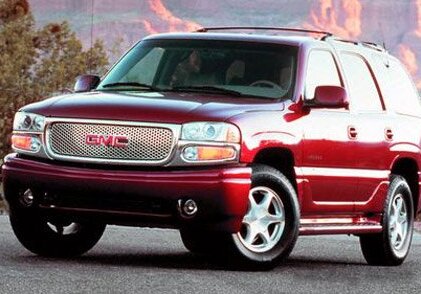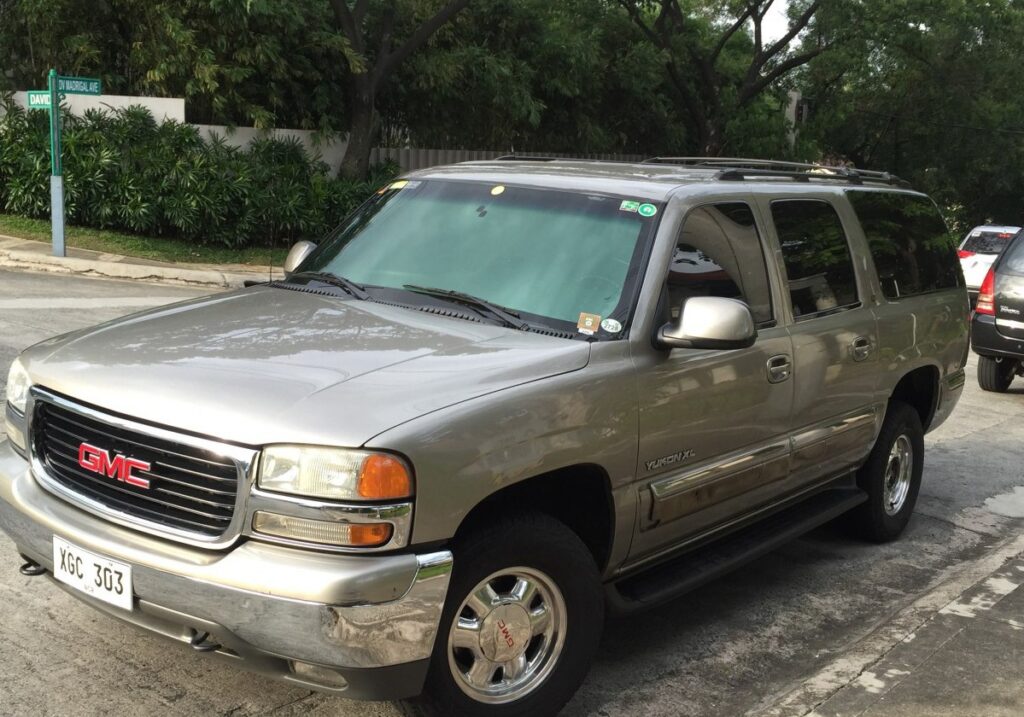
The GMC Yukon XL II, specifically the 1500 model equipped with the 5.3-liter V8 engine and four-wheel drive paired with an automatic transmission, represents a significant iteration in GMC’s full-size SUV lineup. Produced from 2000 to 2006 as part of the GMT800 platform generation, this variant aimed to provide a blend of spaciousness, capability, and relative affordability within the Yukon family. The “XL” designation denoted the extended-length wheelbase, offering substantially increased cargo capacity compared to the standard Yukon. This particular 5.3L/4WD/Automatic configuration occupied a middle ground in the Yukon XL II lineup, positioned between the base 4.8L V8 models and the more powerful 6.0L V8 options.
Technical Specifications
| Brand | GMC |
| Model | Yukon XL II |
| Generation | GMT800 |
| Type | 1500 5.3 V8 (285 Hp) 4WD Automatic |
| Start of production | 2000 |
| End of production | 2006 |
| Powertrain Architecture | Internal Combustion Engine |
| Body type | SUV |
| Seats | 5-9 |
| Doors | 5 |
| Fuel consumption (urban) | 16.8 l/100 km (14 US mpg) |
| Fuel consumption (extra urban) | 13.1 l/100 km (18 US mpg) |
| Fuel Type | Petrol (Gasoline) |
| Maximum speed | 156 km/h (96.93 mph) |
| Weight-to-power ratio | 8.4 kg/Hp |
| Weight-to-torque ratio | 5.4 kg/Nm |
| Power | 285 Hp @ 5200 rpm |
| Torque | 441 Nm @ 4000 rpm (325.26 lb.-ft. @ 4000 rpm) |
| Engine layout | Front, Longitudinal |
| Engine displacement | 5327 cm3 (325.07 cu. in.) |
| Number of cylinders | 8 |
| Engine configuration | V-engine |
| Cylinder Bore | 96 mm (3.78 in.) |
| Piston Stroke | 92 mm (3.62 in.) |
| Compression ratio | 9.5:1 |
| Number of valves per cylinder | 2 |
| Fuel injection system | Multi-port manifold injection |
| Engine aspiration | Naturally aspirated |
| Engine oil capacity | 5.7 l (6.02 US qt) |
| Coolant capacity | 15.8 l (16.7 US qt) |
| Kerb Weight | 2400 kg (5291.09 lbs.) |
| Max. weight | 3266 kg (7200.3 lbs.) |
| Max load | 866 kg (1909.2 lbs.) |
| Trunk (boot) space (min) | 1294 l (45.7 cu. ft.) |
| Trunk (boot) space (max) | 3726 l (131.58 cu. ft.) |
| Fuel tank capacity | 123 l (32.49 US gal) |
| Permitted trailer load (12%) | 3357-5443 kg (7400.92 – 11999.76 lbs.) |
| Length | 5570 mm (219.29 in.) |
| Width | 2002 mm (78.82 in.) |
| Height | 1923 mm (75.71 in.) |
| Wheelbase | 3302 mm (130 in.) |
| Front track | 1651 mm (65 in.) |
| Rear track | 1676 mm (65.98 in.) |
| Drivetrain | All wheel drive (4×4) |
| Number of gears | 4 |
| Gearbox type | Automatic transmission |
| Front suspension | Independent coil spring, Torsion |
| Rear suspension | Independent multi-link suspension, Coil spring |
| Front brakes | Disc |
| Rear brakes | Drum |
| Assisting systems | ABS (Anti-lock braking system) |
| Power steering | Hydraulic |
| Tires size | 245/75 R16 |
| Wheel rims size | 7J x 16 |
Powertrain & Engine Architecture
At the heart of the Yukon XL II 1500 was the 5.3-liter (325 cubic inch) Small-Block Chevrolet V8 engine, specifically the LM7 variant. This engine, a member of the Vortec family, was known for its robust construction and relatively simple design. It featured a cast iron block with aluminum cylinder heads, two valves per cylinder, and a multi-port fuel injection system. The LM7 produced 285 horsepower at 5200 rpm and 325 lb-ft of torque at 4000 rpm. The engine’s longitudinal mounting and the standard four-speed automatic transmission (typically the 4L60E) delivered power to all four wheels via a transfer case. The 4L60E, while generally reliable, was sometimes criticized for its relatively conservative gear ratios, which could impact acceleration and fuel economy.
Driving Characteristics
The Yukon XL II 1500 with the 5.3L V8 and automatic transmission offered a comfortable, if not particularly sporty, driving experience. Acceleration was adequate for everyday driving and towing, but it wasn’t as brisk as the models equipped with the larger 6.0L engine. The automatic transmission provided smooth shifts, but could sometimes feel hesitant during quick acceleration maneuvers. The four-wheel drive system offered enhanced traction in inclement weather and on unpaved surfaces. The extended wheelbase of the XL model contributed to a more stable ride, but also made the vehicle feel larger and less nimble in tight spaces. The weight of the vehicle, around 5,300 pounds, was noticeable, especially when braking.
Equipment & Trim Levels
The Yukon XL II 1500 5.3L 4WD typically came standard with features such as air conditioning, power windows and locks, a CD player, and cloth upholstery. Higher trim levels, such as the SLT, added features like leather upholstery, heated seats, a premium sound system, and automatic climate control. Optional extras included a sunroof, a navigation system, and rear-seat entertainment. The interior design was functional and spacious, with seating for up to nine passengers depending on the configuration. The extended length of the XL model provided a significant amount of cargo space, making it ideal for families and those who frequently haul large items.
Chassis & Braking
The GMT800 platform utilized a body-on-frame construction, providing a robust and durable chassis. The front suspension featured independent coil springs and torsion bars, while the rear suspension employed an independent multi-link setup with coil springs. This suspension configuration aimed to balance ride comfort with handling stability. Braking duties were handled by disc brakes at the front and drum brakes at the rear. Anti-lock brakes (ABS) were standard equipment. The Yukon XL II 1500’s relatively heavy weight necessitated a capable braking system, but stopping distances were not as short as those of lighter vehicles.
Market Reception & Comparison
The Yukon XL II 1500 5.3L 4WD was generally well-received by critics and consumers alike. It was praised for its spacious interior, comfortable ride, and strong towing capacity. However, some reviewers noted that the fuel economy was relatively poor, and the handling was not as precise as that of some competing SUVs. Compared to the 4.8L V8 models, the 5.3L offered a noticeable improvement in performance. Compared to the 6.0L V8 models, it provided a more affordable price point, albeit with less power. The Yukon XL II competed with other full-size SUVs such as the Chevrolet Suburban, Ford Expedition, and Toyota Sequoia.
Legacy
The GMT800 Yukon XL II, and specifically the 5.3L V8/4WD/Automatic combination, has proven to be a relatively reliable vehicle in the used car market. The LM7 engine is known for its durability, and the 4L60E transmission, while sometimes requiring maintenance, is generally serviceable. Common issues include oil leaks, sensor failures, and wear and tear on suspension components. Today, these vehicles are often sought after by those looking for a spacious, capable, and affordable SUV. Their robust construction and readily available parts make them a popular choice for those who need a vehicle that can handle a variety of tasks, from daily commuting to towing and hauling.