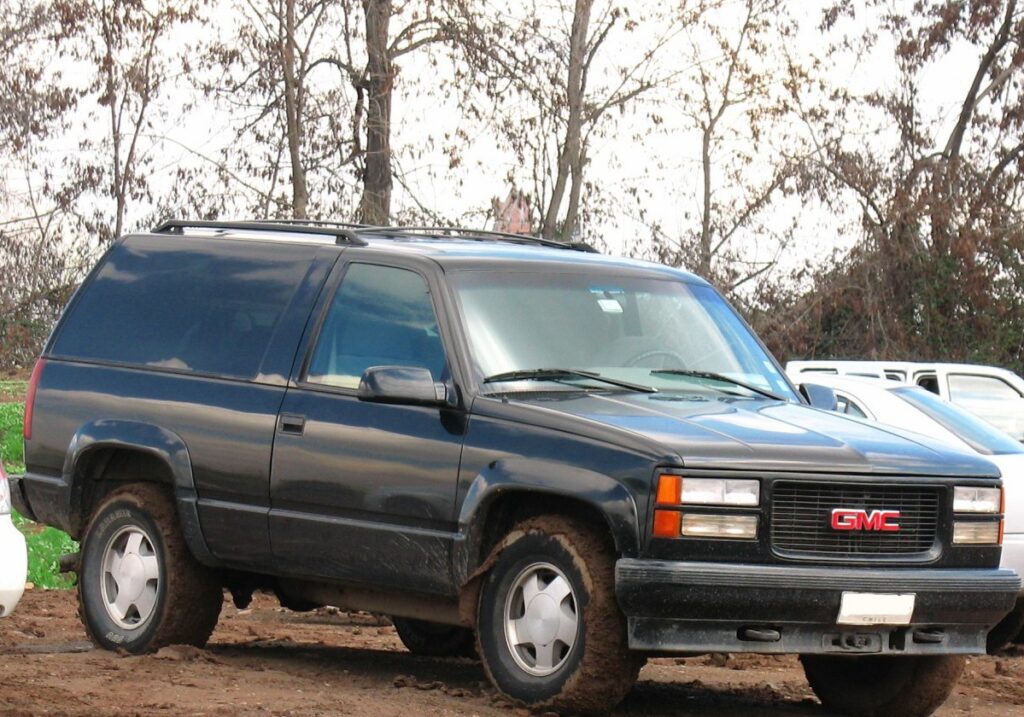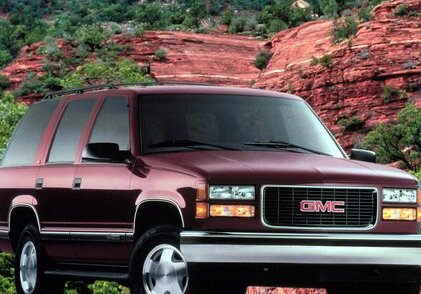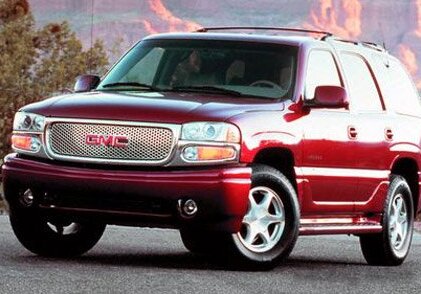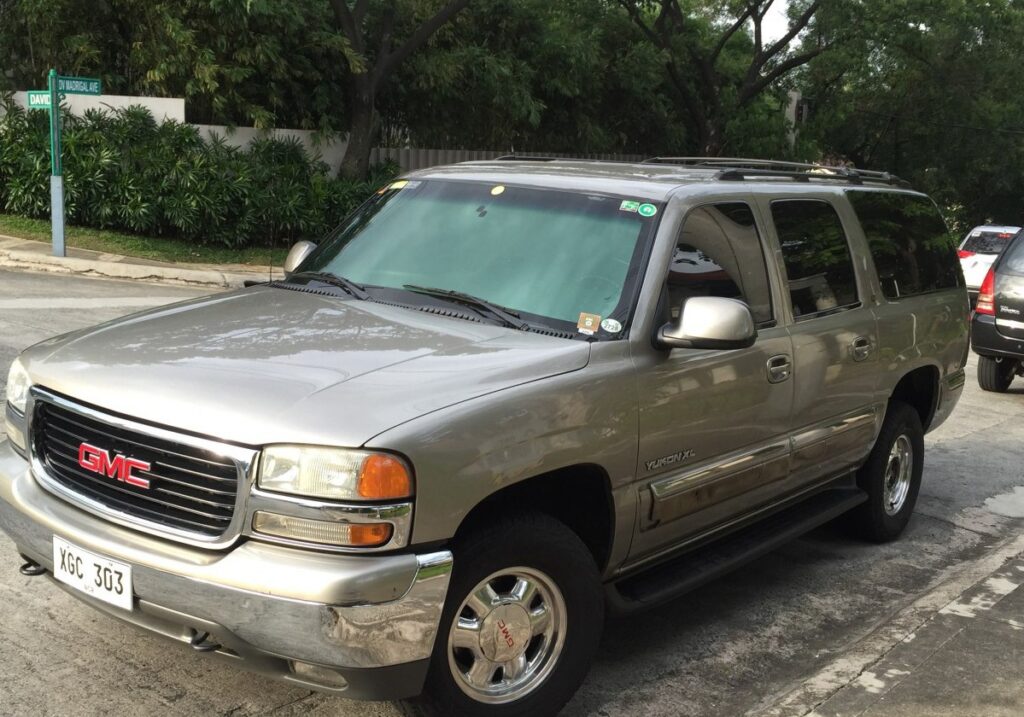
The GMC Yukon XL II, produced from 2000 to 2006, represents the second generation of the extended-length Yukon, built on the GMT800 platform. This generation brought substantial improvements in interior space, overall refinement, and powertrain options compared to its predecessor. The 1500 series, equipped with the 6.0-liter V8 engine and a four-speed automatic transmission, struck a balance between capability, comfort, and affordability within the Yukon XL II lineup. It was positioned as an upgrade from the base 5.3L V8 models, appealing to buyers who required more power for towing or hauling, while remaining more accessible than the luxury-focused Denali trim.
Technical Specifications
| Brand | GMC |
| Model | Yukon XL II |
| Generation | GMT800 |
| Type | 1500 6.0 V8 Automatic |
| Production Years | 2000-2006 |
| Powertrain | Internal Combustion Engine |
| Body Type | SUV |
| Seats | 5-9 |
| Doors | 5 |
| Fuel Type | Petrol (Gasoline) |
| Weight-to-Power Ratio | 7.3 kg/Hp |
| Power-to-Weight Ratio | 136.4 Hp/tonne |
| Weight-to-Torque Ratio | 4.8 kg/Nm |
| Torque-to-Weight Ratio | 208.2 Nm/tonne |
| Power | 315 Hp @ 4800 rpm |
| Power per Liter | 52.8 Hp/l |
| Torque | 481 Nm @ 4000 rpm (354.77 lb.-ft. @ 4000 rpm) |
| Engine Layout | Front, Longitudinal |
| Engine Displacement | 5967 cm3 (364.13 cu. in.) |
| Number of Cylinders | 8 |
| Engine Configuration | V-engine |
| Cylinder Bore | 101.6 mm (4 in.) |
| Piston Stroke | 92 mm (3.62 in.) |
| Compression Ratio | 9.4:1 |
| Valves per Cylinder | 2 |
| Fuel Injection | Multi-port manifold injection |
| Engine Aspiration | Naturally Aspirated |
| Engine Oil Capacity | 5.7 l (6.02 US qt | 5.02 UK qt) |
| Coolant Capacity | 15.3 l (16.17 US qt | 13.46 UK qt) |
| Kerb Weight | 2310 kg (5092.68 lbs.) |
| Max. Weight | 3175 kg (6999.68 lbs.) |
| Max Load | 865 kg (1907 lbs.) |
| Trunk Space (min) | 1294 l (45.7 cu. ft.) |
| Trunk Space (max) | 3726 l (131.58 cu. ft.) |
| Fuel Tank Capacity | 123 l (32.49 US gal | 27.06 UK gal) |
| Length | 5570 mm (219.29 in.) |
| Width | 2002 mm (78.82 in.) |
| Height | 1923 mm (75.71 in.) |
| Wheelbase | 3302 mm (130 in.) |
| Front Track | 1651 mm (65 in.) |
| Rear Track | 1676 mm (65.98 in.) |
| Drivetrain | Rear Wheel Drive |
| Gearbox | 4-speed Automatic |
| Front Suspension | Independent Coil Spring, Torsion |
| Rear Suspension | Independent Multi-link, Coil Spring |
| Front Brakes | Ventilated Discs |
| Rear Brakes | Discs |
| Safety Features | ABS |
| Steering | Hydraulic Power Steering |
| Tire Size | 245/75 R16 |
| Wheel Size | 7J x 16 |
Powertrain & Engine Architecture
The Yukon XL II 1500’s powertrain centered around the 6.0-liter Vortec V8 engine (5967 cm3). This engine, part of General Motors’ Vortec family, was renowned for its robust construction and relatively straightforward design. It featured a cast iron block paired with aluminum cylinder heads, a 9.4:1 compression ratio, and a multi-port fuel injection system. The engine code most commonly associated with this configuration is LQ4. The Vortec engines were engineered to deliver substantial low-end torque, making them ideally suited for tasks like towing and hauling. The standard transmission was a four-speed 4L60-E automatic. While generally reliable, this transmission sometimes faced criticism for its somewhat conservative gear ratios, which prioritized fuel efficiency over maximizing performance. It incorporated electronic control for smoother shifting and adaptive learning capabilities to tailor shifts to driving style.
Driving Characteristics
The combination of the 6.0L V8 and the 4L60-E automatic transmission in the Yukon XL II delivered adequate, though not particularly sporty, performance. Acceleration from a standstill to 60 mph typically took around 8 to 9 seconds. The focus was on practicality and towing capacity rather than exhilarating driving dynamics. The automatic transmission’s gear ratios were optimized to maintain lower engine speeds during highway cruising, contributing to reasonable fuel economy for a vehicle of its size. Compared to the 5.3L V8 models, the 6.0L offered a noticeable power increase, especially when the vehicle was fully loaded or towing a trailer. However, it didn’t quite match the responsiveness of Yukon XL II models equipped with the optional 6.0L High Output engine.
Equipment & Trim Levels
The Yukon XL II 1500 with the 6.0L V8 typically came standard with features such as air conditioning, power windows and locks, a CD player, and cloth upholstery. Higher trim levels, like the SLT, added amenities like leather upholstery, heated seats, a premium sound system, and alloy wheels. Optional extras included a DVD entertainment system for rear passengers, a sunroof, and a navigation system. The extended length of the XL II provided a significantly larger cargo area behind the third-row seats compared to the standard Yukon, making it a popular choice for families and individuals who frequently needed to transport bulky items.
Chassis & Braking
The GMT800 platform employed a body-on-frame construction, providing a robust and durable chassis. The Yukon XL II 1500 featured an independent coil spring suspension in the front and an independent multi-link suspension with coil springs in the rear. This suspension setup aimed to strike a balance between ride comfort and handling stability. Braking was handled by ventilated discs at all four corners, with ABS included as standard equipment. The braking system was generally considered sufficient for the vehicle’s weight, though it wasn’t exceptionally powerful. The inclusion of rear disc brakes was a step up from the drum brakes found on some of the lower trim levels.
Market Reception & Comparison
The Yukon XL II 1500 6.0L V8 was generally well-received by both automotive critics and consumers. It was praised for its spacious interior, comfortable ride quality, and strong towing capabilities. However, some reviewers pointed out the relatively conservative styling and the somewhat dated interior design when compared to newer SUVs available at the time. Fuel economy was also a frequent point of criticism, although it was typical for a full-size SUV of that era. Compared to the 5.3L V8 models, the 6.0L offered a substantial performance improvement, but came at a higher purchase price. The 6.0L High Output version delivered even more power, but was typically reserved for higher trim levels and was more expensive to maintain.
Legacy
The GMT800 Yukon XL II, particularly the 6.0L V8 models, has maintained a reasonable level of popularity in the used car market. The Vortec 6.0L engine is known for its durability and relatively simple maintenance requirements. However, prospective buyers should be aware of potential issues such as oil leaks, intake manifold gasket failures, and possible transmission problems. Overall, the Yukon XL II 1500 6.0L V8 remains a capable and reliable full-size SUV, offering good value for those seeking a spacious and powerful vehicle for family transportation or towing needs.