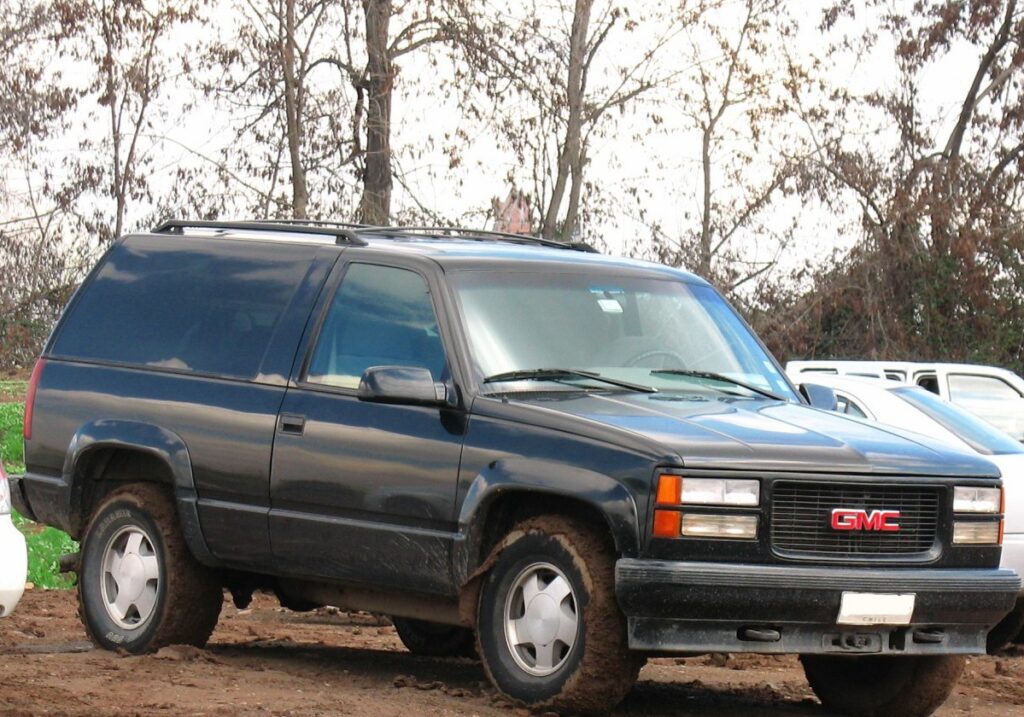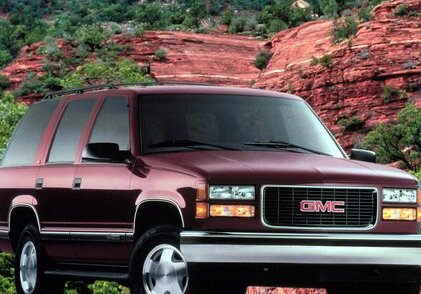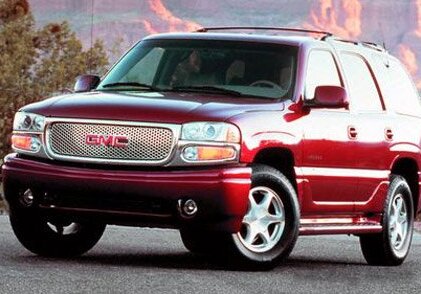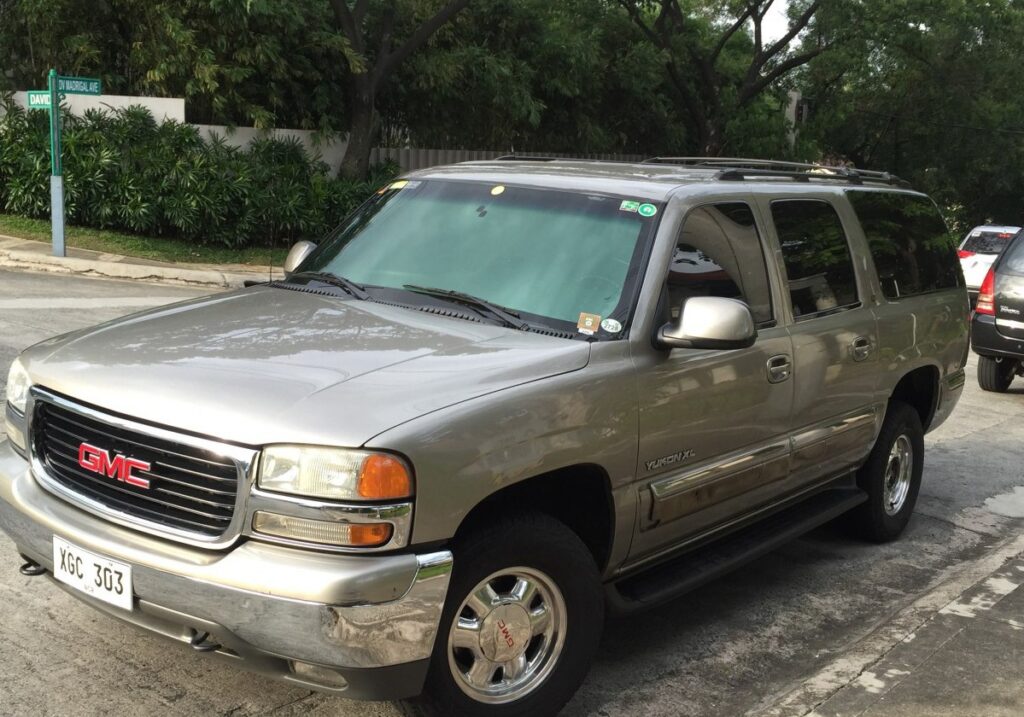
The GMC Yukon XL II (GMT800) 1500 Denali 6.0 V8 4WD Automatic, produced from 2001 to 2006, represents a significant iteration of GMC’s full-size SUV offering. Part of the GMT800 platform generation, the Yukon XL II aimed to provide substantial interior space and towing capacity, catering to families and those requiring a versatile vehicle for both daily driving and recreational pursuits. The Denali trim, introduced in 1999, signified GMC’s premium sub-brand, offering a more luxurious experience compared to the base Yukon XL models. This particular configuration, with the 6.0-liter V8 engine and four-speed automatic transmission, positioned itself as a powerful and capable option within the Yukon XL lineup, appealing to buyers who prioritized performance and all-weather capability.
Technical Specifications
| Brand | GMC |
| Model | Yukon XL II |
| Generation | GMT800 |
| Type | 1500 Denali 6.0 V8 (320 Hp) 4WD Automatic |
| Start of production | 2001 |
| End of production | 2006 |
| Powertrain Architecture | Internal Combustion Engine |
| Body type | SUV |
| Seats | 7-8 |
| Doors | 5 |
| Fuel consumption (urban) | 19.6 l/100 km (12 US mpg) |
| Fuel consumption (extra urban) | 15 l/100 km (15.7 US mpg) |
| Fuel Type | Petrol (Gasoline) |
| Power | 320 Hp @ 5000 rpm |
| Torque | 495 Nm @ 4000 rpm (365.09 lb.-ft. @ 4000 rpm) |
| Engine layout | Front, Longitudinal |
| Engine displacement | 5967 cm3 (364.13 cu. in.) |
| Number of cylinders | 8 |
| Engine configuration | V-engine |
| Cylinder Bore | 101.6 mm (4 in.) |
| Piston Stroke | 92 mm (3.62 in.) |
| Compression ratio | 9.4:1 |
| Number of valves per cylinder | 2 |
| Fuel injection system | Multi-port manifold injection |
| Engine aspiration | Naturally aspirated |
| Engine oil capacity | 5.7 l (6.02 US qt | 5.02 UK qt) |
| Coolant capacity | 15.3 l (16.17 US qt | 13.46 UK qt) |
| Max. weight | 3266 kg (7200.3 lbs.) |
| Trunk (boot) space – minimum | 1294 l (45.7 cu. ft.) |
| Trunk (boot) space – maximum | 3726 l (131.58 cu. ft.) |
| Fuel tank capacity | 117 l (30.91 US gal | 25.74 UK gal) |
| Permitted trailer load with brakes (12%) | 3629 kg (8000.58 lbs.) |
| Length | 5570 mm (219.29 in.) |
| Width | 2002 mm (78.82 in.) |
| Height | 1923 mm (75.71 in.) |
| Wheelbase | 3302 mm (130 in.) |
| Front track | 1651 mm (65 in.) |
| Rear track | 1676 mm (65.98 in.) |
| Drivetrain | All wheel drive (4×4) |
| Number of gears | 4 |
| Gearbox type | Automatic transmission |
| Front suspension | Independent coil spring, Torsion |
| Rear suspension | Independent multi-link suspension, Coil spring |
| Front brakes | Ventilated discs |
| Rear brakes | Disc |
| Assisting systems | ABS (Anti-lock braking system), Hydraulic Power Steering |
| Tire size | 245/75 R16 |
| Wheel rim size | 7J x 16 |
Powertrain & Engine Architecture
The heart of the Yukon XL II Denali was the 6.0-liter Vortec 5967 V8 engine. This engine, part of GM’s Vortec family, featured a cast iron block and aluminum cylinder heads. It utilized a multi-port fuel injection system, delivering fuel directly to each cylinder for optimized combustion. The engine produced 320 horsepower at 5000 rpm and 495 Nm (365 lb-ft) of torque at 4000 rpm. The 4L60-E four-speed automatic transmission was the standard pairing for this engine. This transmission was known for its durability and smooth shifting, although it wasn’t as fuel-efficient as more modern transmissions. The 4L60-E featured electronic control for optimized shift points based on driving conditions. The engine’s longitudinal front-engine layout contributed to a balanced weight distribution, enhancing handling and stability.
Driving Characteristics
The 6.0-liter V8 and four-speed automatic combination provided ample power for towing and hauling, making the Yukon XL II Denali a capable workhorse. Acceleration was brisk, though not particularly sporty, with a 0-60 mph time estimated around 7.5-8.5 seconds. The automatic transmission’s gear ratios were tuned for torque delivery, prioritizing usability over outright performance. Compared to the smaller 5.3-liter V8 offered in other Yukon XL trims, the 6.0-liter provided a noticeable increase in power and towing capacity. However, it came at the cost of slightly lower fuel economy. Compared to manual transmission equipped models (which were rare in this segment), the automatic offered convenience and ease of use, but sacrificed some driver control and fuel efficiency.
Equipment & Trim Levels
The Denali trim level was the most luxurious offering in the Yukon XL lineup. Standard features included leather upholstery, heated front seats, a premium Bose audio system, tri-zone climate control, and power-adjustable pedals. The interior featured woodgrain trim and chrome accents, enhancing the upscale feel. Optional extras included a rear entertainment system with a DVD player, a sunroof, and upgraded wheels. The Denali also featured unique exterior styling cues, such as a distinctive grille and body-colored cladding.
Chassis & Braking
The GMT800 platform utilized a body-on-frame construction, providing a robust and durable chassis. The Yukon XL II Denali featured an independent coil spring front suspension and an independent multi-link rear suspension, offering a comfortable ride quality. Four-wheel disc brakes with ABS provided ample stopping power. The 4WD system was electronically controlled, allowing the driver to switch between 2WD, 4HI, and 4LO modes for optimal traction in various conditions. Stabilizer bars were fitted to both the front and rear suspensions to reduce body roll during cornering.
Market Reception & Comparison
The Yukon XL II Denali was generally well-received by critics and consumers alike. It was praised for its spacious interior, powerful engine, and luxurious features. However, its fuel economy was a common criticism, particularly compared to newer SUVs with more advanced engine technology. Compared to competitors like the Chevrolet Suburban and Ford Expedition, the Yukon XL II Denali offered a similar level of capability and luxury, with the Denali trim providing a more upscale experience than many of its rivals. The 6.0-liter V8 was considered a reliable engine, although regular maintenance was essential to prevent issues like oil consumption.
Legacy
The GMT800 Yukon XL II Denali remains a popular choice in the used car market, particularly among those seeking a large, capable SUV with a luxurious interior. The 6.0-liter V8 engine, while not the most fuel-efficient, is known for its durability and relatively straightforward maintenance. Common issues include oil leaks and occasional transmission problems, but these are generally manageable with proper care. The Denali trim continues to hold its value well, reflecting its premium features and reputation for reliability. The Yukon XL II Denali represents a significant chapter in GMC’s history, establishing the Denali sub-brand as a benchmark for luxury and capability in the full-size SUV segment.