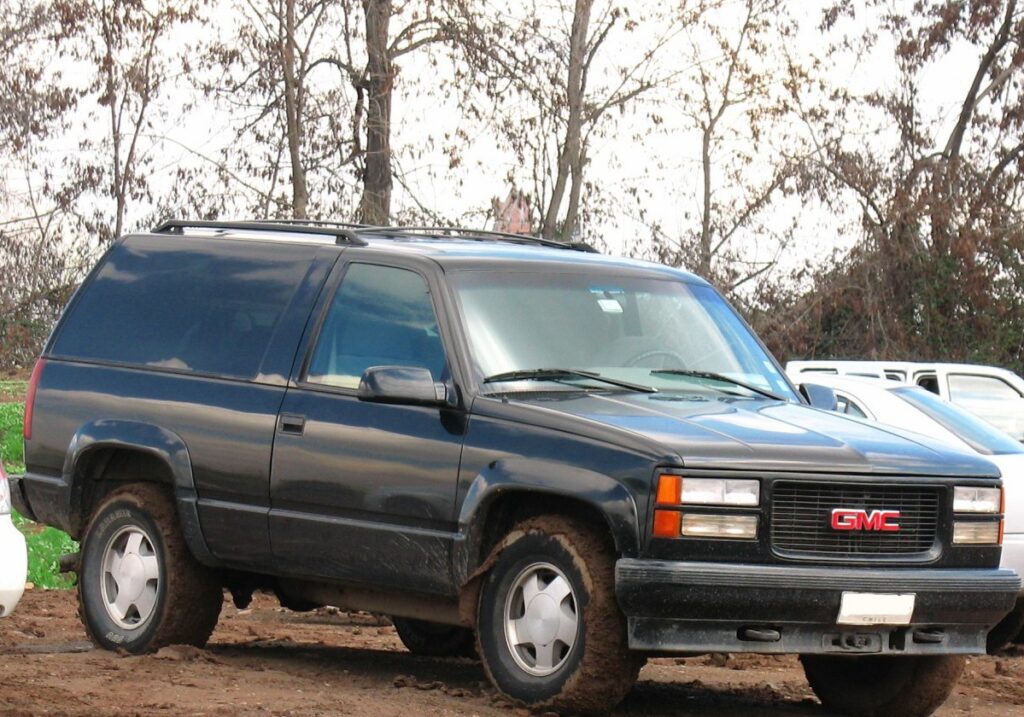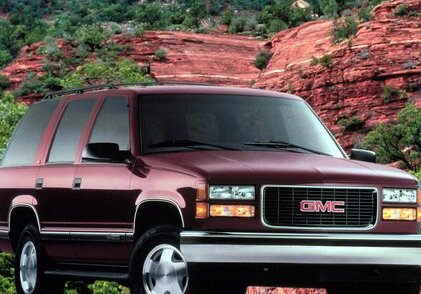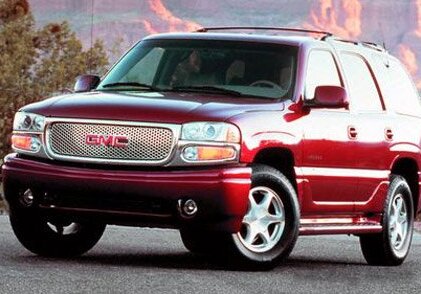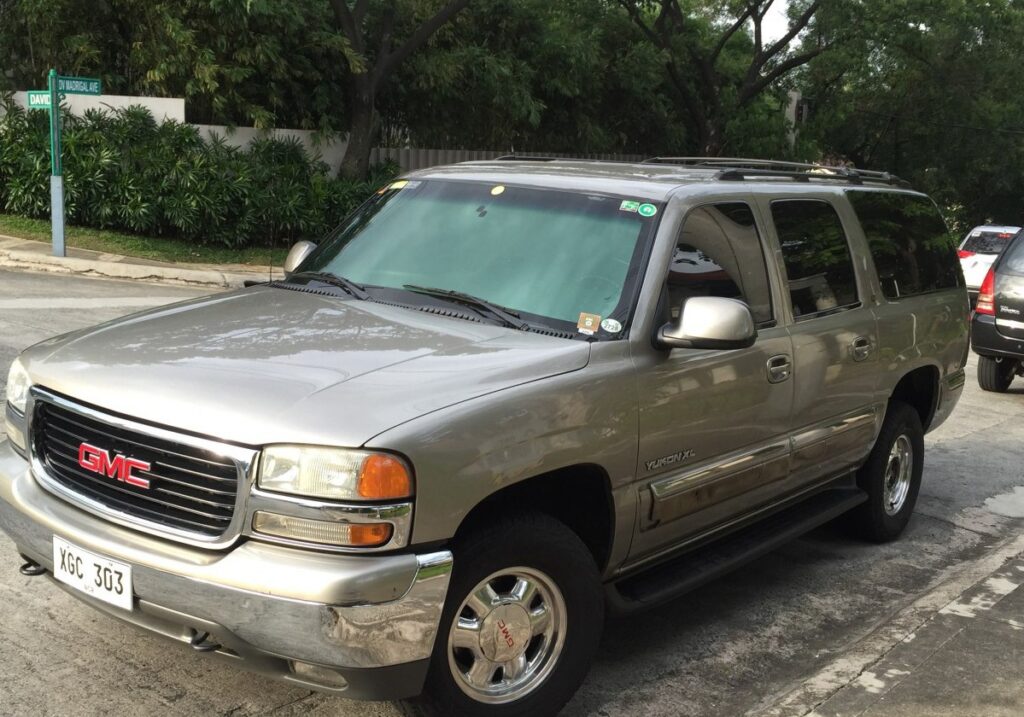
The GMC Yukon XL II, specifically the 2500 model equipped with the 8.1-liter V8 engine and four-wheel drive paired with an automatic transmission, represents a significant iteration in GMC’s full-size SUV lineup. Produced from 2001 to 2006 as part of the GMT800 platform generation, this variant catered to buyers needing substantial towing capacity and interior space. It occupied the upper echelon of the Yukon XL II range, positioned above the 1500 series and offering a more robust solution for those requiring heavy-duty capabilities. This model was primarily sold in the North American market, appealing to families, contractors, and anyone needing a large, powerful SUV.
Technical Specifications
| Brand | GMC |
| Model | Yukon XL II |
| Generation | GMT800 |
| Type | 2500 8.1 V8 (340 Hp) 4WD Automatic |
| Start of production | 2001 |
| End of production | 2006 |
| Powertrain Architecture | Internal Combustion Engine |
| Body type | SUV |
| Seats | 9 |
| Doors | 5 |
| Fuel Type | Petrol (Gasoline) |
| Weight-to-power ratio | 11.5 kg/Hp, 87.2 Hp/tonne |
| Weight-to-torque ratio | 6.3 kg/Nm, 158.2 Nm/tonne |
| Power | 340 Hp @ 4200 rpm |
| Power per litre | 41.8 Hp/l |
| Torque | 617 Nm @ 3200 rpm (455.08 lb.-ft. @ 3200 rpm) |
| Engine layout | Front, Longitudinal |
| Engine Model/Code | L18 |
| Engine displacement | 8135 cm3 (496.43 cu. in.) |
| Number of cylinders | 8 |
| Engine configuration | V-engine |
| Cylinder Bore | 108 mm (4.25 in.) |
| Piston Stroke | 111 mm (4.37 in.) |
| Compression ratio | 9.1:1 |
| Number of valves per cylinder | 2 |
| Fuel injection system | Multi-port manifold injection |
| Engine aspiration | Naturally aspirated |
| Engine oil capacity | 6.1 l (6.45 US qt | 5.37 UK qt) |
| Coolant capacity | 25.5 l (26.95 US qt | 22.44 UK qt) |
| Kerb Weight | 3900 kg (8598.03 lbs.) |
| Max. weight | 4580 kg (10097.17 lbs.) |
| Max load | 680 kg (1499.14 lbs.) |
| Trunk (boot) space – minimum | 1294 l (45.7 cu. ft.) |
| Trunk (boot) space – maximum | 3726 l (131.58 cu. ft.) |
| Fuel tank capacity | 146 l (38.57 US gal | 32.12 UK gal) |
| Length | 5570 mm (219.29 in.) |
| Width | 2002 mm (78.82 in.) |
| Height | 1923 mm (75.71 in.) |
| Wheelbase | 3302 mm (130 in.) |
| Front track | 1651 mm (65 in.) |
| Rear track | 1676 mm (65.98 in.) |
| Drivetrain Architecture | All wheel drive (4×4) |
| Number of gears | 4 |
| Gearbox type | Automatic transmission |
| Front suspension | Independent multi-link, Torsion |
| Rear suspension | Independent multi-link, Coil spring |
| Front brakes | Ventilated discs |
| Rear brakes | Disc |
| Assisting systems | ABS (Anti-lock braking system) |
| Power steering | Hydraulic |
| Tires size | 245/75 R16 |
| Wheel rims size | 7J x 16 |
Powertrain & Engine Architecture
The heart of the Yukon XL II 2500 was the 8.1-liter (496 cubic inch) Vortec L18 V8 engine. This engine, a member of the Vortec family, was renowned for its robust construction and substantial torque output. It featured a cast iron block and cylinder heads, contributing to its durability. The L18 utilized a multi-port fuel injection system, delivering fuel to each cylinder individually for optimized combustion. The engine’s valvetrain employed two valves per cylinder, operated by a hydraulic lifter camshaft. The 4L80-E four-speed automatic transmission was the standard pairing for this engine. This transmission was chosen for its ability to handle the high torque output of the 8.1L V8 and provide smooth, reliable shifting. The transmission featured electronic control for optimized shift points and performance.
Driving Characteristics
The combination of the 8.1-liter V8 and the 4L80-E automatic transmission resulted in a driving experience focused on effortless power and towing capability. While not designed for sporty acceleration, the Yukon XL II 2500 delivered strong low-end torque, making it ideal for hauling heavy loads or navigating challenging terrain. The automatic transmission’s gear ratios were optimized for towing, providing ample power in lower gears and comfortable cruising at highway speeds. Compared to the 6.0L V8 or the diesel options available in the Yukon XL II lineup, the 8.1L offered the highest horsepower and a distinct torque curve, prioritizing brute force over fuel efficiency. The 4WD system provided enhanced traction in slippery conditions, making it a capable all-weather vehicle.
Equipment & Trim Levels
The Yukon XL II 2500 8.1L 4WD typically came with a substantial list of standard features, reflecting its premium positioning. These included air conditioning, power windows and locks, a CD player, and cloth upholstery. Higher trim levels, such as the Denali, added features like leather upholstery, heated seats, a premium sound system, and exterior chrome accents. Optional extras included a navigation system, a sunroof, and rear-seat entertainment systems. The interior was designed with practicality in mind, offering ample space for passengers and cargo. The extended length of the XL II provided a significantly larger cargo area compared to the standard Yukon.
Chassis & Braking
The GMT800 platform utilized a body-on-frame construction, providing a robust and durable chassis. The Yukon XL II 2500 featured a heavy-duty suspension system designed to handle the increased weight and payload capacity. Front suspension consisted of an independent multi-link setup with torsion bars, while the rear utilized an independent multi-link suspension with coil springs. Braking duties were handled by ventilated discs at all four corners, providing adequate stopping power for the vehicle’s weight. An Anti-lock Braking System (ABS) was standard, enhancing safety and control during emergency braking situations. Hydraulic power steering provided responsive and effortless steering control.
Market Reception & Comparison
The Yukon XL II 2500 8.1L 4WD was generally well-received by critics and consumers alike, particularly those needing a heavy-duty SUV. While fuel economy was a concern – typical figures hovered around 12-15 mpg in combined driving – the vehicle’s towing capacity and spacious interior were highly praised. Compared to the 6.0L V8 Yukon XL II, the 8.1L offered superior towing capability but at the expense of fuel efficiency. The diesel options provided better fuel economy but often came with a higher initial cost. Reliability was generally good, although the 8.1L engine’s size and complexity could lead to higher maintenance costs over time.
Legacy
Today, the GMC Yukon XL II 2500 8.1L 4WD holds a niche position in the used car market. Its robust powertrain and spacious interior continue to appeal to buyers needing a capable and reliable SUV. While fuel economy remains a drawback, the vehicle’s durability and towing capacity make it a desirable option for those willing to accept the higher running costs. The L18 engine, while not known for being particularly efficient, is considered a reliable powerplant when properly maintained. Parts availability is generally good, although some components may be becoming increasingly difficult to find. The Yukon XL II 2500 8.1L 4WD represents a bygone era of large, powerful SUVs, offering a unique blend of capability and space.