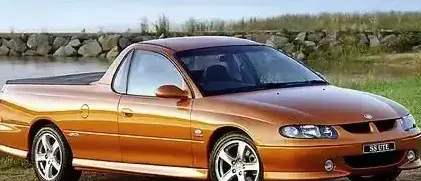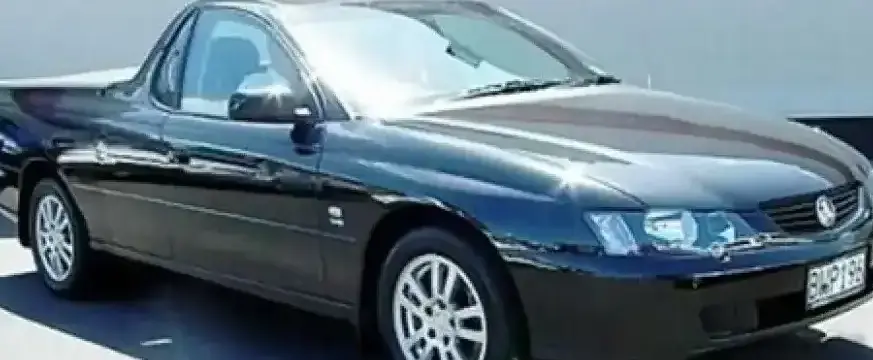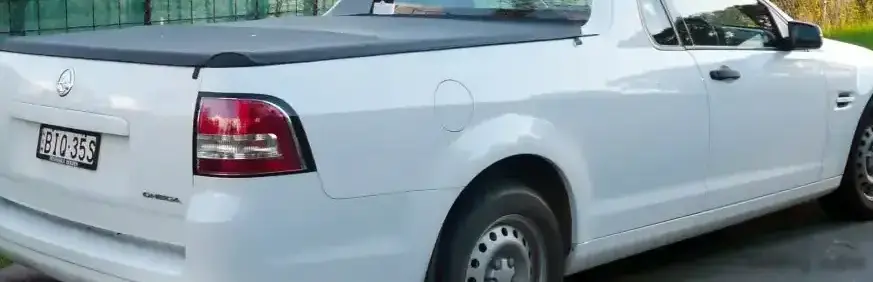
The Holden Ute II Omega 3.6 V6, produced from 2007 to 2017, represented a significant offering in the Australian automotive market. As part of the Ute II generation, this variant occupied a mid-to-high range position within the Holden Ute lineup, appealing to buyers seeking a blend of workhorse capability and respectable performance. Built on the Zeta platform, shared with the Commodore sedan and wagon, the Ute II aimed to provide a uniquely Australian take on the traditional coupe utility vehicle. This particular Omega trim level distinguished itself with a more powerful V6 engine and a generally higher level of standard equipment compared to base models.
Technical Specifications
| Brand | Holden |
| Model | Ute |
| Generation | Ute II |
| Type (Engine) | Omega 3.6 V6 (265 Hp) |
| Start of production | 2007 |
| End of production | 2017 |
| Powertrain Architecture | Internal Combustion engine |
| Body type | Pick-up |
| Seats | 2 |
| Doors | 2 |
| Fuel consumption (combined) | 11.4 l/100 km (20.6 US mpg, 24.8 UK mpg, 8.8 km/l) |
| Fuel Type | Petrol (Gasoline) |
| Weight-to-power ratio | 6.5 kg/Hp, 154.9 Hp/tonne |
| Weight-to-torque ratio | 5 kg/Nm, 198.7 Nm/tonne |
| Power | 265 Hp @ 6500 rpm |
| Power per litre | 74.4 Hp/l |
| Torque | 340 Nm @ 2600 rpm (250.77 lb.-ft. @ 2600 rpm) |
| Engine layout | Front, Longitudinal |
| Engine displacement | 3564 cm3 (217.49 cu. in.) |
| Number of cylinders | 6 |
| Engine configuration | V-engine |
| Number of valves per cylinder | 4 |
| Fuel injection system | Multi-port manifold injection |
| Engine aspiration | Naturally aspirated engine |
| Engine oil capacity | 6.5 l (6.87 US qt | 5.72 UK qt) |
| Coolant | 10 l (10.57 US qt | 8.8 UK qt) |
| Kerb Weight | 1711 kg (3772.11 lbs.) |
| Max. weight | 2505 kg (5522.58 lbs.) |
| Max load | 794 kg (1750.47 lbs.) |
| Trunk (boot) space – minimum | 1208 l (42.66 cu. ft.) |
| Length | 5055 mm (199.02 in.) |
| Width | 1899 mm (74.76 in.) |
| Height | 1497 mm (58.94 in.) |
| Wheelbase | 3009 mm (118.46 in.) |
| Front track | 1602 mm (63.07 in.) |
| Rear (Back) track | 1618 mm (63.7 in.) |
| Drivetrain Architecture | The Internal combustion engine (ICE) drives the rear wheels of the vehicle. |
| Drive wheel | Rear wheel drive |
| Number of gears and type of gearbox | 6 gears, manual transmission |
| Front suspension | Spring Strut |
| Rear suspension | Independent multi-link suspension |
| Front brakes | Ventilated discs |
| Rear brakes | Ventilated discs |
| Assisting systems | ABS (Anti-lock braking system) |
Powertrain & Engine Architecture
The heart of the Ute II Omega 3.6 V6 is the Alloy V6 engine, specifically the L77 variant. This 3.6-liter naturally aspirated V6 engine produced 265 horsepower at 6500 rpm and 340 Nm (250.77 lb-ft) of torque at 2600 rpm. The engine utilized a 60-degree V-angle and featured a cast aluminum cylinder head with four valves per cylinder. Fuel delivery was managed by a multi-port fuel injection system, providing precise fuel metering for optimal combustion. The L77 engine was known for its relatively smooth operation and linear power delivery. The standard transmission for this variant was a six-speed manual gearbox, offering precise shifts and driver engagement. While an automatic transmission was available as an option, the manual was favored by enthusiasts for its enhanced control and responsiveness.
Driving Characteristics
The Holden Ute II Omega 3.6 V6 with the six-speed manual transmission delivered a balanced driving experience. The 3.6L V6 provided ample power for both everyday driving and hauling loads. Acceleration was brisk, and the engine felt responsive throughout the rev range. The manual gearbox allowed for precise control over gear selection, enabling drivers to maximize the engine’s performance. Compared to the base four-cylinder Ute models, the Omega offered a significant performance upgrade. While not as overtly sporty as some of its rivals, the Ute II Omega provided a comfortable and capable driving experience, well-suited for both work and leisure. The rear-wheel-drive configuration contributed to a balanced chassis and predictable handling.
Equipment & Trim Levels
The Omega trim level positioned itself as a step up from the base Ute models. Standard features typically included air conditioning, a basic audio system, power windows and mirrors, and a driver’s airbag. The interior featured durable cloth upholstery and a functional dashboard layout. Optional extras available for the Omega included alloy wheels, upgraded audio systems, cruise control, and a passenger airbag. The Omega trim aimed to provide a good balance of features and value, appealing to buyers who wanted a well-equipped Ute without the premium price tag of the higher-spec SS models.
Chassis & Braking
The Ute II Omega utilized a robust chassis derived from the Commodore platform. The front suspension featured MacPherson struts, while the rear suspension employed an independent multi-link setup. This suspension configuration provided a comfortable ride and good handling characteristics. Braking duties were handled by ventilated disc brakes on all four wheels, providing ample stopping power. An Anti-lock Braking System (ABS) was standard, enhancing safety and control during emergency braking situations. The Ute II’s chassis was designed to handle the demands of both everyday driving and occasional hauling, offering a stable and predictable platform.
Market Reception & Comparison
The Holden Ute II Omega 3.6 V6 was generally well-received by Australian automotive critics. It was praised for its strong engine, comfortable ride, and practical utility. Compared to the base four-cylinder Ute models, the Omega offered a significant performance improvement. However, some critics noted that the interior was somewhat basic compared to some of its rivals. The Omega’s fuel economy of 11.4 l/100 km was considered reasonable for a vehicle of its size and performance. In terms of reliability, the L77 V6 engine proved to be generally dependable, although regular maintenance was essential. The Omega represented a compelling value proposition for buyers seeking a capable and well-equipped Ute.
Legacy
The Holden Ute II Omega 3.6 V6 holds a significant place in Australian automotive history. As one of the last locally produced Utes, it represents a bygone era of Australian manufacturing. The L77 V6 engine has proven to be a durable and reliable powerplant, and well-maintained examples continue to be sought after by enthusiasts. In the used car market, the Ute II Omega 3.6 V6 remains a popular choice for buyers seeking a practical and capable vehicle with a touch of Australian heritage. Its blend of performance, utility, and affordability ensures its continued appeal for years to come.