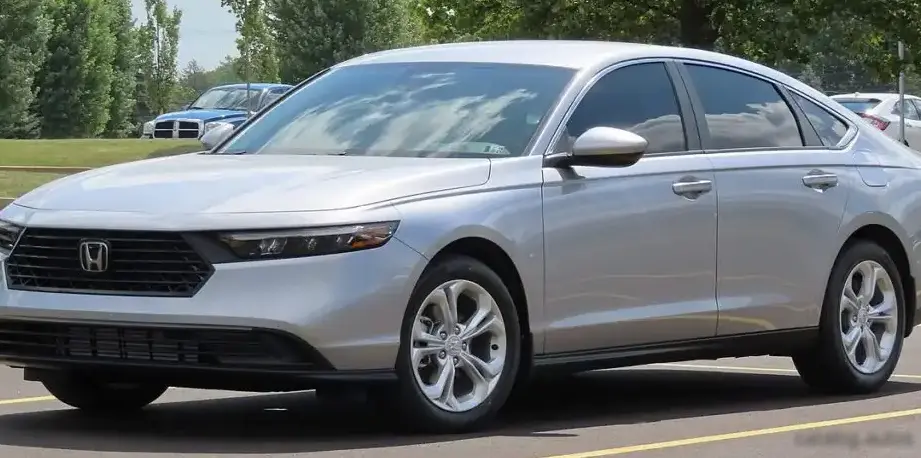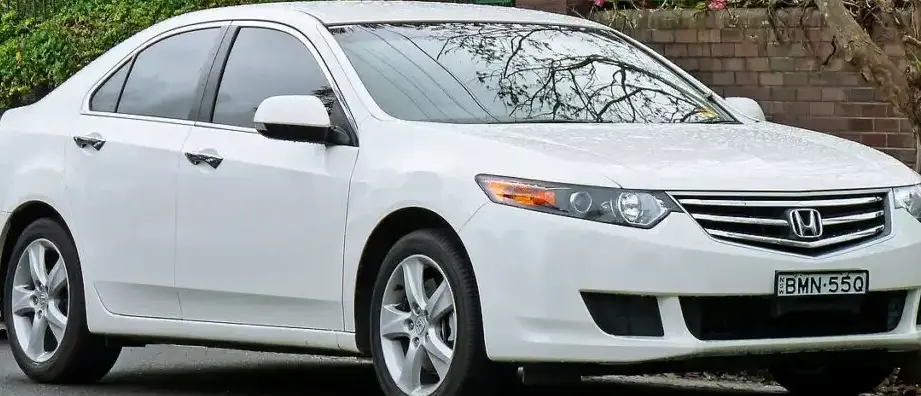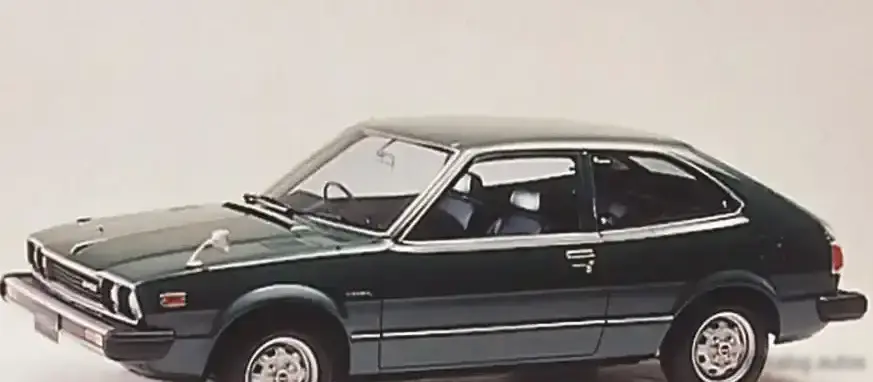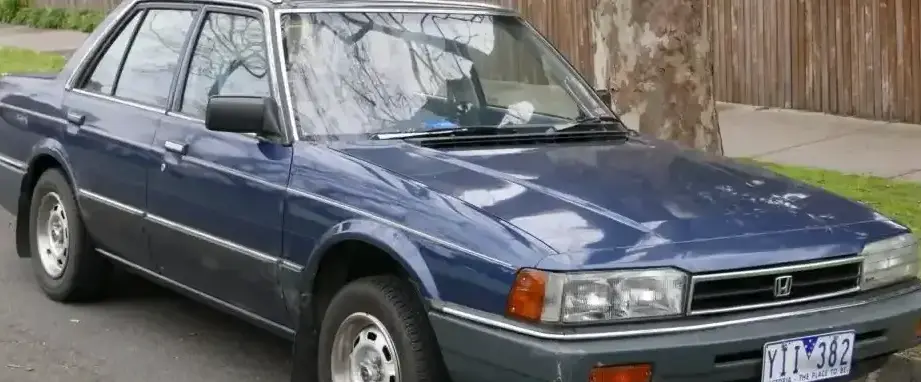
The Honda Accord II 1.6 EX (AC), produced from 1983 to 1985, represents a significant step forward for Honda in the fiercely competitive North American and Japanese automotive markets. This variant, a facelift of the AC/AD generation Accord, was positioned as a comfortable and reliable mid-range offering, bridging the gap between the base model and the more performance-oriented trims. It built upon the success of the first-generation Accord, offering increased refinement, improved fuel efficiency, and a more spacious interior. The 1.6 EX (AC) played a crucial role in establishing the Accord as a mainstream family sedan, known for its dependability and value.
Technical Specifications
| Brand | Honda |
| Model | Accord |
| Generation | Accord II (AC,AD facelift 1983) |
| Type (Engine) | 1.6 EX (AC) (88 Hp) |
| Start of production | 1983 |
| End of production | 1985 |
| Powertrain Architecture | Internal Combustion Engine |
| Body type | Sedan |
| Fuel Type | Petrol (Gasoline) |
| Power | 88 Hp |
| Engine Aspiration | Naturally Aspirated |
Powertrain & Engine Architecture
The 1.6 EX (AC) Accord was powered by Honda’s 1.6-liter, inline-four cylinder engine, designated as the A16A. This engine, a naturally aspirated unit, produced 88 horsepower at 5,600 rpm and 100 lb-ft of torque at 3,200 rpm. The A16A featured a single overhead camshaft (SOHC) valvetrain with two valves per cylinder. Fuel delivery was managed by a carburetor, a common feature for the time, though Honda was beginning to experiment with fuel injection in other models. The engine block was constructed from cast iron, while the cylinder head was made of aluminum, contributing to a relatively lightweight design. The transmission paired with the 1.6 EX was a three-speed automatic, designed for smooth and comfortable operation. This automatic transmission, while not offering the sporty feel of a manual, prioritized ease of use and fuel efficiency, appealing to a broader customer base.
Driving Characteristics
The driving experience in the 1.6 EX (AC) was characterized by its smooth and predictable nature. The 88 horsepower engine, while not particularly powerful by modern standards, provided adequate acceleration for everyday driving. The three-speed automatic transmission offered relatively quick shifts, but lacked the responsiveness of a manual gearbox. The gear ratios were tuned for fuel economy and comfortable cruising, rather than outright performance. Compared to the five-speed manual transmission available on other Accord models, the automatic version felt noticeably slower, particularly during highway passing maneuvers. However, the automatic’s ease of use made it a popular choice for commuters and drivers prioritizing convenience. The suspension, tuned for comfort, absorbed bumps and road imperfections well, providing a pleasant ride quality. Steering was light and responsive, making the Accord easy to maneuver in city traffic.
Equipment & Trim Levels
The 1.6 EX (AC) trim level offered a step up in features compared to the base model Accord. Standard equipment typically included cloth upholstery, a basic AM/FM radio, and a heater/defroster system. Power steering was often included, enhancing the driving experience. The EX trim also featured upgraded interior trim and exterior brightwork, distinguishing it from the more basic models. Optional extras available for the 1.6 EX (AC) included air conditioning, a more advanced stereo system, and upgraded wheel covers. The interior layout was functional and straightforward, with clearly labeled controls and a comfortable driving position. The dashboard featured a simple instrument cluster with a speedometer, fuel gauge, and temperature gauge.
Chassis & Braking
The Honda Accord II utilized a front-engine, front-wheel-drive layout. The chassis was a unibody construction, providing a good balance of strength and rigidity. The front suspension consisted of MacPherson struts, while the rear suspension employed a torsion beam setup. This suspension configuration provided a comfortable ride and predictable handling. Braking duties were handled by disc brakes on the front wheels and drum brakes on the rear wheels. While the drum brakes on the rear were adequate for normal driving conditions, they lacked the stopping power and fade resistance of disc brakes. The Accord II did not feature anti-lock braking system (ABS), which was still a relatively new technology at the time. Stabilizer bars were included on both the front and rear axles, helping to reduce body roll during cornering.
Market Reception & Comparison
The Honda Accord II 1.6 EX (AC) was generally well-received by automotive critics and consumers alike. It was praised for its reliability, fuel efficiency, and comfortable ride. However, some critics noted that the 88-horsepower engine was somewhat underpowered, particularly when paired with the automatic transmission. Compared to other trims in the Accord lineup, such as the 1.7L or the later fuel-injected models, the 1.6 EX (AC) offered a more affordable entry point into the Accord family. The 1.7L models provided slightly more power, while the fuel-injected versions offered improved fuel economy and performance. In terms of fuel economy, the 1.6 EX (AC) typically achieved around 25-30 mpg in combined driving, which was competitive for its time. Reliability was a major strength of the Accord II, and the 1.6 EX (AC) proved to be a durable and long-lasting vehicle.
Legacy
The Honda Accord II 1.6 EX (AC) holds a significant place in Honda’s history as a key model in the company’s expansion into the North American market. The powertrain, while relatively simple by today’s standards, proved to be remarkably durable and reliable. Many examples of the 1.6 EX (AC) are still on the road today, a testament to Honda’s engineering quality. In the used car market, these Accords are often sought after by enthusiasts and collectors looking for a classic Japanese sedan. Maintenance costs are generally low, and parts availability is still relatively good. The 1.6 EX (AC) represents a sweet spot in the Accord lineage, offering a blend of affordability, reliability, and comfort that continues to appeal to drivers today. It solidified the Accord’s reputation as a dependable and practical family car, paving the way for future generations of the popular sedan.