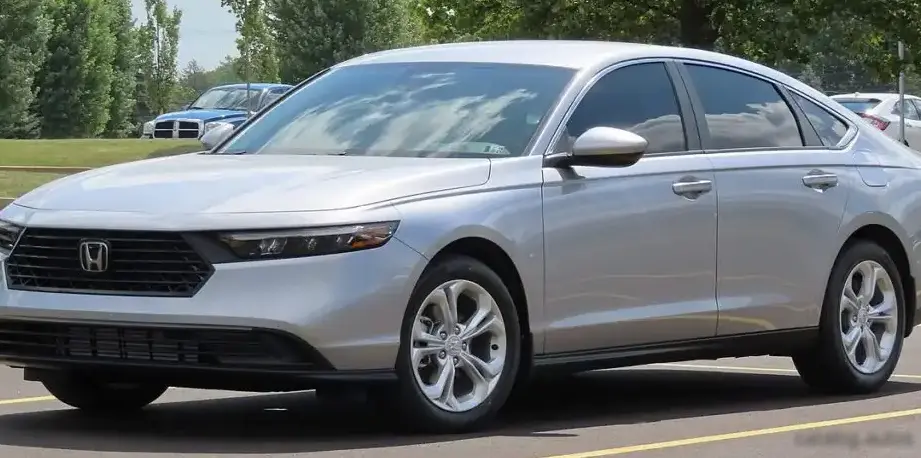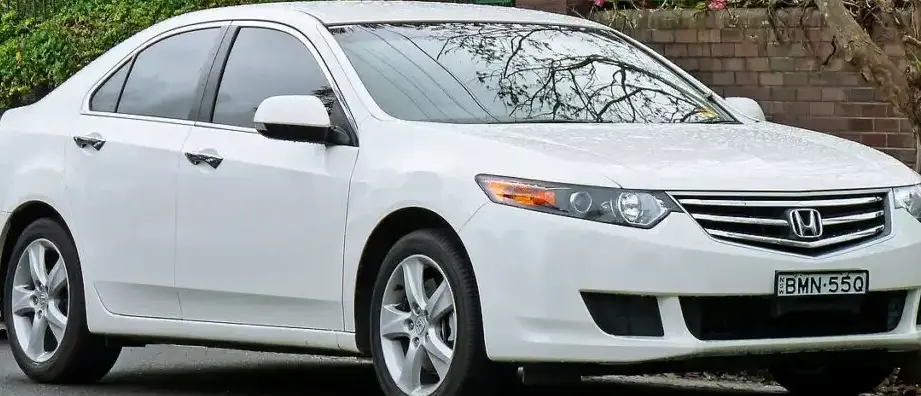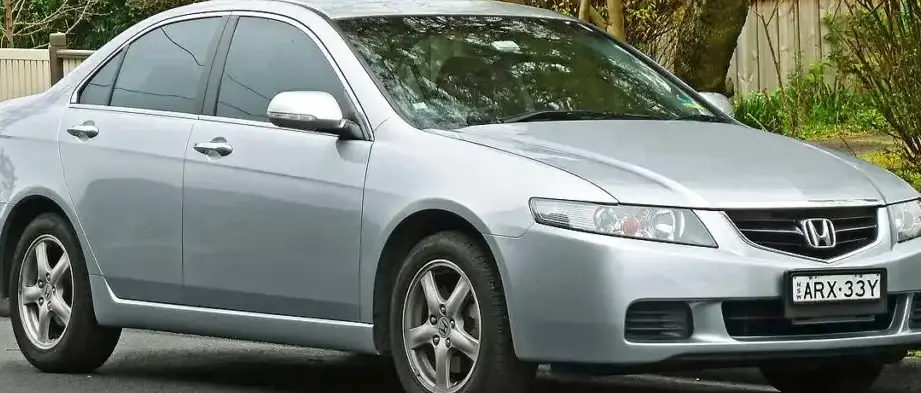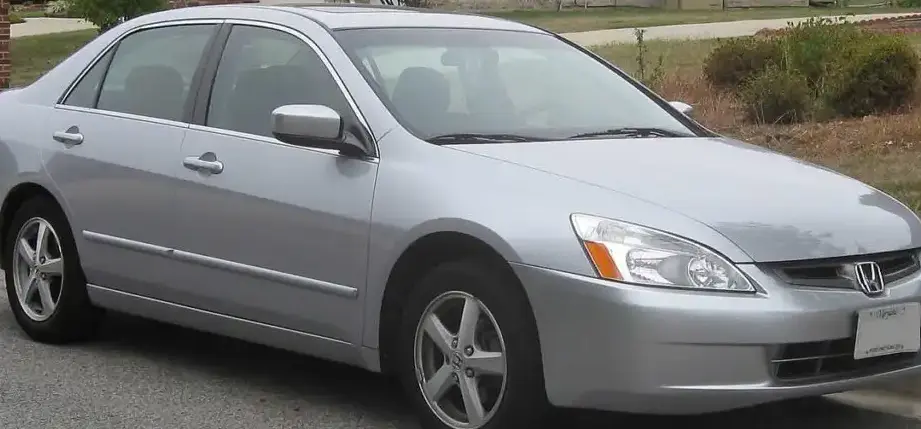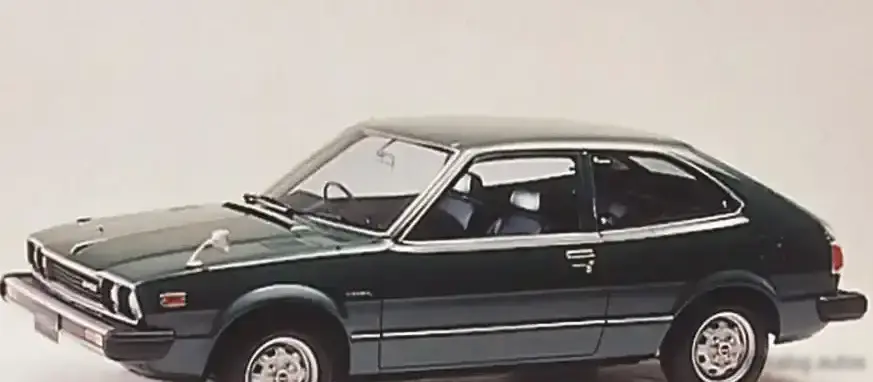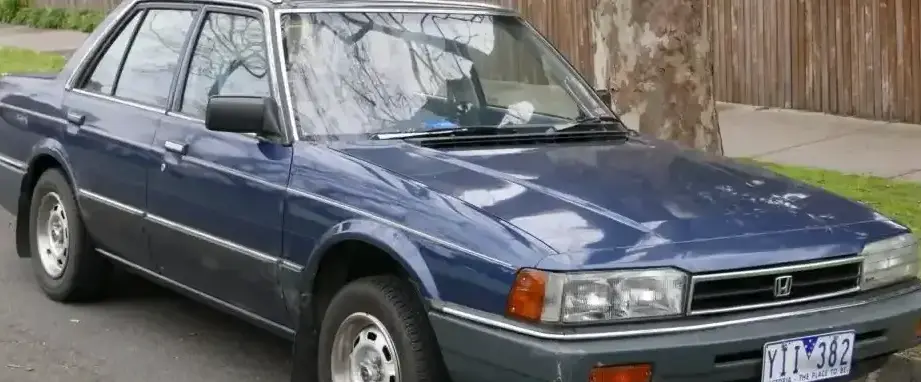
The Honda Accord II 1.8 EX (AD) represents a significant evolution in Honda’s popular Accord line, produced from 1983 to 1985. This facelift of the second-generation Accord (internally designated AC/AD) aimed to refine the original’s formula with updated styling, improved interior appointments, and a slightly more powerful engine option. The 1.8 EX trim, positioned as a mid-range offering, provided a balance between affordability and features, appealing to a broad spectrum of family car buyers in North America and other key markets. It built upon the success of the first-generation Accord, further establishing Honda as a reliable and fuel-efficient automotive manufacturer.
Technical Specifications
| Brand | Honda |
| Model | Accord |
| Generation | Accord II (AC,AD facelift 1983) |
| Type (Engine) | 1.8 EX (AD) (101 Hp) |
| Start of production | 1983 |
| End of production | 1985 |
| Powertrain Architecture | Internal Combustion engine |
| Body type | Sedan |
| Fuel Type | Petrol (Gasoline) |
| Power | 101 Hp |
| Engine aspiration | Naturally aspirated engine |
Powertrain & Engine Architecture
The 1.8 EX (AD) Accord was powered by Honda’s 1.8-liter, naturally aspirated inline-four cylinder engine. While often referred to as an 1800cc engine, its actual displacement was 1755cc. This engine, part of Honda’s A-series, featured a single overhead camshaft (SOHC) valvetrain with two valves per cylinder. The engine code for this variant is typically identified as the F20A. Fuel delivery was managed by a carburetor, a common setup for the time, though later iterations saw the introduction of electronic fuel injection in some markets. The carburetor provided adequate fuel atomization for the engine’s output, but lacked the precision of fuel injection systems.
The 1.8 EX was primarily offered with a 3-speed automatic transmission. This transmission was designed for smooth, comfortable shifts, prioritizing ease of use over outright performance. It featured a torque converter for smooth engagement and a relatively conservative gear ratio spread, optimized for fuel economy and everyday driving. While a 5-speed manual transmission was available on other Accord trims, the automatic was a popular choice for buyers seeking convenience, particularly in the American market.
Driving Characteristics
The 1983-1985 Honda Accord 1.8 EX (AD) with the automatic transmission delivered a comfortable, if not particularly sporty, driving experience. With 101 horsepower and approximately 109 lb-ft of torque, acceleration was adequate for merging onto highways and passing slower traffic, but it wasn’t a particularly quick car by contemporary standards. The automatic transmission’s gear ratios were tuned for fuel efficiency, resulting in a somewhat leisurely pace. The 0-60 mph time was estimated to be around 12-13 seconds.
Compared to the 5-speed manual version, the automatic suffered a noticeable performance deficit. The manual transmission allowed the engine to rev more freely and provided more direct control over gear selection. However, the automatic offered a more relaxed driving experience, especially in city traffic. Compared to later, more powerful Accord models, the 1.8 EX felt somewhat underpowered, but it remained a capable and reliable family sedan.
Equipment & Trim Levels
The 1.8 EX trim level represented a step up from the base Accord models. Standard features typically included cloth upholstery, a basic AM/FM radio, and full wheel covers. The EX designation also included upgraded interior trim and additional sound insulation compared to lower trims. Optional extras included air conditioning, a more advanced stereo system, and power windows. The interior design was functional and straightforward, prioritizing ergonomics and durability. The dashboard layout was clean and easy to read, with clearly marked gauges and controls.
The 1.8 EX aimed to provide a comfortable and well-equipped interior without the higher price tag of the top-of-the-line models. It was positioned as a sweet spot in the Accord lineup, offering a good balance of features and value.
Chassis & Braking
The Accord II (AD) utilized a front-engine, front-wheel-drive layout. The suspension consisted of independent MacPherson struts in the front and a semi-independent torsion beam rear suspension. This setup provided a comfortable ride quality, absorbing bumps and irregularities in the road surface effectively. The steering was rack-and-pinion, offering precise and responsive handling.
Braking on the 1.8 EX typically consisted of front disc brakes and rear drum brakes. While adequate for everyday driving, the rear drum brakes were a limitation compared to the all-disc brake setups found on some higher-performance vehicles. The braking system was generally reliable, but lacked the stopping power of more modern systems. Stabilizer bars were included both front and rear, helping to reduce body roll during cornering.
Market Reception & Comparison
The 1983-1985 Honda Accord 1.8 EX (AD) was generally well-received by automotive critics and consumers alike. It was praised for its reliability, fuel efficiency, and comfortable ride. The automatic transmission was seen as a convenient feature, particularly for buyers who primarily used the car for commuting or family transportation. However, some critics noted the engine’s lack of outright power, especially when compared to competitors like the Toyota Camry.
Compared to other Accord trims, the 1.8 EX offered a good balance of features and value. The base models were more affordable but lacked the upgraded interior and additional equipment of the EX. The higher-trim models offered more power and features, but came at a higher price. Fuel economy was a strong point for the 1.8 EX, averaging around 25-30 mpg in combined driving.
Legacy
The Honda Accord II 1.8 EX (AD) remains a popular choice among classic car enthusiasts and collectors. Its reputation for reliability and durability has ensured that many examples are still on the road today. The 1.8-liter engine, while not particularly powerful, is known for its longevity and relatively simple maintenance requirements. Parts availability is generally good, making it easier to keep these cars running.
In the used car market, well-maintained examples of the 1.8 EX can command a reasonable price, particularly those with low mileage and original features. The car represents a significant chapter in Honda’s history, demonstrating the company’s commitment to building reliable, fuel-efficient, and affordable automobiles. It helped solidify the Accord’s position as a leading contender in the mid-size sedan segment, a position it continues to hold today.