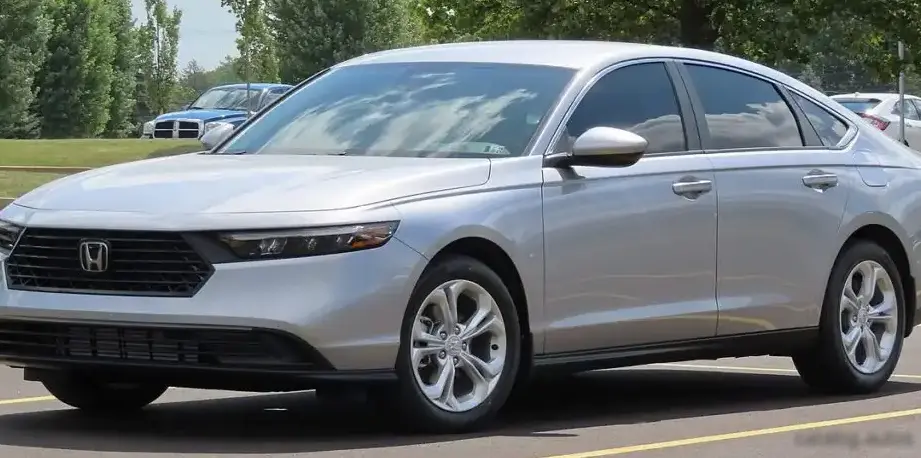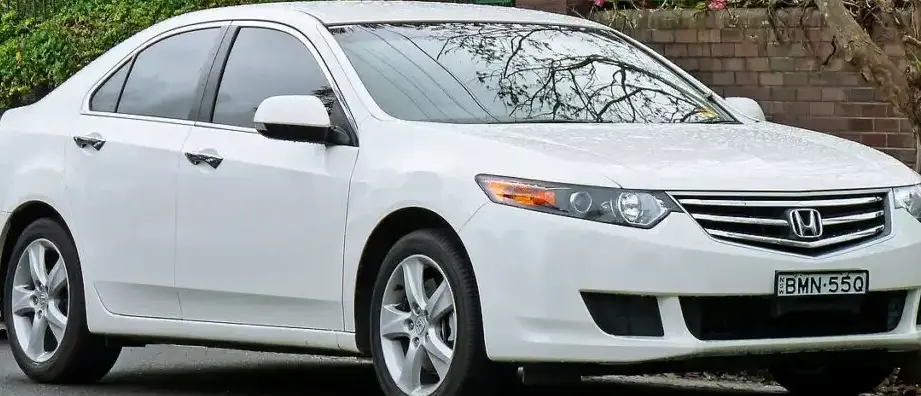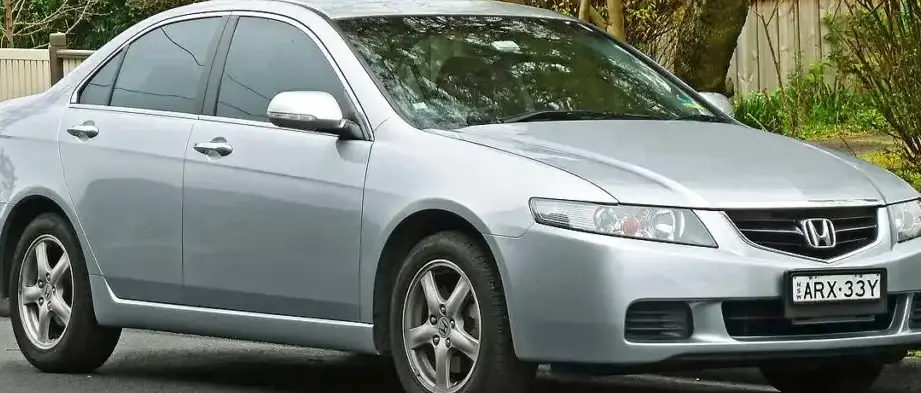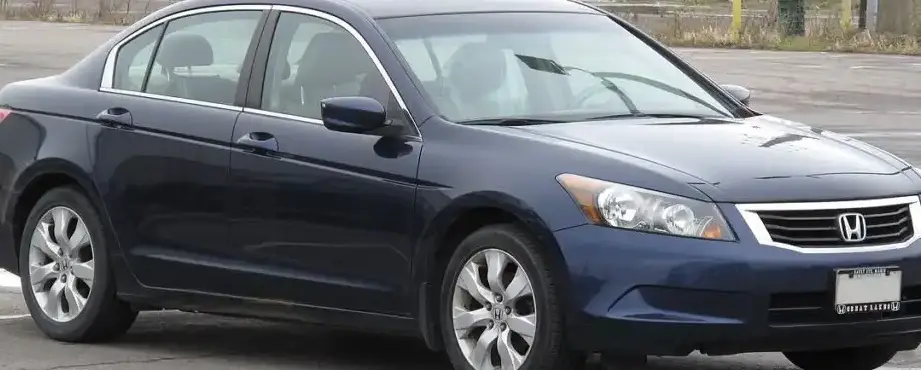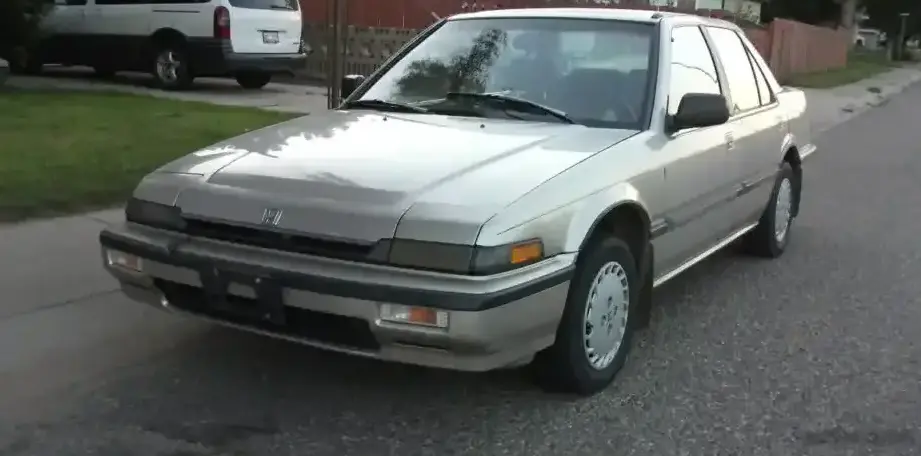
The Honda Accord III, specifically the 2.0 EX (CA5) variant produced between 1985 and 1989, represents a significant step forward for Honda in the fiercely competitive mid-size sedan market. Part of the CA4/CA5 generation, this Accord built upon the success of its predecessors, offering improved refinement, reliability, and a more modern design. The 2.0 EX trim sat towards the upper end of the Accord lineup, providing a balance of features and performance aimed at buyers seeking a comfortable and well-equipped family car. This generation marked Honda’s continued commitment to engineering excellence and established the Accord as a benchmark in its class.
Technical Specifications
| Brand | Honda |
| Model | Accord |
| Generation | Accord III (CA4, CA5) |
| Type (Engine) | 2.0 EX (CA5) (103 Hp) |
| Start of Production | 1985 |
| End of Production | 1989 |
| Powertrain Architecture | Internal Combustion Engine |
| Body Type | Sedan |
| Fuel Type | Petrol (Gasoline) |
| Power | 103 Hp |
| Engine Aspiration | Naturally Aspirated |
Powertrain & Engine Architecture
The 2.0 EX (CA5) Accord was powered by Honda’s SOHC 16-valve 2.0-liter inline-four cylinder engine, designated as the F20A. This engine produced 103 horsepower at 5,600 rpm and 109 lb-ft of torque at 3,200 rpm. The F20A featured multi-point fuel injection, a significant upgrade over the carburetor systems found in earlier Accords, contributing to improved fuel efficiency and smoother operation. The engine utilized a cast iron block with an aluminum cylinder head, a common configuration for Honda engines of this era. The valvetrain employed a single overhead camshaft (SOHC) operating two valves per cylinder. The engine was paired with a four-speed automatic transmission, offering convenient shifting for everyday driving. This transmission was electronically controlled, enhancing shift quality and responsiveness compared to earlier hydraulic systems. The automatic transmission was designed for smooth, comfortable operation, prioritizing ease of use over outright performance.
Driving Characteristics
The 103 hp output of the 2.0 EX, coupled with the four-speed automatic transmission, delivered adequate, though not exhilarating, performance. Acceleration from 0 to 60 mph was estimated to be around 11-12 seconds. The automatic transmission’s gear ratios were tuned for fuel economy and comfortable cruising, rather than aggressive acceleration. While the manual transmission equipped Accords offered a more engaging driving experience, the automatic provided a relaxed and convenient option for many drivers. The power delivery was relatively linear, making the car predictable and easy to control. Compared to the base 1.8-liter engine, the 2.0 EX offered a noticeable improvement in both acceleration and passing power, particularly when fully loaded with passengers or cargo. The suspension, tuned for comfort, provided a smooth ride over most road surfaces, though it wasn’t particularly sporty in handling.
Equipment & Trim Levels
The 2.0 EX trim level represented a well-equipped version of the Accord III. Standard features included power steering, power brakes, a tilt steering wheel, and a factory AM/FM stereo. The interior typically featured cloth upholstery, with options for upgraded materials. The dashboard layout was functional and straightforward, with easy-to-read gauges. Optional extras available for the 2.0 EX included air conditioning, cruise control, power windows, and power door locks. The EX trim also often included upgraded sound systems and alloy wheels. The interior trim was generally well-appointed for its time, offering a comfortable and practical space for passengers. The 2.0 EX aimed to provide a premium experience without the cost of a fully loaded luxury vehicle.
Chassis & Braking
The Accord III utilized a front independent suspension with MacPherson struts and a rear independent suspension with a trailing arm design. This suspension setup provided a good balance of ride comfort and handling. The 2.0 EX typically featured front disc brakes and rear drum brakes. While the disc/drum configuration was common for vehicles of this era, it wasn’t as effective as a full disc brake setup. Stabilizer bars were included at both the front and rear, helping to reduce body roll during cornering. The steering was a recirculating ball system, providing adequate precision for everyday driving. The chassis was relatively lightweight, contributing to the car’s fuel efficiency and maneuverability. The braking system was adequate for normal driving conditions, but lacked the stopping power of more modern systems.
Market Reception & Comparison
The Honda Accord III, and the 2.0 EX variant in particular, received positive reviews from automotive critics. It was praised for its reliability, fuel efficiency, and comfortable ride. The 2.0 EX was seen as a strong competitor to other mid-size sedans such as the Toyota Camry and Ford Tempo. Compared to the base 1.8-liter Accord, the 2.0 EX offered a noticeable performance advantage, making it a more appealing option for drivers who frequently drove on highways or carried passengers. Fuel economy was respectable for its time, averaging around 22-26 mpg in combined driving. Reliability was a key strength of the Accord III, with many examples remaining on the road for decades. The automatic transmission, while not as sporty as a manual, was generally considered reliable and durable.
Legacy
The Honda Accord III 2.0 EX (CA5) has earned a reputation as a durable and dependable vehicle. The F20A engine is known for its longevity and relatively simple maintenance requirements. Today, well-maintained examples are sought after by enthusiasts and collectors. While not a high-performance vehicle, the 2.0 EX offers a comfortable and reliable driving experience. The automatic transmission, while not the most technologically advanced, has proven to be quite robust over time. Parts availability is generally good, although some specific trim pieces may be difficult to find. The Accord III represents a pivotal moment in Honda’s history, solidifying its position as a major player in the automotive industry. Its blend of practicality, reliability, and refinement continues to be appreciated by owners and enthusiasts alike, making it a classic of the 1980s.