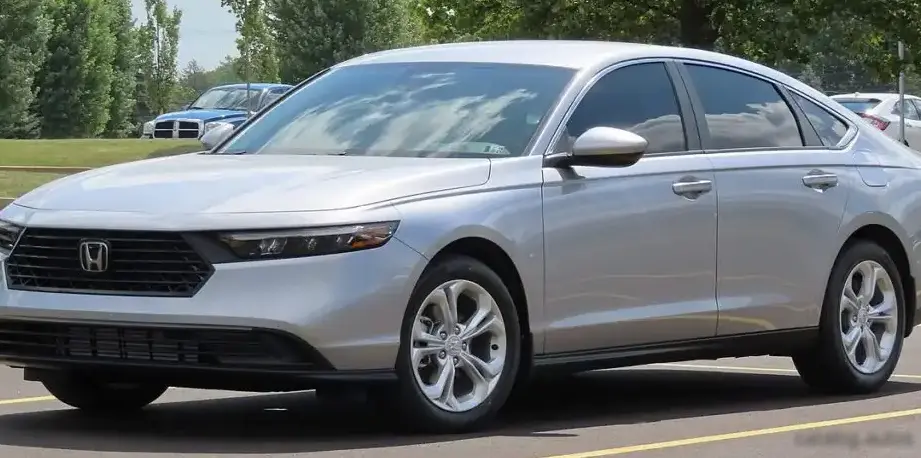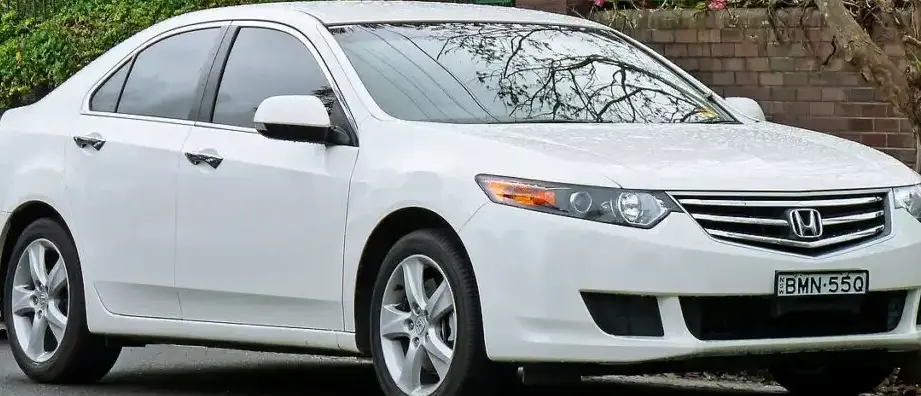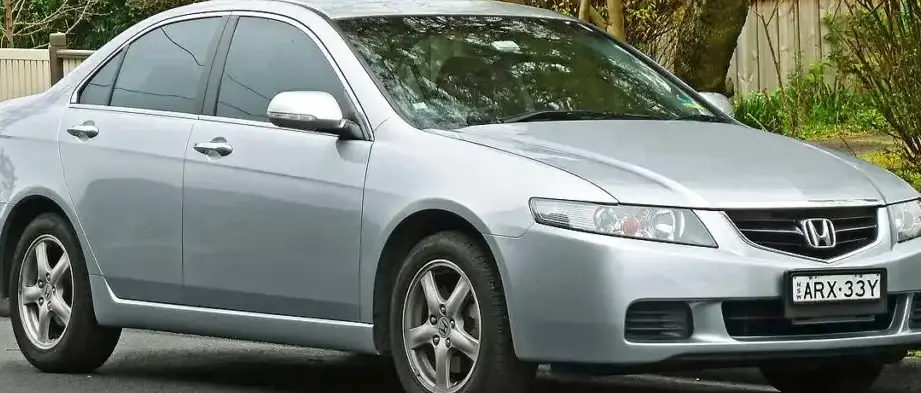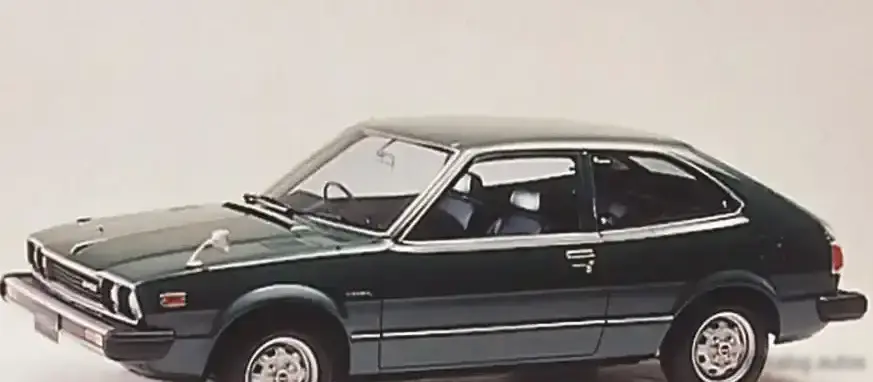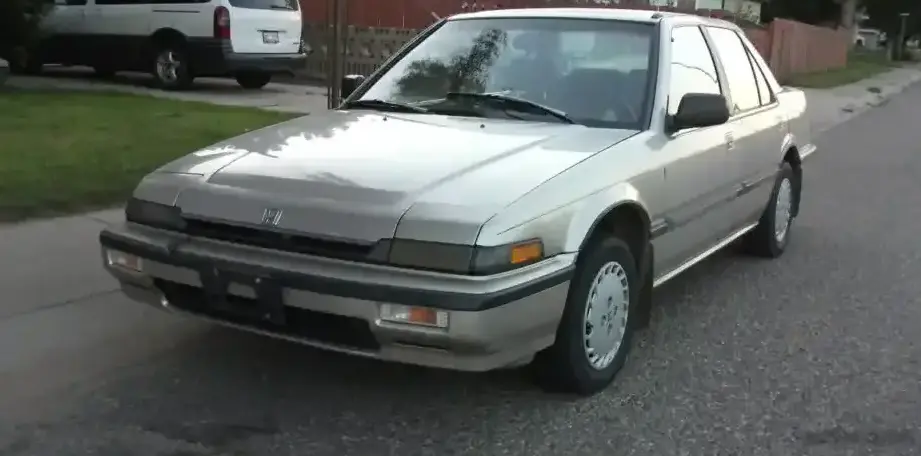
The Honda Accord III, specifically the 2.0 EXi (CA5) variant produced between 1987 and 1989, represents a significant step forward in Honda’s commitment to providing reliable, fuel-efficient, and increasingly sophisticated transportation to the North American market. Falling within the CA4/CA5 generation of the Accord, the 2.0 EXi occupied a mid-to-upper trim level, offering a balance of performance and features that appealed to buyers seeking a step up from the base models. This generation marked a move towards more aerodynamic styling and improved interior comfort compared to its predecessors, solidifying the Accord’s reputation as a practical and desirable family sedan. The CA5 designation specifically denotes the 2.0-liter engine paired with fuel injection, a key feature differentiating it from other models in the lineup.
Technical Specifications
| Brand | Honda |
| Model | Accord |
| Generation | Accord III (CA4, CA5) |
| Type (Engine) | 2.0 EXi (CA5) (116 Hp) |
| Start of Production | 1987 |
| End of Production | 1989 |
| Powertrain Architecture | Internal Combustion Engine |
| Body Type | Sedan |
| Fuel Type | Petrol (Gasoline) |
| Power | 116 Hp |
| Engine Aspiration | Naturally Aspirated |
Powertrain & Engine Architecture
The heart of the 2.0 EXi (CA5) is Honda’s 2.0-liter, naturally aspirated inline-four cylinder engine. While specific engine codes varied slightly depending on the market, the North American version typically utilized a SOHC (Single Overhead Camshaft) 16-valve configuration. This engine, producing 116 horsepower, was a significant upgrade over the base 1.5-liter engine offered in lower Accord trims. The engine featured Honda’s Programmed Fuel Injection (PGM-FI) system, which optimized fuel delivery for improved efficiency and performance. PGM-FI utilized a network of sensors to monitor engine conditions and adjust the air-fuel mixture accordingly. The engine’s block was constructed from cast iron, providing durability, while the cylinder head was aluminum, contributing to weight reduction. The 2.0 EXi was typically paired with a four-speed automatic transmission, although a five-speed manual transmission was also available. The automatic transmission was designed for smooth shifting and reliable operation, prioritizing comfort over outright performance. The transmission’s gear ratios were tuned to provide adequate acceleration while maintaining good fuel economy at highway speeds. The automatic featured typical torque converter lockup for improved efficiency at cruising speeds.
Driving Characteristics
The 1987-1989 Honda Accord 2.0 EXi with the automatic transmission offered a comfortable and predictable driving experience. While not a sports sedan, the 116 horsepower engine provided sufficient power for everyday driving situations, including merging onto highways and passing slower vehicles. The automatic transmission, while smooth, did result in some power loss compared to the manual transmission option. Acceleration from 0 to 60 mph was typically in the 10-11 second range. The Accord’s suspension, featuring independent front suspension with MacPherson struts and a rear torsion beam axle, provided a comfortable ride quality, absorbing bumps and irregularities in the road surface effectively. Steering was light and responsive, making the car easy to maneuver in city traffic. Compared to the base 1.5-liter Accord, the 2.0 EXi offered noticeably improved acceleration and overall responsiveness. However, the manual transmission version of the 2.0 EXi provided a more engaging driving experience with quicker acceleration and better control. The four-speed automatic, while reliable, lacked the overdrive gear found in some competitor’s transmissions, potentially leading to slightly higher engine speeds at highway cruising.
Equipment & Trim Levels
The 2.0 EXi trim level represented a significant step up in terms of features and amenities compared to the base Accord models. Standard equipment typically included power steering, power brakes, a tilt steering wheel, and a more upscale interior with cloth upholstery. The EXi also featured upgraded instrumentation, including a tachometer, and a more comprehensive sound system. Optional extras available for the 2.0 EXi included air conditioning, a sunroof, and upgraded audio systems. The interior design was functional and well-laid-out, with easy-to-read gauges and logically placed controls. The seats were comfortable and supportive, providing adequate cushioning for long drives. The overall interior ambiance was one of understated elegance and practicality. The EXi trim also often included features like upgraded door panel trim and carpeting compared to the lower LX models.
Chassis & Braking
The Honda Accord III utilized a unibody construction, providing a good balance of strength and rigidity. The front suspension featured MacPherson struts, coil springs, and a stabilizer bar, while the rear suspension employed a torsion beam axle. This suspension setup provided a comfortable ride and predictable handling characteristics. Braking duties were handled by disc brakes in the front and drum brakes in the rear. Power assist was standard, providing adequate stopping power for most driving situations. The braking system was generally reliable, although it lacked the sophistication of more modern braking systems. The Accord’s chassis was designed to provide a stable and predictable platform for everyday driving, prioritizing comfort and safety over outright performance. The relatively simple suspension design contributed to lower maintenance costs and increased long-term reliability.
Market Reception & Comparison
The 1987-1989 Honda Accord III, and particularly the 2.0 EXi variant, was well-received by automotive critics and consumers alike. It was praised for its reliability, fuel efficiency, and comfortable ride. The 2.0 EXi offered a compelling combination of features and performance at a competitive price point. Compared to other sedans in its class, such as the Toyota Camry and Ford Tempo, the Accord was often lauded for its superior build quality and refined driving experience. Fuel economy was a strong point for the 2.0 EXi, typically achieving around 25-30 mpg in combined driving conditions. Reliability was also exceptional, with many Accords from this era exceeding 200,000 miles with proper maintenance. The 2.0 EXi offered a noticeable performance advantage over the base 1.5-liter Accord, but it came at a slightly higher price. The manual transmission version of the 2.0 EXi was favored by enthusiasts seeking a more engaging driving experience. The Camry, while also reliable, was often perceived as slightly less sporty, while the Tempo offered less refinement.
Legacy
The Honda Accord III, and the 2.0 EXi in particular, cemented the Accord’s reputation as a benchmark for reliability and practicality in the mid-size sedan segment. The powertrain, while not particularly powerful by modern standards, proved to be exceptionally durable and long-lasting. Today, well-maintained examples of the 1987-1989 Accord 2.0 EXi are sought after by collectors and enthusiasts. The car’s simple design and readily available parts make it relatively easy to maintain and repair. The 2.0 EXi’s legacy lies in its ability to provide dependable transportation for years, earning the trust and loyalty of countless drivers. In the used car market, these Accords typically command reasonable prices, reflecting their age and mileage, but their reputation for reliability ensures continued demand. The CA5’s influence can still be seen in Honda’s continued commitment to building high-quality, fuel-efficient vehicles. The engine’s robust design and the overall build quality of the CA5 Accord have made it a popular choice for restoration projects and a testament to Honda’s engineering prowess.