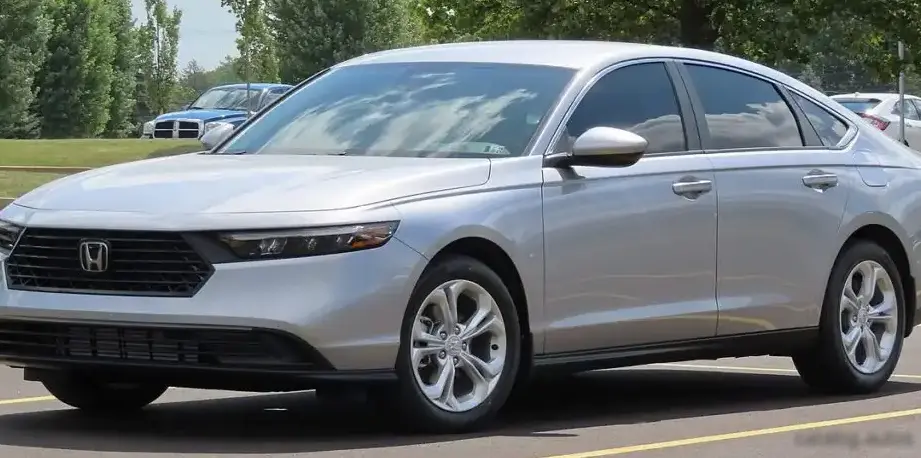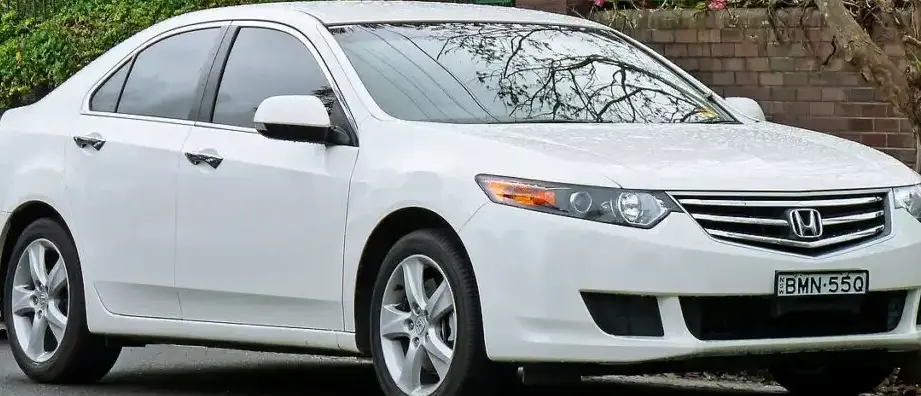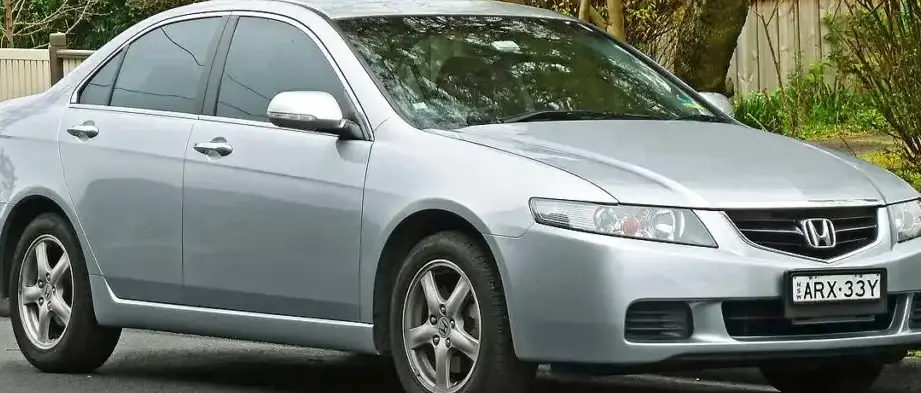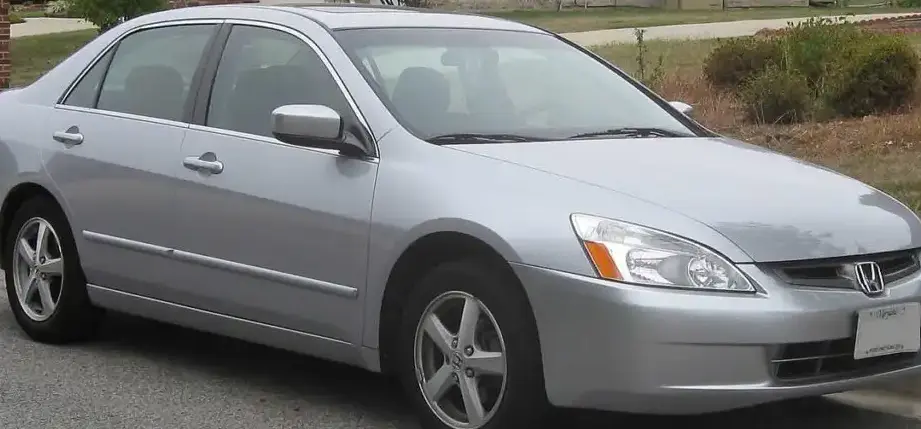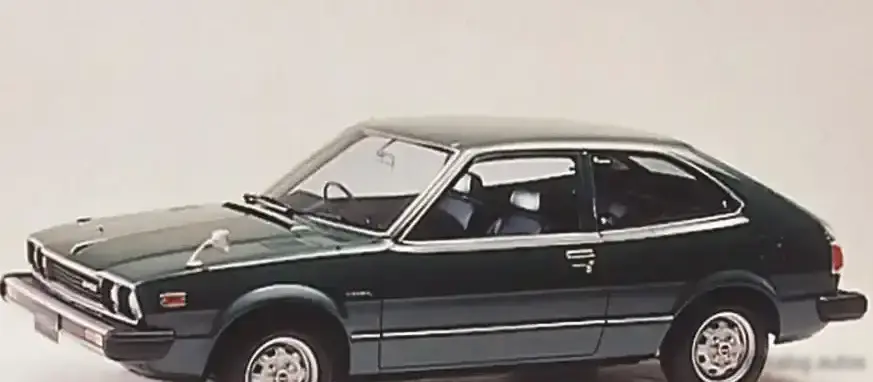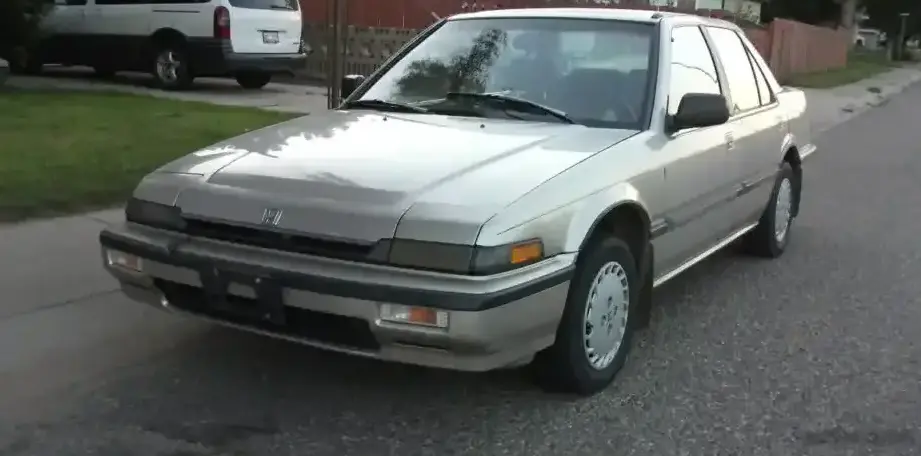
The Honda Accord III, specifically the 2.0 EXi (CA5) variant produced between 1985 and 1987, marked a significant advancement for Honda in the competitive mid-size sedan segment. As part of the third-generation Accord (chassis codes CA4 and CA5), the 2.0 EXi was positioned as a premium offering, delivering increased power and a more refined driving experience compared to the base models. This generation represented a shift towards more sophisticated technology and a greater emphasis on comfort and reliability, solidifying the Accord’s reputation as a dependable and well-rounded family car in North America and other key markets.
Technical Specifications
| Brand | Honda |
| Model | Accord |
| Generation | Accord III (CA4, CA5) |
| Type (Engine) | 2.0 EXi (CA5) (122 Hp) |
| Start of Production | 1985 |
| End of Production | 1987 |
| Powertrain Architecture | Internal Combustion Engine |
| Body Type | Sedan |
| Fuel Type | Petrol (Gasoline) |
| Power | 122 Hp |
| Engine Aspiration | Naturally Aspirated |
Powertrain & Engine Architecture
The 2.0 EXi (CA5) is powered by the F20A SOHC 16-valve inline-four cylinder engine. Displacing 1,955 cc (1.9 liters, marketed as 2.0), it produced 122 horsepower at 5,600 rpm and 109 lb-ft of torque at 4,500 rpm. The “EXi” designation indicated the inclusion of Honda’s Programmed Fuel Injection (PGM-FI) system, an early electronic fuel injection system that improved fuel efficiency and engine responsiveness compared to carburetors found in earlier Accords and some competitors. The SOHC valvetrain offered a balance between performance and reliability. The engine block was constructed from cast iron, while the cylinder head was aluminum, contributing to a relatively lightweight design. The CA5 variant was exclusively paired with a 3-speed automatic transmission, prioritizing smooth shifts and ease of use, though at the expense of some performance and fuel economy compared to the available 5-speed manual.
Driving Characteristics
The 2.0 EXi automatic provided a comfortable and refined driving experience for its time. While not a sports sedan, the 122 horsepower engine delivered adequate acceleration for everyday driving. The 3-speed automatic transmission, though not as advanced as modern automatics, offered smooth and predictable shifts. Gear ratios were optimized for fuel economy and comfortable cruising, rather than outright performance. Compared to base model Accords with smaller engines, the 2.0 EXi felt noticeably more powerful, particularly during highway merging or uphill climbs. However, compared to the 5-speed manual versions of the 2.0 EXi, acceleration was slightly slower due to the transmission’s inherent power loss and less aggressive gearing. The suspension, tuned for comfort, effectively absorbed bumps and road imperfections, providing a stable and predictable ride. Steering was light and responsive, making the Accord easy to maneuver in urban environments.
Equipment & Trim Levels
The 2.0 EXi trim level represented a significant upgrade in features and amenities. Standard equipment included power steering, power brakes, a tilt steering wheel, and an upgraded interior with cloth upholstery. The EXi also featured enhanced instrumentation, including a tachometer, and a more comprehensive sound system. Optional extras included air conditioning, a sunroof, and upgraded audio systems. The interior design was functional and well-organized, with easy-to-read gauges and logically placed controls. The EXi trim also featured upgraded door panels and interior trim pieces, enhancing the cabin’s premium feel. The exterior was distinguished by subtle trim differences, such as chrome accents and upgraded wheel covers.
Chassis & Braking
The Accord III employed a front-engine, front-wheel-drive layout. The suspension consisted of independent MacPherson struts at the front and a rear trailing arm suspension. 2.0 EXi models typically featured thicker stabilizer bars compared to base models, reducing body roll during cornering. Braking was handled by disc brakes in the front and drum brakes in the rear. While the front discs provided adequate stopping power, the rear drums were a cost-saving measure. The braking system was generally reliable, but lacked the sophistication of more modern anti-lock braking systems (ABS), which were not yet common on vehicles in this price range.
Market Reception & Comparison
The 1985-1987 Honda Accord III, and particularly the 2.0 EXi variant, received positive reviews from automotive critics and consumers. It was praised for its reliability, fuel efficiency, comfortable ride, and spacious interior. The 2.0 EXi was frequently compared to competitors like the Toyota Camry and Ford Tempo. While the Camry offered a similar level of refinement and reliability, the Accord was often considered more engaging to drive. The Tempo, while more affordable, lacked the Accord’s sophistication and build quality. The 2.0 EXi’s fuel economy was competitive for its time, averaging around 22 mpg city and 30 mpg highway. Reliability was a key strength, with many Accord III models exceeding 200,000 miles with proper maintenance. The 2.0 EXi commanded a higher price than base models, but the added power, features, and refinement were considered worthwhile by many buyers.
Legacy
The Honda Accord III, and the 2.0 EXi in particular, solidified the Accord’s position as a leading mid-size sedan. The F20A engine proved remarkably durable and reliable, and many examples remain on the road today. The 2.0 EXi automatic is now a sought-after classic among Honda enthusiasts, appreciated for its blend of comfort, reliability, and understated style. While not a high-performance vehicle, it represents a well-engineered and thoughtfully designed car that has stood the test of time. In the used car market, well-maintained examples of the 2.0 EXi can command a premium price, reflecting their rarity and desirability. The Accord III’s success laid the foundation for future Accord generations, which have continued to build on its reputation for quality, reliability, and value.