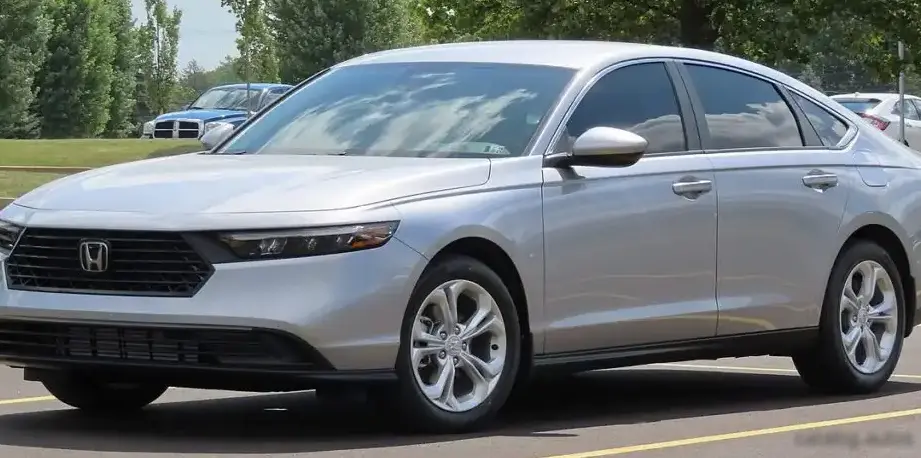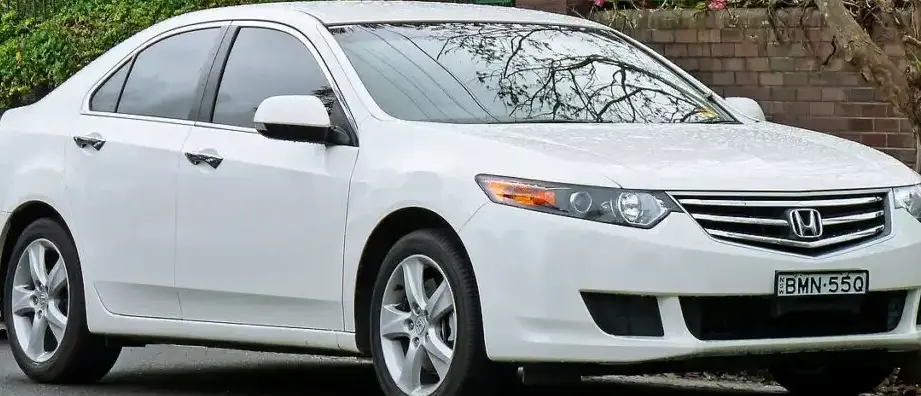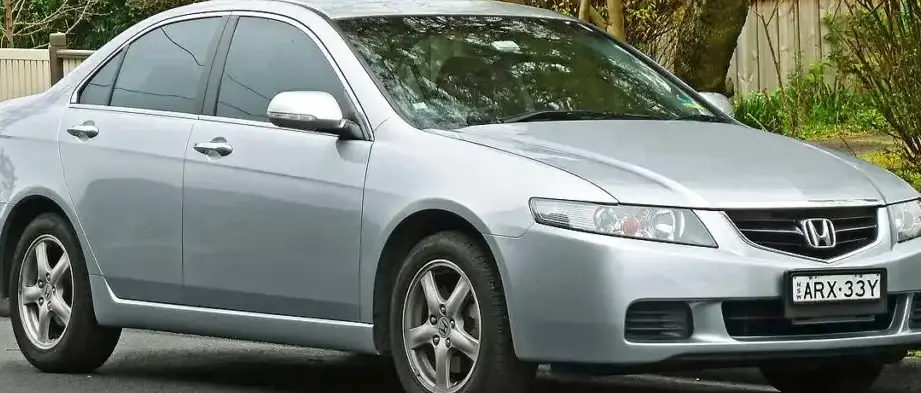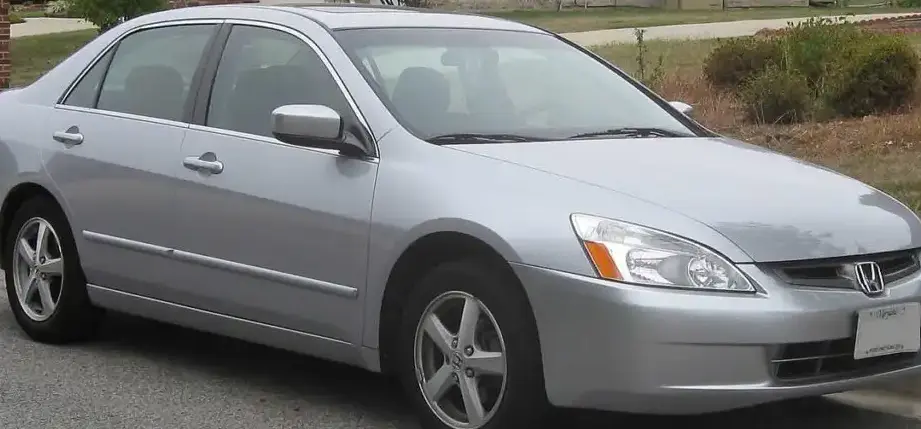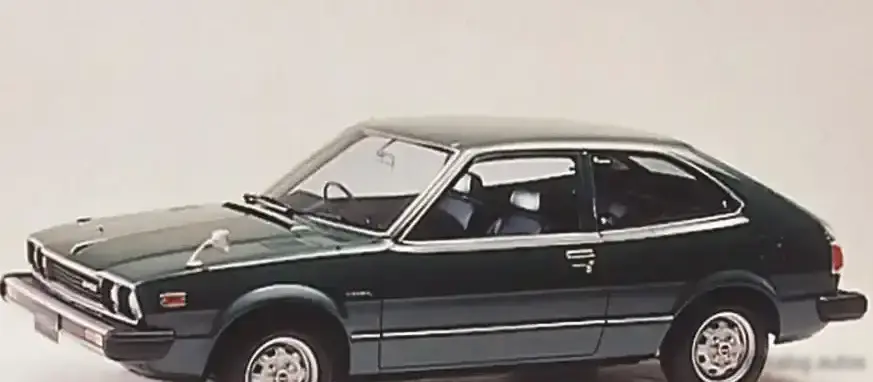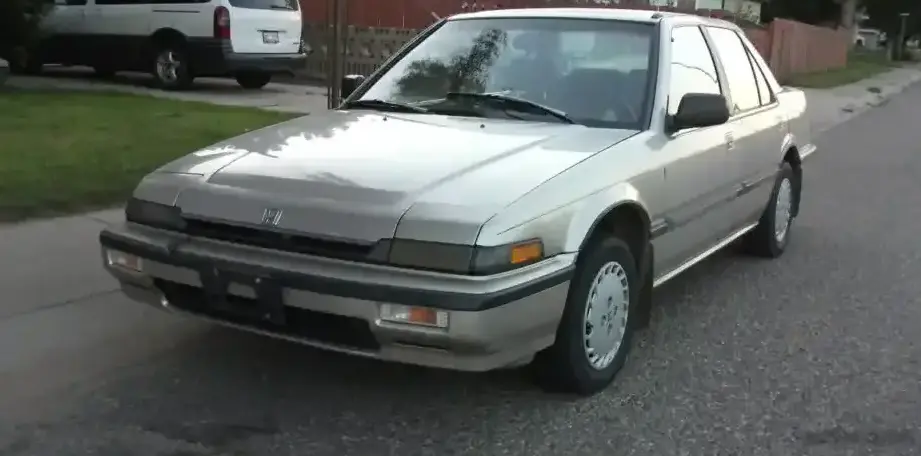
The Honda Accord III, specifically the CA5 variant with the 2.0-liter 16-valve engine producing 137 horsepower, represents a significant step forward in Honda’s commitment to refining the mid-size sedan. Produced primarily for the 1987 model year, this iteration of the Accord built upon the success of its predecessors, offering a blend of reliability, fuel efficiency, and a more sophisticated driving experience. The CA5 model was positioned as a step up from the base engine options, appealing to buyers seeking a more spirited driving experience without sacrificing the Accord’s renowned practicality. It was a key component of the third-generation Accord (1986-1989), which saw Honda further establish itself as a major player in the American automotive market.
Technical Specifications
| Brand | Honda |
| Model | Accord |
| Generation | Accord III (CA4, CA5) |
| Type (Engine) | 2.0 i 16V (CA5) (137 Hp) |
| Start of Production | 1987 |
| End of Production | 1987 |
| Powertrain Architecture | Internal Combustion Engine |
| Body Type | Sedan |
| Fuel Type | Petrol (Gasoline) |
| Power | 137 Hp |
| Engine Aspiration | Naturally Aspirated |
Powertrain & Engine Architecture
The heart of the CA5 Accord is the F20A SOHC 16-valve inline-four cylinder engine. This engine displaced 1955cc (approximately 2.0 liters) and featured a cast iron block with an aluminum cylinder head. The 16-valve configuration, achieved through two camshafts operating the valves, allowed for improved breathing and higher engine speeds compared to earlier 8-valve Honda engines. Fuel delivery was managed by Honda’s Programmed Fuel Injection (PGM-FI) system, a multi-point electronic fuel injection system that optimized fuel delivery based on engine load and speed. This system contributed to both improved performance and fuel efficiency. The engine’s lubrication system was a conventional wet-sump design, and cooling was provided by a liquid-cooled system with a radiator and thermostat. The CA5 was typically paired with a four-speed automatic transmission, although a five-speed manual transmission was also available. The automatic transmission was designed for smooth and reliable operation, prioritizing comfort over outright performance.
Driving Characteristics
The 137 horsepower output of the F20A engine in the CA5 Accord provided a noticeable improvement in acceleration and overall responsiveness compared to the base engine options. While not a sports car, the CA5 offered sufficient power for comfortable highway cruising and confident passing maneuvers. The automatic transmission, while smooth, did result in some power loss compared to the manual transmission variant. Gear ratios were tuned for fuel economy and everyday drivability, rather than aggressive acceleration. The automatic transmission’s shift points were generally well-placed, providing adequate power for most driving situations. The Accord’s suspension, consisting of independent front suspension with MacPherson struts and a rear independent suspension with trailing arms, provided a comfortable ride quality while maintaining reasonable handling characteristics. Steering was rack-and-pinion, offering precise and responsive control.
Equipment & Trim Levels
The CA5 Accord typically came equipped with a range of standard features, reflecting its position as a mid-range trim level. These included power steering, air conditioning, an AM/FM stereo, and cloth upholstery. Higher trim levels, such as the DX and LX, added features like power windows, power door locks, cruise control, and upgraded sound systems. Interior appointments were generally functional and durable, with a focus on practicality rather than luxury. The dashboard layout was straightforward and easy to use, with clearly labeled controls. Optional extras included a sunroof, upgraded stereo systems, and alloy wheels. The exterior styling of the CA5 Accord was characterized by its clean lines and aerodynamic shape, typical of 1980s Japanese automotive design.
Chassis & Braking
The Accord III chassis was a unibody construction, providing a good balance of strength and rigidity. The front suspension utilized MacPherson struts, coil springs, and an anti-roll bar, while the rear suspension employed a trailing arm design with coil springs. This suspension setup provided a comfortable ride and predictable handling. Braking duties were handled by disc brakes on the front wheels and drum brakes on the rear wheels. The braking system was hydraulically assisted, providing adequate stopping power for everyday driving. The CA5 Accord’s tires were typically 185/65R14, offering a good compromise between ride comfort and handling grip. The steering system was a rack-and-pinion setup, providing precise and responsive steering feel.
Market Reception & Comparison
The 1987 Honda Accord CA5 was generally well-received by automotive critics and consumers alike. It was praised for its reliability, fuel efficiency, and comfortable ride. The 2.0-liter 16-valve engine was considered a significant improvement over the base engine options, providing a more enjoyable driving experience. Compared to its competitors, such as the Toyota Camry and Ford Tempo, the Accord offered a more refined and sophisticated driving experience. The Camry was often seen as a more conservative choice, while the Tempo prioritized affordability over features and performance. The Accord struck a good balance between these two extremes. Fuel economy for the CA5 Accord was typically in the range of 22-28 mpg in city driving and 28-35 mpg on the highway, depending on driving conditions and transmission type. Reliability was a key strength of the Accord, with many examples remaining on the road for decades.
Legacy
The Honda Accord III, and specifically the CA5 variant, cemented Honda’s reputation for building reliable, fuel-efficient, and well-engineered automobiles. The F20A engine proved to be a durable and long-lasting powerplant, and many examples are still running today. The CA5 Accord remains a popular choice among classic car enthusiasts and collectors, particularly those seeking a well-maintained example with the desirable 2.0-liter 16-valve engine. In the used car market, these Accords typically command a higher price than lower-trim models. The CA5’s legacy extends beyond its mechanical attributes; it represents a pivotal moment in Honda’s history, demonstrating the company’s ability to compete effectively in the highly competitive American automotive market. The design and engineering principles employed in the Accord III laid the foundation for future generations of Honda vehicles, continuing the brand’s tradition of innovation and quality.