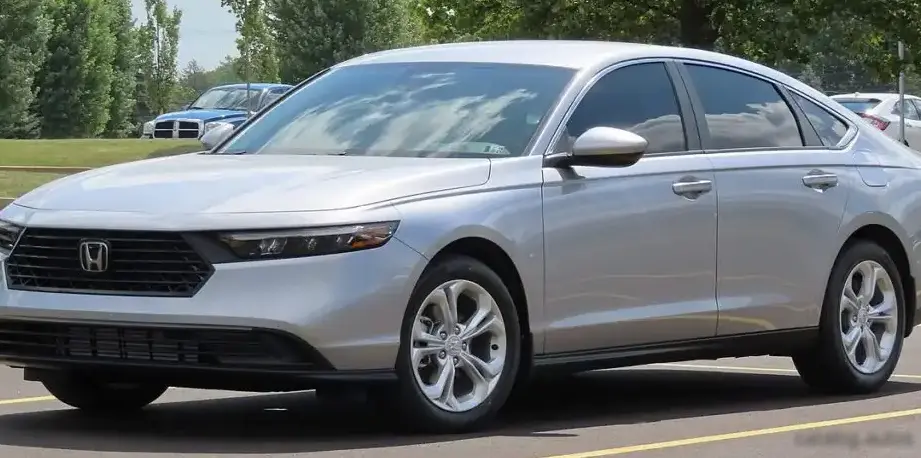
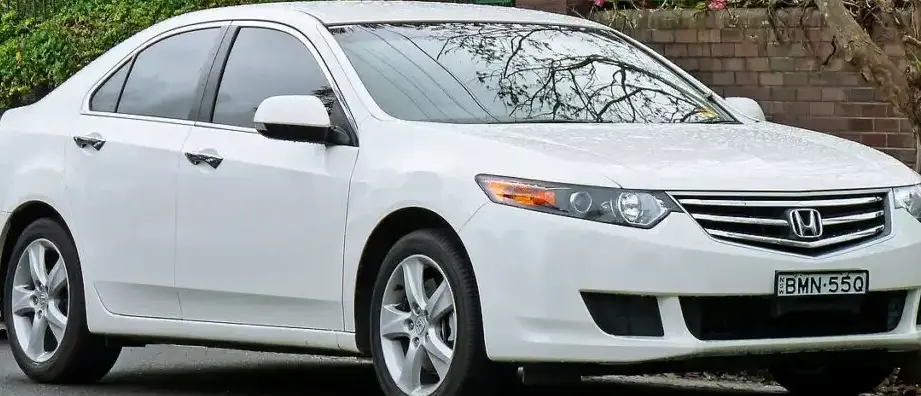
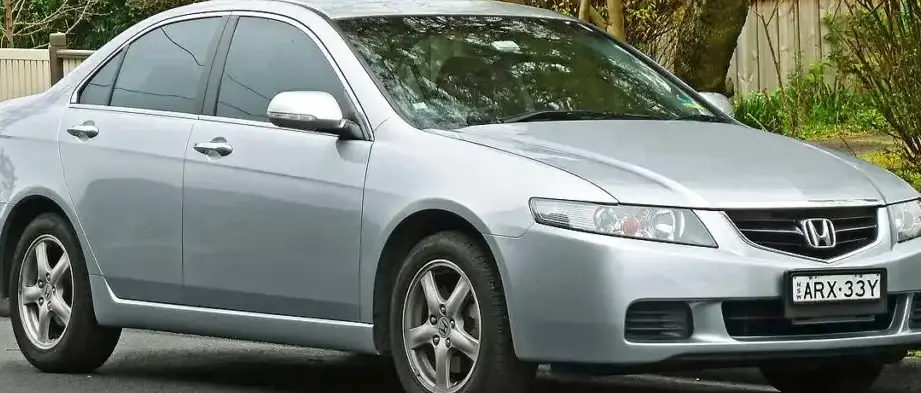
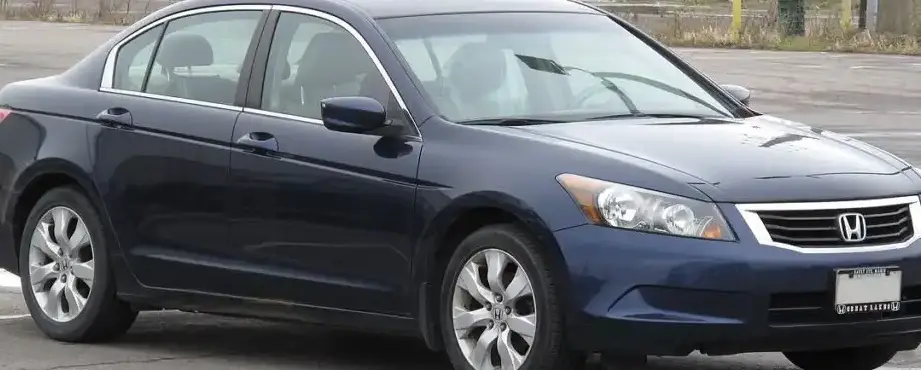
The Honda Accord III Wagon CA5, produced between 1985 and 1989, represents Honda’s entry into the increasingly popular station wagon market during the mid-1980s. This variant, equipped with the 1.6-liter engine producing 88 horsepower, served as the base model for the Accord wagon range in many markets, particularly in Europe and Japan. While the Accord sedan was already well-established, the wagon offered increased practicality for families and those requiring additional cargo space. The CA5 chassis code specifically denotes this wagon body style within the third-generation Accord lineup. It was a period where Honda was solidifying its reputation for reliability and fuel efficiency, and the CA5 wagon aimed to deliver those qualities in a more versatile package.
Technical Specifications
| Brand | Honda |
| Model | Accord |
| Generation | Accord III Wagon CA5 |
| Type (Engine) | 1.6 L (88 Hp) |
| Start of production | 1985 |
| End of production | 1989 |
| Powertrain Architecture | Internal Combustion Engine |
| Body type | Station Wagon (Estate) |
| Fuel Type | Petrol (Gasoline) |
| Power | 88 Hp |
| Engine Aspiration | Naturally Aspirated |
Powertrain & Engine Architecture
The heart of the CA5 wagon is the Honda A16A engine, a 1.6-liter inline-four cylinder gasoline engine. This engine is naturally aspirated, meaning it doesn’t utilize a turbocharger or supercharger. The A16A features a single overhead camshaft (SOHC) design, operating with two valves per cylinder (eight valves total). Fuel delivery is managed by a carburetor, a common feature for vehicles of this era, though Honda was beginning to experiment with fuel injection in other Accord models. The engine produces 88 horsepower at approximately 5,800 rpm and 98 lb-ft of torque at 3,500 rpm. The transmission paired with this engine is typically a four-speed automatic, although a five-speed manual transmission was also available as an option in some markets. The automatic transmission was designed for smooth, comfortable operation, prioritizing fuel economy over outright performance. The engine block is constructed from cast iron, while the cylinder head is made of aluminum alloy, contributing to a reasonable balance between durability and weight.
Driving Characteristics
The 1.6-liter, 88 hp Accord wagon with the automatic transmission delivers a driving experience focused on practicality and ease of use. Acceleration is modest, with 0-60 mph times estimated around 12-14 seconds. The automatic transmission features relatively tall gear ratios, designed to maximize fuel efficiency at cruising speeds. This means the engine operates at lower rpm during highway driving, contributing to a quieter cabin experience. However, this also results in slower response when needing to accelerate quickly, such as when merging onto a highway or overtaking another vehicle. Compared to the more powerful 1.8 or 2.0-liter engine options available in the Accord range, the 1.6L feels noticeably less responsive. The manual transmission version of the 1.6L offered a more engaging driving experience, allowing the driver to better utilize the engine’s available power. The suspension is tuned for comfort, providing a relatively soft ride quality, but this can also result in some body roll during cornering. Overall, the driving experience is best described as relaxed and undemanding.
Equipment & Trim Levels
The CA5 1.6L Accord wagon typically represented the entry-level trim within the wagon lineup. Standard equipment generally included cloth upholstery, a basic AM/FM radio, and manual windows and door locks. Air conditioning was often an optional extra, as were power windows and a more advanced stereo system. Interior trim was typically functional and durable, prioritizing practicality over luxury. The dashboard layout is straightforward, with clearly labeled controls. The rear seats could be folded down to increase cargo space, a key feature of the wagon body style. Exterior features typically included steel wheels with hubcaps, and relatively simple exterior trim. Higher trim levels, often paired with the larger engines, offered features such as alloy wheels, upgraded interior materials, and more comprehensive audio systems.
Chassis & Braking
The Accord III wagon utilizes a front-engine, front-wheel-drive layout. The suspension consists of independent MacPherson struts at the front and a torsion beam rear suspension. This setup provides a good balance between ride comfort and handling. Braking on the base 1.6L model typically consisted of disc brakes at the front and drum brakes at the rear. The braking system is hydraulically assisted, providing adequate stopping power for everyday driving conditions. Steering is rack-and-pinion, offering reasonably precise steering feel. The chassis is relatively lightweight, contributing to the car’s fuel efficiency. Stabilizer bars (anti-roll bars) were often included at the front, helping to reduce body roll during cornering, though their thickness varied depending on the specific market and trim level.
Market Reception & Comparison
The Honda Accord III Wagon CA5 1.6L was generally well-received as a practical and reliable family vehicle. Critics praised its fuel efficiency and spacious interior, but noted that its performance was somewhat lacking compared to competitors with larger engines. Compared to other wagons of the time, such as the Toyota Corolla Wagon or the Nissan Sunny Wagon, the Accord offered a more refined driving experience and a reputation for superior reliability. Within the Accord lineup, the 1.6L automatic variant was positioned as the most affordable option, appealing to budget-conscious buyers who prioritized practicality over performance. Fuel economy was a key selling point, with the 1.6L engine achieving around 28-32 mpg in combined driving conditions. Reliability was also a major factor in its success, with Honda’s reputation for building durable vehicles attracting a loyal customer base.
Legacy
The Honda Accord III Wagon CA5 1.6L has proven to be a remarkably durable vehicle, with many examples still on the road today. The A16A engine is known for its longevity and relatively simple maintenance requirements. While finding parts can become more challenging as the car ages, many components are still available through aftermarket suppliers. In the used car market, these wagons are often sought after by enthusiasts looking for a classic Honda with a practical body style. The 1.6L automatic variant is generally the most affordable option, making it an accessible entry point into the world of classic Hondas. The CA5 wagon represents a significant milestone in Honda’s history, demonstrating the company’s ability to produce versatile and reliable vehicles that appeal to a wide range of customers. Its enduring popularity is a testament to its well-engineered design and lasting quality.