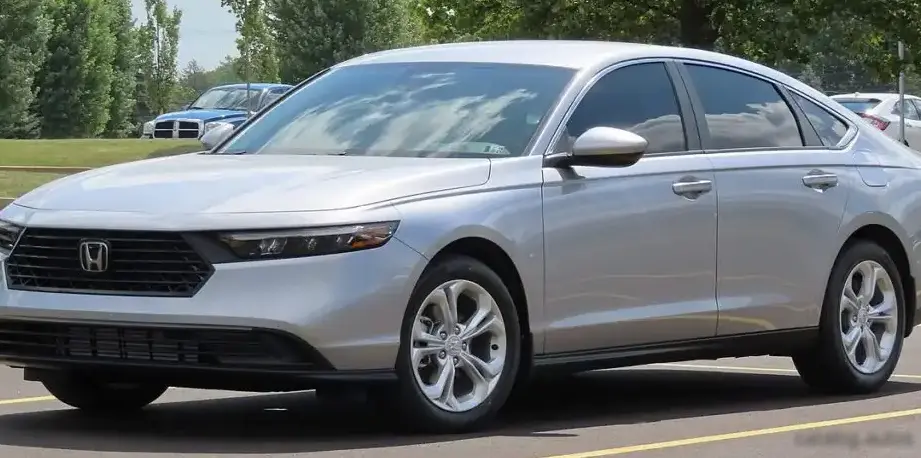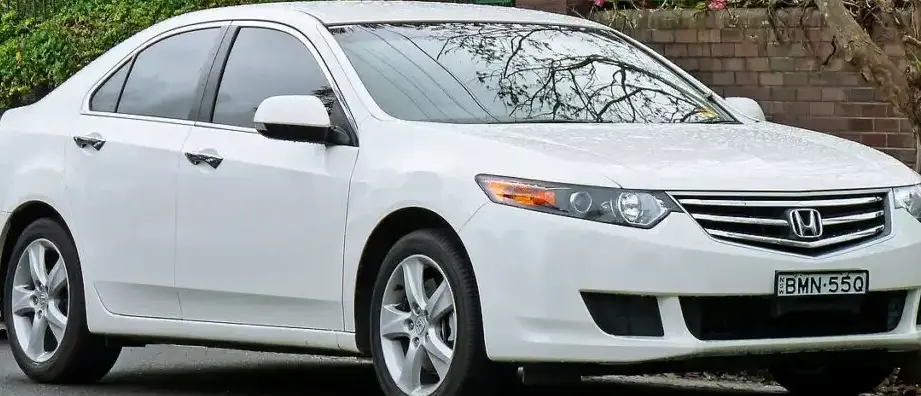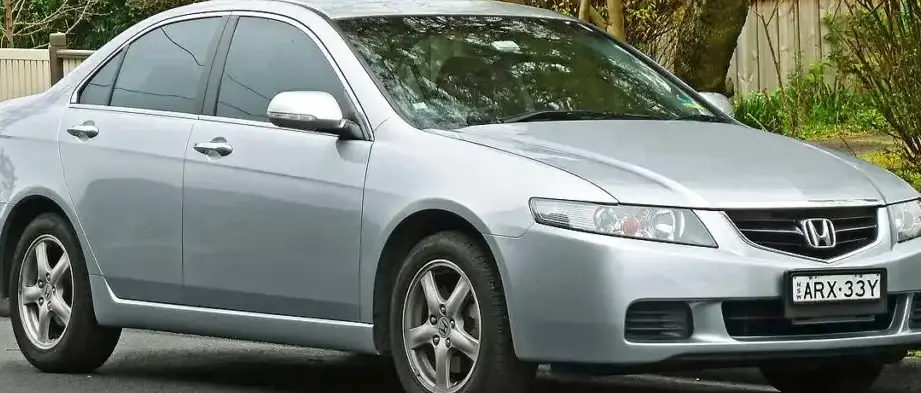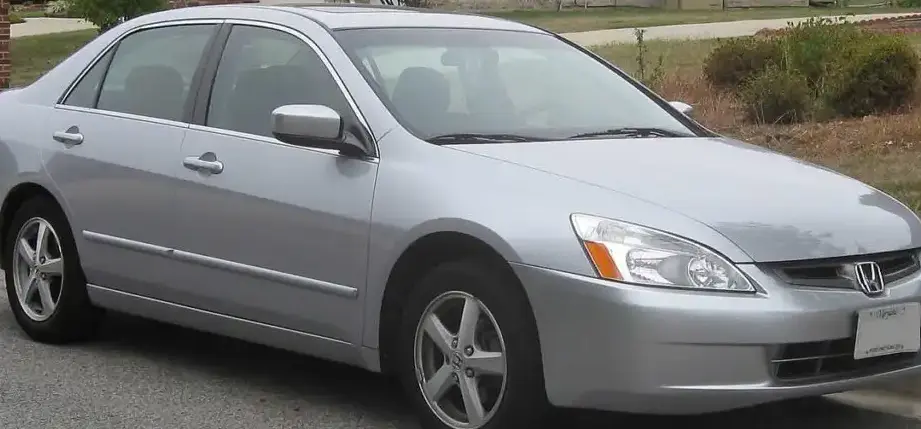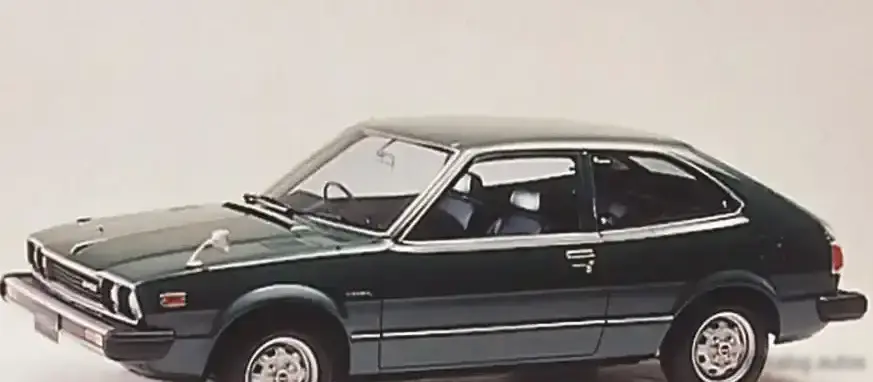
The Honda Accord IV, specifically the 2.0 i 16V variant produced between 1990 and 1993, represents a significant evolution in Honda’s popular mid-size sedan. Part of the CB3/CB7 chassis generation, this model aimed to balance performance and fuel efficiency, offering a more engaging driving experience than its predecessors. In the American market, the Accord IV continued Honda’s reputation for reliability and build quality, becoming a staple for families and commuters alike. This particular 2.0-liter, 16-valve engine configuration occupied a middle ground in the Accord IV lineup, positioned above the base 1.8-liter models but below the more performance-oriented options available in some international markets.
Technical Specifications
| Brand | Honda |
| Model | Accord |
| Generation | Accord IV (CB3,CB7) |
| Type (Engine) | 2.0 i 16V (133 Hp) |
| Start of production | 1990 |
| End of production | 1993 |
| Powertrain Architecture | Internal Combustion engine |
| Body type | Sedan |
| Seats | 5 |
| Doors | 4 |
| Fuel consumption (urban) | 10.7 l/100 km (22 US mpg, 26.4 UK mpg, 9.3 km/l) |
| Fuel consumption (extra urban) | 6.8 l/100 km (34.6 US mpg, 41.5 UK mpg, 14.7 km/l) |
| Fuel consumption (combined) | 8.6 l/100 km (27.4 US mpg, 32.8 UK mpg, 11.6 km/l) |
| Fuel Type | Petrol (Gasoline) |
| Acceleration 0 – 100 km/h | 9.2 sec |
| Acceleration 0 – 62 mph | 9.2 sec |
| Acceleration 0 – 60 mph | 8.7 sec |
| Maximum speed | 200 km/h (124.27 mph) |
| Weight-to-power ratio | 9.3 kg/Hp, 107.3 Hp/tonne |
| Weight-to-torque ratio | 6.9 kg/Nm, 144.4 Nm/tonne |
| Power | 133 Hp @ 5300 rpm |
| Power per litre | 66.6 Hp/l |
| Torque | 179 Nm @ 5000 rpm (132.02 lb.-ft. @ 5000 rpm) |
| Engine layout | Front, Transverse |
| Engine Model/Code | F20A5 |
| Engine displacement | 1996 cm3 (121.8 cu. in.) |
| Number of cylinders | 4 |
| Engine configuration | Inline |
| Cylinder Bore | 85 mm (3.35 in.) |
| Piston Stroke | 88 mm (3.46 in.) |
| Compression ratio | 9.5:1 |
| Number of valves per cylinder | 4 |
| Fuel injection system | Multi-port manifold injection |
| Engine aspiration | Naturally aspirated engine |
| Valvetrain | OHC |
| Engine oil capacity | 3.8 l (4.02 US qt | 3.34 UK qt) |
| Kerb Weight | 1240 kg (2733.73 lbs.) |
| Max. weight | 1760 kg (3880.14 lbs.) |
| Max load | 520 kg (1146.4 lbs.) |
| Trunk (boot) space – minimum | 448 l (15.82 cu. ft.) |
| Fuel tank capacity | 60 l (15.85 US gal | 13.2 UK gal) |
| Length | 4685 mm (184.45 in.) |
| Width | 1695 mm (66.73 in.) |
| Height | 1390 mm (54.72 in.) |
| Wheelbase | 2720 mm (107.09 in.) |
| Front track | 1475 mm (58.07 in.) |
| Rear (Back) track | 1480 mm (58.27 in.) |
| Drivetrain Architecture | The Internal combustion engine (ICE) drives the front wheels of the vehicle. |
| Drive wheel | Front wheel drive |
| Number of gears and type of gearbox | 5 gears, manual transmission |
| Front suspension | Coil spring |
| Rear suspension | Coil spring |
| Front brakes | Ventilated discs |
| Rear brakes | Disc |
| Assisting systems | ABS (Anti-lock braking system) |
| Steering type | Steering rack and pinion |
| Power steering | Hydraulic Steering |
| Tires size | 185/65 R15 |
| Wheel rims size | 15 |
Powertrain & Engine Architecture
The heart of this Accord variant is the F20A5 engine, a 2.0-liter inline-four cylinder powerplant. This engine featured a single overhead camshaft (SOHC) valvetrain operating 16 valves (four per cylinder). The F20A5 utilized multi-port fuel injection, a significant upgrade over earlier carburetor-equipped Hondas, contributing to improved fuel efficiency and throttle response. The engine’s 9.5:1 compression ratio was a balance between performance and the ability to run on readily available gasoline grades. Paired with the engine was a 5-speed manual transmission, providing drivers with direct control over the engine’s powerband. This transmission was known for its smooth shifting and durability.
Driving Characteristics
The 2.0 i 16V Accord offered a noticeable step up in performance compared to the base 1.8-liter models. The 133 horsepower and 132 lb-ft of torque provided adequate acceleration for everyday driving, with a 0-60 mph time of around 8.7 seconds. While not a sports car, the engine felt responsive and willing to rev, particularly in the mid-range. The 5-speed manual transmission allowed drivers to keep the engine in its optimal powerband, enhancing the driving experience. Compared to later, more powerful Accord variants, this version prioritized fuel economy and a comfortable ride over outright speed. The gear ratios were tuned for efficient cruising, making it a suitable choice for highway driving.
Equipment & Trim Levels
The 2.0 i 16V Accord typically came equipped with features considered standard for the time, including power steering, air conditioning, and an AM/FM stereo. Interior upholstery was typically cloth, with options for upgraded materials available. Higher trim levels might have included features like power windows and locks, a sunroof, and upgraded sound systems. The dashboard layout was functional and straightforward, prioritizing ease of use. Optional extras included alloy wheels and a cruise control system.
Chassis & Braking
The Accord IV utilized a front-engine, front-wheel-drive layout. Suspension consisted of coil springs all around, providing a comfortable ride. The front suspension featured ventilated disc brakes, while the rear brakes were solid discs. An anti-lock braking system (ABS) was available as an option, enhancing safety. The chassis was designed to balance rigidity and weight, contributing to the car’s handling characteristics. The steering system employed a rack-and-pinion setup, providing precise and responsive steering feel.
Market Reception & Comparison
The 2.0 i 16V Accord was generally well-received by automotive critics. It was praised for its reliability, fuel efficiency, and comfortable ride. Compared to the base 1.8-liter models, the 2.0-liter offered a noticeable performance improvement without sacrificing fuel economy. It was often seen as a good value for the money, offering a well-rounded package of features and performance. Against competitors like the Toyota Camry and Mazda 626, the Accord IV held its own, often being favored for its refined engine and overall build quality.
Legacy
The F20A5 engine, when properly maintained, proved to be remarkably durable. Many examples of the 2.0 i 16V Accord are still on the road today, a testament to Honda’s engineering prowess. In the used car market, these Accords are often sought after by enthusiasts and budget-minded buyers alike. While not as collectible as some of Honda’s more iconic performance models, the 2.0 i 16V Accord represents a sweet spot in the lineup, offering a blend of practicality, reliability, and driving enjoyment. Its continued presence on the roads is a lasting legacy of Honda’s commitment to building quality automobiles.