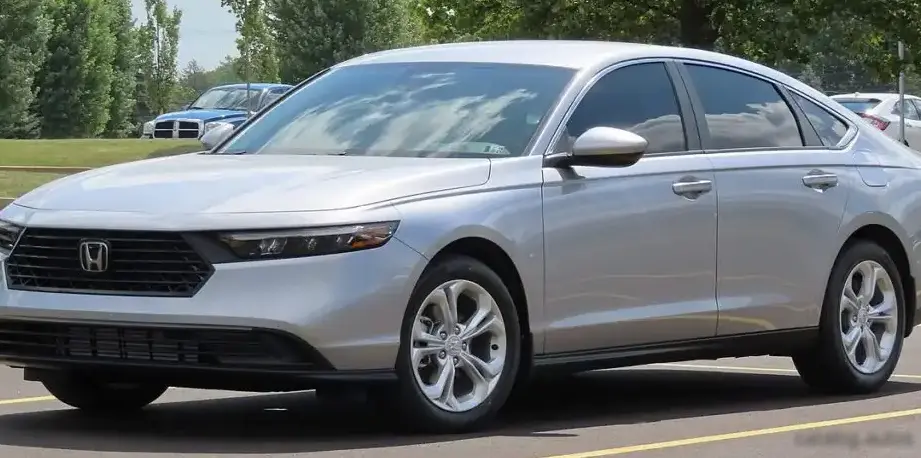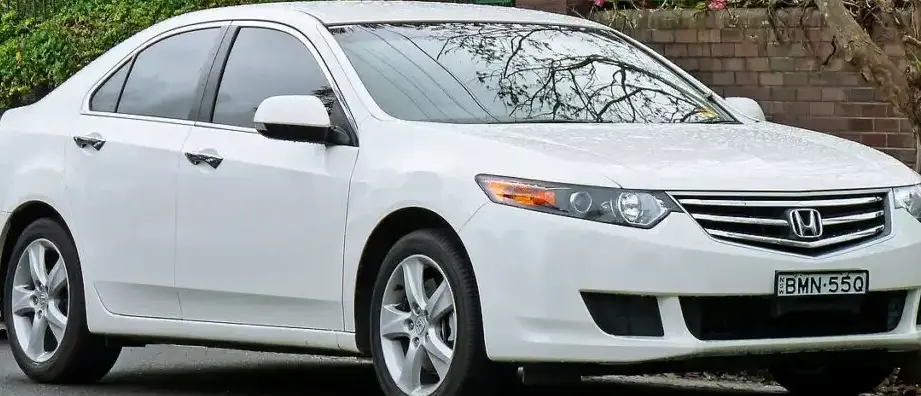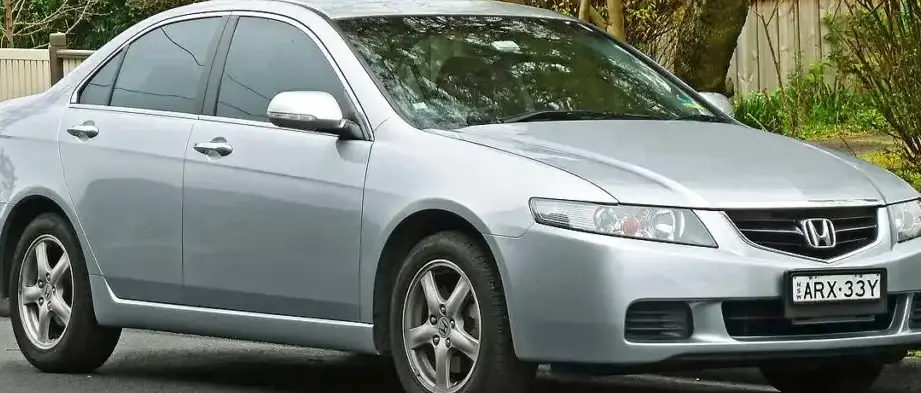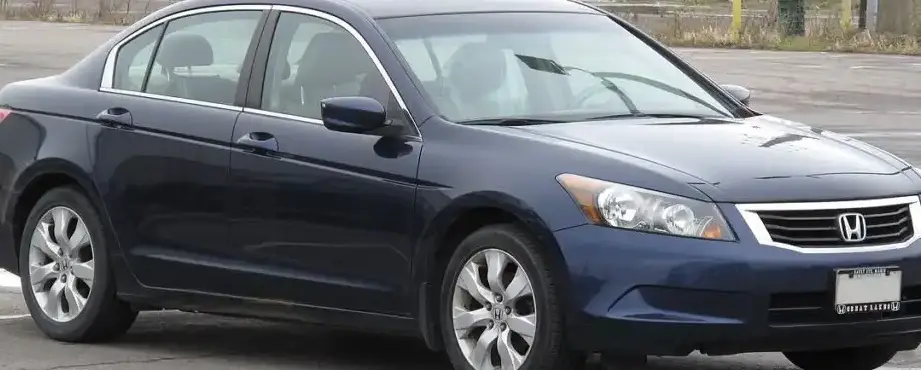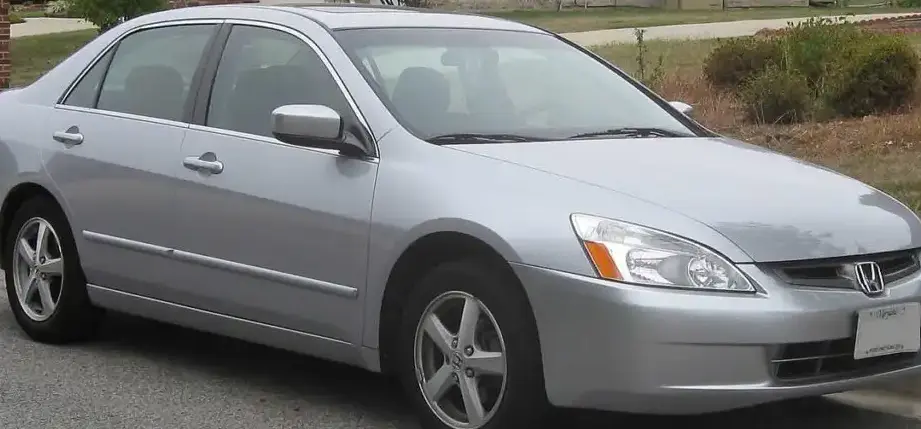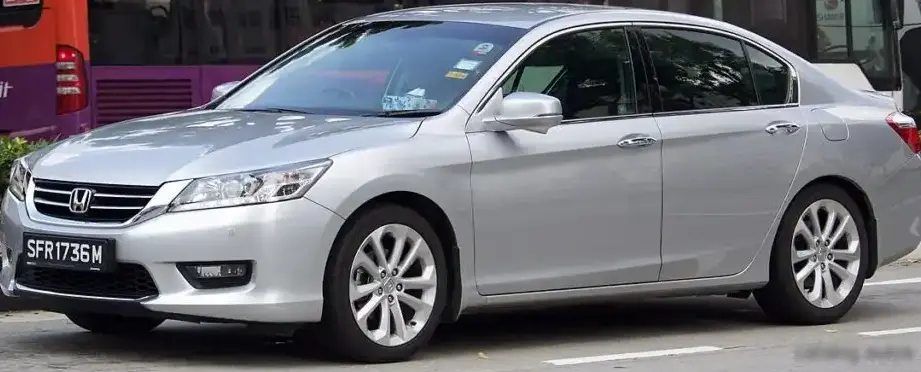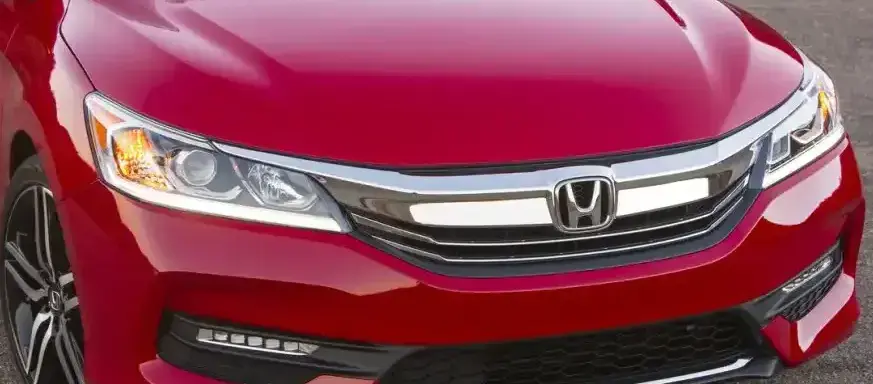
The Honda Accord IX facelift, produced from 2016 to 2017, represented a significant evolution of Honda’s mid-size sedan. Within this generation, the 2.0-liter Hybrid variant equipped with the e-CVT (electronic Continuously Variable Transmission) occupied a premium position, offering a blend of fuel efficiency and respectable performance. This model, positioned above the standard 2.4-liter four-cylinder Accord, aimed to attract buyers seeking a technologically advanced and environmentally conscious vehicle without sacrificing the Accord’s renowned reliability and spaciousness. It was primarily marketed in North America and select international markets where hybrid technology was gaining traction.
Technical Specifications
| Brand | Honda |
| Model | Accord |
| Generation | Accord IX (facelift 2015) |
| Type (Engine) | 2.0 (215 Hp) Hybrid e-CVT |
| Start of production | 2016 |
| End of production | 2017 |
| Powertrain Architecture | FHEV (Full Hybrid Electric Vehicle) |
| Body type | Sedan |
| Seats | 5 |
| Doors | 4 |
| Fuel consumption (urban) | 4.8 l/100 km (49 US mpg, 58.9 UK mpg, 20.8 km/l) |
| Fuel consumption (extra urban) | 5 l/100 km (47 US mpg, 56.5 UK mpg, 20 km/l) |
| Fuel consumption (combined) | 4.9 l/100 km (48 US mpg, 57.6 UK mpg, 20.4 km/l) |
| Fuel Type | Petrol (Gasoline) |
| Weight-to-power ratio | 7.3 kg/Hp, 136.1 Hp/tonne |
| Weight-to-torque ratio | 9 kg/Nm, 110.8 Nm/tonne |
| Gross battery capacity | 1.3 kWh |
| Battery technology | Lithium-ion (Li-Ion) |
| Battery location | Under the trunk |
| Electric motor power | 184 Hp |
| Electric motor Torque | 315 Nm @ 0-2000 rpm (232.33 lb.-ft. @ 0-2000 rpm) |
| Electric motor location | Integrated into the transmission |
| System power | 215 Hp @ 6200 rpm |
| Internal combustion engine power | 146 Hp @ 6200 rpm |
| Power per litre | 73.3 Hp/l |
| Engine torque | 175 Nm @ 3500 rpm (129.07 lb.-ft. @ 3500 rpm) |
| Engine layout | Front, Transverse |
| Engine displacement | 1993 cm3 (121.62 cu. in.) |
| Number of cylinders | 4 |
| Engine configuration | Inline |
| Cylinder Bore | 81 mm (3.19 in.) |
| Piston Stroke | 96.7 mm (3.81 in.) |
| Compression ratio | 13:1 |
| Number of valves per cylinder | 4 |
| Fuel injection system | Multi-port manifold injection |
| Engine aspiration | Naturally aspirated engine |
| Valvetrain | DOHC, i-VTEC |
| Engine oil capacity | 3.8 l (4.02 US qt | 3.34 UK qt) |
| Coolant capacity | 5.71 l (6.03 US qt | 5.02 UK qt) |
| Kerb Weight | 1580 kg (3483.3 lbs.) |
| Max. weight | 2060 kg (4541.52 lbs.) |
| Max load | 480 kg (1058.22 lbs.) |
| Trunk (boot) space (minimum) | 382 l (13.49 cu. ft.) |
| Fuel tank capacity | 56 l (14.79 US gal | 12.32 UK gal) |
| Length | 4930 mm (194.09 in.) |
| Width | 1849 mm (72.8 in.) |
| Height | 1461 mm (57.52 in.) |
| Wheelbase | 2776 mm (109.29 in.) |
| Front track | 1585 mm (62.4 in.) |
| Rear track | 1593 mm (62.72 in.) |
| Drag coefficient (Cd) | 0.30 |
| Minimum turning circle | 11.6 m (38.06 ft.) |
| Drivetrain Architecture | Front wheel drive. FHEV. ICE and electric motor drive front wheels. |
| Drive wheel | Front wheel drive |
| Number of gears/gearbox type | automatic transmission e-CVT |
| Front suspension | Independent type McPherson |
| Rear suspension | Independent multi-link suspension |
| Front brakes | Ventilated discs, 292 mm |
| Rear brakes | Disc, 282 mm |
| Assisting systems | ABS (Anti-lock braking system) |
| Steering type | Steering rack and pinion |
| Power steering | Electric Steering |
| Tires size | 225/50 R17 V |
| Wheel rims size | 7.5J x 17 ET55 |
Powertrain & Engine Architecture
The heart of the 2016-2017 Accord Hybrid was its 2.0-liter inline-four cylinder engine, designated as part of Honda’s Earth Dreams Technology series. This engine, producing 146 horsepower and 129 lb-ft of torque, featured direct injection and Honda’s i-VTEC variable valve timing system. The engine operated on the Atkinson cycle, prioritizing efficiency over outright power. Crucially, this engine wasn’t solely responsible for propulsion; it worked in concert with a powerful 184-horsepower electric motor. The combined system output reached 215 horsepower. The e-CVT, unlike traditional CVTs, didn’t rely on a belt and pulley system. Instead, it utilized a planetary gearset to seamlessly blend power from the engine and electric motor, offering a smooth and linear driving experience. The lithium-ion battery pack, with a capacity of 1.3 kWh, was positioned under the trunk floor, minimizing impact on passenger space.
Driving Characteristics
The Accord Hybrid 2.0L e-CVT delivered a refined and comfortable driving experience. The e-CVT’s seamless operation eliminated the rubber-band feel often associated with conventional CVTs. Acceleration was brisk, particularly when both the engine and electric motor were working in unison. While not as overtly sporty as the Accord with the turbocharged 2.0-liter engine, the hybrid offered ample power for everyday driving and highway merging. The hybrid system prioritized electric-only operation at lower speeds, resulting in near-silent operation and exceptional fuel economy. Compared to the standard automatic transmission found in the 2.4-liter Accord, the e-CVT provided a more responsive and efficient driving experience. The hybrid’s regenerative braking system also contributed to improved fuel efficiency by capturing energy during deceleration.
Equipment & Trim Levels
The 2.0-liter Hybrid was typically offered in well-equipped trim levels, often mirroring the features of the higher-end trims of the standard Accord. Standard features generally included Honda Sensing suite of safety technologies (including adaptive cruise control, lane keeping assist, and collision mitigation braking), a multi-angle rearview camera, automatic climate control, a touchscreen infotainment system with Apple CarPlay and Android Auto compatibility, and premium cloth upholstery. Optional extras often included leather upholstery, a sunroof, a premium audio system, and navigation. The interior design was generally upscale and modern, with a focus on ergonomics and user-friendliness.
Chassis & Braking
The Accord Hybrid utilized a MacPherson strut front suspension and a multi-link rear suspension, tuned to provide a comfortable ride without sacrificing handling. The suspension components were generally similar to those found in other Accord models, but the hybrid’s added weight due to the battery pack and electric motor necessitated slightly stiffer spring rates. Braking duties were handled by ventilated discs at the front and solid discs at the rear. The hybrid system incorporated regenerative braking, which supplemented the conventional friction brakes and helped to recharge the battery. ABS (Anti-lock Braking System) was standard.
Market Reception & Comparison
The 2016-2017 Honda Accord Hybrid 2.0L e-CVT was generally well-received by automotive critics. It was praised for its fuel efficiency, smooth ride, and refined driving experience. Critics noted that the hybrid offered a compelling alternative to traditional gasoline-powered sedans, particularly for buyers who prioritized fuel economy and environmental responsibility. Compared to the standard 2.4-liter Accord, the hybrid offered superior fuel economy but came at a slightly higher price point. Compared to other hybrid sedans in its class, such as the Toyota Camry Hybrid, the Accord Hybrid was often lauded for its more engaging driving dynamics.
Legacy
The Honda Accord Hybrid 2.0L e-CVT has proven to be a reliable and durable vehicle. The hybrid powertrain, while complex, has demonstrated a good track record for long-term reliability. The e-CVT transmission, in particular, has been largely trouble-free. On the used car market, these Accords hold their value relatively well, reflecting their reputation for reliability and fuel efficiency. The 2016-2017 Accord Hybrid represented a significant step forward in Honda’s hybrid technology and helped to establish the Accord as a leader in the mid-size hybrid sedan segment.