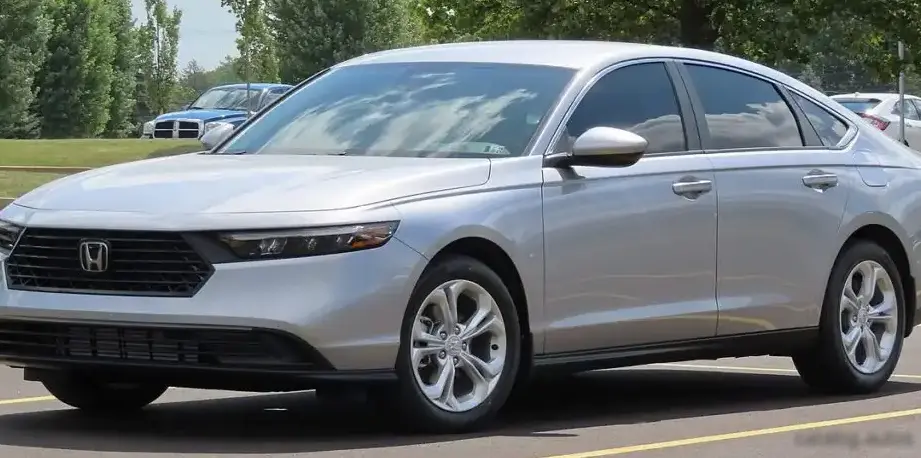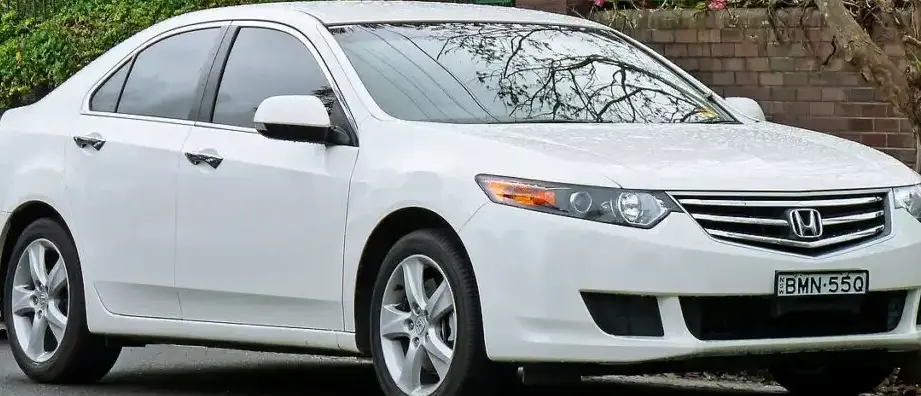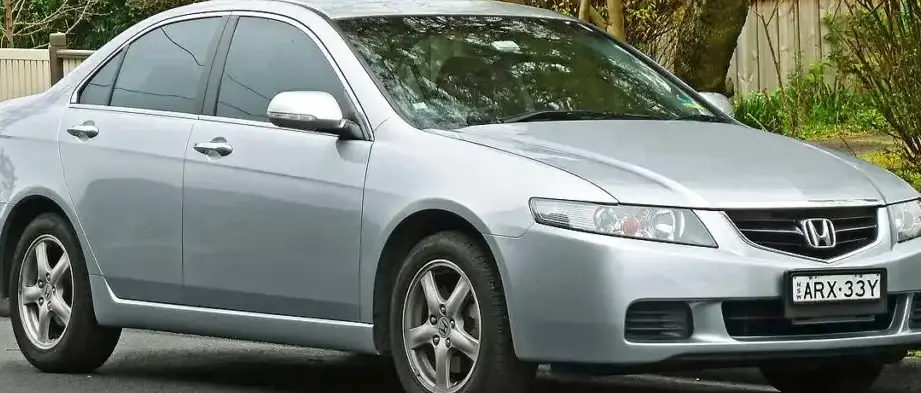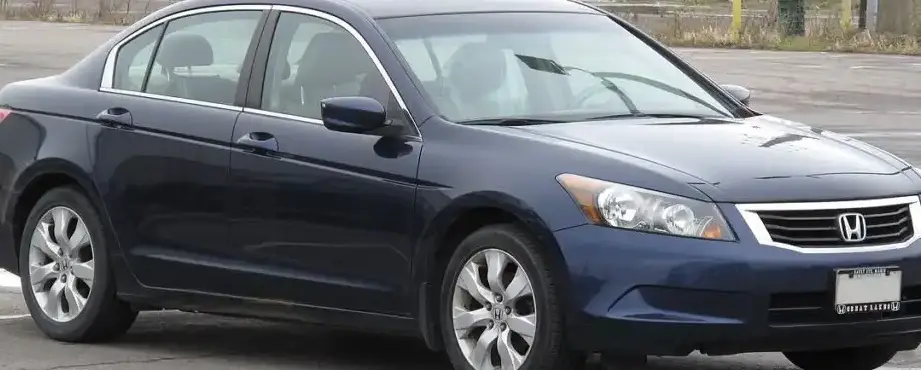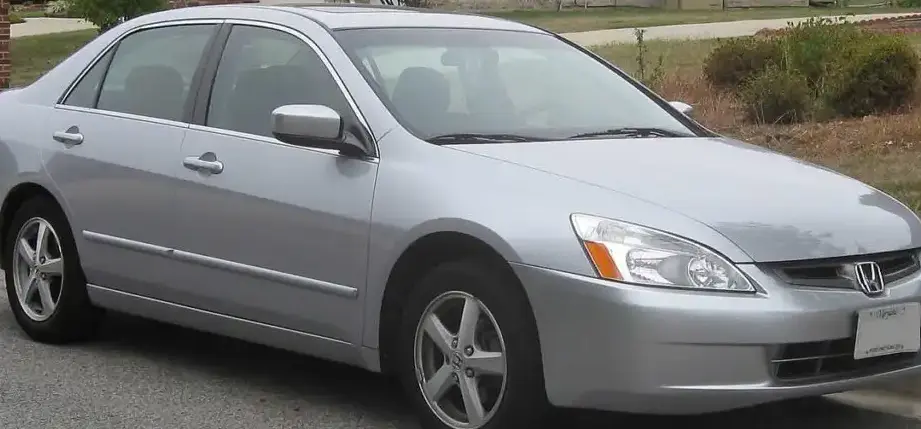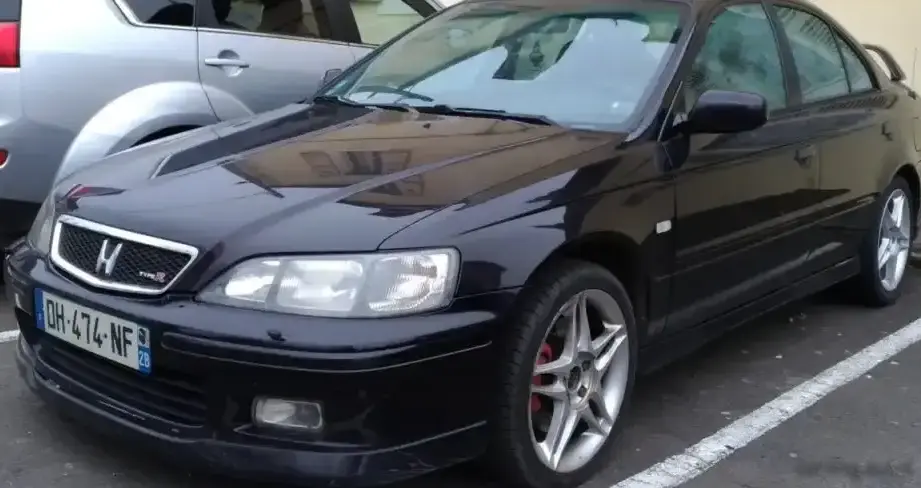
The Honda Accord VI, produced between 1998 and 2002, represented a significant evolution for Honda’s popular mid-size sedan. Within the CE and CF chassis codes, a variety of engine and transmission options were offered to cater to diverse consumer needs. The 1.6 16V variant, producing 115 horsepower, occupied a key position as an entry-level offering, particularly in markets outside of North America where larger displacement engines were less common. This model aimed to balance affordability with Honda’s reputation for reliability and fuel efficiency. It served as a stepping stone into the Accord range, offering a more accessible price point than the more powerful 2.0L and V6 options.
Technical Specifications
| Brand | Honda |
| Model | Accord |
| Generation | Accord VI (CE,CF) |
| Type (Engine) | 1.6 16V (115 Hp) |
| Start of production | 1998 |
| End of production | 2002 |
| Powertrain Architecture | Internal Combustion engine |
| Body type | Sedan |
| Seats | 5 |
| Doors | 4 |
| Fuel consumption (urban) | 10.7 l/100 km (22 US mpg) |
| Fuel consumption (extra urban) | 6.8 l/100 km (34.6 US mpg) |
| Fuel Type | Petrol (Gasoline) |
| Acceleration 0 – 100 km/h | 12.2 sec |
| Acceleration 0 – 62 mph | 12.2 sec |
| Acceleration 0 – 60 mph | 11.6 sec |
| Maximum speed | 190 km/h (118.06 mph) |
| Weight-to-power ratio | 11.1 kg/Hp |
| Weight-to-torque ratio | 9.1 kg/Nm |
| Power | 115 Hp @ 6500 rpm |
| Power per litre | 72.3 Hp/l |
| Torque | 140 Nm @ 5100 rpm (103.26 lb.-ft. @ 5100 rpm) |
| Engine layout | Front, Transverse |
| Engine Model/Code | D16B6 |
| Engine displacement | 1590 cm3 (97.03 cu. in.) |
| Number of cylinders | 4 |
| Engine configuration | Inline |
| Cylinder Bore | 75 mm (2.95 in.) |
| Piston Stroke | 90 mm (3.54 in.) |
| Compression ratio | 9.6:1 |
| Number of valves per cylinder | 4 |
| Fuel injection system | Multi-port manifold injection |
| Engine aspiration | Naturally aspirated engine |
| Valvetrain | OHC |
| Engine oil capacity | 3.3 l (3.49 US qt | 2.9 UK qt) |
| Coolant capacity | 4.6 l (4.86 US qt | 4.05 UK qt) |
| Kerb Weight | 1280 kg (2821.92 lbs.) |
| Max. weight | 1740 kg (3836.04 lbs.) |
| Max load | 460 kg (1014.13 lbs.) |
| Trunk (boot) space – minimum | 430 l (15.19 cu. ft.) |
| Fuel tank capacity | 65 l (17.17 US gal | 14.3 UK gal) |
| Length | 4595 mm (180.91 in.) |
| Width | 1750 mm (68.9 in.) |
| Height | 1430 mm (56.3 in.) |
| Wheelbase | 2670 mm (105.12 in.) |
| Front track | 1495 mm (58.86 in.) |
| Rear (Back) track | 1504 mm (59.21 in.) |
| Drivetrain Architecture | The Internal combustion engine (ICE) drives the front wheels of the vehicle. |
| Drive wheel | Front wheel drive |
| Number of gears and type of gearbox | 5 gears, manual transmission |
| Front suspension | Double wishbone |
| Rear suspension | Several levers and rods |
| Front brakes | Ventilated discs |
| Rear brakes | Drum |
| Assisting systems | ABS (Anti-lock braking system) |
| Steering type | Steering rack and pinion |
| Power steering | Hydraulic Steering |
| Tires size | 185/70 R14 |
| Wheel rims size | 14 |
Powertrain & Engine Architecture
The heart of this Accord variant is the D16B6 engine, a 1.6-liter inline-four cylinder powerplant. This engine utilizes a single overhead camshaft (SOHC) valvetrain, operating 16 valves (four per cylinder). The D16B6 featured multi-point fuel injection, a significant improvement over earlier carburetor-equipped engines, contributing to better fuel efficiency and smoother operation. The engine’s design prioritized reliability and ease of maintenance. The 5-speed manual transmission paired with this engine was a conventional unit, chosen for its durability and cost-effectiveness. It featured a typical front-wheel-drive layout, with the engine transversely mounted to maximize cabin space.
Driving Characteristics
The 1.6L Accord offered a comfortable, if not particularly exhilarating, driving experience. With 115 horsepower, acceleration was adequate for everyday driving, but it wasn’t designed for sporty performance. The 0-60 mph time of around 11.6 seconds reflects this. The manual transmission allowed for reasonable control, but the engine’s peak torque of 103 lb-ft at 5100 rpm meant that frequent downshifting was necessary for overtaking or climbing hills. Compared to the more powerful 2.0L or V6 Accords, the 1.6L felt noticeably less responsive. However, its lighter weight contributed to better fuel economy and a more nimble feel in city driving.
Equipment & Trim Levels
The 1.6L Accord typically served as the base model, and as such, came with a relatively modest level of standard equipment. Features generally included power steering, air conditioning, and a basic audio system. Interior upholstery was typically cloth, and the dashboard featured a straightforward design. Optional extras, such as power windows, power locks, and an upgraded audio system, were available, but often added to the vehicle’s price. Trim levels varied by market, but generally focused on adding convenience features rather than performance enhancements.
Chassis & Braking
The Accord VI utilized a double wishbone suspension setup at the front, providing a comfortable ride and predictable handling. The rear suspension employed a multi-link design, further enhancing ride quality. Braking consisted of ventilated discs at the front and drum brakes at the rear. Anti-lock Braking System (ABS) was often included as standard equipment, enhancing safety. The chassis was designed to balance rigidity with weight reduction, contributing to the car’s overall handling characteristics. Stabilizer bars were fitted to both the front and rear axles to reduce body roll during cornering.
Market Reception & Comparison
The 1.6L Accord was generally well-received as a practical and reliable family sedan. Critics praised its fuel efficiency and comfortable ride, but noted its lack of outright performance. Compared to the higher-trim Accords, the 1.6L offered a more affordable entry point into the model range. Its fuel economy was notably better than the 2.0L and V6 variants, making it an attractive option for budget-conscious buyers. Reliability was a key strength, with the D16B6 engine proving to be durable and long-lasting.
Legacy
The D16B6 engine, found in this Accord variant, has earned a reputation for exceptional reliability. Even today, well-maintained examples can be found providing dependable transportation. The 1.6L Accord remains a popular choice in the used car market, particularly for those seeking an affordable and fuel-efficient vehicle. While not a performance icon, it represents a solid and dependable offering from Honda, embodying the brand’s commitment to quality and longevity. Parts availability remains good, making maintenance relatively straightforward and inexpensive.