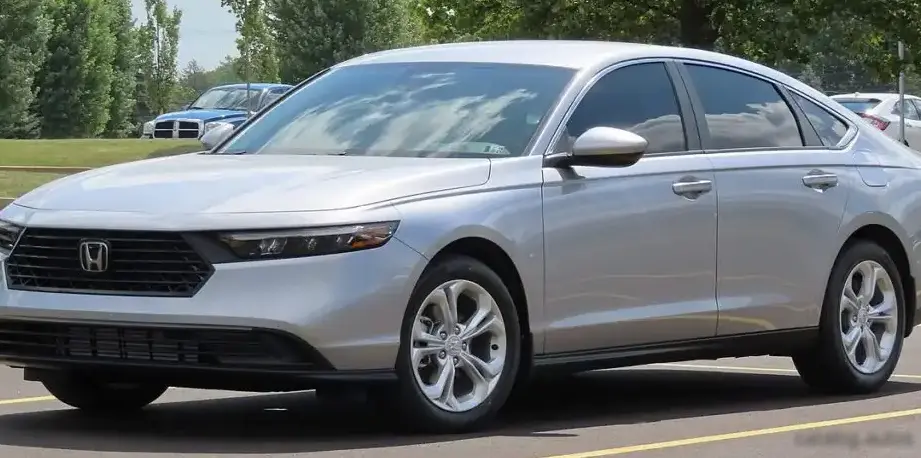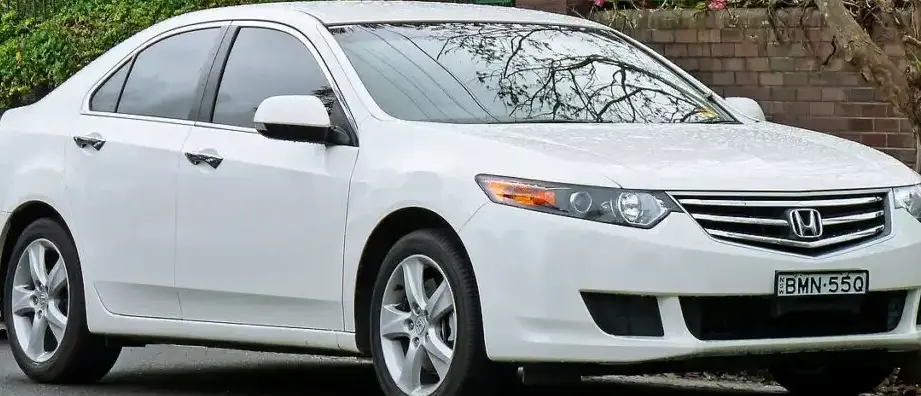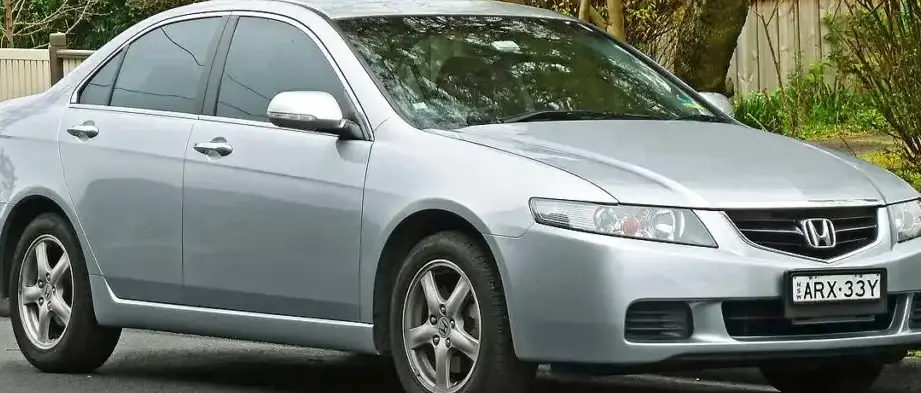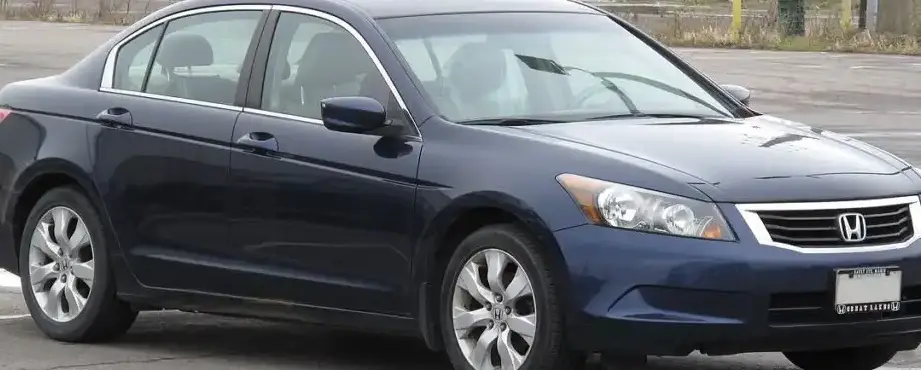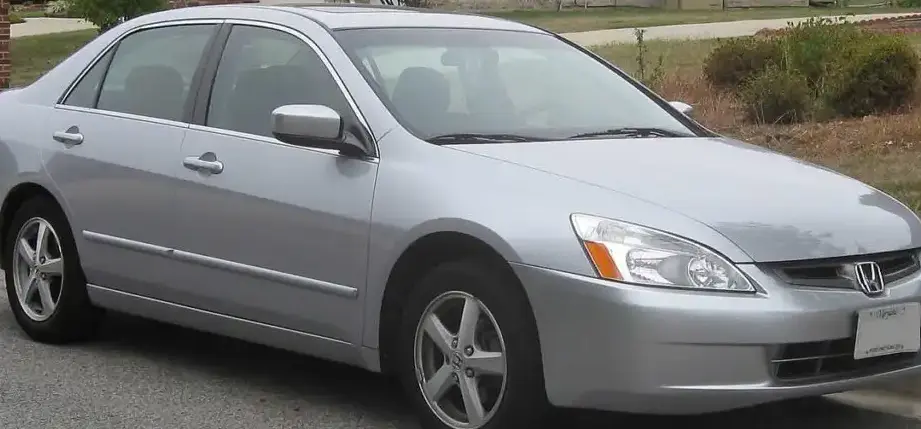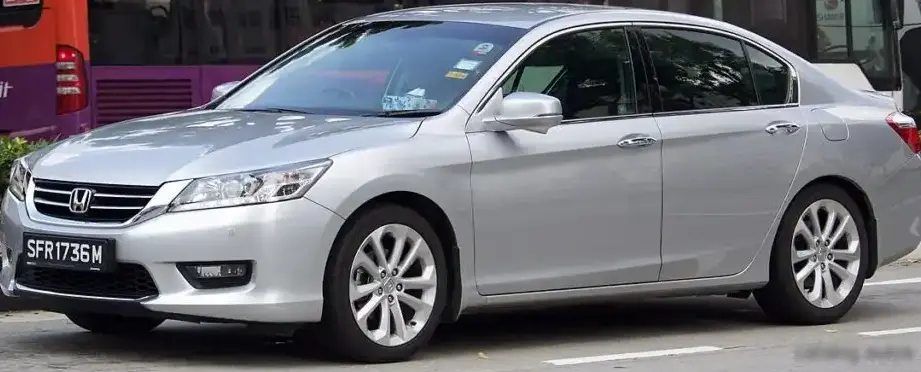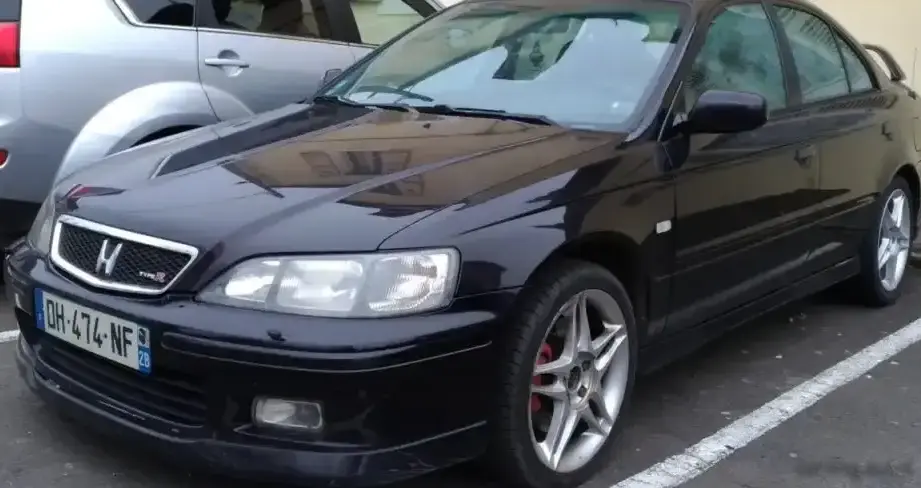
The Honda Accord VI, produced between 1998 and 2002, represented a significant evolution for Honda’s popular mid-size sedan. Within the CE and CF chassis codes, the 2.0 16V variant, producing 147 horsepower, occupied a middle ground in the Accord lineup. It offered a balance between affordability and performance, appealing to buyers seeking a more engaging driving experience than the base model, but without the higher price tag of the V6 options. This generation Accord was primarily sold in North America, Europe, and parts of Asia, and was known for its reliability, spacious interior, and refined driving characteristics. The 2.0 16V model was a key player in establishing the Accord’s reputation for quality and value.
Technical Specifications
| Brand | Honda |
| Model | Accord |
| Generation | Accord VI (CE,CF) |
| Type (Engine) | 2.0 16V (147 Hp) |
| Start of production | 1998 |
| End of production | 2002 |
| Powertrain Architecture | Internal Combustion engine |
| Body type | Sedan |
| Seats | 5 |
| Doors | 4 |
| Fuel consumption (urban) | 11.4 l/100 km (20.6 US mpg) |
| Fuel consumption (extra urban) | 6.9 l/100 km (34.1 US mpg) |
| Fuel Type | Petrol (Gasoline) |
| Acceleration 0 – 100 km/h | 9.9 sec |
| Acceleration 0 – 62 mph | 9.9 sec |
| Acceleration 0 – 60 mph | 9.4 sec |
| Maximum speed | 210 km/h (130.49 mph) |
| Weight-to-power ratio | 9.3 kg/Hp |
| Weight-to-torque ratio | 7.4 kg/Nm |
| Power | 147 Hp @ 6000 rpm |
| Power per litre | 73.6 Hp/l |
| Torque | 184 Nm @ 4800 rpm (135.71 lb.-ft. @ 4800 rpm) |
| Engine layout | Front, Transverse |
| Engine Model/Code | F20 |
| Engine displacement | 1997 cm3 (121.86 cu. in.) |
| Number of cylinders | 4 |
| Engine configuration | Inline |
| Cylinder Bore | 85 mm (3.35 in.) |
| Piston Stroke | 88 mm (3.46 in.) |
| Compression ratio | 10:1 |
| Number of valves per cylinder | 4 |
| Fuel injection system | Multi-port manifold injection |
| Engine aspiration | Naturally aspirated engine |
| Valvetrain | OHC |
| Engine oil capacity | 4.3 l (4.54 US qt | 3.78 UK qt) |
| Coolant | 5.8 l (6.13 US qt | 5.1 UK qt) |
| Kerb Weight | 1365 kg (3009.31 lbs.) |
| Max. weight | 1890 kg (4166.74 lbs.) |
| Max load | 525 kg (1157.43 lbs.) |
| Trunk (boot) space – minimum | 430 l (15.19 cu. ft.) |
| Fuel tank capacity | 65 l (17.17 US gal | 14.3 UK gal) |
| Length | 4595 mm (180.91 in.) |
| Width | 1750 mm (68.9 in.) |
| Height | 1430 mm (56.3 in.) |
| Wheelbase | 2670 mm (105.12 in.) |
| Front track | 1495 mm (58.86 in.) |
| Rear (Back) track | 1504 mm (59.21 in.) |
| Drivetrain Architecture | The Internal combustion engine (ICE) drives the front wheels of the vehicle. |
| Drive wheel | Front wheel drive |
| Number of gears and type of gearbox | 5 gears, manual transmission |
| Front suspension | Double wishbone |
| Rear suspension | Several levers and rods |
| Front brakes | Ventilated discs |
| Rear brakes | Disc |
| Assisting systems | ABS (Anti-lock braking system) |
| Steering type | Steering rack and pinion |
| Power steering | Hydraulic Steering |
| Tires size | 195/60 R15 |
| Wheel rims size | 15 |
Powertrain & Engine Architecture
The heart of the Accord VI 2.0 16V is the F20DOHC inline-four cylinder engine. This engine, a member of Honda’s renowned F-series, featured a 10:1 compression ratio and utilized a multi-port fuel injection system for precise fuel delivery. The 16 valves (four per cylinder) were actuated by a single overhead camshaft (SOHC) design, contributing to the engine’s relatively smooth operation and good mid-range torque. The F20 was known for its robust construction and ability to withstand high mileage. The five-speed manual transmission was the standard offering, providing drivers with direct control over the engine’s power. The engine’s transverse mounting and front-wheel-drive configuration were typical for vehicles in this class, optimizing interior space and packaging efficiency.
Driving Characteristics
The 2.0 16V Accord offered a noticeably more spirited driving experience compared to the base 1.8L models. With 147 horsepower and 135.71 lb-ft of torque, acceleration to 60 mph took approximately 9.4 seconds, making it competitive with other mid-size sedans of the era. The five-speed manual transmission allowed drivers to fully exploit the engine’s powerband, while the gear ratios were well-chosen for both everyday driving and highway cruising. While not a sports car, the 2.0L Accord provided ample power for merging onto highways and overtaking slower traffic. Compared to the later V6 models, the 2.0L offered a lighter front end, contributing to more balanced handling. The suspension, tuned for comfort, still provided a reasonably controlled ride, even when pushed through corners.
Equipment & Trim Levels
The 2.0 16V Accord typically came equipped with features such as power windows, power locks, and air conditioning as standard. Higher trim levels added options like a sunroof, upgraded audio systems, and alloy wheels. Interior upholstery was generally cloth, with leather options available on some trims. The dashboard layout was functional and straightforward, prioritizing ease of use. Optional extras included a CD player, cruise control, and a rear window defroster. The specific trim levels varied slightly depending on the market, but generally followed a progression from base models to more luxurious versions.
Chassis & Braking
The Accord VI utilized a front independent double wishbone suspension and a rear multi-link suspension, providing a comfortable and controlled ride. The front brakes were ventilated discs, offering good stopping power, while the rear brakes were solid discs. ABS (Anti-lock Braking System) was standard, enhancing safety in emergency braking situations. The steering was rack-and-pinion with hydraulic power assistance, providing precise and responsive steering feel. The chassis was designed to balance rigidity with weight savings, contributing to the car’s overall handling characteristics.
Market Reception & Comparison
The Honda Accord VI 2.0 16V was generally well-received by automotive critics. It was praised for its reliability, spacious interior, and refined driving experience. Compared to the base 1.8L models, the 2.0L offered a significant performance upgrade without a substantial price increase. Fuel economy was respectable, averaging around 20.6 mpg in the city and 34.1 mpg on the highway. Compared to competitors like the Toyota Camry and Nissan Maxima, the Accord offered a compelling combination of value, reliability, and driving enjoyment. Some critics noted that the interior styling was somewhat conservative, but overall, the Accord was considered a strong contender in the mid-size sedan segment.
Legacy
The F20 engine, found in the Accord VI 2.0 16V, has proven to be remarkably durable and reliable over the long term. Many examples are still on the road today, testament to Honda’s engineering prowess. The 2.0 16V variant remains a popular choice among used car buyers seeking a dependable and affordable mid-size sedan. Maintenance costs are generally reasonable, and parts availability is good. The Accord VI’s reputation for quality and reliability has cemented its place as a classic example of Japanese automotive engineering. While not as sought-after as the V6 models, the 2.0 16V offers a sweet spot in the lineup, providing a good balance of performance, economy, and affordability.