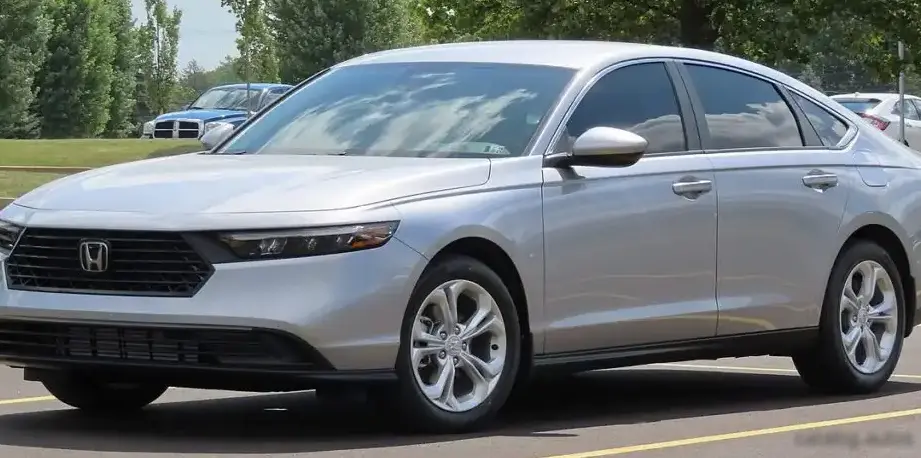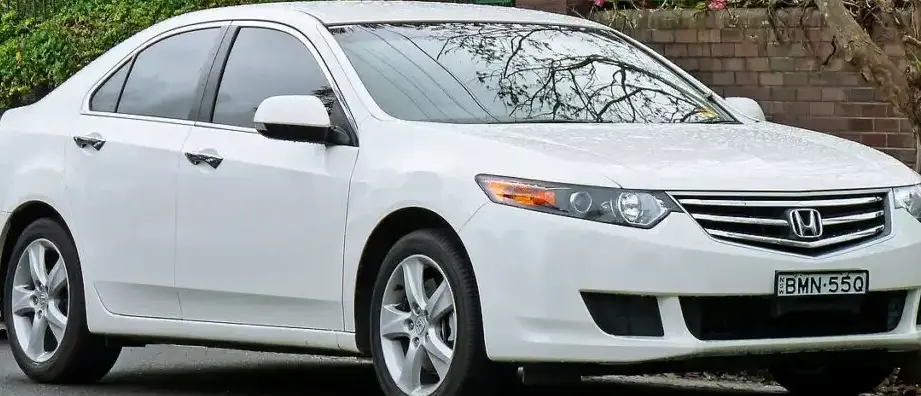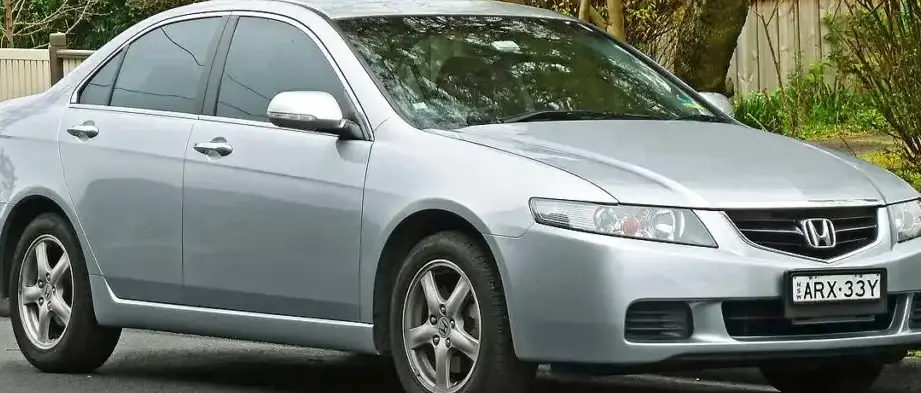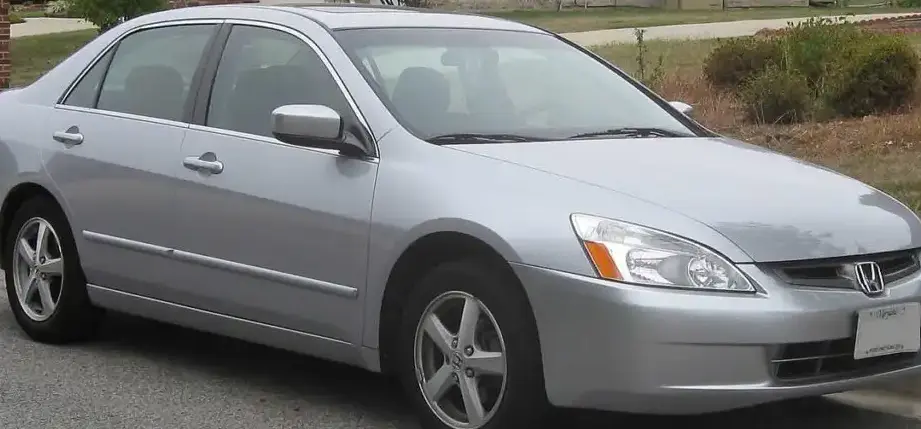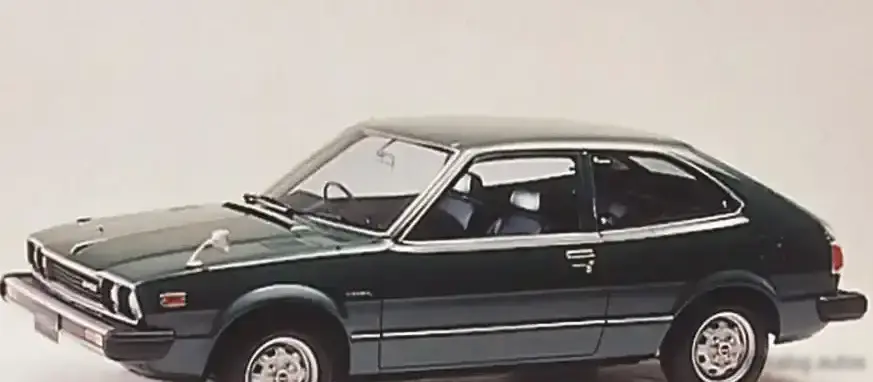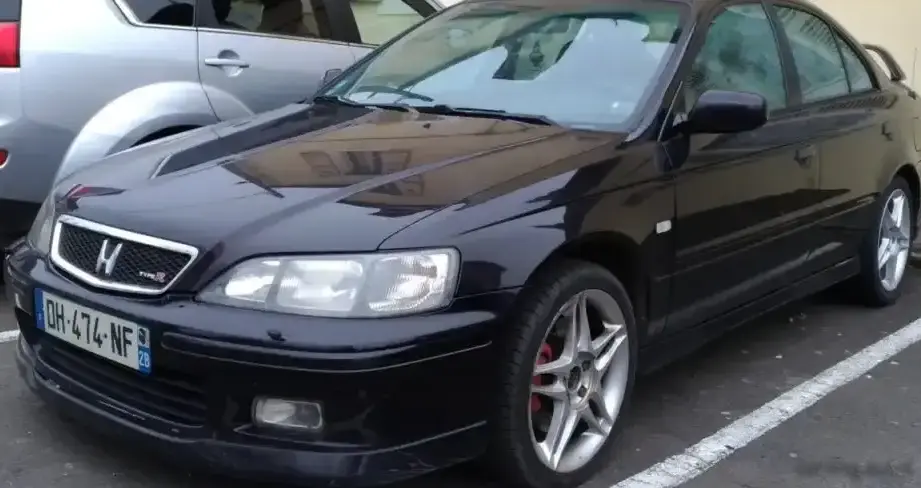
The Honda Accord VI, specifically the 2.0 Turbo Di variant produced between 1998 and 2002, represented a unique offering within the sixth generation (CE, CF) Accord lineup. This model, primarily sold in European markets, distinguished itself with a turbocharged diesel engine, a relatively uncommon feature for the Accord in most regions. Positioned as a mid-range option, it aimed to provide a balance of fuel efficiency, reasonable performance, and a more refined driving experience than the base models. The Accord VI chassis, known for its reliability and spacious interior, served as a solid foundation for this diesel-powered variant.
Technical Specifications
| Brand | Honda |
| Model | Accord |
| Generation | Accord VI (CE,CF) |
| Type (Engine) | 2.0 Turbo Di (105 Hp) |
| Start of production | 1998 |
| End of production | 2002 |
| Powertrain Architecture | Internal Combustion engine |
| Body type | Sedan |
| Seats | 5 |
| Doors | 4 |
| Fuel consumption (urban) | 8 l/100 km (29.4 US mpg) |
| Fuel consumption (extra urban) | 5.1 l/100 km (46.1 US mpg) |
| Fuel Type | Diesel |
| Acceleration 0 – 100 km/h | 13 sec |
| Acceleration 0 – 62 mph | 13 sec |
| Acceleration 0 – 60 mph | 12.4 sec |
| Maximum speed | 185 km/h (114.95 mph) |
| Weight-to-power ratio | 11.8 kg/Hp |
| Weight-to-torque ratio | 5.9 kg/Nm |
| Power | 105 Hp @ 4200 rpm |
| Power per litre | 52.7 Hp/l |
| Torque | 210 Nm @ 2000 rpm (154.89 lb.-ft. @ 2000 rpm) |
| Engine layout | Front, Transverse |
| Engine Model/Code | L / 20T2N |
| Engine displacement | 1994 cm3 (121.68 cu. in.) |
| Number of cylinders | 4 |
| Engine configuration | Inline |
| Cylinder Bore | 84.5 mm (3.33 in.) |
| Piston Stroke | 88.9 mm (3.5 in.) |
| Compression ratio | 19.5:1 |
| Number of valves per cylinder | 2 |
| Fuel injection system | Direct injection |
| Engine aspiration | Turbocharger |
| Valvetrain | OHC |
| Engine oil capacity | 5 l (5.28 US qt | 4.4 UK qt) |
| Coolant capacity | 6 l (6.34 US qt | 5.28 UK qt) |
| Kerb Weight | 1235 kg (2722.71 lbs.) |
| Max. weight | 1900 kg (4188.78 lbs.) |
| Max load | 665 kg (1466.07 lbs.) |
| Trunk (boot) space – minimum | 430 l (15.19 cu. ft.) |
| Fuel tank capacity | 65 l (17.17 US gal | 14.3 UK gal) |
| Length | 4595 mm (180.91 in.) |
| Width | 1750 mm (68.9 in.) |
| Height | 1430 mm (56.3 in.) |
| Wheelbase | 2670 mm (105.12 in.) |
| Front track | 1507 mm (59.33 in.) |
| Rear (Back) track | 1515 mm (59.65 in.) |
| Drivetrain Architecture | The Internal combustion engine (ICE) drives the front wheels of the vehicle. |
| Drive wheel | Front wheel drive |
| Number of gears and type of gearbox | 5 gears, manual transmission |
| Front suspension | Double wishbone |
| Rear suspension | Several levers and rods |
| Front brakes | Ventilated discs |
| Rear brakes | Disc |
| Assisting systems | ABS (Anti-lock braking system) |
| Steering type | Steering rack and pinion |
| Power steering | Hydraulic Steering |
| Tires size | 185/70 R14 |
| Wheel rims size | 14 |
Powertrain & Engine Architecture
The heart of the Accord 2.0 Turbo Di was the L / 20T2N engine, a 1.994-liter inline-four cylinder diesel. This engine utilized direct fuel injection and a turbocharger to boost power output to 105 horsepower at 4200 rpm and 210 Nm (155 lb-ft) of torque at 2000 rpm. The high compression ratio of 19.5:1 was typical for diesel engines of the era, contributing to its efficiency. The engine featured a single overhead camshaft (OHC) valvetrain, operating two valves per cylinder. The turbocharger, while enhancing performance, also necessitated an intercooler to reduce intake air temperatures and prevent knock. The engine was paired with a five-speed manual transmission, the only gearbox option available for this variant. This transmission was chosen for its durability and ability to handle the engine’s torque output.
Driving Characteristics
The 2.0 Turbo Di offered a noticeably different driving experience compared to the gasoline-powered Accords available in North America. While not a sports car, the turbocharger provided a useful boost in acceleration, making highway merging and overtaking easier. The 0-60 mph time of around 12.4 seconds and a top speed of 115 mph were respectable for a diesel sedan of that period. The five-speed manual transmission allowed for precise control, and the torque-rich engine meant less frequent gear changes were needed. However, the engine could feel somewhat noisy and lacked the refinement of more modern diesel engines. Compared to the higher-output gasoline engines available in other Accord trims, the 2.0 Turbo Di prioritized fuel economy and low-end torque over outright horsepower.
Equipment & Trim Levels
The 2.0 Turbo Di typically came with a reasonable level of standard equipment. This included power windows, central locking, power steering, and an anti-lock braking system (ABS). Interior upholstery was generally cloth, with a functional and durable design. Optional extras could include air conditioning, a sunroof, and upgraded audio systems. The trim level was generally positioned as a mid-range offering, bridging the gap between the base models and the more luxurious trims. The dashboard layout was typical of the Accord VI, with a clear and straightforward instrument cluster.
Chassis & Braking
The Accord VI chassis featured a double wishbone front suspension and a multi-link rear suspension, providing a comfortable and controlled ride. The 2.0 Turbo Di variant, due to its increased weight compared to the base models, benefited from a slightly stiffer suspension setup to maintain handling balance. Braking duties were handled by ventilated discs at the front and solid discs at the rear. The ABS system provided enhanced braking performance and stability, particularly on slippery surfaces. The steering was a hydraulic rack and pinion system, offering precise and responsive steering feel.
Market Reception & Comparison
The Accord 2.0 Turbo Di was well-received in European markets where diesel engines were popular. Critics praised its fuel efficiency and reasonable performance, but some noted the engine’s lack of refinement compared to gasoline alternatives. Compared to the gasoline-powered Accords, the diesel variant offered significantly better fuel economy – around 46 mpg on the extra-urban cycle. However, it was generally more expensive to purchase and maintain, due to the complexity of the turbocharger and direct injection system. Compared to other diesel sedans in its class, the Accord offered a good balance of comfort, space, and reliability.
Legacy
The Honda Accord VI 2.0 Turbo Di, while not a high-volume seller, has gained a following among enthusiasts who appreciate its unique combination of features. The 20T2N engine, when properly maintained, proved to be a durable and reliable unit. Today, these Accords are relatively rare and can be found in good condition with reasonable mileage. The availability of spare parts can be a challenge, but the Accord’s overall reputation for reliability means that many examples are still on the road. The 2.0 Turbo Di represents a fascinating chapter in the Accord’s history, showcasing Honda’s willingness to experiment with different powertrain options to meet the demands of diverse markets.