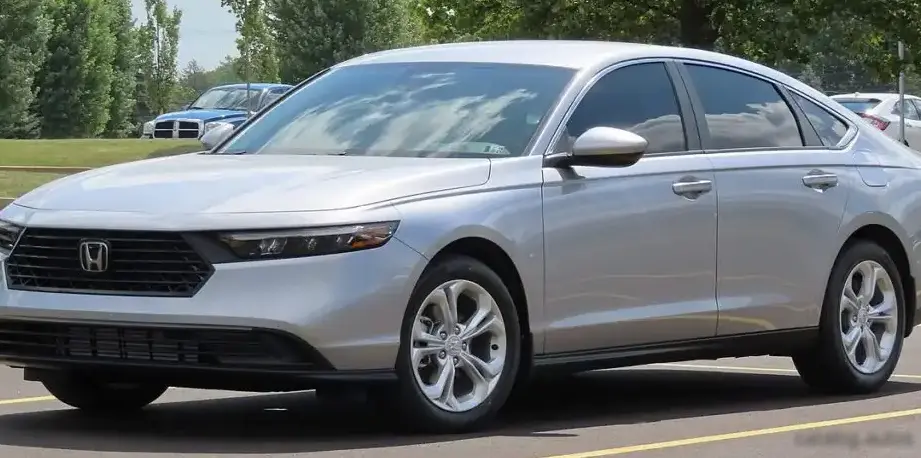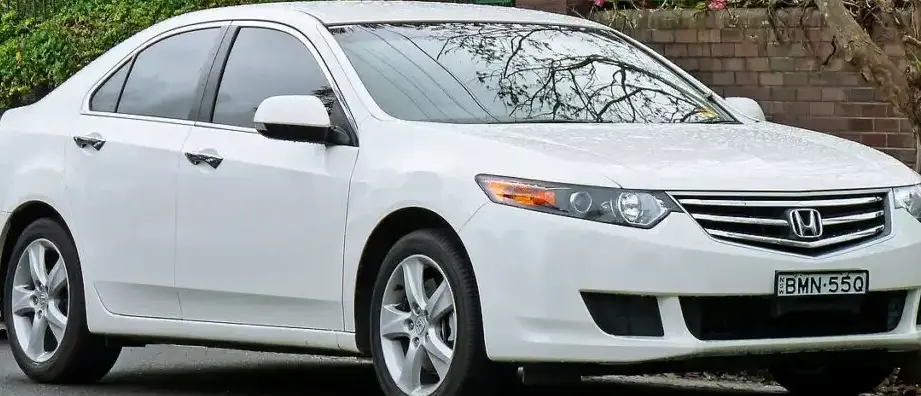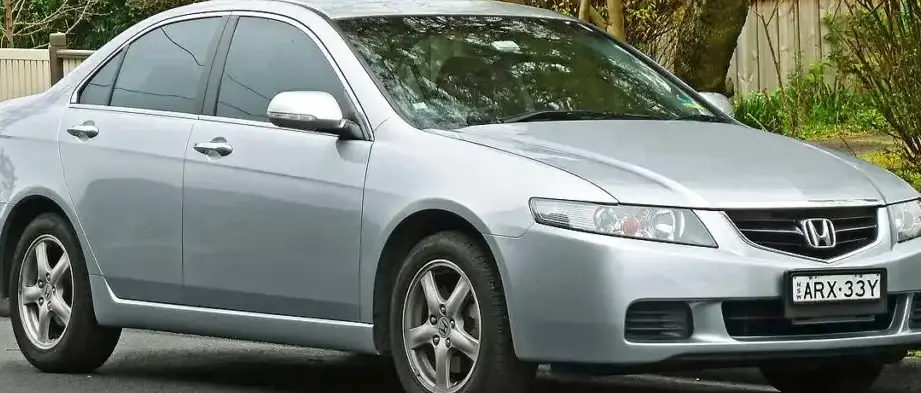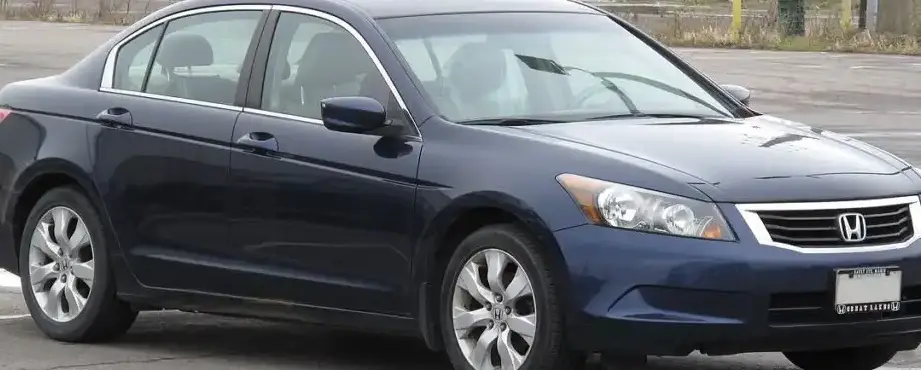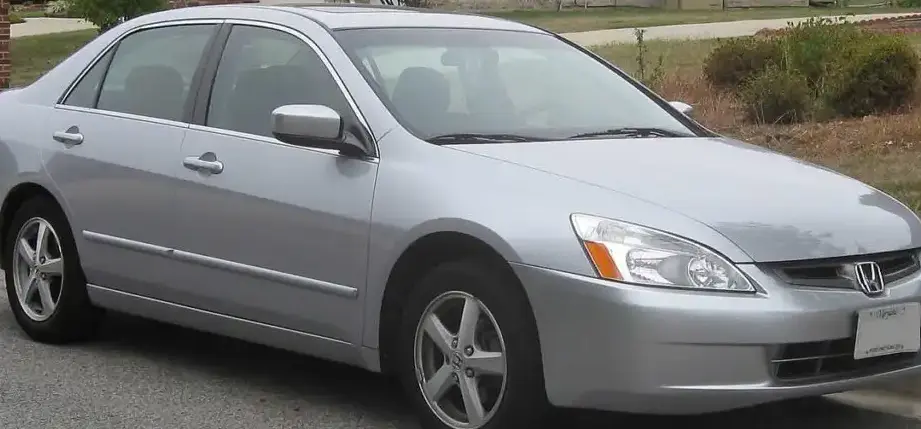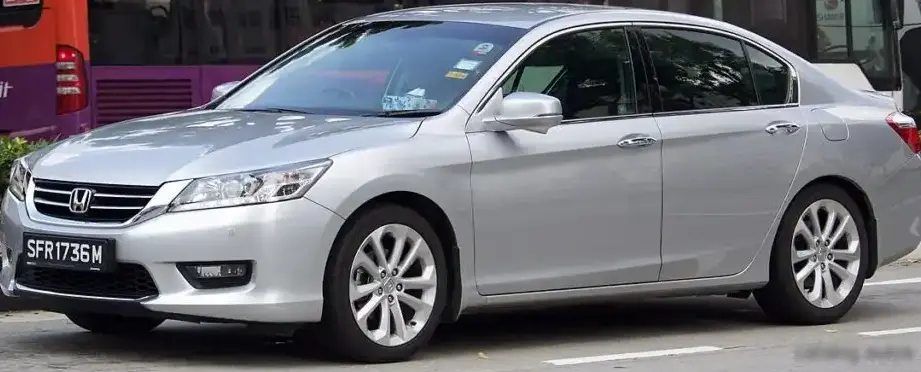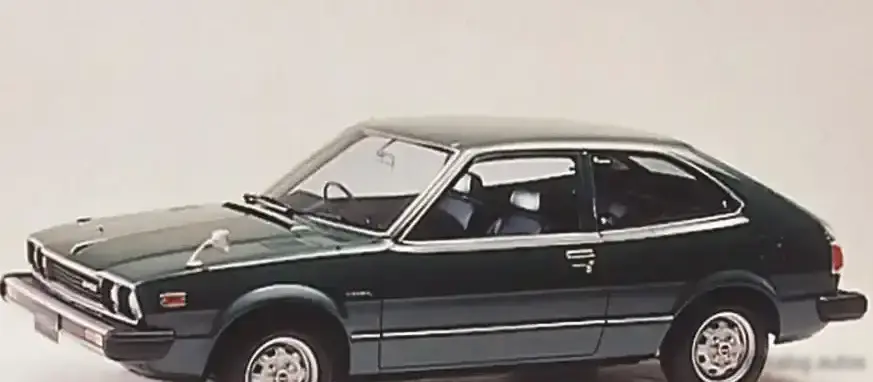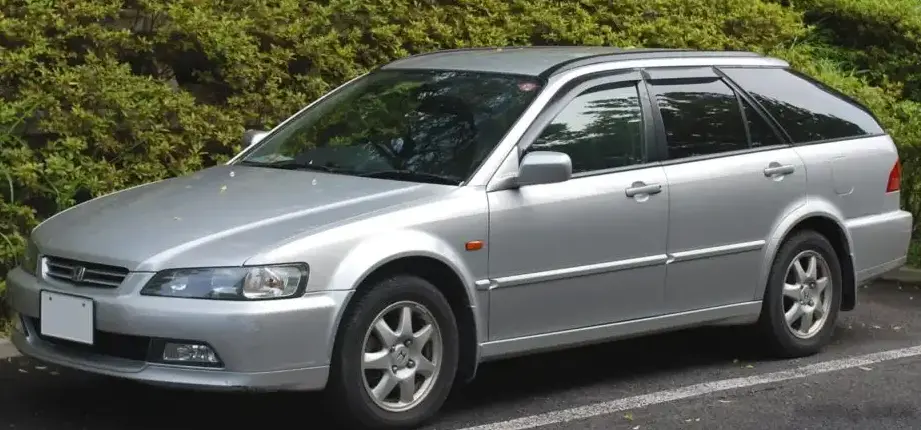
The Honda Accord VI Wagon 2.3 16V, produced between 1998 and 2002, represented a practical and relatively upscale offering within the sixth-generation (1997-2002) Accord lineup. Specifically aimed at the European and Japanese markets, the wagon body style – often referred to as an ‘estate’ – provided increased cargo capacity compared to the sedan, appealing to families and those requiring versatile vehicle space. This particular variant, equipped with the 2.3-liter 16-valve engine and a four-speed automatic transmission, occupied a mid-range position within the Accord wagon portfolio, offering a balance between performance and convenience. It was positioned above the base 1.8L models and below the more performance-oriented options, if available in wagon form in specific markets.
Technical Specifications
| Brand | Honda |
| Model | Accord |
| Generation | Accord VI Wagon |
| Type (Engine) | 2.3 16V (160 Hp) |
| Start of production | 1998 |
| End of production | 2002 |
| Powertrain Architecture | Internal Combustion engine |
| Body type | Station wagon (estate) |
| Seats | 5 |
| Doors | 5 |
| Fuel consumption (urban) | 13 l/100 km (18.1 US mpg, 21.7 UK mpg) |
| Fuel consumption (extra urban) | 7 l/100 km (33.6 US mpg, 40.4 UK mpg) |
| Fuel Type | Petrol (Gasoline) |
| Maximum speed | 200 km/h (124.27 mph) |
| Weight-to-power ratio | 8.6 kg/Hp, 115.9 Hp/tonne |
| Weight-to-torque ratio | 6.4 kg/Nm, 155.1 Nm/tonne |
| Power | 160 Hp @ 5700 rpm |
| Power per litre | 71 Hp/l |
| Torque | 214 Nm @ 4900 rpm (157.84 lb.-ft. @ 4900 rpm) |
| Engine layout | Front, Transverse |
| Engine Model/Code | F23 |
| Engine displacement | 2254 cm3 (137.55 cu. in.) |
| Number of cylinders | 4 |
| Engine configuration | Inline |
| Cylinder Bore | 86 mm (3.39 in.) |
| Piston Stroke | 97 mm (3.82 in.) |
| Compression ratio | 9.8:1 |
| Number of valves per cylinder | 4 |
| Fuel injection system | Multi-port manifold injection |
| Engine aspiration | Naturally aspirated engine |
| Valvetrain | OHC |
| Engine oil capacity | 4.3 l (4.54 US qt | 3.78 UK qt) |
| Coolant | 5.4 l (5.71 US qt | 4.75 UK qt) |
| Kerb Weight | 1380 kg (3042.38 lbs.) |
| Max. weight | 1655 kg (3648.65 lbs.) |
| Max load | 275 kg (606.27 lbs.) |
| Fuel tank capacity | 60 l (15.85 US gal | 13.2 UK gal) |
| Length | 4740 mm (186.61 in.) |
| Width | 1730 mm (68.11 in.) |
| Height | 1445 mm (56.89 in.) |
| Wheelbase | 2665 mm (104.92 in.) |
| Front track | 1490 mm (58.66 in.) |
| Rear track | 1490 mm (58.66 in.) |
| Drivetrain Architecture | Front wheel drive |
| Number of gears | 4 |
| Gearbox type | automatic transmission |
| Front suspension | Double wishbone |
| Rear suspension | Several levers and rods |
| Front brakes | Ventilated discs |
| Rear brakes | Disc |
| Assisting systems | ABS (Anti-lock braking system) |
| Steering type | Steering rack and pinion |
| Power steering | Hydraulic Steering |
| Tires size | 205/60 R15 |
| Wheel rims size | 15 |
Powertrain & Engine Architecture
The heart of this Accord wagon is the F23 2.3-liter inline-four cylinder engine. This engine, a member of Honda’s robust ‘F-series’ family, utilizes a single overhead camshaft (SOHC) valvetrain operating 16 valves (four per cylinder). The engine employs multi-point fuel injection, delivering fuel directly to each intake port for optimized combustion. The F23 is a non-interference engine, meaning the valves and pistons won’t collide if the timing belt breaks, reducing the risk of catastrophic engine damage. Paired with this engine is a four-speed automatic transmission, providing smooth, if not particularly sporty, gear changes. This transmission was chosen for its ease of use and suitability for everyday driving, rather than outright performance. The automatic transmission featured typical torque converter lock-up functionality to improve fuel efficiency at cruising speeds.
Driving Characteristics
The 160 horsepower and 214 Nm (158 lb-ft) of torque delivered by the 2.3-liter engine and automatic transmission combination provided adequate, but not exhilarating, performance. Acceleration from 0 to 60 mph was estimated to be around 9-10 seconds. The automatic transmission, while convenient, did result in some power loss compared to the available manual transmission options. Gear ratios were tuned for comfortable cruising and fuel economy, rather than aggressive acceleration. The wagon’s added weight, compared to the sedan, further impacted performance. However, the engine proved to be relatively smooth and refined, offering a pleasant driving experience for everyday commutes and longer journeys. The automatic transmission’s shift points were generally well-programmed, although it could sometimes feel hesitant during quick overtaking maneuvers.
Equipment & Trim Levels
The Accord VI Wagon 2.3 16V typically came equipped with a reasonable level of standard features. These included power windows, power door locks, central locking, air conditioning, and an AM/FM radio with cassette player. Higher trim levels, often denoted by specific badges or option packages, could add features such as alloy wheels, a sunroof, upgraded audio systems, and leather upholstery. Interior trim generally consisted of cloth upholstery, with a functional and durable dashboard layout. Safety features included dual airbags and ABS (Anti-lock Braking System) as standard equipment.
Chassis & Braking
The Accord VI Wagon utilized a front-engine, front-wheel-drive layout. Suspension consisted of a double wishbone setup at the front and a multi-link arrangement at the rear, providing a comfortable ride and reasonable handling characteristics. Braking duties were handled by ventilated discs at the front and solid discs at the rear. The ABS system helped to maintain steering control during hard braking situations. Steering was rack-and-pinion, assisted by hydraulic power steering for ease of maneuverability. The wagon’s suspension was tuned to prioritize ride comfort over sporty handling, making it a suitable choice for long-distance travel.
Market Reception & Comparison
The Accord VI Wagon, and specifically the 2.3 16V automatic variant, was generally well-received by automotive critics. It was praised for its practicality, reliability, and comfortable ride. However, some reviewers noted that the automatic transmission dulled the engine’s performance and that the wagon wasn’t as engaging to drive as some of its competitors. Compared to the 1.8L models, the 2.3 offered a noticeable performance improvement, while the 2.0L and 2.2L variants (where available) provided even more power. Fuel economy was respectable for its class, although not class-leading. The 2.3L automatic offered a good balance between performance and fuel efficiency.
Legacy
The Honda Accord VI Wagon 2.3 16V has proven to be a durable and reliable vehicle. The F23 engine is known for its longevity, and with proper maintenance, can reach high mileage. Today, these wagons are becoming increasingly sought after by enthusiasts and collectors, particularly those looking for a practical and reliable classic. Parts availability remains relatively good, although some trim-specific components may be difficult to find. The combination of practicality, reliability, and Honda’s reputation for build quality has ensured that the Accord VI Wagon 2.3 16V remains a respected and desirable vehicle in the used car market.