Technical Specifications
| Brand | Honda |
| Model | Accord |
| Generation | Accord VIII (facelift 2011) |
| Type (Engine) | 2.2 i-DTEC (150 Hp) |
| Start of production | 2011 |
| End of production | 2012 |
| Powertrain Architecture | Internal Combustion engine |
| Body type | Sedan |
| Seats | 5 |
| Doors | 4 |
| Fuel consumption (urban) | 6.8 l/100 km (34.6 US mpg, 41.5 UK mpg, 14.7 km/l) |
| Fuel consumption (extra urban) | 4.4 l/100 km (53.5 US mpg, 64.2 UK mpg, 22.7 km/l) |
| Fuel consumption (combined) | 5.3 l/100 km (44.4 US mpg, 53.3 UK mpg, 18.9 km/l) |
| Fuel Type | Diesel |
| Acceleration 0 – 100 km/h | 9.4 sec |
| Acceleration 0 – 62 mph | 9.4 sec |
| Acceleration 0 – 60 mph | 8.9 sec |
| Maximum speed | 212 km/h (131.73 mph) |
| Emission standard | Euro 5 |
| Weight-to-power ratio | 10.3 kg/Hp, 97.3 Hp/tonne |
| Weight-to-torque ratio | 4.4 kg/Nm, 227 Nm/tonne |
| Power | 150 Hp @ 4000 rpm |
| Power per litre | 68.2 Hp/l |
| Torque | 350 Nm @ 2000-2750 rpm (258.15 lb.-ft. @ 2000-2750 rpm) |
| Engine layout | Front, Transverse |
| Engine Model/Code | N22B1 |
| Engine displacement | 2199 cm3 (134.19 cu. in.) |
| Number of cylinders | 4 |
| Engine configuration | Inline |
| Compression ratio | 16.3:1 |
| Number of valves per cylinder | 4 |
| Fuel injection system | Diesel Commonrail |
| Engine aspiration | Turbocharger, Intercooler |
| Engine oil capacity | 5.5 l (5.81 US qt | 4.84 UK qt) |
| Coolant capacity | 6.9 l (7.29 US qt | 6.07 UK qt) |
| Kerb Weight | 1542 kg (3399.53 lbs.) |
| Trunk (boot) space – minimum | 467 l (16.49 cu. ft.) |
| Fuel tank capacity | 65 l (17.17 US gal | 14.3 UK gal) |
| Length | 4725 mm (186.02 in.) |
| Width | 1840 mm (72.44 in.) |
| Height | 1440 mm (56.69 in.) |
| Wheelbase | 2705 mm (106.5 in.) |
| Minimum turning circle | 11.72 m (38.45 ft.) |
| Drivetrain Architecture | Front wheel drive |
| Number of gears and type of gearbox | 6 gears, manual transmission |
| Front suspension | Independent multi-link suspension |
| Rear suspension | Independent multi-link spring suspension with stabilizer |
| Front brakes | Ventilated discs |
| Rear brakes | Disc |
| Assisting systems | ABS (Anti-lock braking system) |
| Steering type | Steering rack and pinion |
| Tires size | 215/60 R16 |
| Wheel rims size | 16 |
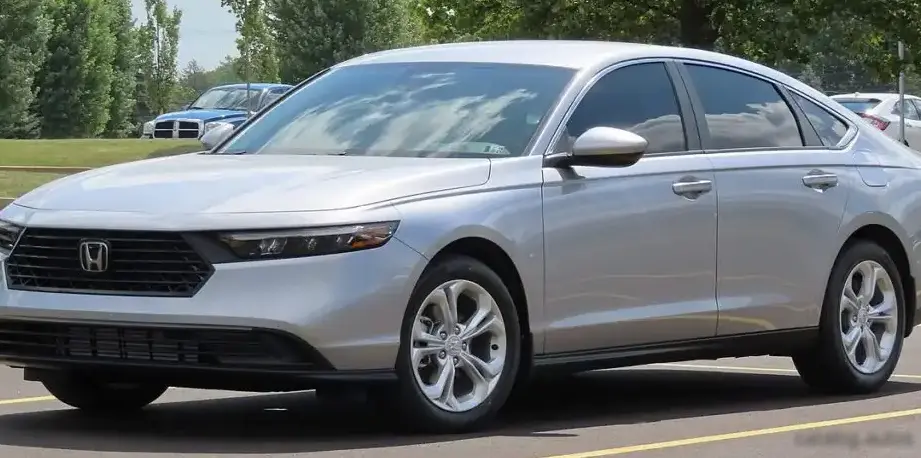
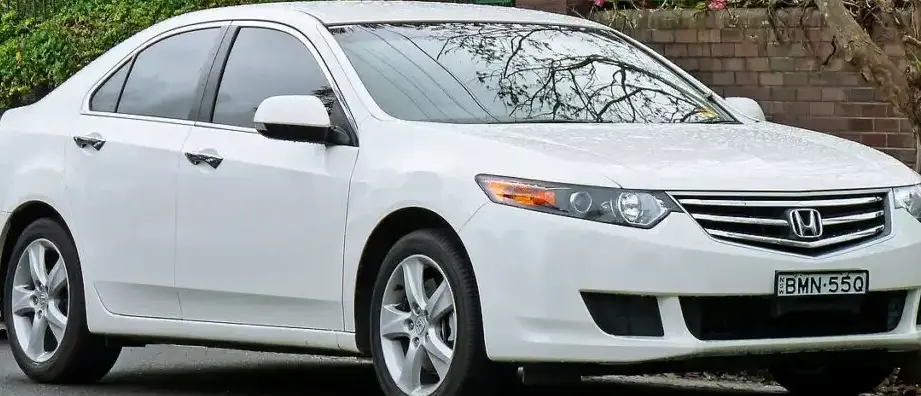
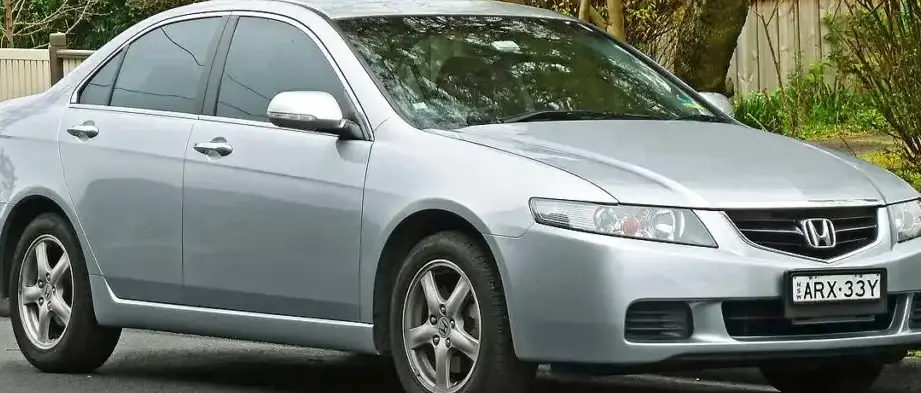
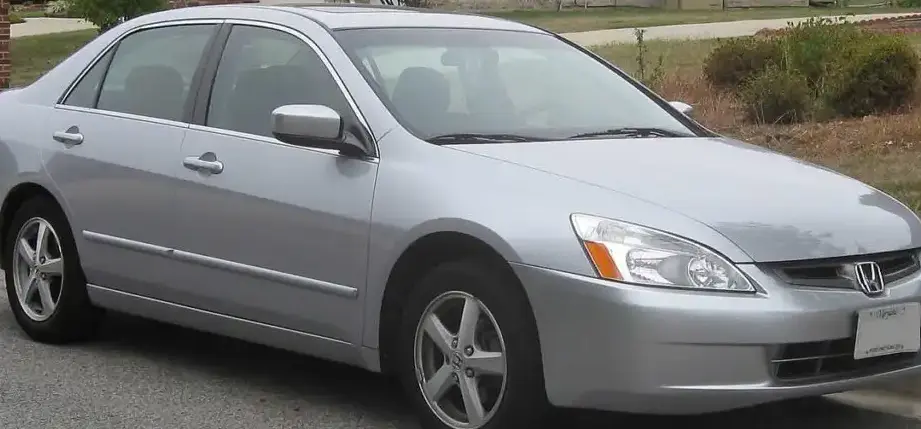
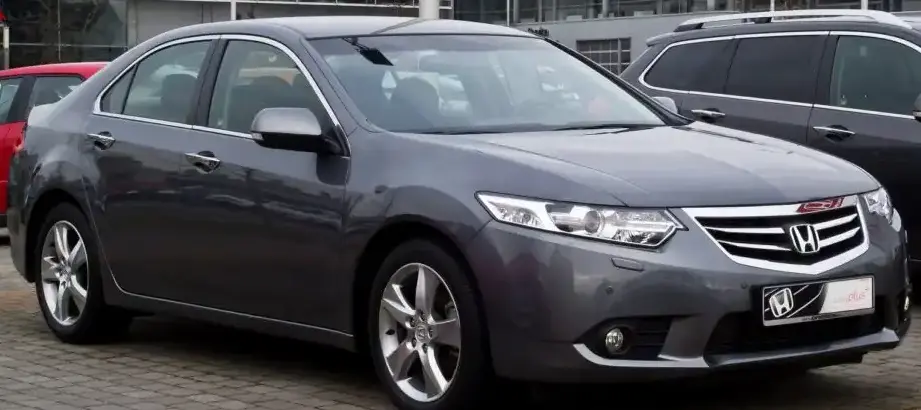
The Honda Accord VIII facelift, produced from 2011 to 2012, represented a significant mid-cycle refresh of the eighth-generation Accord. Within the Accord lineup, the 2.2 i-DTEC variant, generating 150 horsepower, occupied a middle ground, offering a balance between fuel efficiency and respectable performance. This model was primarily aimed at the European market, where diesel engines held a substantial share of the automotive landscape. The facelift brought styling updates, improved interior materials, and refinements to the chassis, enhancing the overall driving experience. This particular configuration, with the 2.2-liter diesel engine, was a popular choice for drivers seeking a comfortable and economical family sedan.
Powertrain & Engine Architecture
The heart of the 2.2 i-DTEC Accord is the N22B1 engine, a 2.2-liter inline-four cylinder diesel. This engine utilizes a common-rail direct injection system, delivering fuel directly into the combustion chamber at extremely high pressure. This technology, coupled with a turbocharger and intercooler, allows for efficient combustion and increased power output. The N22B1 features a sophisticated variable geometry turbocharger (VGT) which optimizes boost pressure across the engine’s rev range, contributing to both low-end torque and high-end power. The engine also incorporates a diesel particulate filter (DPF) to reduce harmful emissions, meeting the stringent Euro 5 standards. The 6-speed manual transmission was the standard offering, providing precise gear changes and contributing to the car’s overall efficiency. The transmission’s gear ratios were tuned to maximize fuel economy while still providing adequate acceleration.
Driving Characteristics
The 150 horsepower and 350 Nm (258 lb-ft) of torque produced by the 2.2 i-DTEC engine provided the Accord with a relaxed and capable driving experience. While not a performance-oriented variant, the engine delivered ample power for everyday driving and highway cruising. Acceleration from 0-60 mph took approximately 8.9 seconds, which was competitive for a diesel-powered family sedan of that era. The engine’s peak torque, available from 2000-2750 rpm, meant that strong acceleration was readily available without the need for frequent downshifting. Compared to the higher-output 2.4-liter gasoline engine offered in some markets, the 2.2 i-DTEC prioritized fuel efficiency over outright performance. The manual transmission offered a more engaging driving experience than an automatic, allowing drivers to fully utilize the engine’s torque band.
Equipment & Trim Levels
The 2.2 i-DTEC Accord typically came equipped with a respectable level of standard features. These included air conditioning, power windows and mirrors, a CD/MP3 stereo system, and alloy wheels. Higher trim levels, such as the ES or EX, added features like leather upholstery, a sunroof, automatic climate control, and a more advanced audio system. Safety features such as ABS, electronic brakeforce distribution (EBD), and multiple airbags were standard across the range. Optional extras included satellite navigation, parking sensors, and heated front seats.
Chassis & Braking
The Accord VIII facelift featured an independent multi-link suspension system at both the front and rear, providing a comfortable and controlled ride. The front suspension utilized coil springs and dampers, while the rear suspension incorporated a stabilizer bar to reduce body roll during cornering. The braking system consisted of ventilated discs at the front and solid discs at the rear, providing adequate stopping power. ABS (Anti-lock Braking System) was standard, enhancing safety by preventing wheel lockup during hard braking.
Market Reception & Comparison
The 2.2 i-DTEC Accord was generally well-received by automotive critics in Europe. It was praised for its fuel efficiency, comfortable ride, and spacious interior. However, some reviewers noted that the engine could be somewhat noisy compared to some of its competitors. Compared to other diesel-powered sedans in its class, such as the Volkswagen Passat and Ford Mondeo, the Accord offered a competitive combination of features and value. The Passat was often seen as more refined, while the Mondeo offered a more dynamic driving experience. The Accord’s strength lay in its reliability and practicality.
Legacy
The Honda Accord VIII 2.2 i-DTEC has proven to be a reliable and durable vehicle. The N22B1 engine, while not without its potential issues (such as DPF clogging if not properly maintained), is generally considered to be a robust and long-lasting unit. In the used car market, these Accords are often sought after for their fuel efficiency and practicality. Regular maintenance, including timely oil changes and DPF regeneration, is crucial to ensure the long-term health of the engine. The Accord VIII facelift remains a popular choice for buyers looking for a comfortable, economical, and reliable family sedan.