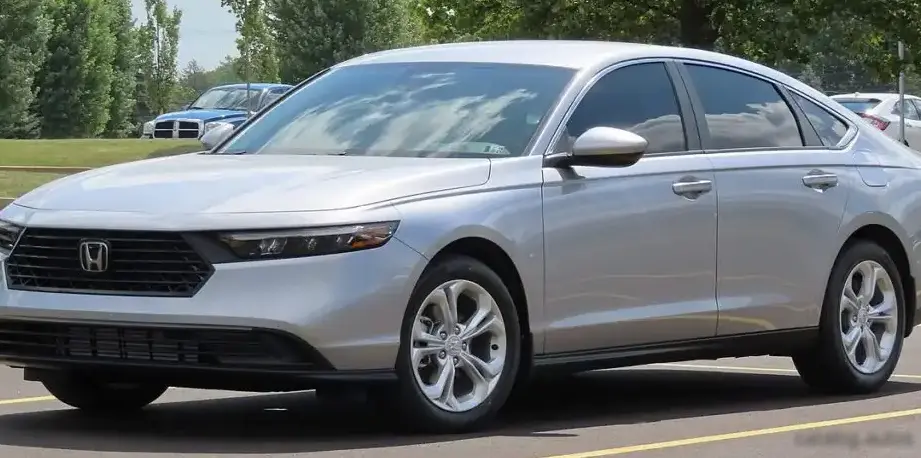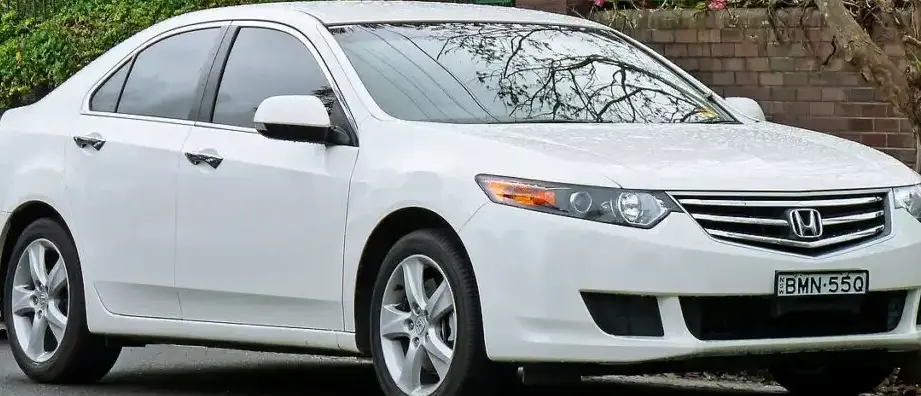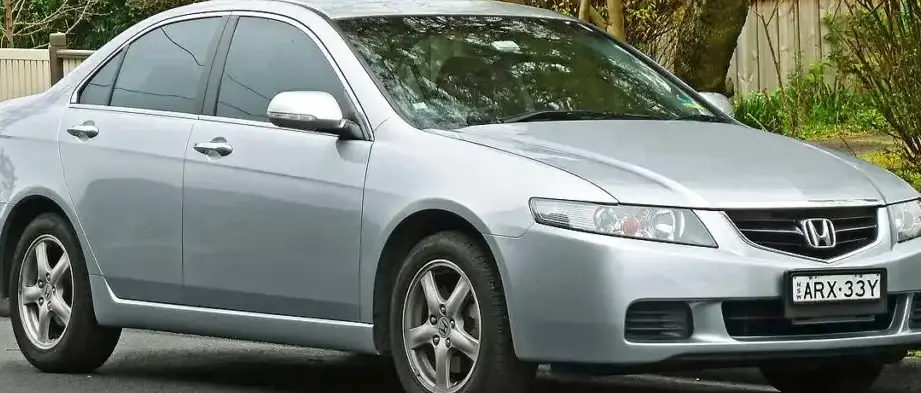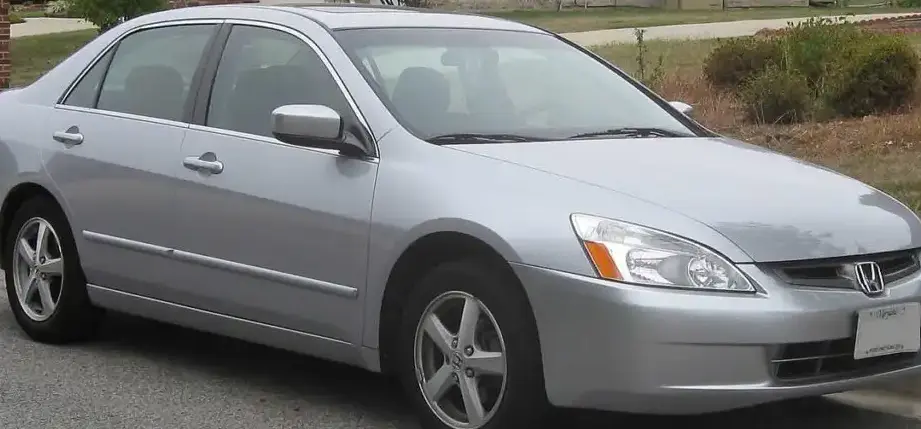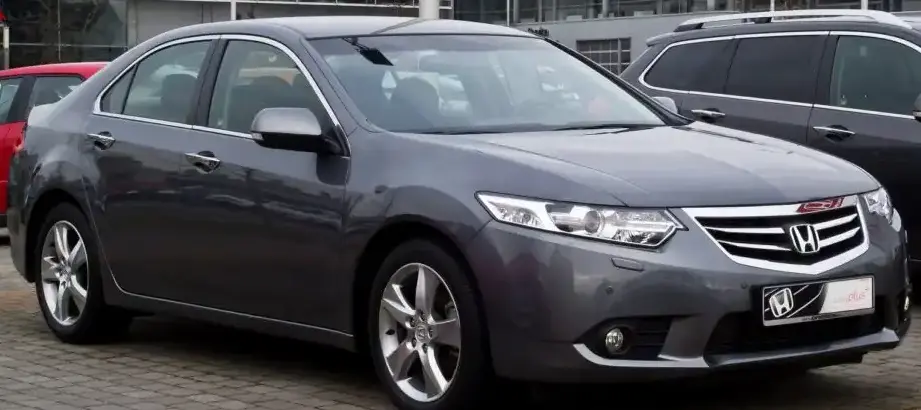
The Honda Accord VIII facelift, produced from 2011 to 2012, represented a significant mid-cycle refresh of the eighth-generation Accord (2008-2012). The 2.2 i-DTEC (180 hp) Type S variant was a key offering, particularly in European markets, designed to appeal to drivers seeking a balance of performance, fuel efficiency, and refinement in a mid-size sedan. This model sat towards the upper end of the Accord range, offering a more powerful diesel option than the lower-spec engines. It was positioned as a competitor to vehicles like the Ford Mondeo, Volkswagen Passat, and Toyota Avensis.
Technical Specifications
| Brand | Honda |
| Model | Accord |
| Generation | Accord VIII (facelift 2011) |
| Type (Engine) | 2.2 i-DTEC (180 Hp) Type S |
| Start of production | 2011 |
| End of production | 2012 |
| Powertrain Architecture | Internal Combustion engine |
| Body type | Sedan |
| Seats | 5 |
| Doors | 4 |
| Fuel consumption (urban) | 7.1 l/100 km (33.1 US mpg, 39.8 UK mpg, 14.1 km/l) |
| Fuel consumption (extra urban) | 4.8 l/100 km (49 US mpg, 58.9 UK mpg, 20.8 km/l) |
| Fuel consumption (combined) | 5.6 l/100 km (42 US mpg, 50.4 UK mpg, 17.9 km/l) |
| Fuel Type | Diesel |
| Acceleration 0 – 100 km/h | 8.7 sec |
| Acceleration 0 – 62 mph | 8.7 sec |
| Acceleration 0 – 60 mph | 8.3 sec |
| Maximum speed | 220 km/h (136.7 mph) |
| Emission standard | Euro 5 |
| Weight-to-power ratio | 8.8 kg/Hp, 114.3 Hp/tonne |
| Weight-to-torque ratio | 4.1 kg/Nm, 241.3 Nm/tonne |
| Power | 180 Hp @ 4000 rpm |
| Power per litre | 81.9 Hp/l |
| Torque | 380 Nm @ 2000-2750 rpm (280.27 lb.-ft. @ 2000-2750 rpm) |
| Engine layout | Front, Transverse |
| Engine Model/Code | N22B2 |
| Engine displacement | 2199 cm3 (134.19 cu. in.) |
| Number of cylinders | 4 |
| Engine configuration | Inline |
| Compression ratio | 16.3:1 |
| Number of valves per cylinder | 4 |
| Fuel injection system | Diesel Commonrail |
| Engine aspiration | Turbocharger, Intercooler |
| Engine oil capacity | 5.5 l (5.81 US qt | 4.84 UK qt) |
| Coolant capacity | 6.9 l (7.29 US qt | 6.07 UK qt) |
| Kerb Weight | 1575 kg (3472.28 lbs.) |
| Trunk (boot) space – minimum | 464 l (16.39 cu. ft.) |
| Fuel tank capacity | 65 l (17.17 US gal | 14.3 UK gal) |
| Length | 4725 mm (186.02 in.) |
| Width | 1840 mm (72.44 in.) |
| Height | 1440 mm (56.69 in.) |
| Wheelbase | 2705 mm (106.5 in.) |
| Minimum turning circle | 12.1 m (39.7 ft.) |
| Drivetrain Architecture | Front wheel drive, Internal Combustion Engine |
| Number of gears and type of gearbox | 6 gears, manual transmission |
| Front suspension | Independent multi-link suspension |
| Rear suspension | Independent multi-link spring suspension with stabilizer |
| Front brakes | Ventilated discs |
| Rear brakes | Disc |
| Assisting systems | ABS (Anti-lock braking system) |
| Steering type | Steering rack and pinion |
| Tires size | 235/40 R18 |
| Wheel rims size | 18 |
Powertrain & Engine Architecture
The heart of the 2.2 i-DTEC Type S is the Honda N22B2 engine, a 2.2-liter inline-four cylinder diesel. This engine utilizes a common-rail direct injection system, delivering fuel at extremely high pressure for optimized combustion. A turbocharger with an intercooler is employed to boost power output and improve torque across a wider rev range. The N22B2 features a relatively high compression ratio of 16.3:1, contributing to its efficiency. The engine produces 180 horsepower at 4000 rpm and a substantial 380 Nm (280 lb-ft) of torque between 2000 and 2750 rpm. This torque band is particularly useful for everyday driving and overtaking maneuvers. The engine is transversely mounted in the front of the vehicle, driving the front wheels. The 6-speed manual transmission was standard on the Type S, offering precise gear changes and driver engagement.
Driving Characteristics
The 2.2 i-DTEC Type S provided a noticeably more spirited driving experience compared to the lower-powered Accord diesel variants. The higher horsepower and torque figures translated into quicker acceleration – 0-60 mph in approximately 8.3 seconds – and a more confident feel when merging onto highways or climbing hills. The six-speed manual transmission allowed drivers to fully exploit the engine’s torque band, keeping the engine in its sweet spot for optimal performance. While not a sports sedan, the Type S offered a good balance between comfort and responsiveness. The gear ratios were well-chosen for both fuel efficiency and acceleration, providing a flexible and usable power delivery. Compared to the petrol engines, the diesel offered significantly better fuel economy, making it a popular choice for long-distance drivers.
Equipment & Trim Levels
The “Type S” designation indicated a higher level of equipment compared to the base Accord models. Standard features typically included alloy wheels (usually 18-inch), a sport-tuned suspension, climate control, a premium audio system, and electrically adjustable windows and mirrors. Interior upholstery was typically a combination of cloth and leather, with a focus on comfort and durability. Optional extras could include a sunroof, navigation system, and parking sensors. The Type S trim also often featured unique styling cues, such as a sportier front bumper and side skirts.
Chassis & Braking
The Accord VIII facelift utilized an independent multi-link suspension system for both the front and rear axles. This setup provided a comfortable ride while maintaining good handling characteristics. The Type S variant often featured a slightly stiffer suspension tuning compared to the standard models, further enhancing its handling capabilities. Braking duties were handled by ventilated discs at the front and solid discs at the rear. Anti-lock Braking System (ABS) was standard, providing enhanced safety during emergency braking situations. The steering system employed a rack and pinion setup, offering precise and responsive steering feel.
Market Reception & Comparison
The 2.2 i-DTEC Type S was generally well-received by automotive critics. It was praised for its strong performance, excellent fuel economy, and comfortable ride. Compared to the lower-powered diesel variants, the Type S offered a significant performance upgrade without sacrificing fuel efficiency. It was often seen as a more compelling alternative to petrol-powered Accords, particularly for drivers who frequently covered long distances. However, some critics noted that the diesel engine could be slightly noisy compared to the petrol engines. In terms of reliability, the N22B2 engine proved to be generally robust, although regular maintenance was crucial to ensure long-term durability.
Legacy
The Honda Accord VIII facelift 2.2 i-DTEC Type S remains a popular choice in the used car market. Its combination of performance, fuel efficiency, and reliability has made it a desirable option for buyers seeking a practical and well-rounded mid-size sedan. The N22B2 engine, when properly maintained, is known for its longevity. However, potential buyers should be aware of the importance of regular servicing, including oil changes and filter replacements. The diesel particulate filter (DPF) requires periodic regeneration, and failure to do so can lead to costly repairs. Overall, the 2.2 i-DTEC Type S represents a well-engineered and capable vehicle that continues to offer good value for money.