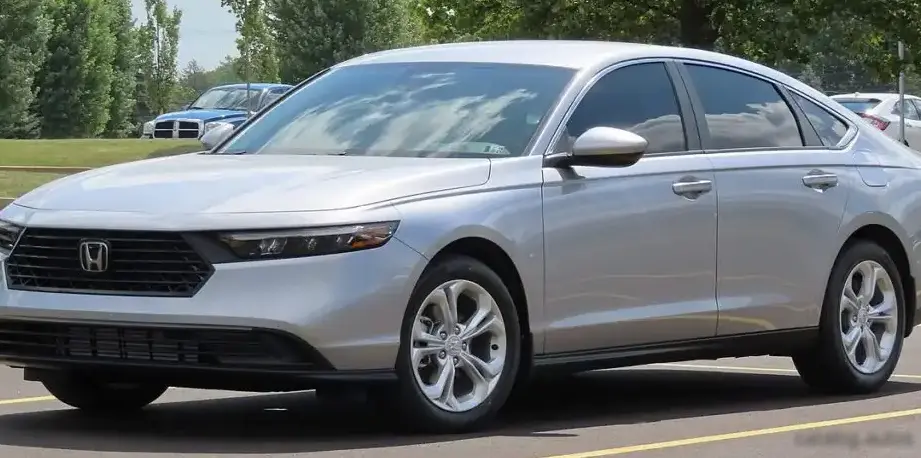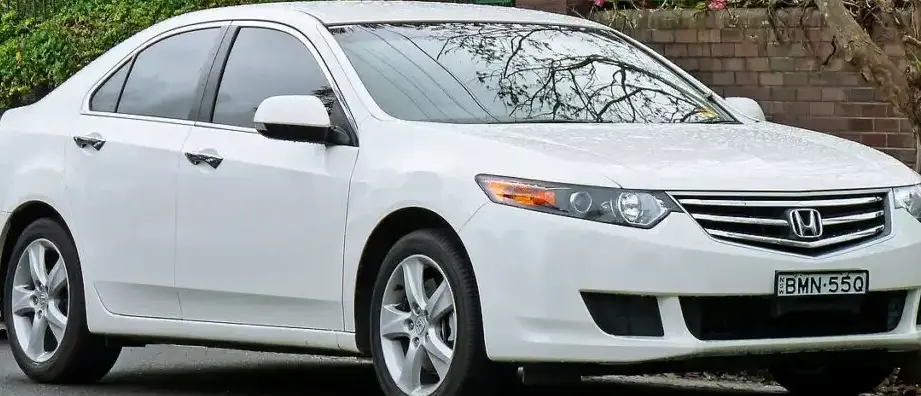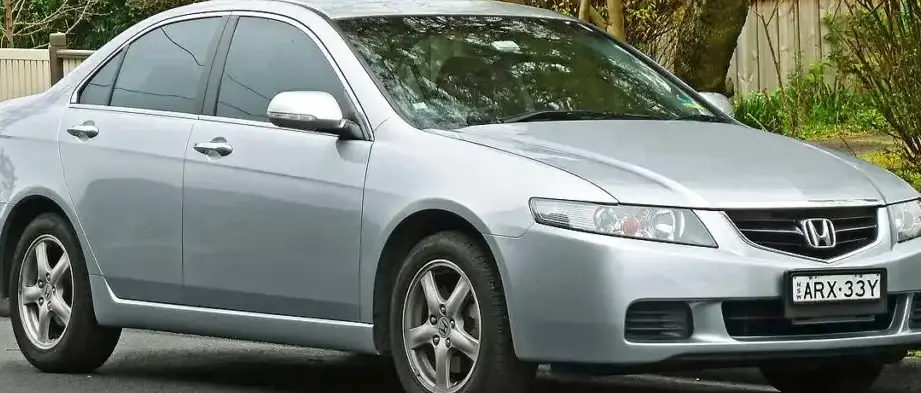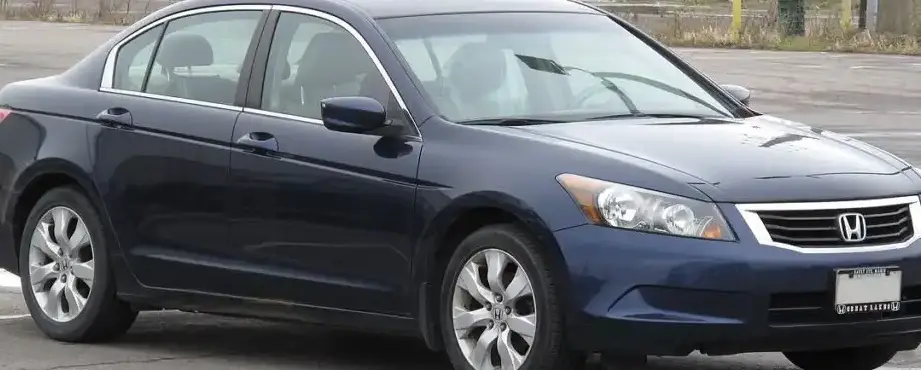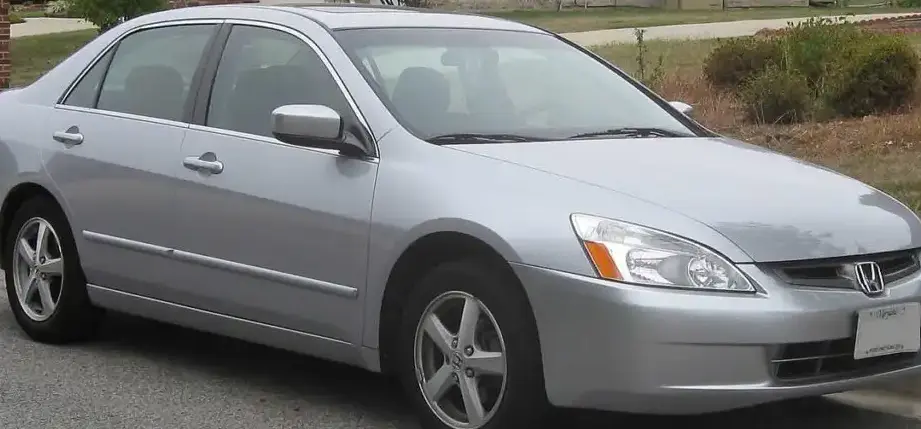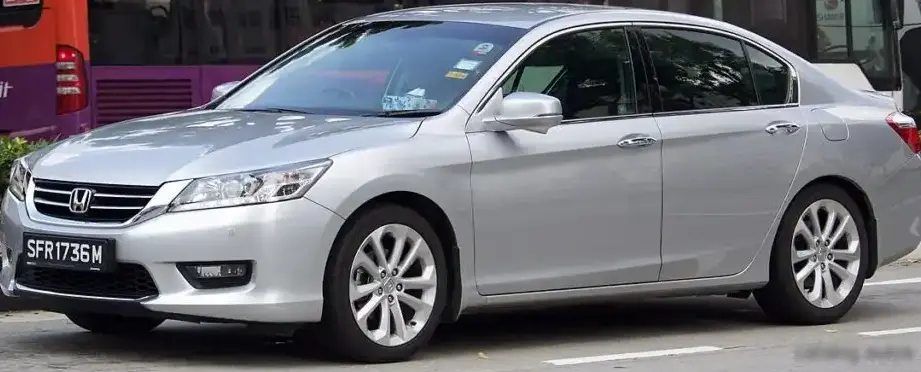
The Honda Accord VIII facelift, produced from 2011 to 2012, represented a significant refresh of the eighth-generation Accord. Among the various configurations offered, the 2.2 i-DTEC (180 hp) Type S wagon held a specific position in the European market, appealing to buyers seeking a blend of practicality, fuel efficiency, and reasonable performance. This variant, built on the Honda Accord Tourer (wagon) platform, aimed to provide a more refined and economical option compared to the petrol-powered models, while offering more space than the sedan body style. The “Type S” designation denoted a higher trim level with additional features and a sportier aesthetic.
Technical Specifications
| Brand | Honda |
| Model | Accord |
| Generation | Accord VIII (facelift 2011) Wagon |
| Type (Engine) | 2.2 i-DTEC (180 Hp) Type S |
| Start of production | 2011 |
| End of production | 2012 |
| Powertrain Architecture | Internal Combustion engine |
| Body type | Station wagon (estate) |
| Seats | 5 |
| Doors | 5 |
| Fuel consumption (urban) | 7.2 l/100 km (32.7 US mpg) |
| Fuel consumption (extra urban) | 4.9 l/100 km (48 US mpg) |
| Fuel consumption (combined) | 5.7 l/100 km (41.3 US mpg) |
| CO2 emissions | 150 g/km |
| Fuel Type | Diesel |
| Acceleration 0 – 100 km/h | 8.7 sec |
| Acceleration 0 – 62 mph | 8.7 sec |
| Acceleration 0 – 60 mph | 8.3 sec |
| Maximum speed | 217 km/h (134.84 mph) |
| Emission standard | Euro 5 |
| Weight-to-power ratio | 9.5 kg/Hp |
| Weight-to-torque ratio | 4.5 kg/Nm |
| Power | 180 Hp @ 4000 rpm |
| Torque | 380 Nm @ 2000-2750 rpm (280.27 lb.-ft.) |
| Engine layout | Front, Transverse |
| Engine Model/Code | N22B2 |
| Engine displacement | 2199 cm3 (134.19 cu. in.) |
| Number of cylinders | 4 |
| Engine configuration | Inline |
| Compression ratio | 16.3:1 |
| Number of valves per cylinder | 4 |
| Fuel injection system | Diesel Commonrail |
| Engine aspiration | Turbocharger, Intercooler |
| Engine oil capacity | 5.5 l (5.81 US qt | 4.84 UK qt) |
| Coolant capacity | 6.9 l (7.29 US qt | 6.07 UK qt) |
| Kerb Weight | 1715 kg (3780.93 lbs.) |
| Trunk (boot) space – minimum | 406 l (14.34 cu. ft.) |
| Trunk (boot) space – maximum | 1183 l (41.78 cu. ft.) |
| Fuel tank capacity | 65 l (17.17 US gal | 14.3 UK gal) |
| Length | 4750 mm (187.01 in.) |
| Width | 1840 mm (72.44 in.) |
| Height | 1470 mm (57.87 in.) |
| Wheelbase | 2705 mm (106.5 in.) |
| Minimum turning circle | 12.1 m (39.7 ft.) |
| Drivetrain Architecture | Front wheel drive |
| Number of gears | 6 gears, manual transmission |
| Front suspension | Double wishbone |
| Rear suspension | Independent multi-link suspension |
| Front brakes | Ventilated discs |
| Rear brakes | Disc |
| Tires size | 235/45 R18 |
| Wheel rims size | 18 |
Powertrain & Engine Architecture
The heart of the Accord 2.2 i-DTEC Type S wagon is the N22B2 engine, a 2.2-liter inline-four cylinder diesel. This engine is a member of Honda’s Earth Dreams Technology series, focusing on efficiency and reduced emissions. It utilizes a common-rail direct injection system, delivering fuel at extremely high pressure for optimized combustion. A turbocharger with an intercooler is employed to boost power output, providing 180 horsepower at 4000 rpm and a substantial 380 Nm (280 lb-ft) of torque between 2000 and 2750 rpm. The engine features a 16.3:1 compression ratio and four valves per cylinder. The six-speed manual transmission was standard, offering precise gear changes and contributing to the car’s overall driving experience. A particulate filter was included to meet stringent Euro 5 emission standards.
Driving Characteristics
The 2.2 i-DTEC Type S wagon offered a compelling driving experience, particularly for those prioritizing fuel economy and long-distance comfort. The 380 Nm of torque available from relatively low engine speeds provided ample pulling power for everyday driving and overtaking maneuvers. While not a sports car, the 0-60 mph time of around 8.3 seconds was respectable for a diesel wagon. The six-speed manual transmission allowed drivers to effectively utilize the engine’s powerband. Compared to the petrol-powered Accord wagons, the diesel offered significantly better fuel economy, making it a popular choice for high-mileage drivers. However, it lacked the immediate responsiveness and higher revving nature of the gasoline engines. The wagon’s suspension provided a comfortable ride, absorbing bumps and imperfections in the road well, although it wasn’t as overtly sporty as some competitors.
Equipment & Trim Levels
The “Type S” trim level placed this Accord wagon in the upper-mid range of the lineup. Standard equipment typically included alloy wheels (usually 18-inch), automatic climate control, a premium audio system, and electrically adjustable windows and mirrors. Interior upholstery was typically a combination of cloth and leather. Optional extras could include a sunroof, navigation system, and parking sensors. The dashboard layout was functional and well-designed, with clear instrumentation and intuitive controls. The wagon body style itself offered a significant advantage in terms of cargo space, with 406 liters (14.34 cu ft) of space with the rear seats up and 1183 liters (41.78 cu ft) with them folded down.
Chassis & Braking
The Accord wagon featured a front-engine, front-wheel-drive layout. The front suspension utilized a double wishbone design, while the rear employed an independent multi-link setup, providing a good balance of ride comfort and handling. The braking system consisted of ventilated discs at the front and solid discs at the rear, providing adequate stopping power. Anti-lock brakes (ABS) were standard. The steering was a rack and pinion system, offering precise and responsive control. The car rode on 235/45 R18 tires, providing good grip in various conditions.
Market Reception & Comparison
The Honda Accord 2.2 i-DTEC Type S wagon was generally well-received by automotive critics in Europe. It was praised for its fuel efficiency, spacious interior, and comfortable ride. The diesel engine was considered refined and capable, although some reviewers noted that it lacked the excitement of the petrol engines. Compared to rivals like the Volkswagen Passat Estate and Ford Mondeo Estate, the Accord offered a competitive package, particularly in terms of reliability and resale value. The manual transmission was favored by many drivers for its engaging feel, although an automatic transmission was also available in some markets. Fuel economy figures of around 41.3 US mpg combined were highly competitive for its class.
Legacy
The N22B2 engine, while generally reliable, is known to require regular maintenance, particularly regarding the diesel particulate filter (DPF). Proper servicing and the use of high-quality diesel fuel are crucial to prevent DPF issues. Today, the Accord VIII facelift wagon 2.2 i-DTEC Type S can be found on the used car market at relatively affordable prices. It remains a practical and economical choice for those seeking a spacious and reliable family vehicle. Its reputation for durability and Honda’s strong brand image continue to make it a desirable option for buyers looking for a well-maintained example.