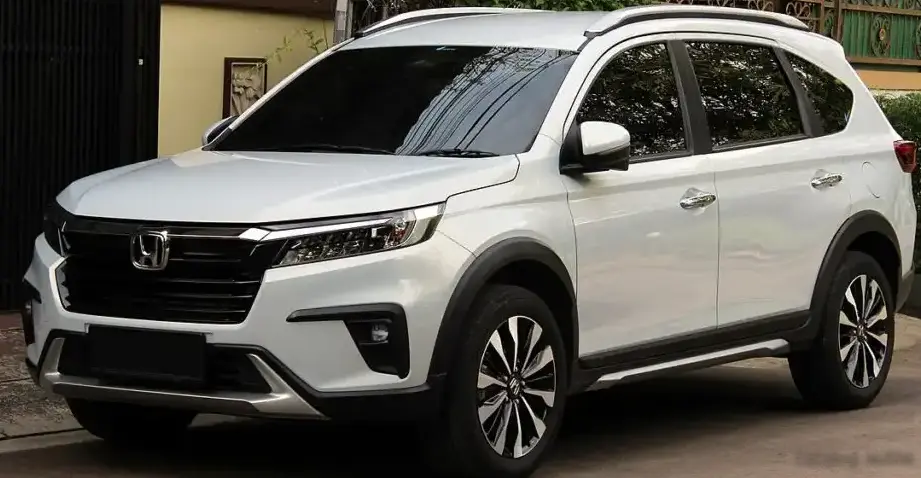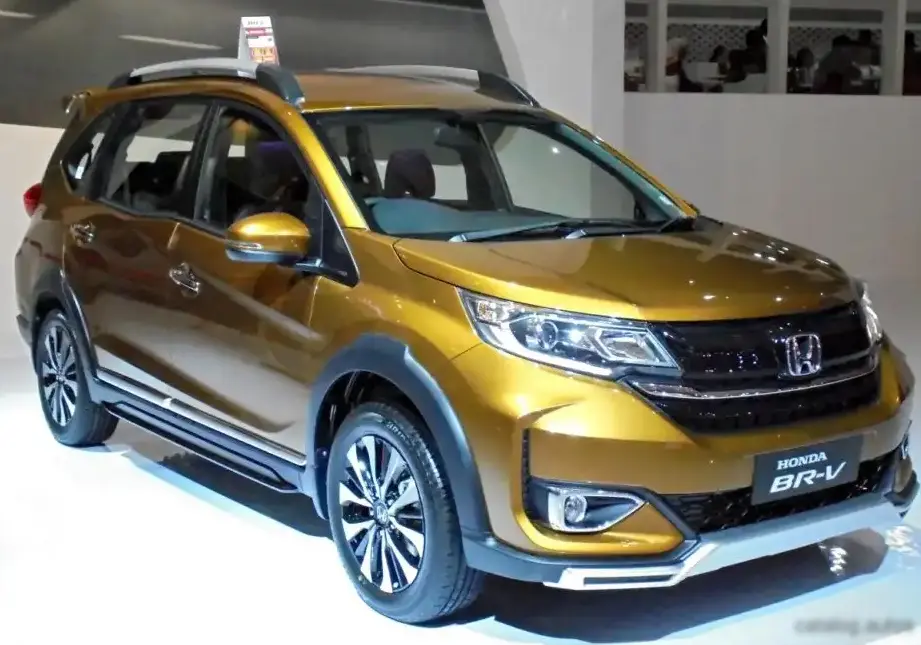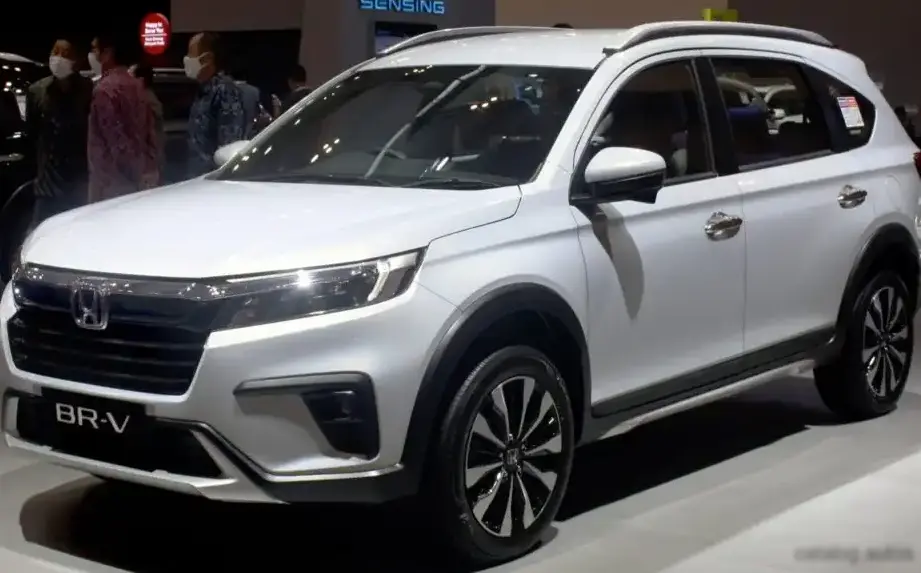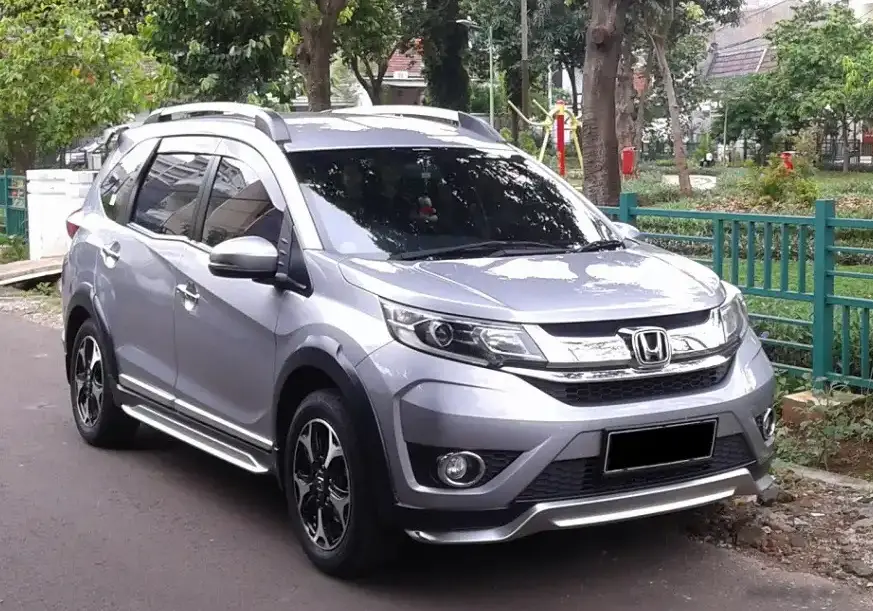
The Honda BR-V 1.5d (100 Hp) is a compact SUV produced by Honda between 2015 and 2019. Designed primarily for emerging markets, particularly in Asia and South America, the BR-V aimed to provide affordable seven-seat transportation in a relatively small package. This diesel variant, powered by the N15A1 engine, represented an entry-level option within the BR-V lineup, focusing on fuel efficiency and practicality rather than outright performance. It was positioned as a value-oriented choice for families needing space and economy.
Technical Specifications
| Brand | Honda |
| Model | BR-V |
| Generation | BR-V I |
| Type (Engine) | 1.5d (100 Hp) |
| Start of production | 2015 |
| End of production | 2019 |
| Powertrain Architecture | Internal Combustion engine |
| Body type | SUV |
| Seats | 7 |
| Doors | 5 |
| Fuel consumption (combined) | 4.5 l/100 km (52.3 US mpg, 62.8 UK mpg, 22.2 km/l) |
| Fuel Type | Diesel |
| Weight-to-power ratio | 12.7 kg/Hp, 78.7 Hp/tonne |
| Weight-to-torque ratio | 6.4 kg/Nm, 157.4 Nm/tonne |
| Power | 100 Hp @ 3600 rpm |
| Power per litre | 66.8 Hp/l |
| Torque | 200 Nm @ 1750 rpm (147.51 lb.-ft. @ 1750 rpm) |
| Engine layout | Front, Transverse |
| Engine Model/Code | N15A1 |
| Engine displacement | 1498 cm3 (91.41 cu. in.) |
| Number of cylinders | 4 |
| Engine configuration | Inline |
| Number of valves per cylinder | 4 |
| Fuel injection system | Diesel Commonrail |
| Engine aspiration | Turbocharger, Intercooler |
| Valvetrain | DOHC, i-DTEC |
| Engine oil capacity | 4.4 l (4.65 US qt | 3.87 UK qt) |
| Kerb Weight | 1271-1306 kg (2802.08 – 2879.24 lbs.) |
| Fuel tank capacity | 42 l (11.1 US gal | 9.24 UK gal) |
| Length | 4453 mm (175.31 in.) |
| Width | 1735 mm (68.31 in.) |
| Height | 1666 mm (65.59 in.) |
| Wheelbase | 2662 mm (104.8 in.) |
| Minimum turning circle | 11.0 m (36.09 ft.) |
| Drivetrain Architecture | Front wheel drive, Internal Combustion engine |
| Number of gears and type of gearbox | 6 gears, manual transmission |
| Front suspension | Independent type McPherson |
| Rear suspension | Torsion |
| Front brakes | Disc |
| Rear brakes | Drum |
| Assisting systems | ABS (Anti-lock braking system) |
| Steering type | Steering rack and pinion |
| Power steering | Electric Steering |
| Tires size | 195/60 R16 |
| Wheel rims size | 16 |
Powertrain & Engine Architecture
The heart of the BR-V 1.5d is the Honda N15A1 1.5-liter inline-four diesel engine. This engine utilizes a common-rail direct injection system, coupled with a turbocharger and intercooler, to deliver a balance of power and fuel efficiency. The i-DTEC technology, Honda’s diesel engine technology, focuses on reducing emissions and improving combustion efficiency. The engine features a double overhead camshaft (DOHC) valvetrain with four valves per cylinder, optimizing airflow for enhanced performance. The 6-speed manual transmission was the sole transmission option for this variant, prioritizing driver control and fuel economy over the convenience of an automatic.
Driving Characteristics
The 100 horsepower and 200 Nm (147.51 lb-ft) of torque produced by the N15A1 engine provided adequate, though not exhilarating, performance for the BR-V. Acceleration was modest, particularly when fully loaded with passengers and cargo. The manual transmission allowed drivers to maximize the available power, but the relatively long gear ratios were geared towards fuel efficiency rather than spirited driving. Compared to potential gasoline variants (which were not widely available in all markets), the diesel offered superior low-end torque, making it more suitable for navigating hilly terrain or carrying heavy loads. The 6-speed gearbox helped keep engine speeds reasonable on highway journeys.
Equipment & Trim Levels
The BR-V 1.5d typically came with a fairly basic level of equipment, reflecting its position as an entry-level model. Standard features generally included air conditioning, power windows, central locking, and an audio system with USB connectivity. Safety features typically included dual front airbags and ABS. Higher trim levels, available in some markets, added features such as alloy wheels, a touchscreen infotainment system, rear parking sensors, and a multi-function steering wheel. Interior upholstery was typically cloth, with a functional and durable design. The focus was on providing essential features at an affordable price point.
Chassis & Braking
The BR-V utilized a front-wheel-drive configuration with an independent McPherson strut suspension at the front and a torsion beam suspension at the rear. This setup provided a reasonable balance between ride comfort and handling. The front brakes were disc brakes, while the rear brakes were drum brakes – a cost-saving measure common in this segment. Electric power steering was standard, offering light and easy steering feel. The suspension was tuned for comfort, prioritizing a smooth ride over sporty handling characteristics. Stabilizer bars were included to reduce body roll during cornering.
Market Reception & Comparison
The Honda BR-V 1.5d was generally well-received in its target markets as a practical and affordable seven-seat SUV. Critics praised its spacious interior, fuel efficiency, and robust build quality. However, some reviewers noted its modest performance and relatively basic interior appointments. Compared to other compact SUVs in the same price range, the BR-V offered a compelling combination of space, economy, and reliability. The diesel engine provided a significant advantage in fuel economy compared to gasoline alternatives, making it a popular choice for drivers covering long distances. Its main competitors included vehicles like the Toyota Rush and Daihatsu Terios.
Legacy
The Honda BR-V 1.5d has proven to be a relatively reliable vehicle, with the N15A1 diesel engine generally exhibiting good durability. Common maintenance items include regular oil changes, filter replacements, and timing belt service (if applicable). On the used car market, the BR-V 1.5d remains a popular choice for budget-conscious buyers seeking a spacious and economical family vehicle. Its simple mechanical design and readily available parts contribute to its relatively low cost of ownership. While not a performance icon, the BR-V 1.5d fulfilled its intended purpose of providing affordable and practical transportation for families in emerging markets, and continues to offer value in the used car segment today.