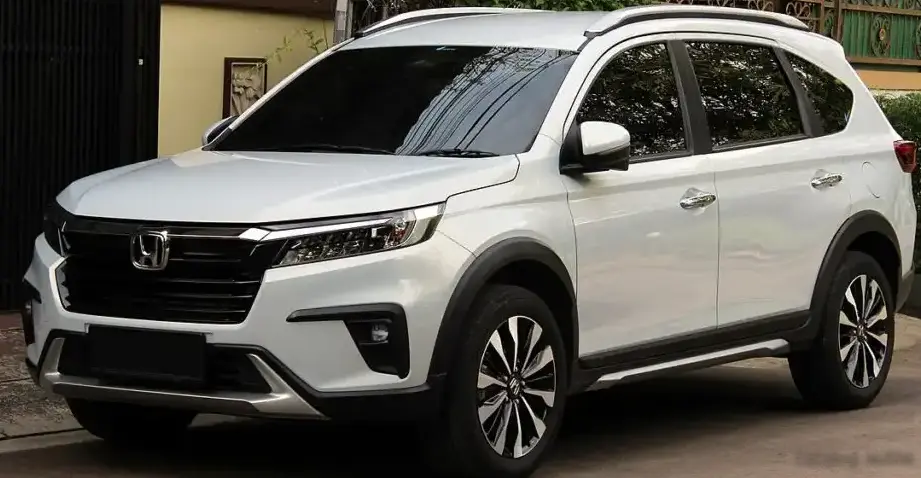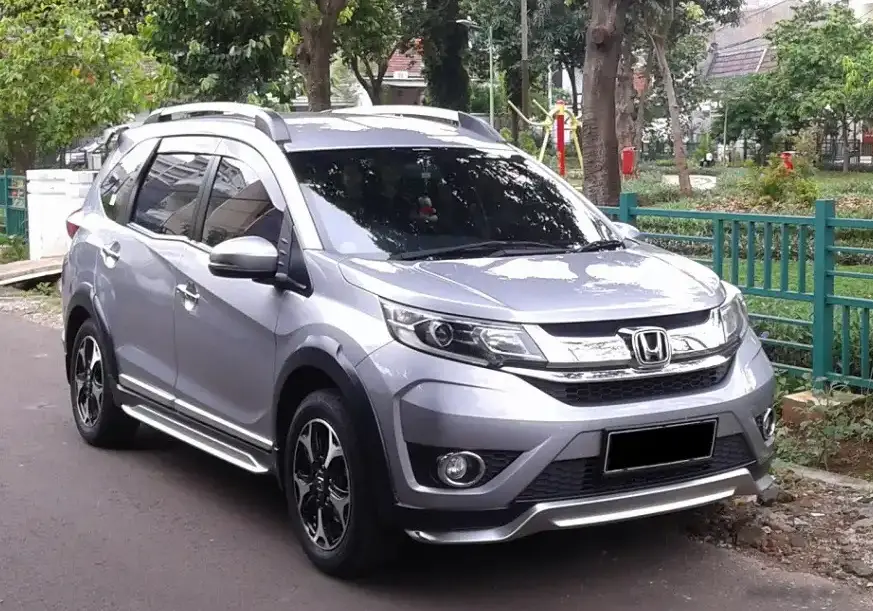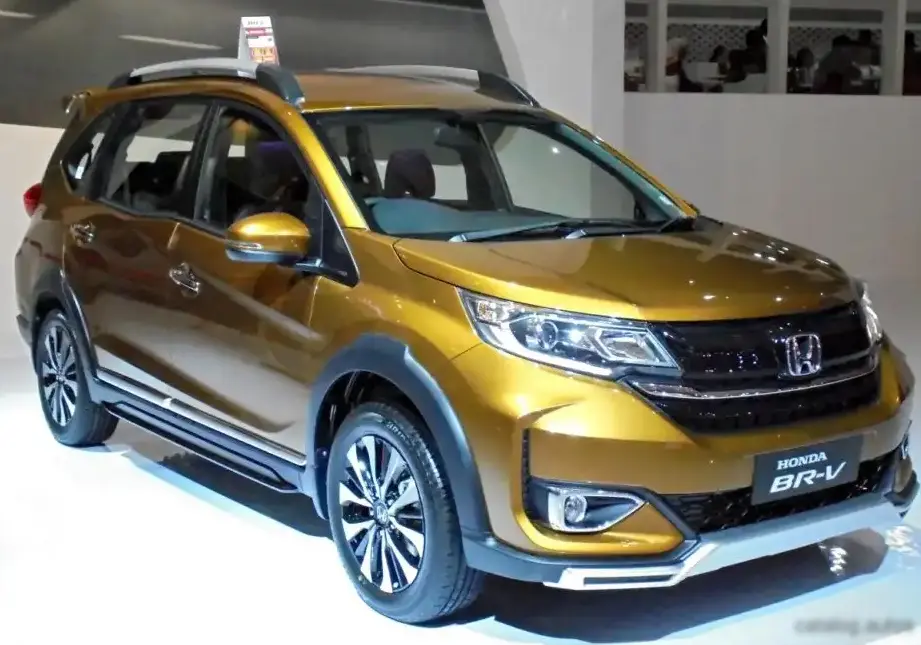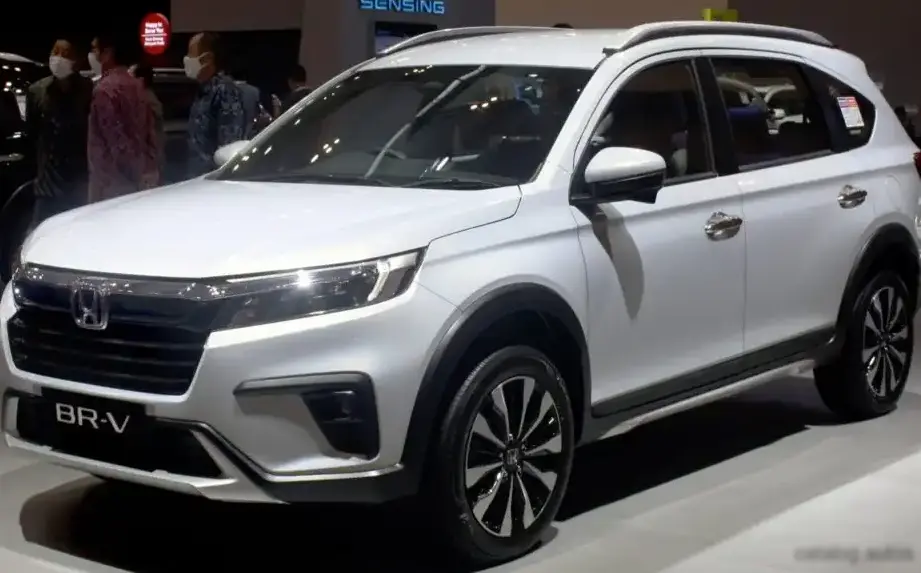
The Honda BR-V II 1.5 i-VTEC, introduced in December 2021, represents the second generation of Honda’s compact SUV designed primarily for emerging markets, particularly in Southeast Asia and Latin America. Positioned as an affordable and practical seven-seater, the BR-V II builds upon the foundation of the first-generation model, offering increased space, improved features, and a more refined driving experience. This specific 1.5 i-VTEC variant serves as the entry point to the BR-V II lineup, targeting buyers seeking a versatile family vehicle with reasonable running costs. It’s built on an adapted version of the Global Small Car platform, shared with other Honda models like the Mobilio, and aims to provide a balance between fuel efficiency, practicality, and affordability.
Technical Specifications
| Brand | Honda |
| Model | BR-V |
| Generation | BR-V II |
| Type (Engine) | 1.5 i-VTEC (121 Hp) |
| Start of production | December, 2021 |
| Powertrain Architecture | Internal Combustion engine |
| Body type | SUV |
| Seats | 7 |
| Doors | 5 |
| Fuel Type | Petrol (Gasoline) |
| Power | 121 Hp @ 6600 rpm |
| Power per litre | 80.8 Hp/l |
| Torque | 145 Nm @ 4300 rpm |
| Torque (lb.-ft.) | 106.95 lb.-ft. @ 4300 rpm |
| Engine layout | Front, Transverse |
| Engine Model/Code | L15ZF |
| Engine displacement | 1498 cm3 |
| Engine displacement (cu. in.) | 91.41 cu. in. |
| Number of cylinders | 4 |
| Engine configuration | Inline |
| Cylinder Bore | 73 mm |
| Cylinder Bore (in.) | 2.87 in. |
| Piston Stroke | 89.5 mm |
| Piston Stroke (in.) | 3.52 in. |
| Compression ratio | 10.6:1 |
| Number of valves per cylinder | 4 |
| Fuel injection system | Multi-port manifold injection |
| Engine aspiration | Naturally aspirated engine |
| Valvetrain | DOHC, i-VTEC |
| Engine systems | Start & Stop System |
| Length | 4490 mm |
| Length (in.) | 176.77 in. |
| Width | 1780 mm |
| Width (in.) | 70.08 in. |
| Height | 1651-1685 mm |
| Height (in.) | 65 – 66.34 in. |
| Wheelbase | 2700 mm |
| Wheelbase (in.) | 106.3 in. |
| Front track | 1540 mm |
| Front track (in.) | 60.63 in. |
| Rear track | 1540 mm |
| Rear track (in.) | 60.63 in. |
| Drivetrain Architecture | The Internal combustion engine (ICE) drives the front wheels of the vehicle. |
| Drive wheel | Front wheel drive |
| Number of gears | 6 |
| Type of gearbox | Manual transmission |
| Front suspension | Independent type McPherson |
| Rear suspension | Torsion |
| Front brakes | Ventilated discs |
| Rear brakes | Drum |
| Assisting systems | ABS (Anti-lock braking system) |
| Steering type | Steering rack and pinion |
| Power steering | Electric Steering |
| Tires size | 215/60 R16 |
| Wheel rims size | 7J x 16 |
Powertrain & Engine Architecture
The heart of the BR-V II 1.5 i-VTEC is the L15ZF engine, a 1.5-liter inline-four cylinder gasoline engine. This engine is part of Honda’s well-regarded i-VTEC family, utilizing variable valve timing and lift on both the intake and exhaust camshafts to optimize performance and fuel efficiency across the rev range. The L15ZF employs a multi-point fuel injection system, delivering fuel directly into the intake ports. The engine’s 10.6:1 compression ratio contributes to its efficiency. Paired with this engine is a 6-speed manual transmission, chosen for its affordability and driver engagement. The transmission’s gear ratios are tuned for everyday drivability, prioritizing fuel economy and smooth acceleration rather than outright performance. The engine also features Honda’s Start & Stop System, which automatically shuts off the engine when the vehicle is stationary to conserve fuel.
Driving Characteristics
The 121 horsepower and 145 Nm (107 lb-ft) of torque produced by the 1.5 i-VTEC engine provide adequate, though not exhilarating, performance for the BR-V II. Acceleration is best described as steady, and the vehicle feels most comfortable when cruising at highway speeds. The 6-speed manual transmission allows drivers to maintain optimal engine speed for various driving conditions. Compared to potential higher-spec variants with automatic transmissions, the manual version offers a more connected driving experience and slightly improved fuel economy. However, it requires more driver involvement, particularly in stop-and-go traffic. The relatively long gearing contributes to fuel efficiency but can feel somewhat sluggish during quick overtaking maneuvers. The front-wheel-drive configuration provides predictable handling, but it’s not designed for off-road adventures.
Equipment & Trim Levels
The BR-V II 1.5 i-VTEC typically comes standard with features such as air conditioning, power windows, power door locks, and a basic audio system with Bluetooth connectivity. Safety features generally include dual front airbags, ABS, and electronic brake-force distribution (EBD). Interior upholstery is typically cloth, and the dashboard features a functional, if somewhat basic, design. Optional extras, depending on the market, could include alloy wheels, a touchscreen infotainment system with smartphone integration, a rearview camera, and parking sensors. Higher trim levels within the BR-V II range offer additional features like automatic climate control, keyless entry, and more advanced safety systems.
Chassis & Braking
The BR-V II utilizes a McPherson strut suspension setup at the front, providing a comfortable ride and predictable handling. The rear suspension employs a torsion beam, a cost-effective solution that offers adequate ride quality for everyday use. The front brakes are ventilated discs, providing good stopping power, while the rear brakes are drums, a common cost-saving measure in this segment. Electric power steering provides light and easy steering feel, making it convenient for maneuvering in urban environments. The 215/60 R16 tires offer a good balance between comfort and grip.
Market Reception & Comparison
The Honda BR-V II 1.5 i-VTEC has generally been well-received in its target markets as a practical and affordable family vehicle. Critics have praised its spacious interior, comfortable ride, and fuel efficiency. However, some have noted its relatively modest performance and basic interior appointments. Compared to other trims in the BR-V II lineup, the 1.5 i-VTEC offers the most affordable entry point, making it attractive to budget-conscious buyers. It provides a good balance of features and functionality for its price point, but those seeking more power or convenience features may opt for higher-spec variants.
Legacy
The L15ZF engine has proven to be a reliable and durable powerplant in other Honda applications. While long-term reliability data specifically for the BR-V II 1.5 i-VTEC is still emerging, the engine’s established track record suggests it should provide years of dependable service with proper maintenance. On the used car market, the BR-V II 1.5 i-VTEC is expected to hold its value reasonably well, particularly in regions where seven-seater SUVs are in high demand. Its fuel efficiency and practicality make it an appealing option for families seeking an affordable and versatile vehicle.