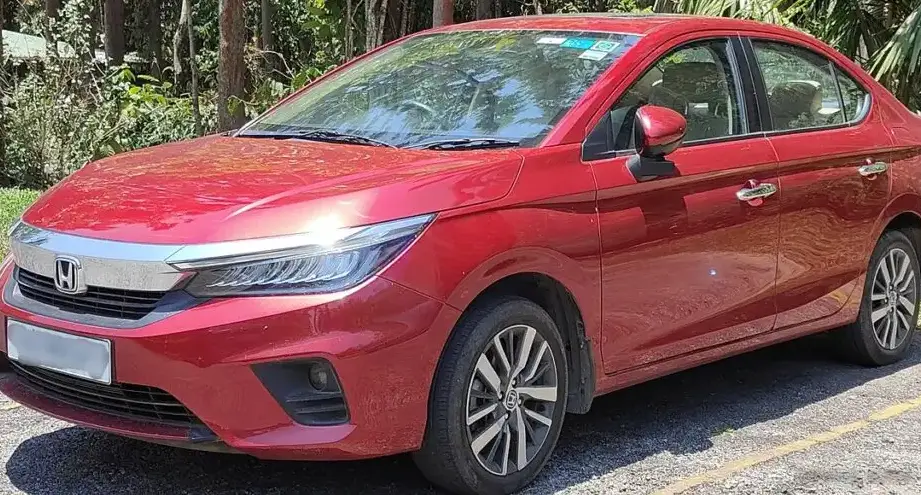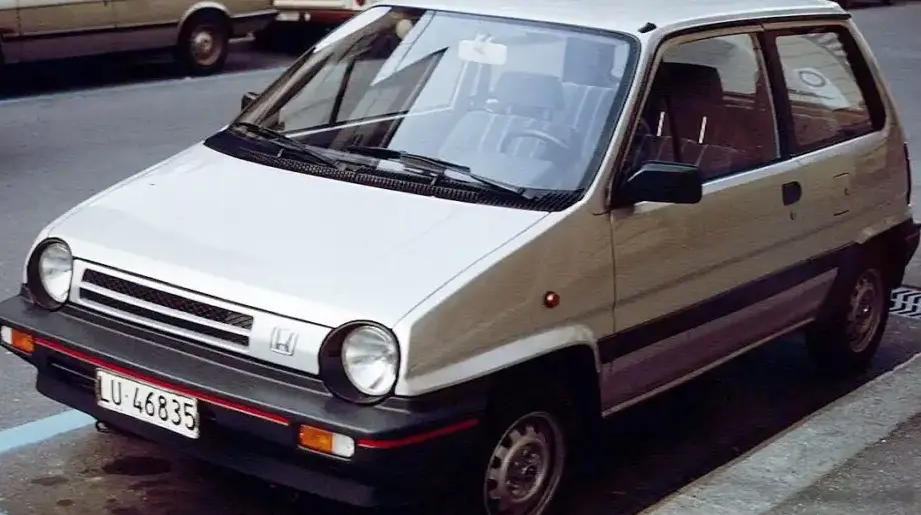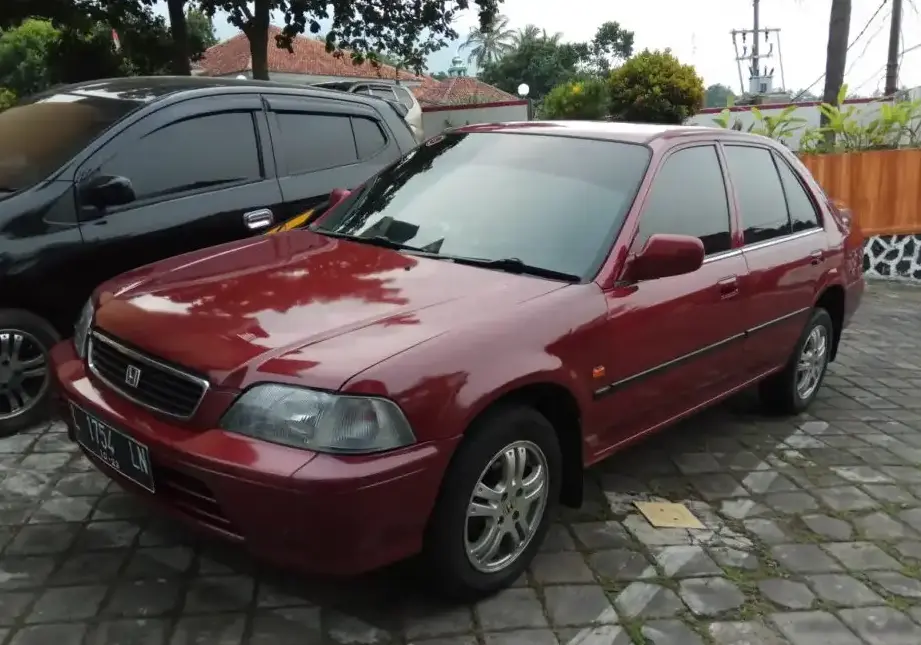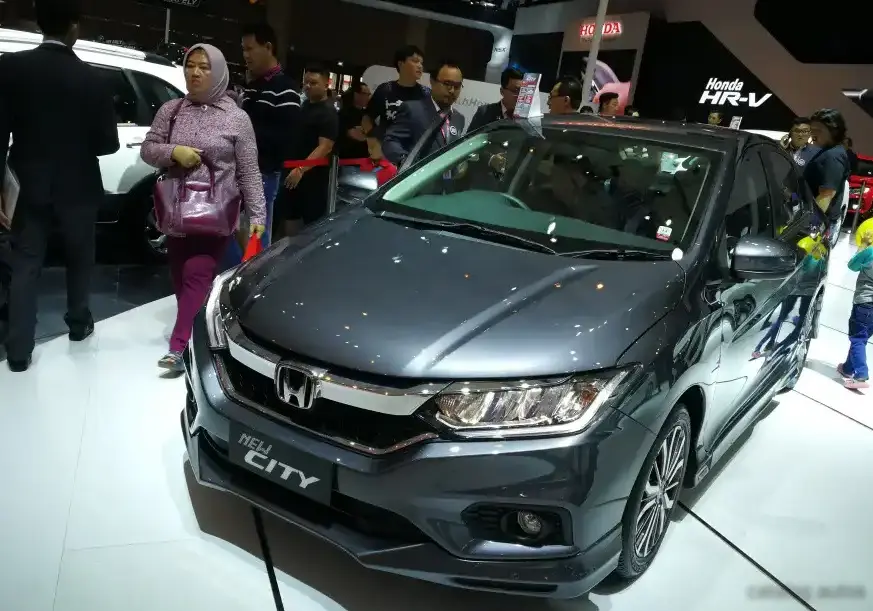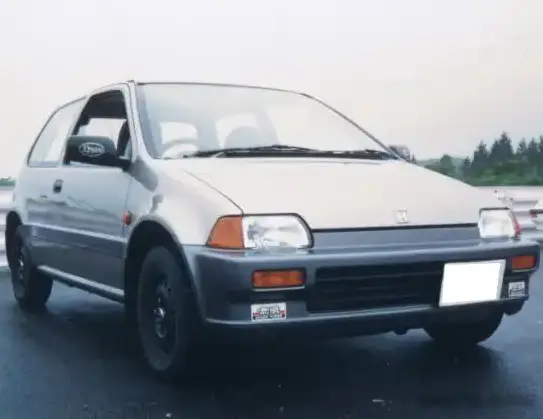
The Honda City II 1.2 16V, produced between 1986 and 1994, represented a significant evolution of Honda’s popular supermini. Positioned as an entry-level offering within the City II range, this 76 horsepower variant aimed to provide affordable and efficient transportation. It was primarily marketed in Asia and parts of Europe, offering a practical and compact vehicle suited for urban environments. The City II, built on the AA platform, was a key model for Honda, expanding their presence in the small car segment and establishing a reputation for reliability and fuel economy. This specific 1.2L 16V engine and 5-speed manual transmission combination was a mainstay of the lineup, offering a balance between performance and cost.
Technical Specifications
| Brand | Honda |
| Model | City |
| Generation | City II |
| Type (Engine) | 1.2 16V (76 Hp) |
| Start of production | 1986 |
| End of production | 1994 |
| Powertrain Architecture | Internal Combustion engine |
| Body type | Hatchback |
| Seats | 5 |
| Doors | 3 |
| Fuel consumption (urban) | 8 l/100 km (29.4 US mpg) |
| Fuel consumption (extra urban) | 5 l/100 km (47 US mpg) |
| Fuel Type | Petrol (Gasoline) |
| Maximum speed | 150 km/h (93.21 mph) |
| Weight-to-power ratio | 9.5 kg/Hp |
| Weight-to-torque ratio | 7.3 kg/Nm |
| Power | 76 Hp @ 6500 rpm |
| Power per litre | 61.4 Hp/l |
| Torque | 98 Nm @ 4000 rpm (72.28 lb.-ft. @ 4000 rpm) |
| Engine layout | Front, Transverse |
| Engine displacement | 1238 cm3 (75.55 cu. in.) |
| Number of cylinders | 4 |
| Engine configuration | Inline |
| Cylinder Bore | 72 mm (2.83 in.) |
| Piston Stroke | 76 mm (2.99 in.) |
| Compression ratio | 9.5:1 |
| Number of valves per cylinder | 4 |
| Fuel injection system | Carburettor |
| Engine aspiration | Naturally aspirated |
| Kerb Weight | 720 kg (1587.33 lbs.) |
| Fuel tank capacity | 40 l (10.57 US gal) |
| Length | 3605 mm (141.93 in.) |
| Width | 1620 mm (63.78 in.) |
| Height | 1335 mm (52.56 in.) |
| Wheelbase | 2400 mm (94.49 in.) |
| Front track | 1400 mm (55.12 in.) |
| Rear track | 1410 mm (55.51 in.) |
| Minimum turning circle | 9.2 m (30.18 ft.) |
| Drivetrain Architecture | Front wheel drive |
| Number of gears | 5 |
| Gearbox type | Manual transmission |
| Front suspension | Coil spring |
| Rear suspension | Coil spring |
| Front brakes | Disc |
| Rear brakes | Drum |
| Assisting systems | ABS (Anti-lock braking system) |
| Steering type | Steering rack and pinion |
| Power steering | Hydraulic |
| Tires size | 165/70 R12 |
Powertrain & Engine Architecture
The heart of the City II 1.2 16V was the D12A engine, a 1.2-liter inline-four cylinder powerplant. This engine featured a single overhead camshaft (SOHC) design with four valves per cylinder – hence the “16V” designation. While not a particularly powerful engine by modern standards, the 16-valve configuration allowed for improved breathing and a slightly higher redline compared to earlier 8-valve Honda engines. The engine utilized a carburetor for fuel delivery, a common practice for vehicles of this era, prioritizing simplicity and cost-effectiveness over the precision of fuel injection. The 5-speed manual transmission was a standard feature, providing drivers with a reasonable degree of control over the engine’s powerband. The engine’s transverse mounting contributed to maximizing interior space within the compact City II chassis.
Driving Characteristics
The 1.2L 16V City II offered modest but adequate performance for everyday driving. With 76 horsepower, acceleration was not its strong suit, but the lightweight nature of the vehicle (720 kg) helped to mitigate this. The 5-speed manual transmission allowed drivers to keep the engine in its optimal power range, making overtaking maneuvers possible, albeit requiring some planning. Compared to the slightly more powerful (and often more expensive) City II variants, this 1.2L model prioritized fuel efficiency and ease of driving over outright performance. The gear ratios were tuned for economy, with a relatively tall fifth gear for comfortable highway cruising. The steering was light and responsive, making it easy to maneuver in urban traffic.
Equipment & Trim Levels
The City II 1.2 16V typically came with a fairly basic level of equipment, reflecting its position as an entry-level model. Standard features generally included cloth upholstery, a simple dashboard layout with analog gauges, and manual windows and door locks. Power steering was often included, a welcome feature for ease of parking and low-speed maneuvering. Optional extras could include a radio/cassette player, upgraded interior trim, and sometimes even air conditioning, depending on the market. The interior was designed with practicality in mind, offering a reasonable amount of space for passengers and cargo considering the vehicle’s diminutive size.
Chassis & Braking
The City II utilized a relatively simple chassis design, featuring coil spring suspension at all four corners. The front suspension employed MacPherson struts, while the rear utilized a torsion beam setup. This configuration provided a comfortable ride quality, although handling was not particularly sporty. Braking duties were handled by disc brakes at the front and drum brakes at the rear. While adequate for normal driving conditions, the braking system lacked the stopping power of more modern vehicles. The inclusion of ABS (Anti-lock Braking System) on some models was a notable safety feature for the time, helping to prevent wheel lockup during hard braking.
Market Reception & Comparison
The Honda City II 1.2 16V was generally well-received by critics and consumers alike. It was praised for its fuel efficiency, reliability, and affordability. Compared to other small cars of the era, such as the Nissan Micra or the Peugeot 205, the City II offered a compelling combination of practicality and value. The 1.2L engine, while not the most powerful, proved to be durable and relatively easy to maintain. The manual transmission was preferred by many drivers for its responsiveness and control. However, some critics noted the somewhat basic interior and lack of advanced features compared to more expensive rivals.
Legacy
The Honda City II 1.2 16V has proven to be a remarkably durable and reliable vehicle. Many examples are still on the road today, a testament to Honda’s engineering prowess. The D12A engine is known for its longevity and relatively low maintenance costs. In the used car market, these City IIs are often sought after by enthusiasts and those looking for an affordable and dependable runabout. While not a particularly collectible model, the City II 1.2 16V represents an important chapter in Honda’s history, demonstrating their commitment to producing high-quality, fuel-efficient vehicles for the masses. Its simple design and robust construction have ensured its continued presence on roads around the world.