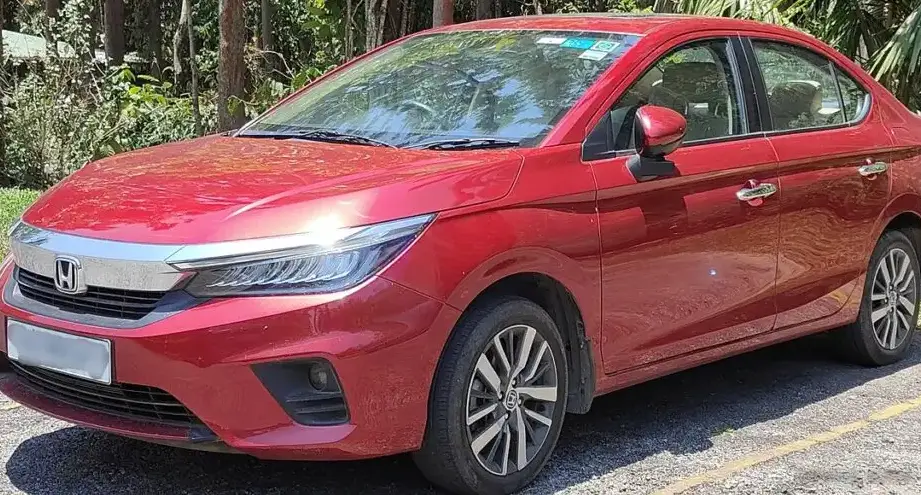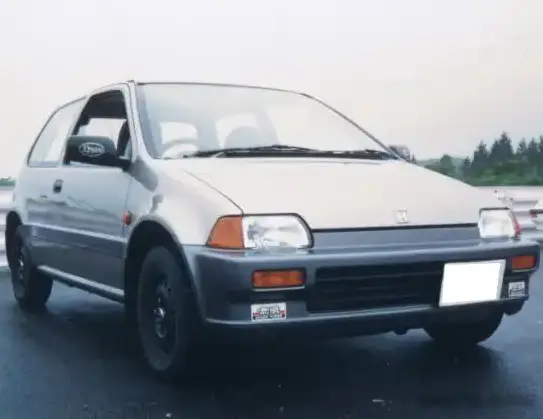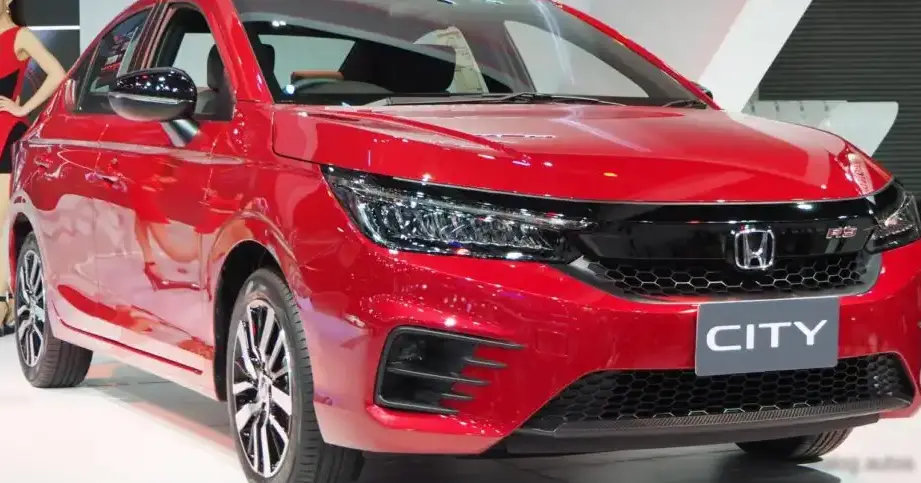
The Honda City Sedan III, produced between 1996 and 2002, represented Honda’s entry into the subcompact sedan market, particularly in Asia, South America, and parts of Europe. Positioned as an affordable and practical vehicle, the City Sedan III was based on the Honda 1HX0 platform, sharing components with the Honda Civic of the same era. The 1.3i variant, producing 95 horsepower, served as the base engine option, offering a balance of fuel efficiency and reasonable performance. This model aimed at buyers seeking a reliable and economical daily driver, often favored by first-time car owners and families.
Technical Specifications
| Brand | Honda |
| Model | City |
| Generation | City Sedan III |
| Type (Engine) | 1.3i (95 Hp) |
| Start of production | 1996 |
| End of production | 2002 |
| Powertrain Architecture | Internal Combustion engine |
| Body type | Sedan |
| Seats | 5 |
| Doors | 4 |
| Fuel consumption (urban) | 8 l/100 km (29.4 US mpg) |
| Fuel consumption (extra urban) | 5.5 l/100 km (42.8 US mpg) |
| Fuel Type | Petrol (Gasoline) |
| Acceleration 0 – 100 km/h | 11.3 sec |
| Acceleration 0 – 62 mph | 11.3 sec |
| Acceleration 0 – 60 mph | 10.7 sec |
| Maximum speed | 171 km/h (106.25 mph) |
| Weight-to-power ratio | 9.9 kg/Hp |
| Weight-to-torque ratio | 7.9 kg/Nm |
| Power | 95 Hp @ 6400 rpm |
| Power per litre | 70.7 Hp/l |
| Torque | 119 Nm @ 4700 rpm (87.77 lb.-ft. @ 4700 rpm) |
| Engine layout | Front, Transverse |
| Engine displacement | 1343 cm3 (81.95 cu. in.) |
| Number of cylinders | 4 |
| Engine configuration | Inline |
| Cylinder Bore | 75 mm (2.95 in.) |
| Piston Stroke | 76 mm (2.99 in.) |
| Compression ratio | 9:1 |
| Number of valves per cylinder | 2 |
| Fuel injection system | Multi-port manifold injection |
| Engine aspiration | Naturally aspirated engine |
| Valvetrain | OHC |
| Kerb Weight | 940 kg (2072.35 lbs.) |
| Trunk (boot) space – minimum | 385 l (13.6 cu. ft.) |
| Fuel tank capacity | 45 l (11.89 US gal | 9.9 UK gal) |
| Length | 4225 mm (166.34 in.) |
| Width | 1690 mm (66.54 in.) |
| Height | 1400 mm (55.12 in.) |
| Wheelbase | 2500 mm (98.43 in.) |
| Front track | 1450 mm (57.09 in.) |
| Rear (Back) track | 1450 mm (57.09 in.) |
| Minimum turning circle | 9.6 m (31.5 ft.) |
| Drivetrain Architecture | The Internal combustion engine (ICE) drives the front wheels of the vehicle. |
| Drive wheel | Front wheel drive |
| Number of gears and type of gearbox | 5 gears, manual transmission |
| Front suspension | Spring Strut |
| Rear suspension | Torsion |
| Front brakes | Ventilated discs |
| Rear brakes | Drum |
| Steering type | Steering rack and pinion |
| Power steering | Hydraulic Steering |
| Tires size | 175/70 R13 |
Powertrain & Engine Architecture
The heart of the 1.3i City Sedan III was the D13B engine, a 1.3-liter inline-four cylinder gasoline engine. This engine utilized a single overhead camshaft (SOHC) valvetrain with two valves per cylinder. The engine employed multi-point fuel injection, contributing to improved fuel efficiency and smoother operation compared to earlier carburetor-based systems. The D13B engine was known for its simplicity and reliability, making it relatively easy and inexpensive to maintain. The 95 horsepower output was achieved at 6400 rpm, while peak torque of 119 Nm (87.77 lb-ft) arrived at 4700 rpm. The engine’s relatively low compression ratio of 9:1 allowed it to run reliably on a wide range of fuel qualities. The standard transmission was a five-speed manual, providing adequate control for everyday driving.
Driving Characteristics
The 1.3i City Sedan III offered modest performance. Acceleration from 0 to 60 mph took approximately 10.7 seconds, and the top speed was around 106 mph. While not particularly sporty, the engine provided sufficient power for urban commuting and highway cruising, especially when the vehicle was lightly loaded. The five-speed manual transmission allowed drivers to keep the engine in its optimal power band, improving responsiveness. Compared to higher-trim models equipped with larger engines (like the 1.5i), the 1.3i felt noticeably less powerful, particularly when climbing hills or overtaking. However, the lighter engine weight contributed to slightly better handling and fuel economy.
Equipment & Trim Levels
The 1.3i City Sedan III typically came with a fairly basic level of equipment, reflecting its position as the entry-level model. Standard features generally included power steering, cloth upholstery, and a basic audio system. Air conditioning was often an optional extra. Interior trim was functional and durable, prioritizing practicality over luxury. Higher trim levels offered features like power windows, central locking, and upgraded audio systems. The dashboard layout was straightforward and easy to use, with clearly labeled controls. Safety features were limited by the standards of the time, typically including seatbelts and a basic braking system.
Chassis & Braking
The City Sedan III utilized a front-wheel-drive layout with a relatively simple suspension system. The front suspension consisted of MacPherson strut springs, while the rear suspension employed a torsion beam setup. This configuration provided a comfortable ride quality, although it wasn’t particularly sporty. The braking system featured ventilated discs on the front wheels and drum brakes on the rear. Hydraulic power steering was standard, making maneuvering in tight spaces easier. The tires were typically 175/70 R13, providing adequate grip for everyday driving conditions. The suspension was tuned for comfort rather than performance, resulting in a slightly softer and more forgiving ride.
Market Reception & Comparison
The Honda City Sedan III 1.3i was generally well-received as an affordable and reliable subcompact sedan. Critics praised its fuel efficiency, ease of driving, and Honda’s reputation for build quality. However, some reviewers noted its lack of power and basic interior appointments. Compared to other vehicles in its class, such as the Toyota Corolla and Nissan Sentra, the City offered a competitive price point and a reputation for longevity. The 1.5i variant offered a noticeable performance upgrade, but at a higher cost. The 1.3i appealed to budget-conscious buyers who prioritized fuel economy and reliability over outright performance.
Legacy
The Honda City Sedan III 1.3i has proven to be a remarkably durable vehicle. Many examples are still on the road today, a testament to Honda’s engineering and build quality. The D13B engine is known for its longevity and relatively low maintenance costs. In the used car market, these vehicles are often sought after as affordable and reliable transportation. While not a collector’s item, well-maintained examples hold their value reasonably well. The City Sedan III helped establish Honda as a major player in the subcompact sedan segment, paving the way for future generations of the City model.