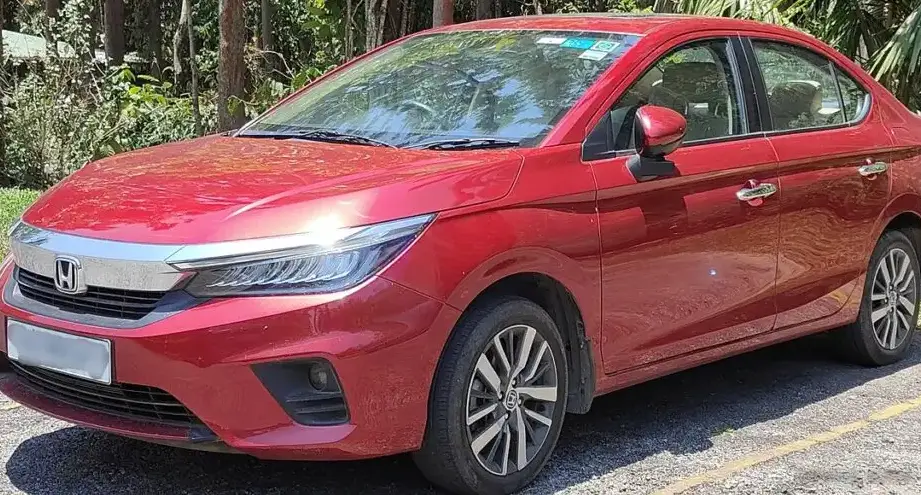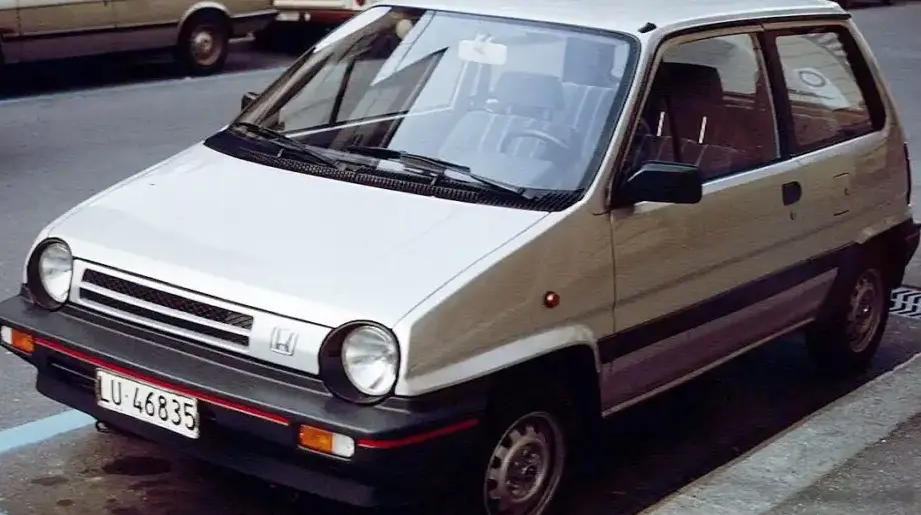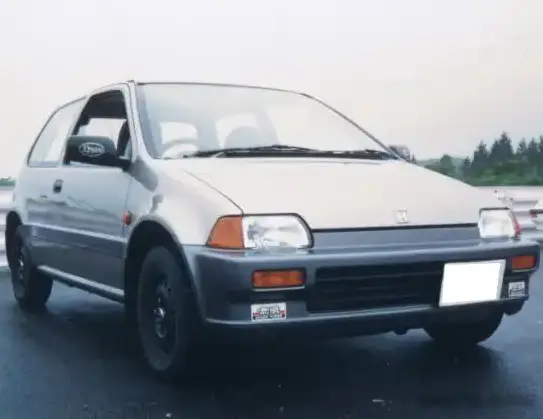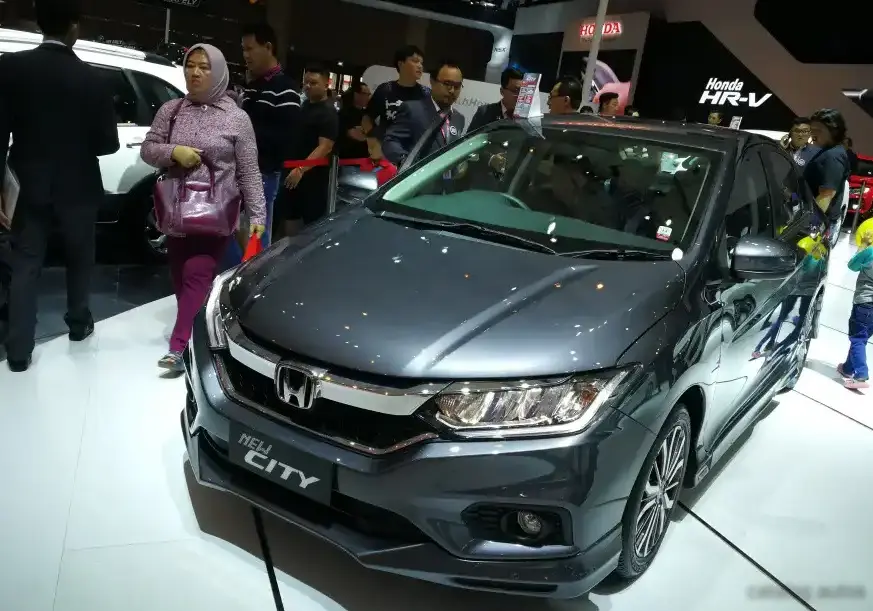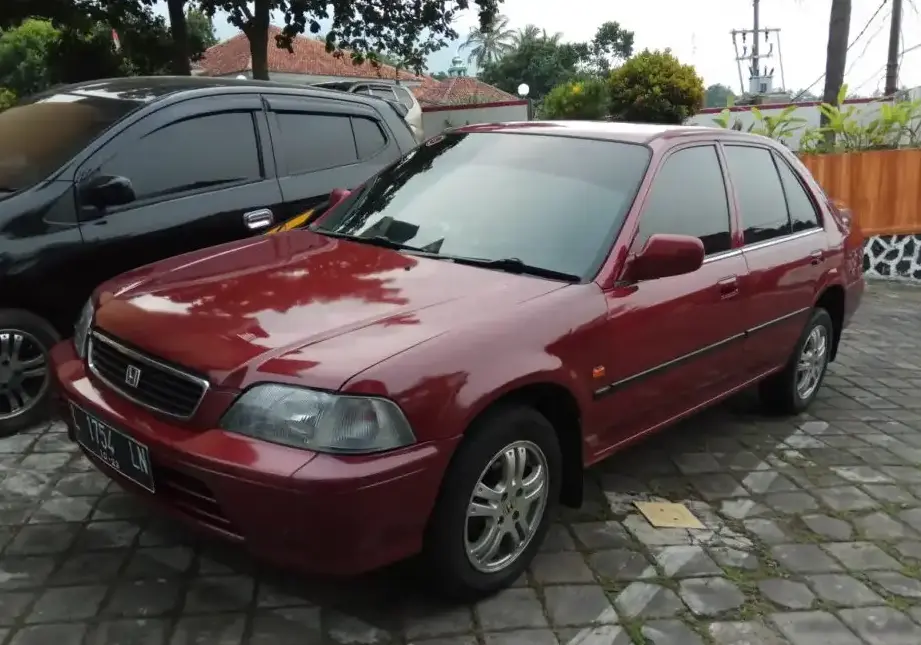
The Honda City Sedan III, specifically the 1.5i 16V variant producing 105 horsepower, was a key model in Honda’s global lineup from 1996 to 2002. Positioned as a subcompact sedan, it primarily targeted emerging markets in Asia, South America, and parts of Europe, offering an affordable and reliable transportation solution. In the United States, the City was not officially sold during this generation. This particular trim level represented a balance between economy and performance within the City Sedan III range, slotting above base models and below any potential sportier or higher-specification versions offered in certain regions. It was built on the AA platform, a derivative of the Honda Civic, sharing many components but offering a longer wheelbase and dedicated trunk space – a feature differentiating it from the Civic hatchback models prevalent in some markets.
Technical Specifications
| Brand | Honda |
| Model | City |
| Generation | City Sedan III |
| Type (Engine) | 1.5i 16V (105 Hp) |
| Start of production | 1996 |
| End of production | 2002 |
| Powertrain Architecture | Internal Combustion engine |
| Body type | Sedan |
| Seats | 5 |
| Doors | 4 |
| Fuel Type | Petrol (Gasoline) |
| Weight-to-power ratio | 9 kg/Hp, 111.7 Hp/tonne |
| Weight-to-torque ratio | 7.3 kg/Nm, 137.2 Nm/tonne |
| Power | 105 Hp @ 6400 rpm |
| Power per litre | 70.3 Hp/l |
| Torque | 129 Nm @ 4700 rpm, 95.15 lb.-ft. @ 4700 rpm |
| Engine layout | Front, Transverse |
| Engine displacement | 1493 cm3, 91.11 cu. in. |
| Number of cylinders | 4 |
| Engine configuration | Inline |
| Cylinder Bore | 75 mm, 2.95 in. |
| Piston Stroke | 84.5 mm, 3.33 in. |
| Compression ratio | 9.1:1 |
| Number of valves per cylinder | 4 |
| Fuel injection system | Multi-port manifold injection |
| Engine aspiration | Naturally aspirated engine |
| Kerb Weight | 940 kg, 2072.35 lbs |
| Trunk (boot) space – minimum | 385 l, 13.6 cu. ft |
| Fuel tank capacity | 45 l, 11.89 US gal | 9.9 UK gal |
| Length | 4225 mm, 166.34 in |
| Width | 1690 mm, 66.54 in |
| Height | 1400 mm, 55.12 in |
| Wheelbase | 2500 mm, 98.43 in |
| Front track | 1450 mm, 57.09 in |
| Rear (Back) track | 1450 mm, 57.09 in |
| Minimum turning circle (turning diameter) | 9.6 m, 31.5 ft |
| Drivetrain Architecture | The Internal combustion engine (ICE) drives the front wheels of the vehicle. |
| Drive wheel | Front wheel drive |
| Number of gears and type of gearbox | 5 gears, manual transmission |
| Front suspension | Spring Strut |
| Rear suspension | Torsion |
| Front brakes | Ventilated discs |
| Rear brakes | Drum |
| Steering type | Steering rack and pinion |
| Power steering | Hydraulic Steering |
| Tires size | 175/70 R13 |
Powertrain & Engine Architecture
The heart of the City 1.5i 16V was the D15B engine, a 1.5-liter inline-four cylinder gasoline engine. This engine utilized a single overhead camshaft (SOHC) design with four valves per cylinder, hence the “16V” designation. The multi-point fuel injection system, a common feature for the time, helped optimize fuel delivery and improve combustion efficiency. The engine’s 9.1:1 compression ratio was a compromise between performance and the ability to run on the prevalent fuel grades available in its target markets. The engine code varied slightly depending on the region, but the core architecture remained consistent. The 5-speed manual transmission was the standard offering, providing a relatively direct connection between the engine and the front wheels. The transmission was chosen for its simplicity and affordability, contributing to the City’s overall value proposition.
Driving Characteristics
The 105 horsepower and 129 Nm (95 lb-ft) of torque delivered by the 1.5i 16V engine provided adequate, though not exhilarating, performance. Acceleration was best described as steady, with a 0-60 mph time estimated around 11-12 seconds. The five-speed manual transmission allowed drivers to keep the engine in its optimal power band, maximizing acceleration and responsiveness. Compared to potential higher-output variants (which were not widely available), the 1.5i 16V prioritized fuel economy and ease of driving over outright speed. The gear ratios were tuned for everyday usability, providing comfortable cruising at highway speeds. The relatively light weight of the vehicle (around 940 kg or 2072 lbs) helped mitigate the effects of the modest power output.
Equipment & Trim Levels
The City 1.5i 16V typically came equipped with basic amenities, reflecting its position as an affordable subcompact. Standard features generally included power steering, cloth upholstery, and a basic audio system. Air conditioning was often an optional extra, as were power windows and central locking. Interior trim levels varied depending on the market, but generally featured durable plastics and a functional, no-frills design. The dashboard layout was straightforward, with clearly labeled controls. Safety features were limited by the standards of the time, typically including seatbelts and a basic braking system without ABS in many markets.
Chassis & Braking
The City Sedan III utilized a relatively simple chassis design. Front suspension consisted of MacPherson strut coil springs, while the rear employed a torsion beam setup. This configuration provided a reasonable balance between ride comfort and handling. Braking duties were handled by ventilated discs at the front and drum brakes at the rear. The braking system was adequate for everyday driving, but lacked the stopping power and sophistication of more advanced systems. Steering was provided by a hydraulic rack and pinion system, offering reasonable precision and feedback. The 175/70 R13 tires were chosen for their affordability and durability, rather than outright grip.
Market Reception & Comparison
The Honda City Sedan III 1.5i 16V was generally well-received in its target markets. Critics praised its reliability, fuel efficiency, and affordability. However, some noted its lack of refinement and relatively basic features compared to competitors. Compared to other subcompacts available at the time, the City offered a compelling value proposition, particularly in regions where Honda had a strong reputation for quality and durability. The manual transmission version was often preferred by enthusiasts for its more engaging driving experience, while the automatic transmission (available in some markets) appealed to drivers seeking greater convenience. Fuel economy was a strong point, typically achieving around 35-40 mpg in mixed driving conditions.
Legacy
The Honda City Sedan III 1.5i 16V has proven to be a remarkably durable and reliable vehicle. Many examples are still on the road today, a testament to Honda’s engineering prowess. The D15B engine is known for its longevity and relatively low maintenance costs. In the used car market, these Cities are often sought after by buyers looking for an affordable and dependable transportation option. While not a performance icon, the 1.5i 16V variant played a significant role in establishing the City as a popular and respected subcompact sedan, particularly in emerging markets. Its simplicity and robust construction continue to make it a viable choice for budget-conscious buyers.