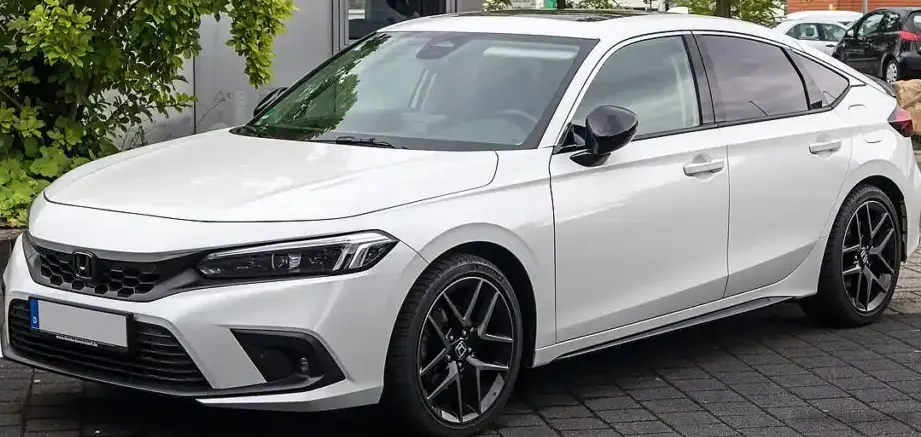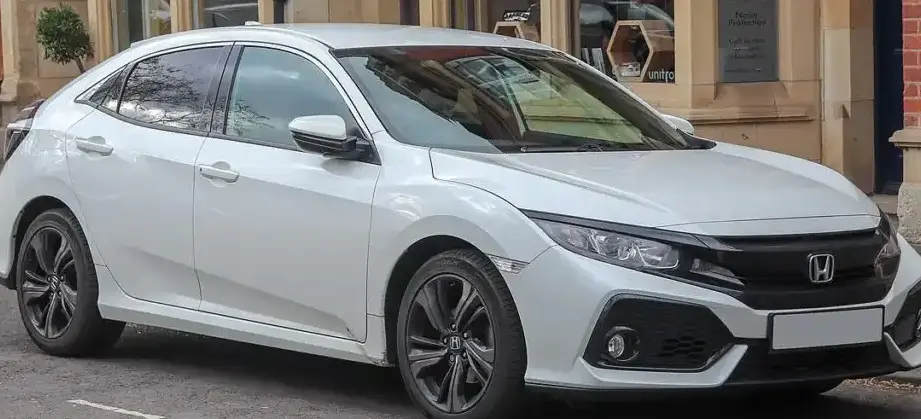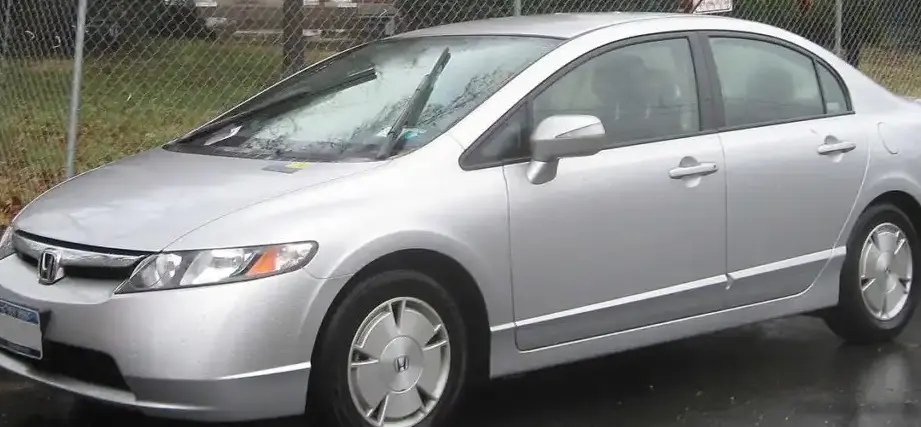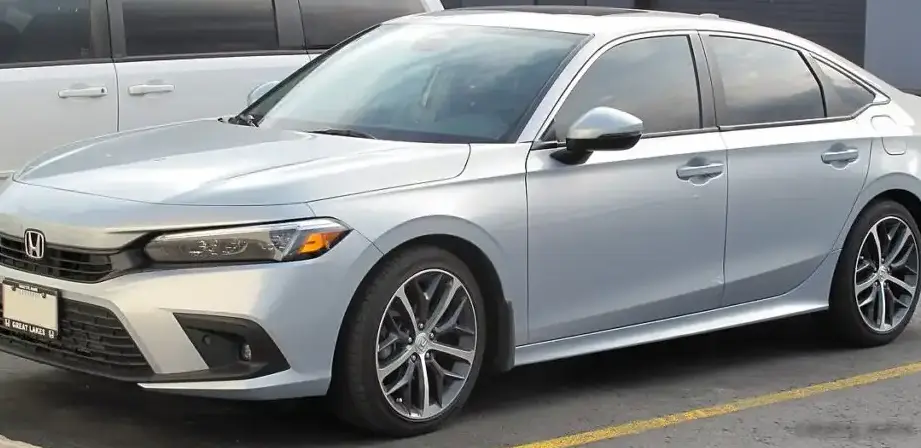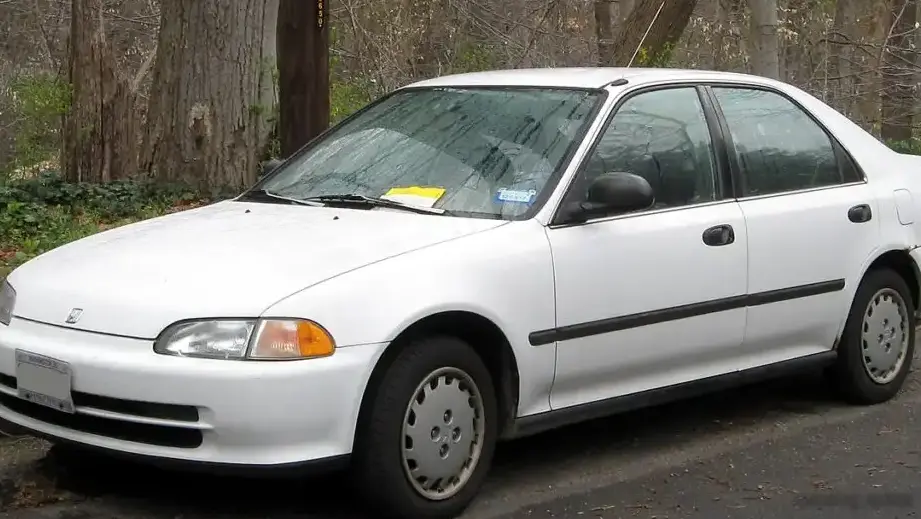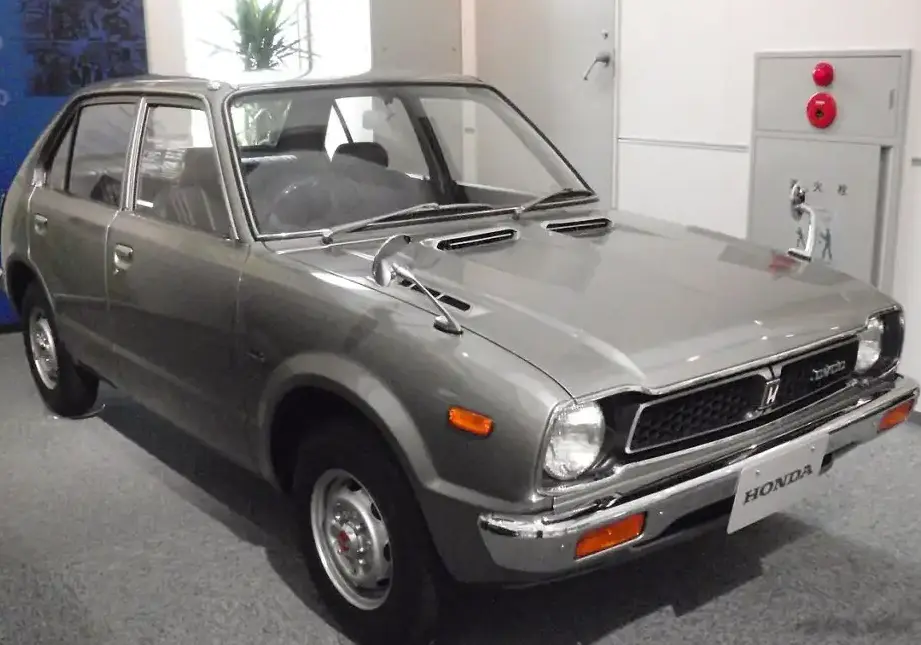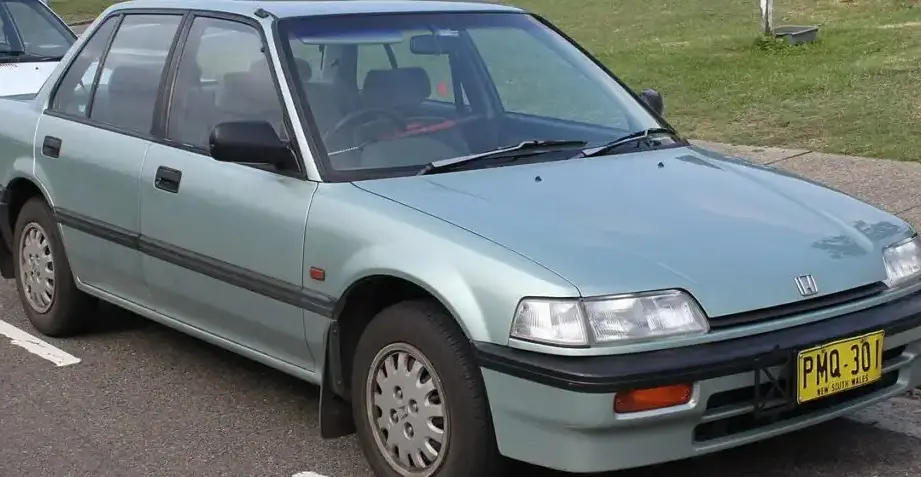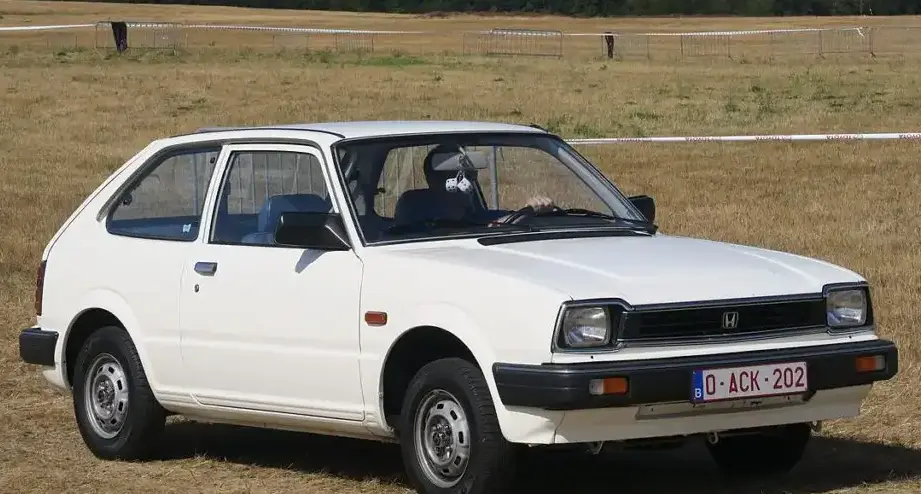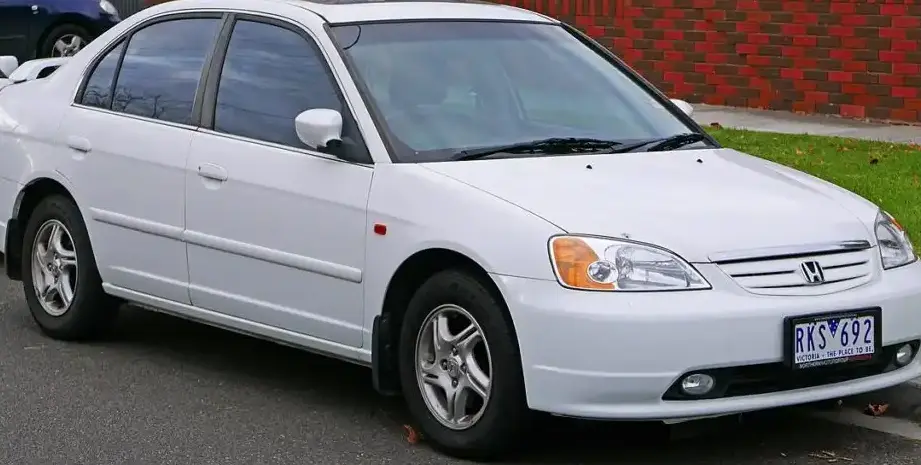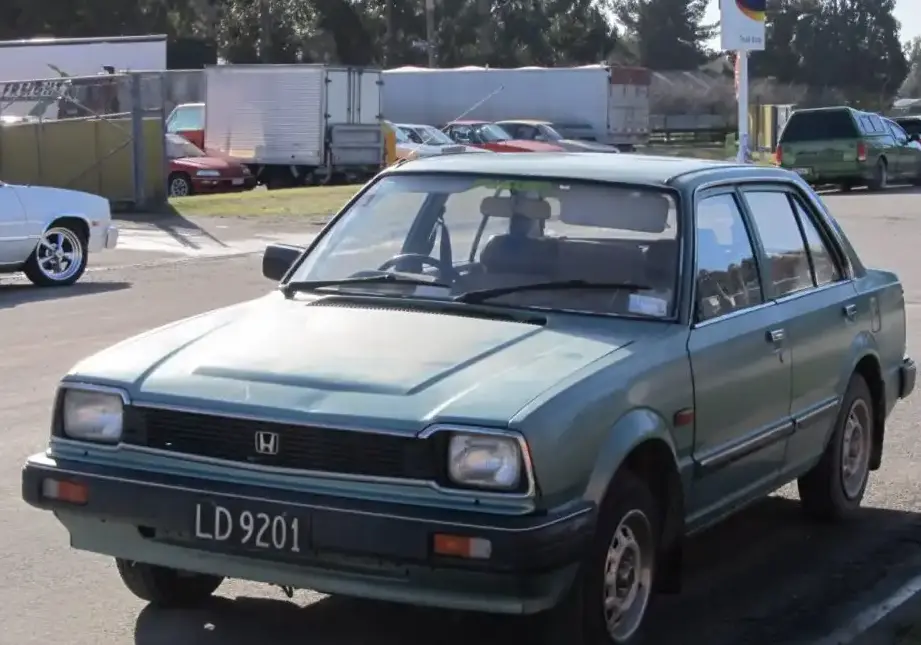
The Honda Civic II 1.3, produced between 1979 and 1983, represents a significant evolution of Honda’s popular compact car. This variant, equipped with a 1.3-liter, 45 horsepower engine and typically paired with either a four-speed manual or a two-speed automatic transmission, served as the entry point into the second-generation Civic lineup. It was designed to offer fuel-efficient and reliable transportation during a period of increasing fuel costs and a growing demand for smaller, more economical vehicles in the United States and other global markets. The Civic II built upon the success of the original Civic, offering increased interior space, improved refinement, and a more modern design.
Technical Specifications
| Brand | Honda |
| Model | Civic |
| Generation | Civic II |
| Type (Engine) | 1.3 (45 Hp) |
| Start of Production | 1979 |
| End of Production | 1983 |
| Powertrain Architecture | Internal Combustion Engine |
| Body Type | Sedan |
| Fuel Type | Petrol (Gasoline) |
| Power | 45 Hp |
| Engine Aspiration | Naturally Aspirated |
| Engine Displacement | 1.3 Liters |
| Transmission | 4-Speed Manual or 2-Speed Automatic |
Powertrain & Engine Architecture
The heart of the Civic II 1.3 is a 1335cc (81.4 cubic inch) inline-four cylinder engine. This engine, designated as the A13 series, is a naturally aspirated, single overhead cam (SOHC) design. It features a cast iron block and an aluminum cylinder head, a common configuration for engines of this era aiming for a balance of durability and weight reduction. Fuel delivery is managed by a carburetor, specifically a Keihin or Hitachi unit, reflecting the technology prevalent in the late 1970s and early 1980s. The engine utilizes two valves per cylinder (intake and exhaust). The 45 horsepower output is achieved at approximately 5,500 rpm, with peak torque of around 73 lb-ft at 3,000 rpm. The two-speed automatic transmission, a Hondamatic, was a unique offering. It wasn’t a traditional automatic with planetary gearsets, but rather a continuously variable transmission (CVT) using a belt and pulley system. This design prioritized fuel efficiency over outright performance.
Driving Characteristics
The 1.3-liter Civic II, particularly in automatic guise, was not designed for spirited driving. Acceleration was modest, with 0-60 mph times estimated to be around 15-18 seconds. The Hondamatic transmission, while smooth, contributed to this leisurely pace. The gear ratios were optimized for fuel economy, meaning the engine often operated at higher rpm during acceleration. The manual transmission version offered slightly improved performance, allowing the driver to better utilize the engine’s limited power band. Handling was generally considered good for a car of its class, with a relatively lightweight chassis and a MacPherson strut front suspension. However, the rear suspension, consisting of a solid axle with leaf springs, could result in a somewhat bumpy ride, especially on uneven surfaces. The steering was light and responsive, making it easy to maneuver in city traffic.
Equipment & Trim Levels
The Civic II 1.3 typically represented the base trim level. Standard features were relatively sparse, reflecting its position as an affordable economy car. Interior appointments generally included vinyl or cloth upholstery, a basic dashboard with analog gauges, and minimal sound insulation. Air conditioning was often an optional extra, as were features like a radio and upgraded interior trim. The exterior typically featured steel wheels with hubcaps, black plastic bumpers, and relatively simple body moldings. Higher trim levels, such as the Civic DX, offered more features, including upgraded upholstery, a more comprehensive instrument cluster, and additional exterior trim. The 1.3 model was often seen as a practical and functional vehicle, prioritizing reliability and fuel efficiency over luxury or performance.
Chassis & Braking
The Civic II utilized a unibody construction, contributing to its relatively lightweight design. The front suspension consisted of MacPherson struts with stabilizer bar, providing a reasonable level of ride comfort and handling. The rear suspension employed a solid axle with leaf springs, a cost-effective design that was common in compact cars of the era. Braking was typically accomplished with drum brakes on all four wheels, although some later models and higher trim levels were equipped with front disc brakes. The braking system was adequate for normal driving conditions, but lacked the stopping power of more modern vehicles. Steering was a rack-and-pinion system, providing precise and responsive control.
Market Reception & Comparison
The Civic II 1.3 was generally well-received by critics and consumers alike. It was praised for its fuel efficiency, reliability, and affordability. However, its modest performance was often noted. Compared to other compact cars of the time, such as the Ford Escort or the Chevrolet Chevette, the Civic offered a more refined driving experience and a reputation for superior reliability. The 1.5-liter and 1.6-liter versions of the Civic II offered significantly more power and performance, but came at a higher price point. The automatic transmission, while innovative, was sometimes criticized for its lack of responsiveness and its impact on fuel economy compared to the manual transmission. The 1.3L automatic was targeted towards buyers prioritizing ease of use and fuel savings over driving excitement.
Legacy
The Honda Civic II 1.3, while not the most powerful or feature-rich variant of its generation, played a crucial role in establishing the Civic as a leading compact car. The A13 engine proved to be remarkably durable and reliable, and many examples remain on the road today. The Hondamatic transmission, while unique, is known for its longevity when properly maintained. In the used car market, these Civics are often sought after by enthusiasts looking for a simple, reliable, and affordable classic car. Parts availability is generally good, and the relatively straightforward mechanical design makes them relatively easy to maintain and repair. The Civic II 1.3 represents a significant chapter in Honda’s history, demonstrating the company’s commitment to building high-quality, fuel-efficient, and reliable vehicles.