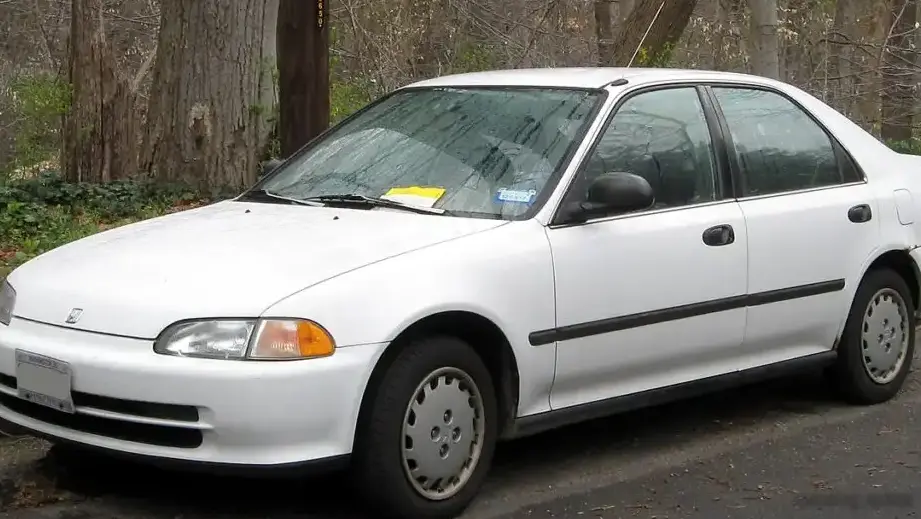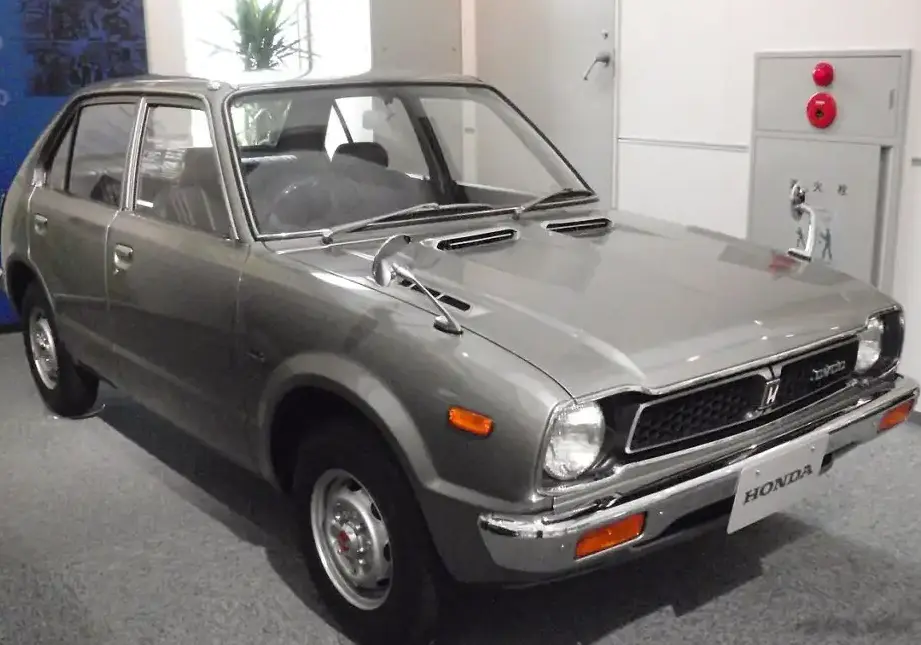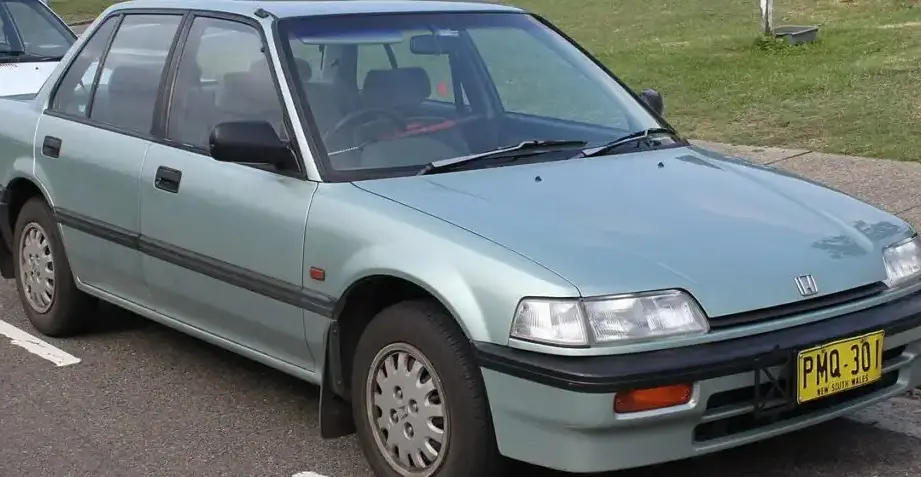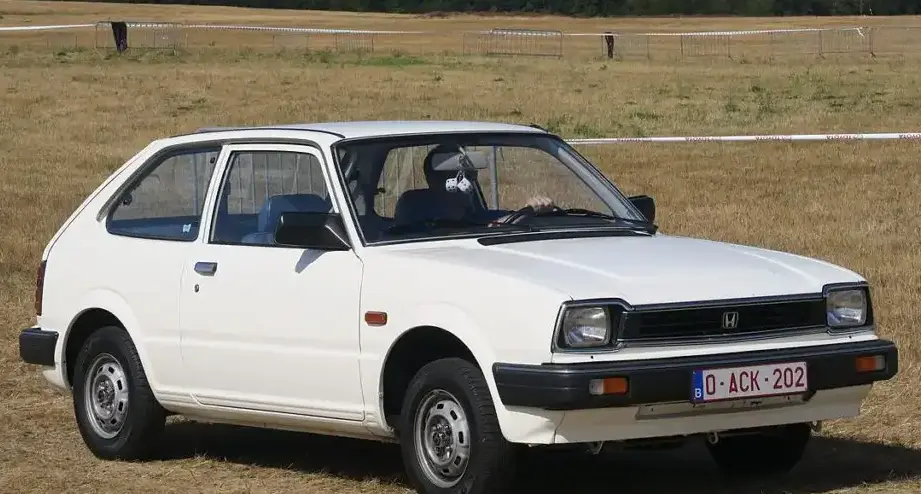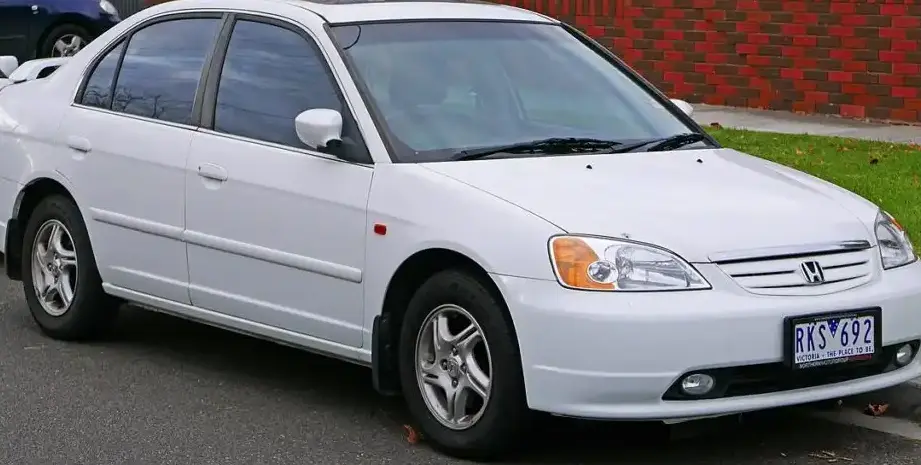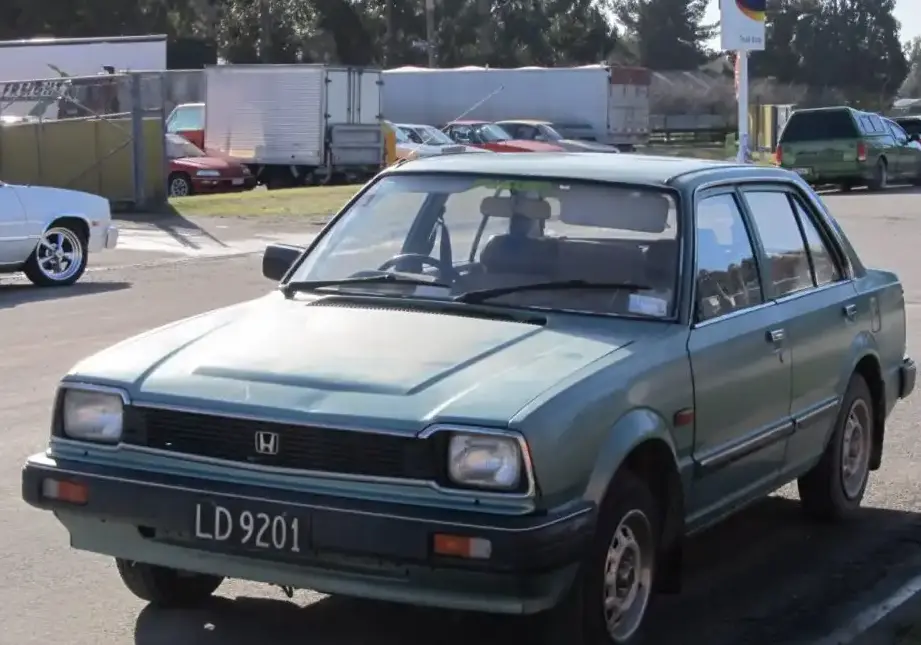
The Honda Civic II 1.3, produced between 1979 and 1983, represents a significant evolution of Honda’s popular compact car. This variant, equipped with a 1.3-liter, 60 horsepower engine, served as a cornerstone of the Civic lineup during this period, offering an affordable and fuel-efficient transportation option in a market increasingly focused on practicality. It built upon the success of the first-generation Civic, addressing some of its shortcomings and introducing improvements in refinement and features. The Civic II was sold primarily in North America, Europe, and Japan, with the 1.3-liter engine being a common choice for buyers seeking a balance between economy and usability.
Technical Specifications
| Brand | Honda |
| Model | Civic |
| Generation | Civic II |
| Type (Engine) | 1.3 (60 Hp) |
| Start of production | 1979 |
| End of production | 1983 |
| Powertrain Architecture | Internal Combustion Engine |
| Body Type | Sedan |
| Fuel Type | Petrol (Gasoline) |
| Power | 60 Hp |
| Engine Aspiration | Naturally Aspirated |
Powertrain & Engine Architecture
The heart of the Civic II 1.3 is the A13A engine, a 1335cc inline-four cylinder engine. This engine is a naturally aspirated, single overhead cam (SOHC) design, featuring two valves per cylinder. The A13A utilized a carburetor for fuel delivery, specifically a Hitachi or Keihin unit depending on the market. While not particularly powerful by modern standards, the A13A was known for its reliability and fuel efficiency. The engine’s block is cast iron, while the cylinder head is aluminum, contributing to a relatively lightweight design. The engine produced 60 horsepower at 5,500 rpm and 79 lb-ft of torque at 3,000 rpm. The transmission paired with this engine was typically a four-speed manual, but a three-speed automatic transmission was also available, though less common. The automatic transmission, a Honda-developed unit, was designed for smooth operation and ease of use, prioritizing comfort over performance. The engine’s relatively simple design made it easy to maintain and repair, a key factor in its longevity.
Driving Characteristics
The Civic II 1.3, particularly in its automatic transmission guise, offered a decidedly unhurried driving experience. Acceleration was modest, with 0-60 mph times estimated around 14-16 seconds. The three-speed automatic transmission featured relatively wide gear ratios, prioritizing fuel economy over quick acceleration. The engine felt most comfortable in the mid-range, providing adequate power for everyday driving situations like merging onto highways or passing slower vehicles. The manual transmission version offered a more engaging driving experience, allowing drivers to better utilize the engine’s limited power band. Steering was light and precise, making the Civic easy to maneuver in urban environments. The suspension, consisting of independent front suspension with MacPherson struts and a rear beam axle, provided a comfortable ride, although it wasn’t particularly sporty. Compared to the 1.5-liter engine option available in some markets, the 1.3-liter felt noticeably less powerful, especially when fully loaded with passengers or cargo.
Equipment & Trim Levels
The Civic II 1.3 was generally offered in a relatively basic trim level, reflecting its position as an entry-level model. Standard features typically included cloth upholstery, a basic AM/FM radio, and manual windows and locks. Air conditioning was often an optional extra, as were features like a rear window defroster and upgraded sound systems. Interior appointments were functional and durable, prioritizing practicality over luxury. The dashboard layout was simple and straightforward, with clearly labeled controls. Later models within the Civic II generation saw the introduction of slightly more upscale trim levels, offering features like upgraded interior materials and additional convenience items, but the 1.3-liter engine remained primarily associated with the base model. Exterior styling was understated, with a focus on aerodynamic efficiency. Available colors included a range of solid and metallic paints.
Chassis & Braking
The Civic II utilized a unibody construction, contributing to its relatively lightweight design. The front suspension featured MacPherson struts, coil springs, and an anti-roll bar, providing a comfortable and controlled ride. The rear suspension employed a beam axle with coil springs and shock absorbers. Braking was typically accomplished with drum brakes on all four wheels, although some higher-spec models offered front disc brakes. Steering was rack-and-pinion, providing precise and responsive handling. The relatively light weight of the Civic II 1.3 helped to compensate for the modest braking performance. Tire size was typically 175/70R13, providing a good balance between ride comfort and handling. The chassis design prioritized safety and durability, with reinforced body structures and crumple zones.
Market Reception & Comparison
The Civic II 1.3 was generally well-received by critics and consumers alike. It was praised for its fuel efficiency, reliability, and affordability. However, its modest performance was often noted, particularly when compared to larger or more powerful vehicles. Compared to the 1.5-liter Civic models, the 1.3-liter offered better fuel economy but less overall performance. The automatic transmission version was often criticized for its sluggish acceleration, but it was appreciated for its ease of use. Fuel economy figures were impressive for the time, typically ranging from 35-45 mpg depending on driving conditions. The Civic II 1.3 competed with other subcompact cars such as the Toyota Corolla, Nissan Sentra, and Ford Escort. It consistently ranked highly in reliability surveys, establishing Honda’s reputation for building durable and dependable vehicles.
Legacy
The Honda Civic II 1.3 remains a popular choice among classic car enthusiasts and collectors. Its simple design and robust powertrain make it relatively easy to maintain and repair. The A13A engine is known for its longevity, and many examples are still on the road today. Parts availability is generally good, although some specific components may be difficult to find. The Civic II 1.3 represents a pivotal moment in Honda’s history, solidifying its position as a major player in the global automotive market. It laid the foundation for the continued success of the Civic model, which remains one of the best-selling cars in the world. In the used car market, well-maintained examples of the Civic II 1.3 can command a premium, particularly those with low mileage and original features. The car is often seen as a testament to Honda’s engineering prowess and commitment to quality.