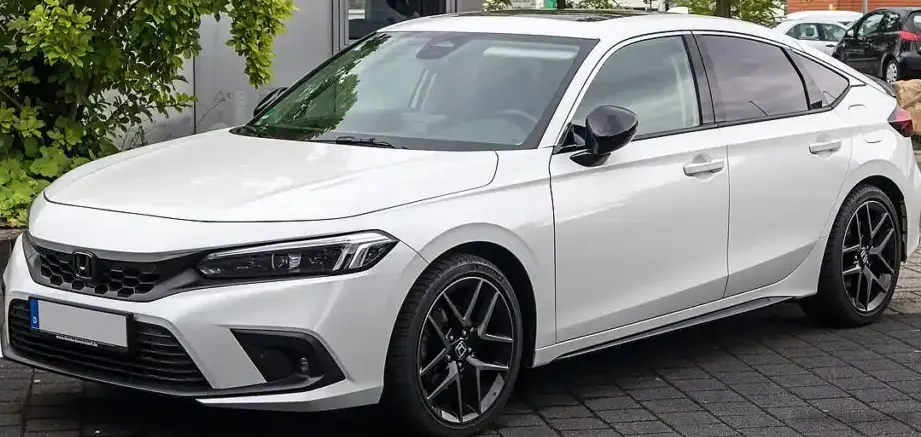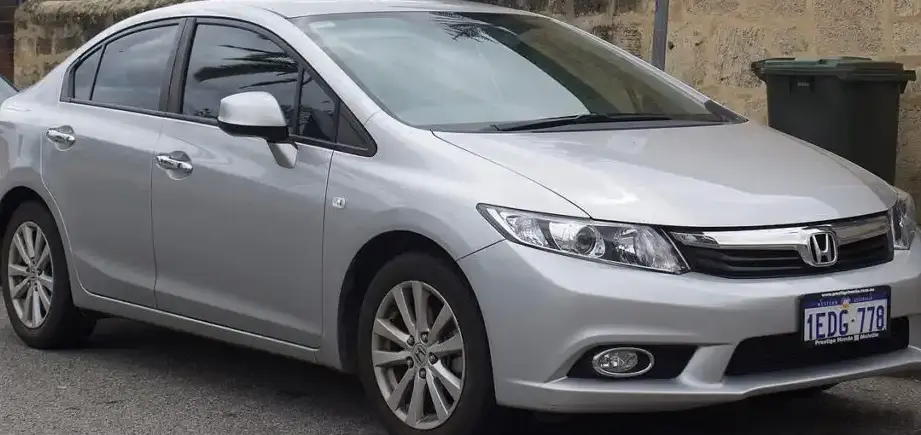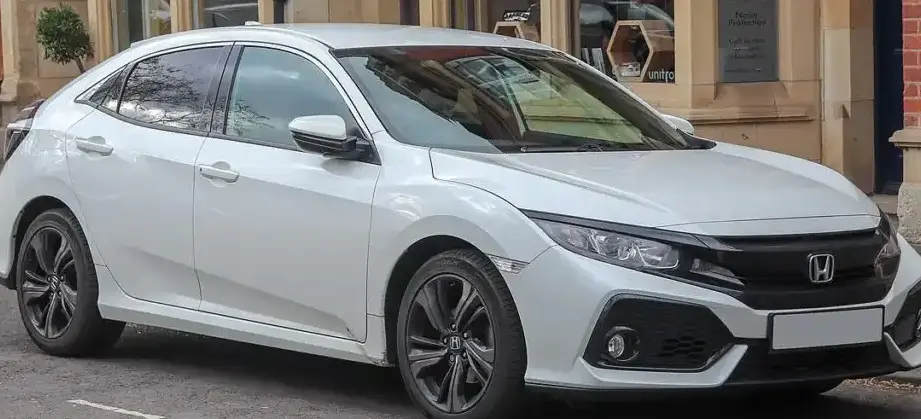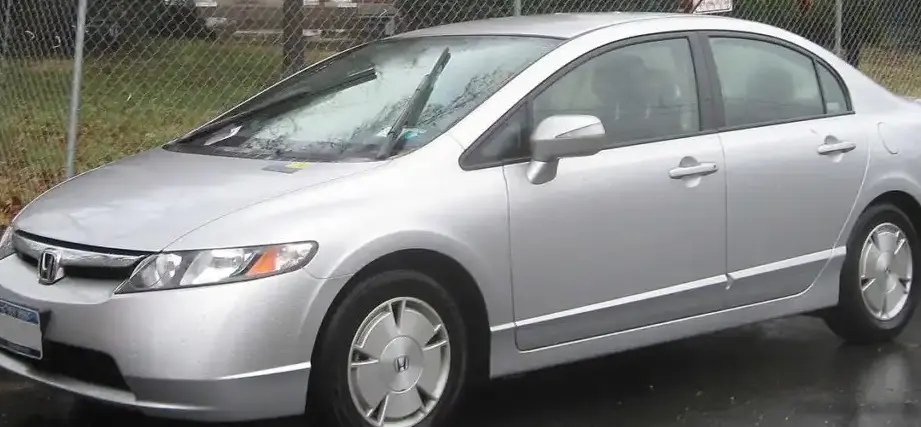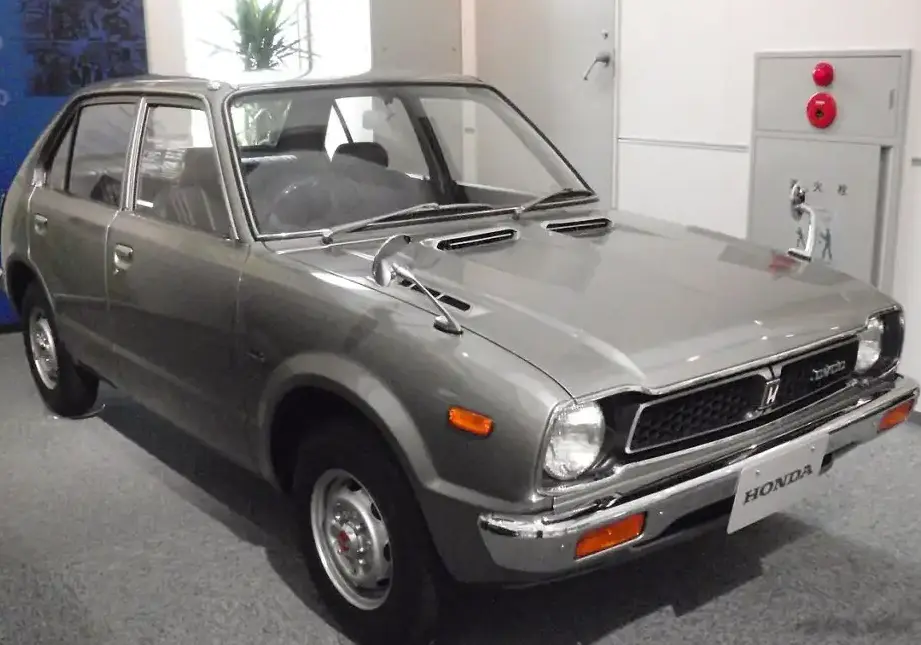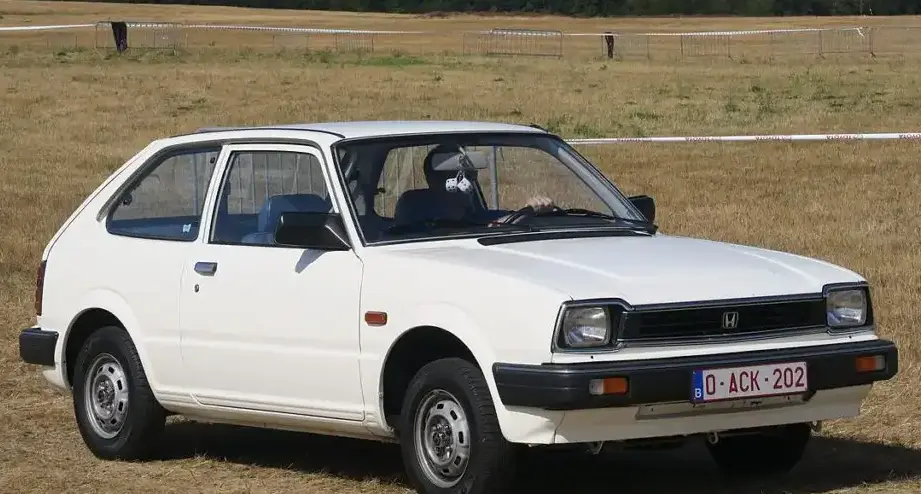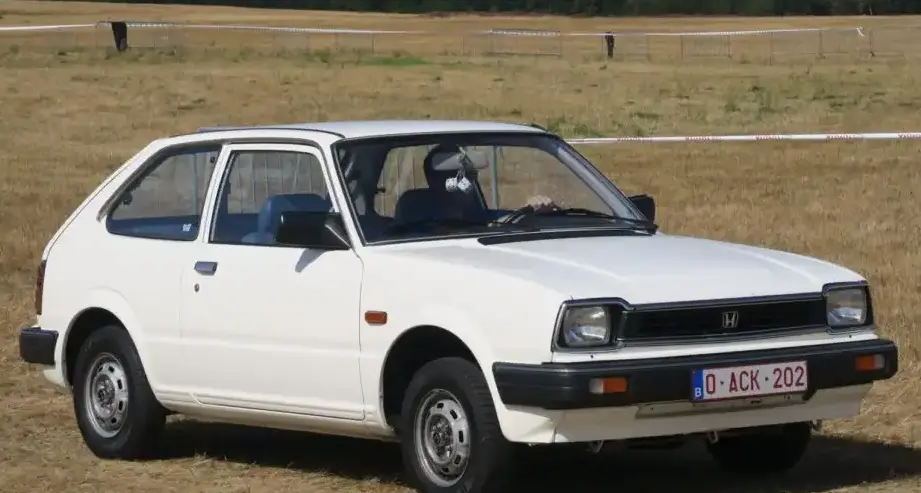
The Honda Civic II Hatchback, produced between 1979 and 1983, represented a significant evolution of Honda’s popular compact car. This second-generation Civic (internally designated as AA for the hatchback) built upon the success of the first generation, offering increased refinement, improved fuel efficiency, and a slightly larger interior. The 1.3-liter, 60 horsepower variant was a mainstay of the lineup, particularly in markets where affordability and economy were paramount. It served as the entry point into the Civic range, appealing to a broad customer base seeking reliable and economical transportation. This model played a crucial role in establishing the Civic as a global automotive force, particularly in North America where it gained a reputation for dependability and low running costs.
Technical Specifications
| Brand | Honda |
| Model | Civic |
| Generation | Civic II Hatchback |
| Type (Engine) | 1.3 (60 Hp) |
| Start of production | 1979 |
| End of production | 1983 |
| Powertrain Architecture | Internal Combustion Engine |
| Body Type | Hatchback |
| Fuel Type | Petrol (Gasoline) |
| Power | 60 Hp |
| Engine Aspiration | Naturally Aspirated |
Powertrain & Engine Architecture
The 1.3-liter engine, designated as the A13A, was a naturally aspirated inline-four cylinder engine. It featured a single overhead camshaft (SOHC) design, operating with two valves per cylinder. Fuel delivery was managed by a carburetor, specifically the Keihin VF11 or similar, a common setup for the era prioritizing simplicity and cost-effectiveness. The engine’s bore and stroke measured 75.0 mm x 84.0 mm, resulting in a displacement of 1335 cc (81.4 cubic inches). The compression ratio was typically around 9.0:1. While not a powerhouse, the A13A was known for its smooth operation and relatively quiet running characteristics.
The 1.3L engine was typically paired with either a 4-speed manual transmission or a 3-speed automatic transmission (depending on the market). The automatic transmission, while providing ease of use, was a relatively simple design, prioritizing durability over performance. It featured a torque converter and planetary gearsets. The automatic transmission’s gear ratios were geared towards fuel economy, with a relatively tall final drive ratio. The manual transmission offered a more engaging driving experience and slightly improved fuel efficiency, but the automatic was a popular choice for drivers prioritizing convenience.
Driving Characteristics
The 1.3-liter Civic II Hatchback with the automatic transmission delivered modest performance. Acceleration was adequate for city driving and highway merging, but it wasn’t designed for spirited driving. Zero to sixty mph times were typically in the 14-16 second range. The automatic transmission’s shift points were calibrated for fuel economy, meaning the engine often operated at lower RPMs. This contributed to a relaxed driving experience but also meant that the engine lacked the responsiveness of the manual transmission version. The car’s light weight (around 1,700-1,800 lbs) helped to mitigate the lack of horsepower. Handling was predictable and safe, with a focus on comfort rather than sporty dynamics. The steering was light and easy to use, making it well-suited for urban environments.
Compared to the 1.5-liter engine option available in some markets, the 1.3L automatic was noticeably slower. The 1.5L provided a more substantial power boost, resulting in quicker acceleration and improved highway passing ability. However, the 1.3L offered better fuel economy, making it a more attractive option for budget-conscious buyers.
Equipment & Trim Levels
The 1.3-liter Civic II Hatchback typically represented the base trim level. Standard equipment generally included cloth upholstery, vinyl floor covering, basic instrumentation (speedometer, fuel gauge, temperature gauge), and a two-spoke steering wheel. Air conditioning, a radio, and upgraded interior trim were often available as optional extras. The exterior featured steel wheels with hubcaps, black plastic bumpers, and relatively simple exterior trim. The dashboard layout was functional and straightforward, with easy-to-read gauges and clearly labeled controls. The interior space was surprisingly roomy for a subcompact car, offering adequate seating for four adults.
Chassis & Braking
The Civic II Hatchback utilized a front-engine, front-wheel-drive layout. The suspension consisted of independent MacPherson struts at the front and a torsion beam rear suspension. This setup provided a comfortable ride and predictable handling. The steering was a rack-and-pinion system, offering precise control. Braking was typically accomplished with drum brakes on all four wheels, although some higher trim levels offered front disc brakes. The braking system was adequate for the car’s weight and performance, but it lacked the stopping power of more modern braking systems. Stabilizer bars were not typically included on the base 1.3L model, contributing to a slightly more pronounced body roll during cornering.
Market Reception & Comparison
The 1.3-liter Civic II Hatchback was well-received by critics and consumers alike. It was praised for its fuel efficiency, reliability, and affordability. Automotive publications of the time consistently highlighted the Civic’s value for money and its overall practicality. Compared to other subcompact cars of the era, such as the Ford Fiesta and the Volkswagen Polo, the Civic offered a more refined driving experience and a reputation for exceptional reliability. Fuel economy was a key selling point, with the 1.3L engine achieving around 35-40 mpg in real-world driving conditions. The automatic transmission, while not sporty, was appreciated by drivers who preferred the convenience of not having to shift gears.
Legacy
The Honda Civic II Hatchback 1.3 (60 Hp) powertrain proved to be remarkably durable and reliable. Many examples are still on the road today, a testament to Honda’s engineering prowess. The A13A engine is known for its longevity, and with proper maintenance, it can continue to provide years of reliable service. In the used car market, these Civics are often sought after by enthusiasts and collectors, particularly those looking for a classic Japanese car that is easy to maintain and relatively inexpensive to operate. The 1.3L automatic variant, while not the most desirable trim level, remains a popular choice for those seeking a simple, reliable, and economical classic car. Its enduring popularity speaks to the quality and thoughtfulness of the original design.