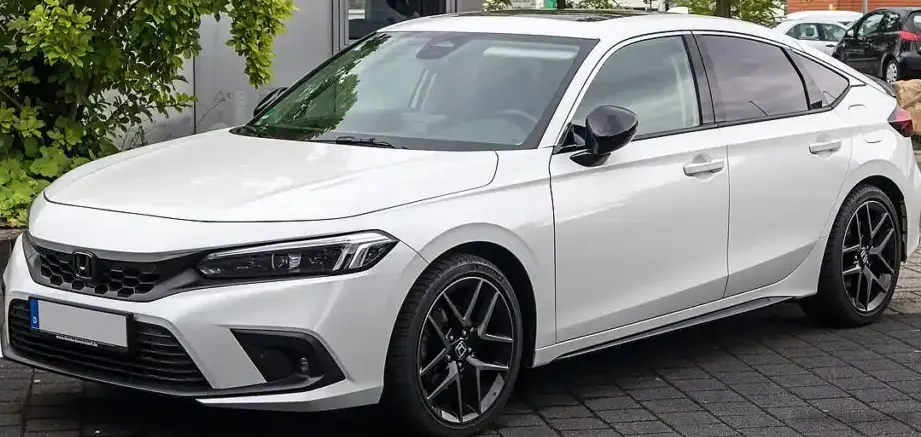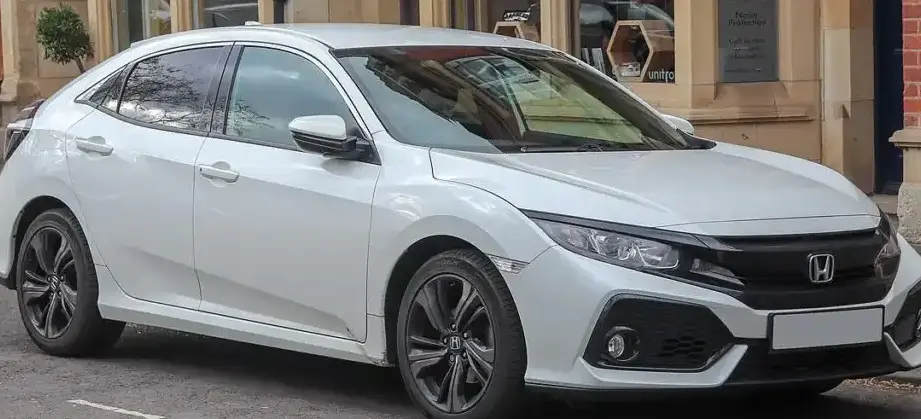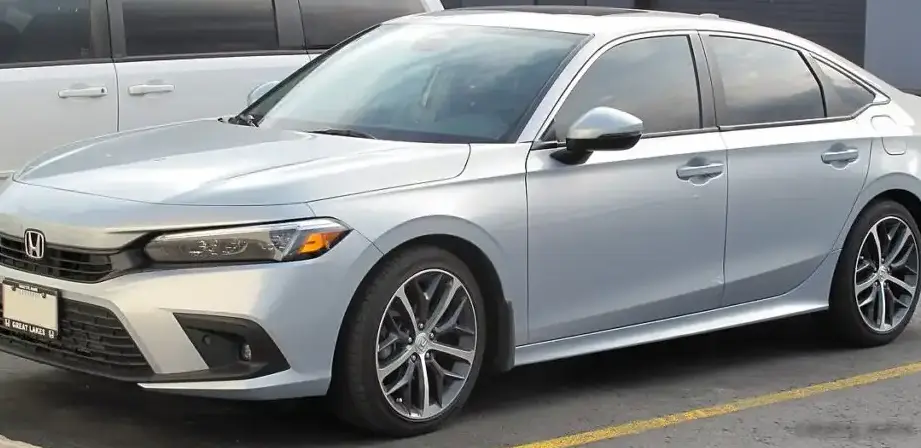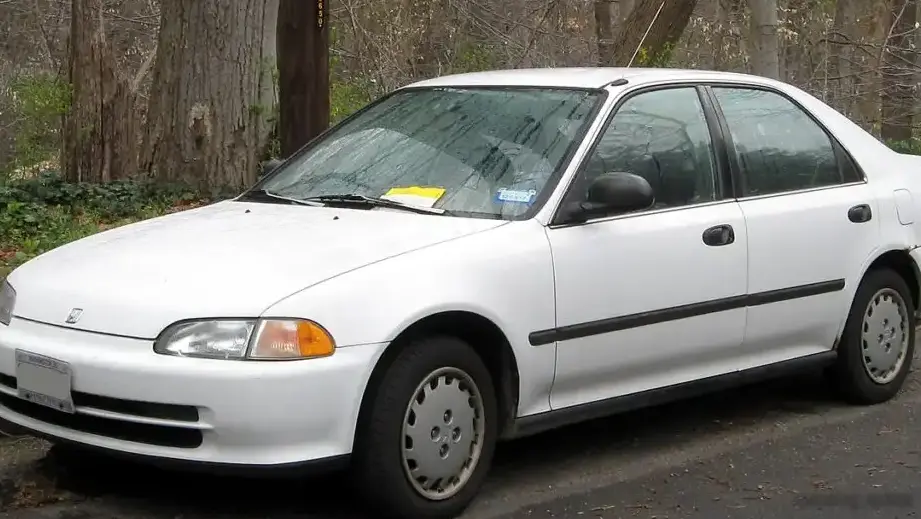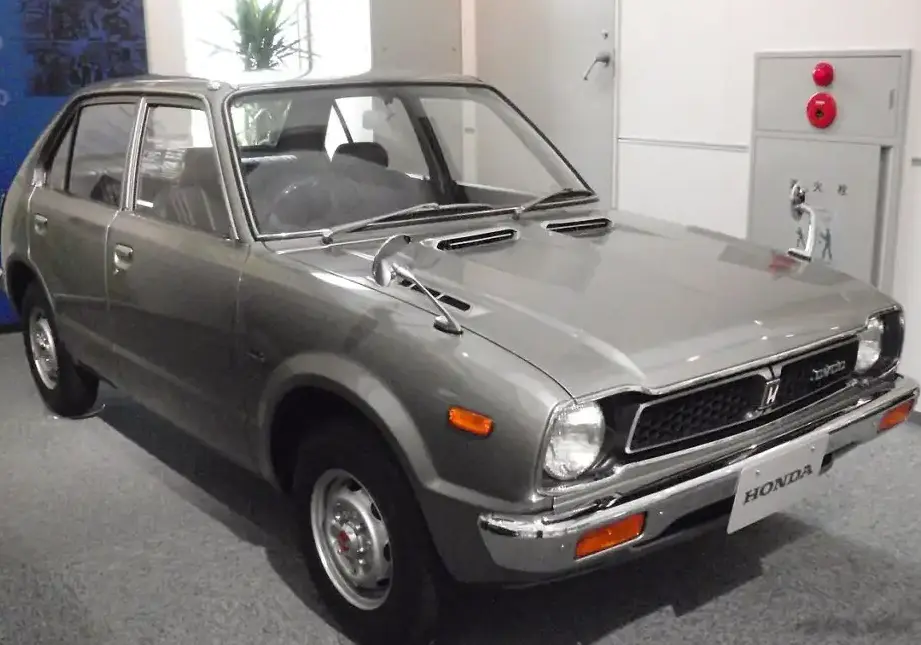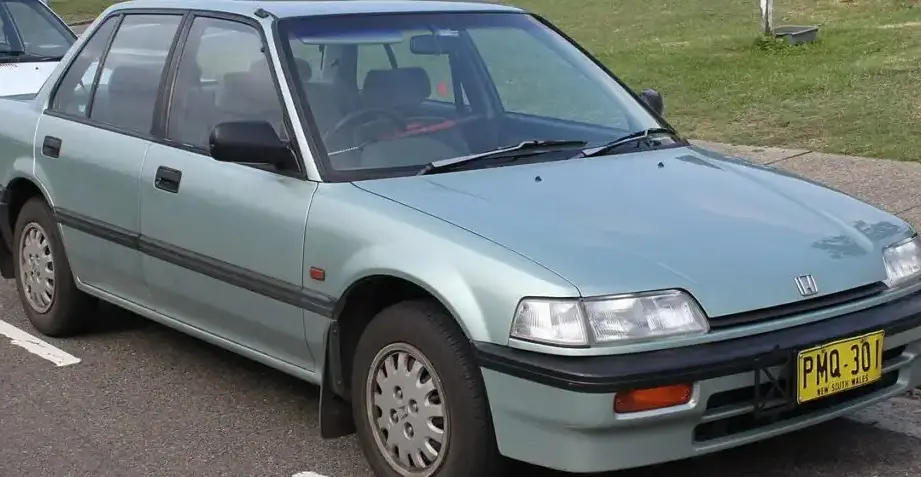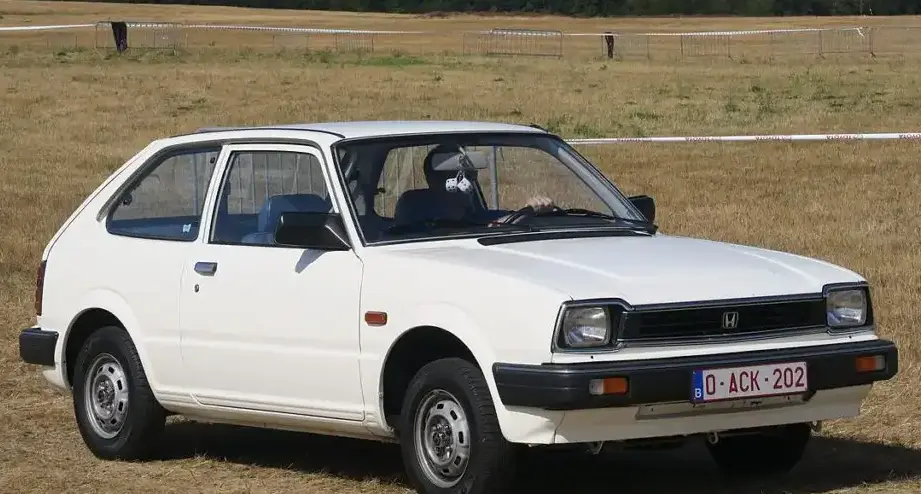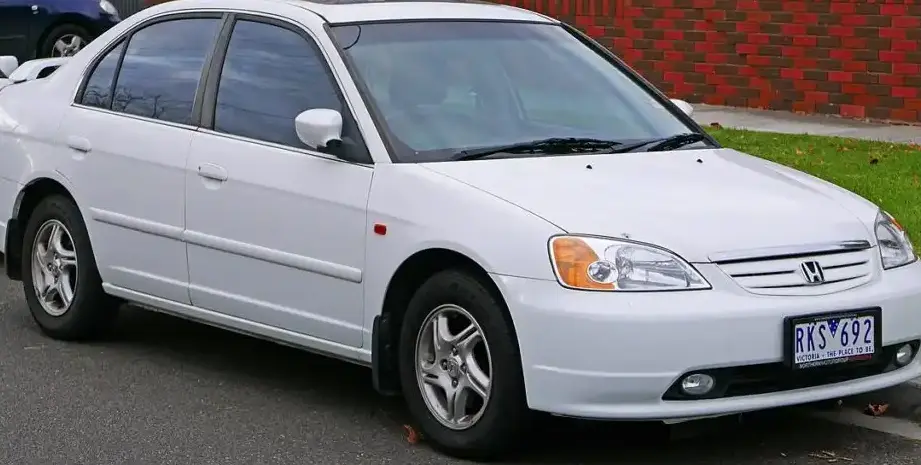
The Honda Civic III 1.5 GTI (90 hp) was a trim level produced between 1986 and 1987, representing a performance-oriented variant within the third generation of the Honda Civic (1984-1987). This generation, known internally as the “EF” chassis, marked a significant step forward in Civic design, offering improved aerodynamics, a more spacious interior, and enhanced mechanical refinement compared to its predecessors. The 1.5 GTI occupied a middle ground in the Civic III lineup, positioned above the base models but below the more powerful Si variants. It aimed to provide a balance of fuel efficiency, everyday usability, and a noticeable increase in driving enjoyment. The Civic III was a crucial model for Honda in the North American market, solidifying its reputation for reliability and value.
Technical Specifications
| Brand | Honda |
| Model | Civic |
| Generation | Civic III |
| Type (Engine) | 1.5 GTI (90 hp) |
| Start of Production | 1986 |
| End of Production | 1987 |
| Powertrain Architecture | Internal Combustion Engine |
| Body Type | Sedan |
| Fuel Type | Petrol (Gasoline) |
| Power | 90 hp |
| Engine Aspiration | Naturally Aspirated |
Powertrain & Engine Architecture
The heart of the Civic III 1.5 GTI was the 1.5-liter, 16-valve inline-four cylinder engine. While sharing the same displacement as the base Civic engines, the GTI benefited from a higher compression ratio and revised camshaft profiles, contributing to its increased power output. The engine code for this variant is often identified as D15A3. It utilized Honda’s Programmed Fuel Injection (PGM-FI) system, a multi-point electronic fuel injection system that optimized fuel delivery for improved performance and efficiency. The 16-valve cylinder head, a key feature of the GTI, allowed for greater airflow and more efficient combustion. The engine featured a single overhead camshaft (SOHC) design, a common configuration for Honda engines of this era.
The 1.5 GTI was typically paired with a 3-speed automatic transmission. This transmission, while providing convenience, was a point of differentiation from the 5-speed manual transmission offered on other GTI and Si models. The automatic transmission featured torque converter lock-up for improved fuel economy at highway speeds. The gear ratios were tuned to provide a balance between acceleration and cruising efficiency, prioritizing smooth operation over outright performance. The automatic transmission was not known for being particularly sporty, but it catered to drivers seeking a more relaxed driving experience.
Driving Characteristics
The Civic III 1.5 GTI with the automatic transmission offered a comfortable and relatively refined driving experience for its time. The 90 horsepower engine provided adequate acceleration for everyday driving, but it wasn’t particularly quick compared to the manual transmission versions or the more powerful Si models. The automatic transmission’s shift points were programmed for fuel economy, resulting in a somewhat leisurely pace. The car felt responsive enough in city driving, but overtaking maneuvers on the highway required careful planning. The automatic transmission did diminish the overall sporty feel of the GTI, as it lacked the driver engagement and control offered by the manual gearbox. The power delivery was linear, with a noticeable increase in torque at higher RPMs. The suspension, while basic, provided a reasonably comfortable ride, absorbing bumps and imperfections in the road surface effectively.
Equipment & Trim Levels
The 1.5 GTI trim level offered a step up in features compared to the base Civic models. Standard equipment typically included upgraded cloth upholstery, a more comprehensive instrument cluster with a tachometer, and a higher-quality audio system. Power steering was often included, enhancing ease of maneuverability. The exterior featured color-keyed bumpers and side moldings, giving it a more refined appearance. Optional extras available for the 1.5 GTI included air conditioning, a sunroof, and upgraded wheels. The interior design was functional and straightforward, with a focus on ergonomics and ease of use. The dashboard layout was clean and uncluttered, with all essential controls within easy reach of the driver.
Chassis & Braking
The Civic III utilized a front-engine, front-wheel-drive layout. The suspension consisted of independent MacPherson struts at the front and a torsion beam rear suspension. This setup provided a good balance between ride comfort and handling. The 1.5 GTI typically featured front disc brakes and rear drum brakes. The braking system was adequate for the car’s weight and performance, but it lacked the stopping power of the larger brakes found on the Si models. Stabilizer bars were included at both the front and rear, helping to reduce body roll during cornering. The chassis was relatively lightweight, contributing to the car’s nimble handling characteristics. The steering was manual rack-and-pinion, providing precise and responsive steering feel.
Market Reception & Comparison
The Civic III 1.5 GTI was generally well-received by automotive critics as a practical and affordable compact car. It was praised for its reliability, fuel efficiency, and comfortable ride. However, the automatic transmission was often criticized for detracting from the car’s sporty potential. Compared to the 5-speed manual GTI and the Si models, the automatic version offered less engaging driving experience. The manual GTI provided quicker acceleration and more driver involvement, while the Si models offered significantly more power and performance. In terms of fuel economy, the automatic GTI was comparable to the base Civic models, achieving around 28-32 mpg in combined driving. The 1.5 GTI represented a good value proposition for buyers seeking a well-rounded and reliable compact car with a touch of sporty flair.
Legacy
The Honda Civic III 1.5 GTI, particularly the automatic transmission variant, has become a popular choice among enthusiasts and collectors seeking a classic Honda. The D15A3 engine is known for its durability and relatively simple maintenance requirements. While not as highly sought after as the manual transmission versions or the Si models, the automatic GTI offers a unique driving experience and a more accessible entry point into the world of classic Hondas. Parts availability remains good, thanks to Honda’s extensive parts network and the large number of Civic IIIs still on the road. The car’s reputation for reliability and fuel efficiency has ensured its continued popularity in the used car market. Today, well-maintained examples of the Civic III 1.5 GTI can command a respectable price, reflecting their growing status as a desirable classic car.