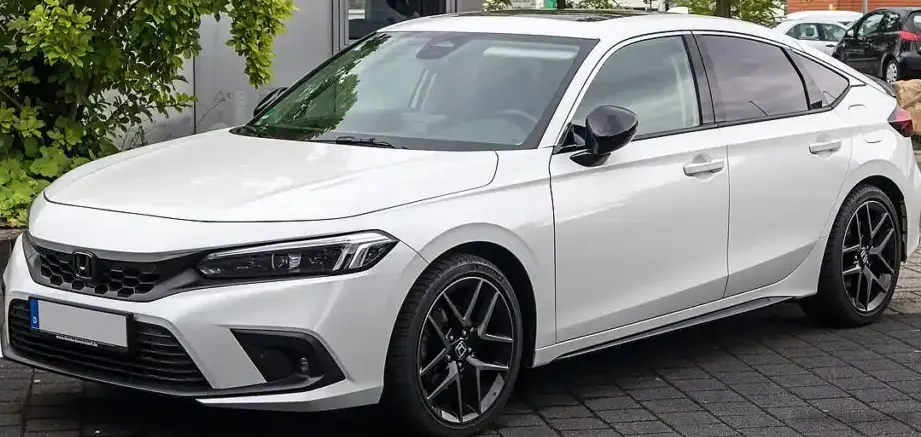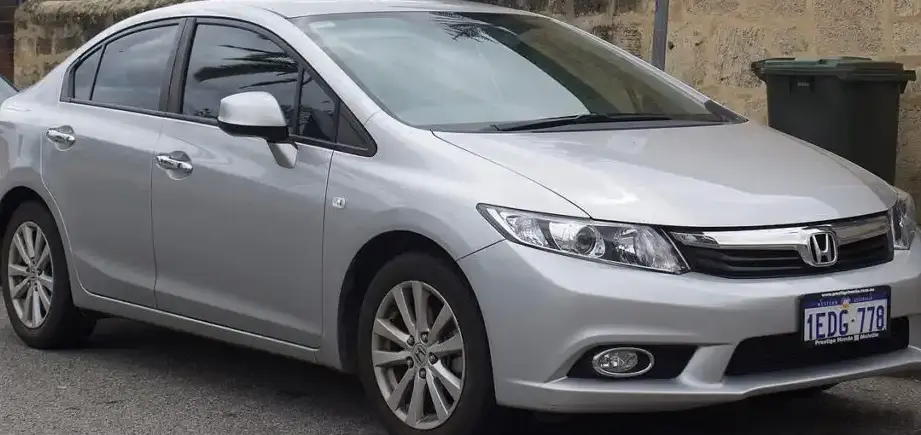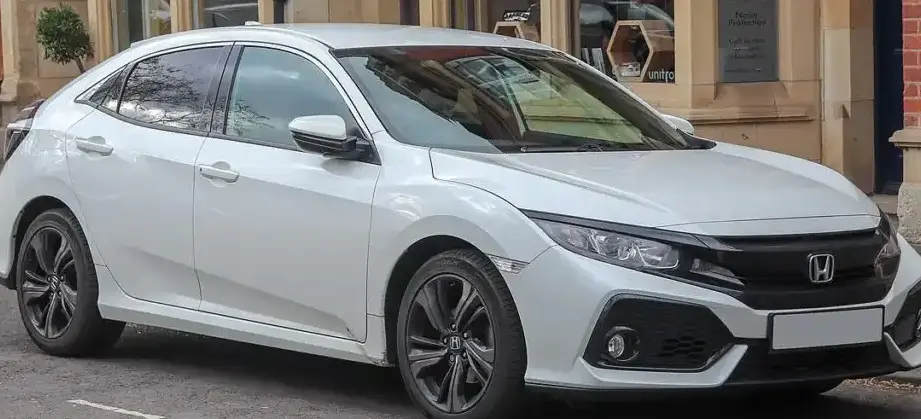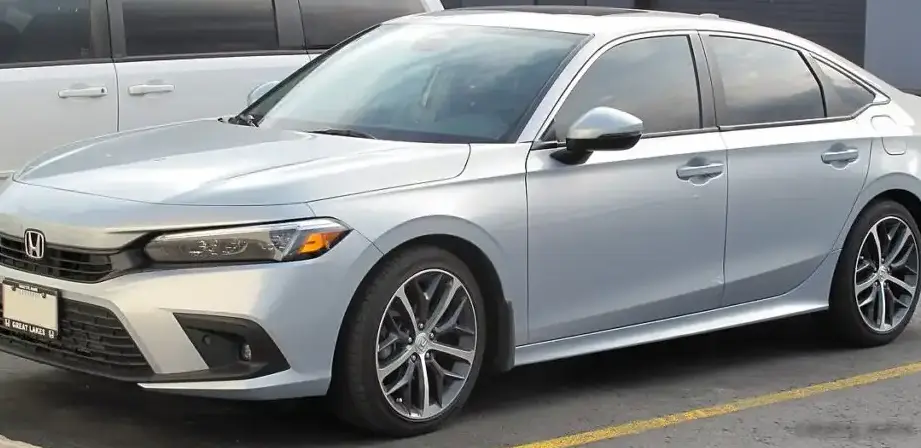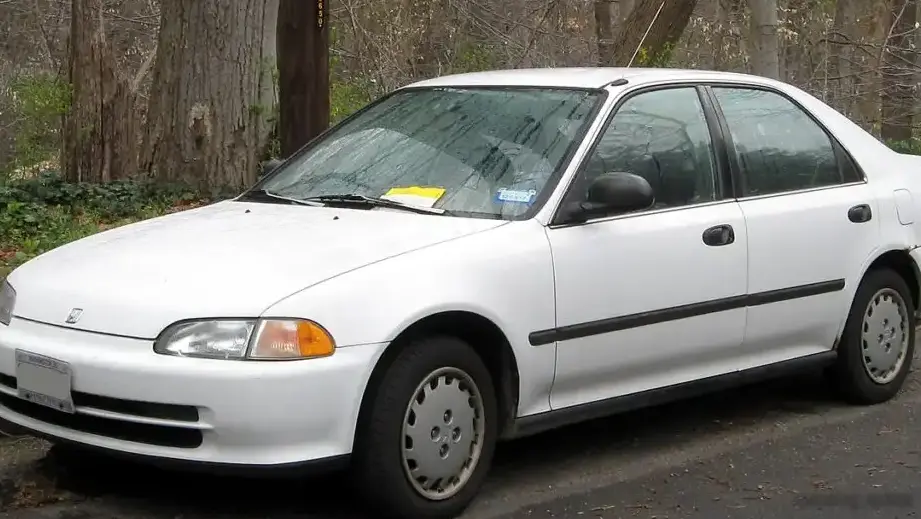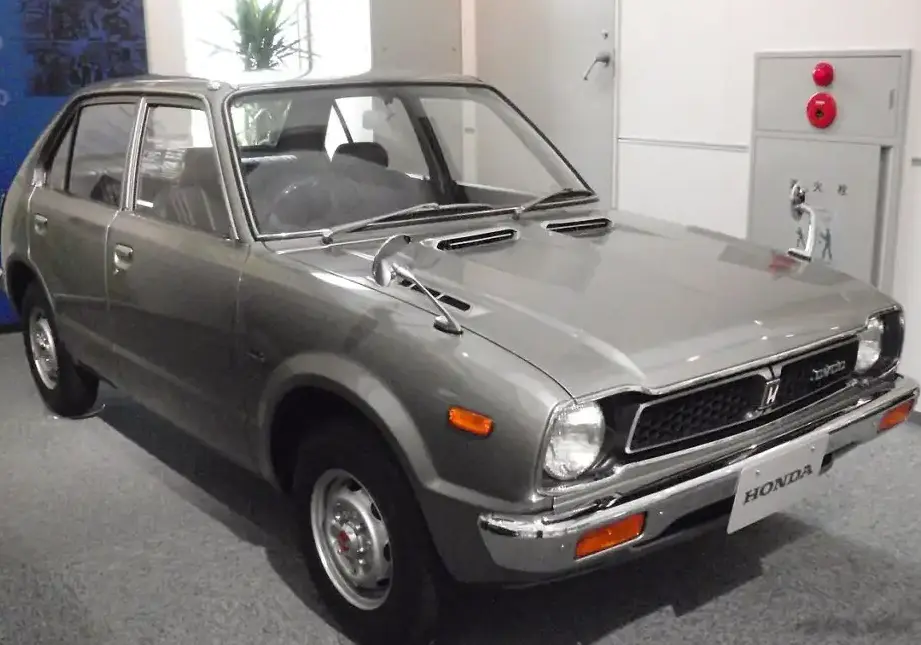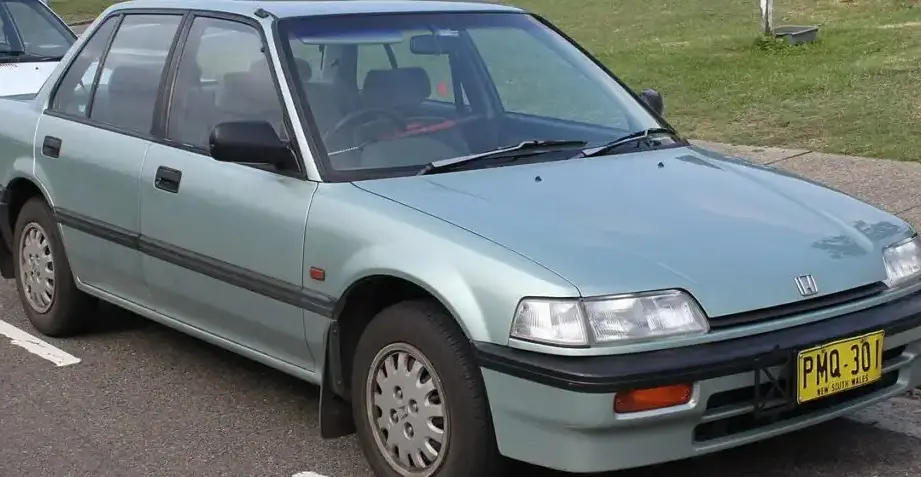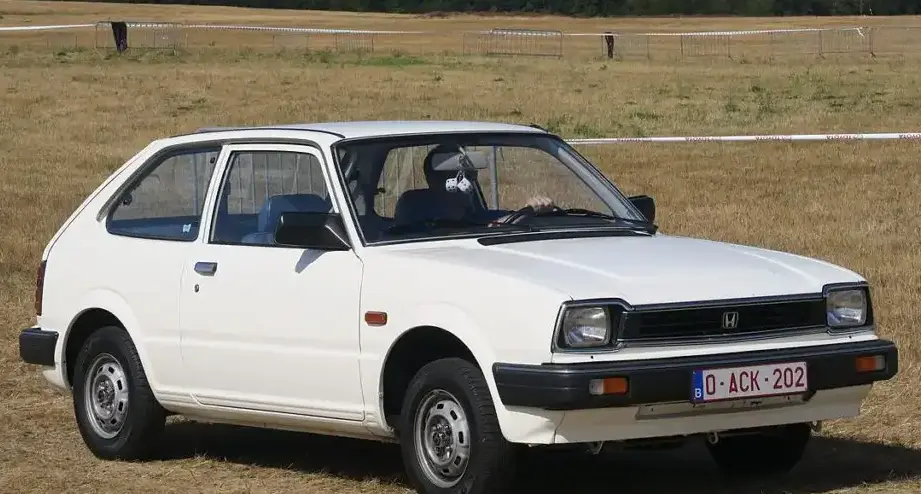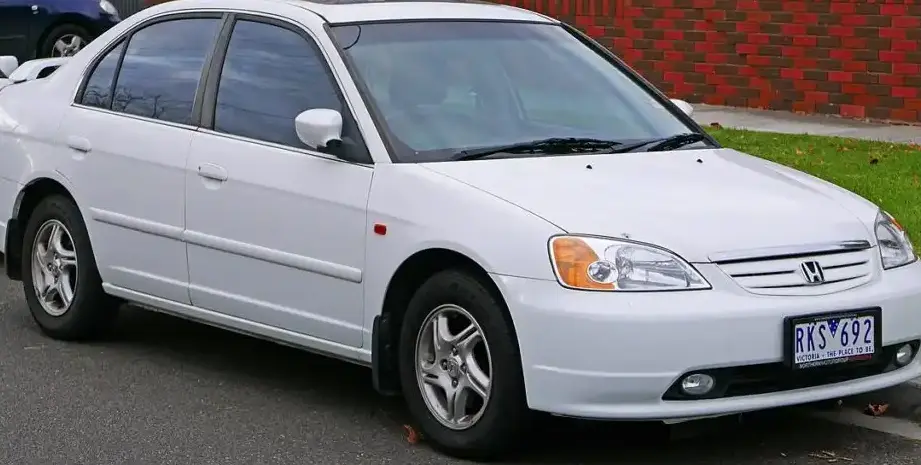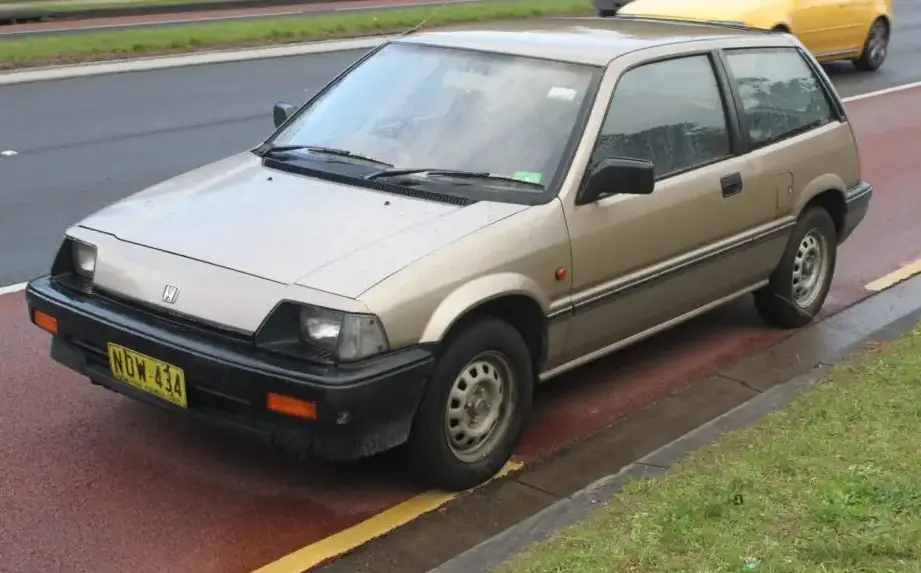
The Honda Civic III Hatchback 1.5 GT, produced from 1985 to 1987, represents a significant evolution in Honda’s popular Civic line. Falling within the third generation (1984-1987) of the Civic, the 1.5 GT was positioned as a sporty, yet practical, offering within the hatchback body style. It aimed to provide a more engaging driving experience than the base models while remaining affordable and fuel-efficient – key tenets of the Civic’s appeal. This generation saw increased refinement and a more modern aesthetic compared to its predecessors, solidifying the Civic’s reputation as a reliable and versatile compact car. The 1.5 GT specifically targeted buyers seeking a blend of performance and economy, offering a step up from the standard 1.5L engine.
Technical Specifications
| Brand | Honda |
| Model | Civic |
| Generation | Civic III Hatchback |
| Type (Engine) | 1.5 GT (101 Hp) |
| Start of production | 1985 |
| End of production | 1987 |
| Powertrain Architecture | Internal Combustion Engine |
| Body type | Hatchback |
| Fuel Type | Petrol (Gasoline) |
| Power | 101 Hp |
| Engine Aspiration | Naturally Aspirated |
Powertrain & Engine Architecture
The heart of the Civic III 1.5 GT is its 1.5-liter, inline-four cylinder engine. Designated as part of the Honda’s “EW” engine family, this powerplant utilized a single overhead camshaft (SOHC) valvetrain, operating with three valves per cylinder – two intake and one exhaust. This three-valve configuration was a notable feature for its time, contributing to improved volumetric efficiency and a broader torque curve. Fuel delivery was managed by a carburetor, a common setup for vehicles of this era, though Honda was beginning to explore fuel injection technologies. The engine produced 101 horsepower at 6000 rpm and approximately 98 lb-ft of torque at 4500 rpm. The 1.5 GT was typically paired with either a 5-speed manual transmission or a 3-speed automatic transmission. The automatic transmission, while offering convenience, was geared more towards fuel economy than outright performance. The engine block itself was constructed from cast iron, providing durability, while the cylinder head was made of aluminum alloy to reduce weight.
Driving Characteristics
The Civic III 1.5 GT, even with the 101 hp engine, wasn’t a performance powerhouse by modern standards. However, it offered a lively and engaging driving experience for its time, particularly when equipped with the 5-speed manual transmission. The automatic transmission, while smooth, noticeably dulled acceleration. The 1.5 GT’s relatively light weight – around 1,800-1,900 lbs depending on equipment – helped to offset the modest horsepower figure. Acceleration from 0 to 60 mph was estimated to be around 9-10 seconds with the manual transmission, and closer to 11-12 seconds with the automatic. The suspension, featuring independent front suspension with MacPherson struts and a rear torsion beam, provided a comfortable ride while maintaining reasonable handling characteristics. The steering was light and responsive, making the Civic easy to maneuver in city traffic. Compared to the base 1.5L Civic, the GT offered a slightly firmer suspension tuning and a more responsive throttle, enhancing the overall driving feel.
Equipment & Trim Levels
The “GT” designation signified a step up in terms of standard equipment compared to the base Civic Hatchback. The 1.5 GT typically included features such as upgraded upholstery (often featuring a sporty cloth pattern), a more comprehensive instrument cluster with a tachometer, and a sport steering wheel. Exterior enhancements included a subtle rear spoiler, body-colored bumpers, and often, alloy wheels. Optional extras included a sunroof, upgraded audio systems, and air conditioning. The interior layout was functional and driver-focused, with clearly labeled controls and a relatively spacious cabin for a compact car. The dashboard design was simple but modern for the mid-1980s, featuring a straightforward arrangement of gauges and switches. The GT trim aimed to appeal to buyers who wanted a more stylish and well-equipped Civic without the higher price tag of a full-fledged sports model.
Chassis & Braking
The Civic III Hatchback utilized a unibody construction, providing a good balance of rigidity and weight savings. The front suspension employed MacPherson struts, coil springs, and an anti-roll bar, contributing to stable handling. The rear suspension featured a torsion beam axle, which was a cost-effective and space-efficient design. Braking systems varied depending on the specific configuration. Base models typically featured drum brakes on all four wheels, while the 1.5 GT often came equipped with front disc brakes and rear drum brakes. This provided improved stopping power compared to the all-drum setup. Power steering was not standard on all models, and many 1.5 GTs were equipped with manual steering, offering a more direct feel. Tire sizes were typically 175/70R13 or 185/60R14, depending on the wheel option.
Market Reception & Comparison
The Civic III 1.5 GT was generally well-received by automotive critics and consumers alike. It was praised for its reliability, fuel efficiency, and surprisingly sporty handling. Compared to other compact cars of the era, such as the Toyota Corolla and Nissan Sentra, the Civic offered a more engaging driving experience and a more modern design. The 1.5 GT’s automatic transmission was often criticized for its lack of responsiveness, with reviewers recommending the 5-speed manual for those seeking a more spirited drive. Fuel economy was a strong point, with the 1.5 GT achieving around 35-40 mpg on the highway. Compared to the base 1.5L Civic, the GT offered a noticeable improvement in performance and a more premium feel. It also positioned itself as a more affordable alternative to the more powerful and expensive Civic Si models.
Legacy
The Honda Civic III 1.5 GT has become a popular choice among classic car enthusiasts and collectors. Its simple mechanical design, combined with Honda’s reputation for reliability, makes it a relatively easy car to maintain and restore. The 1.5 GT’s engine, while not particularly powerful, is known for its durability and longevity. Finding well-maintained examples today can be challenging, as many have been lost to time or modified. However, original and unmolested 1.5 GTs are increasingly sought after by collectors. The Civic III generation, and the 1.5 GT in particular, played a crucial role in establishing Honda as a major player in the American automotive market, demonstrating that a small, fuel-efficient car could also be fun to drive and reliable. The 1.5 GT continues to be remembered as a practical and enjoyable compact car from a golden era of Japanese automotive engineering.