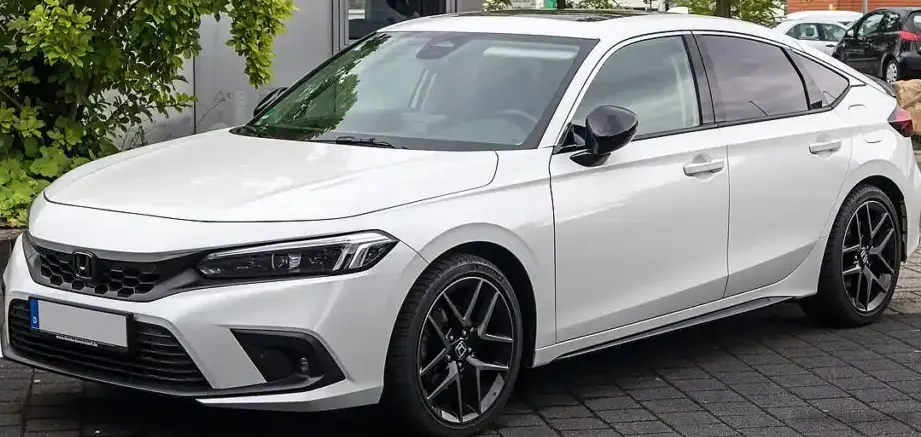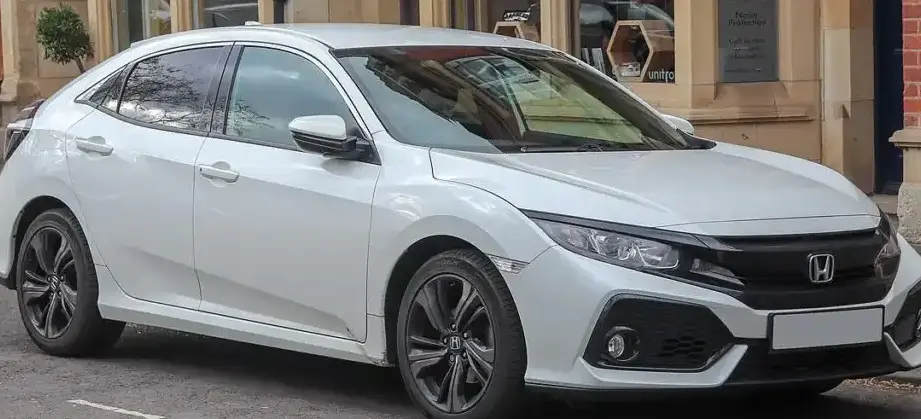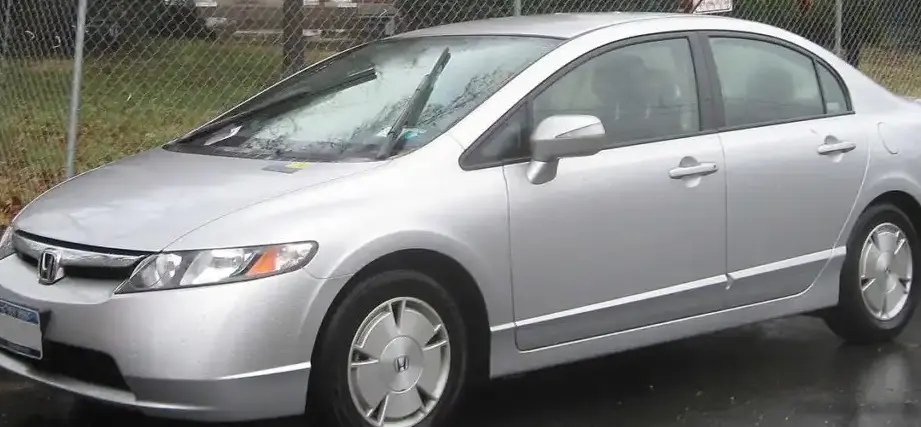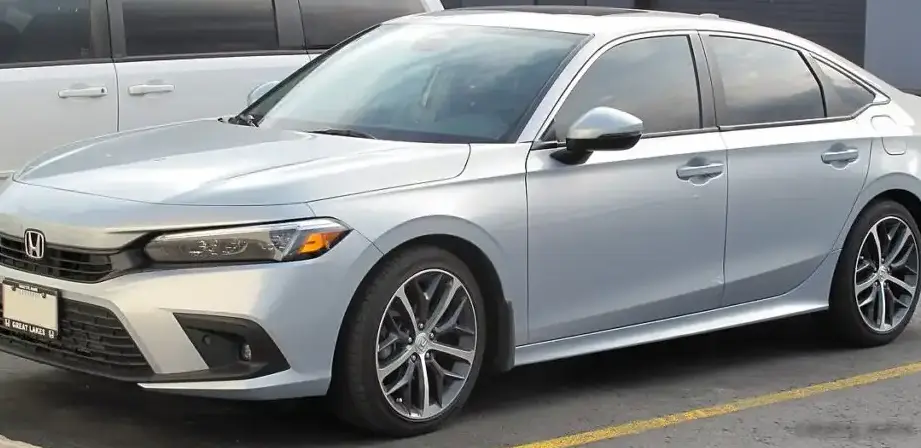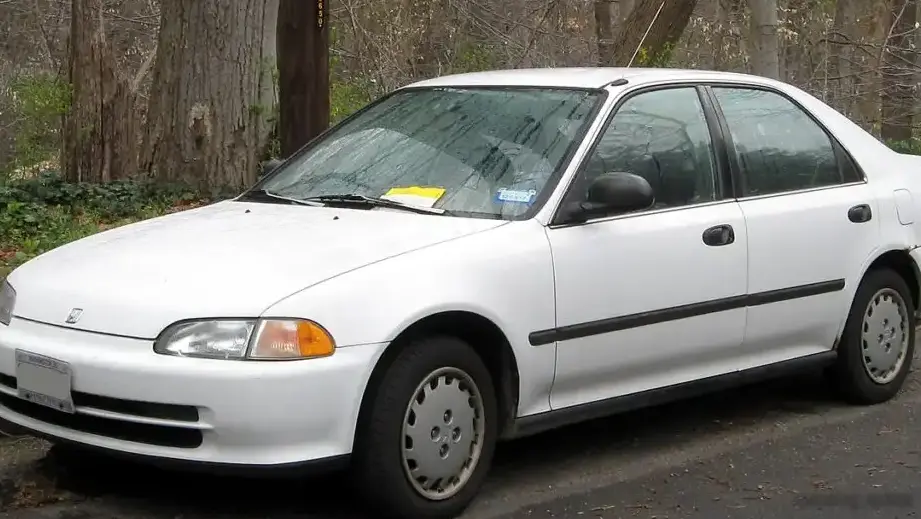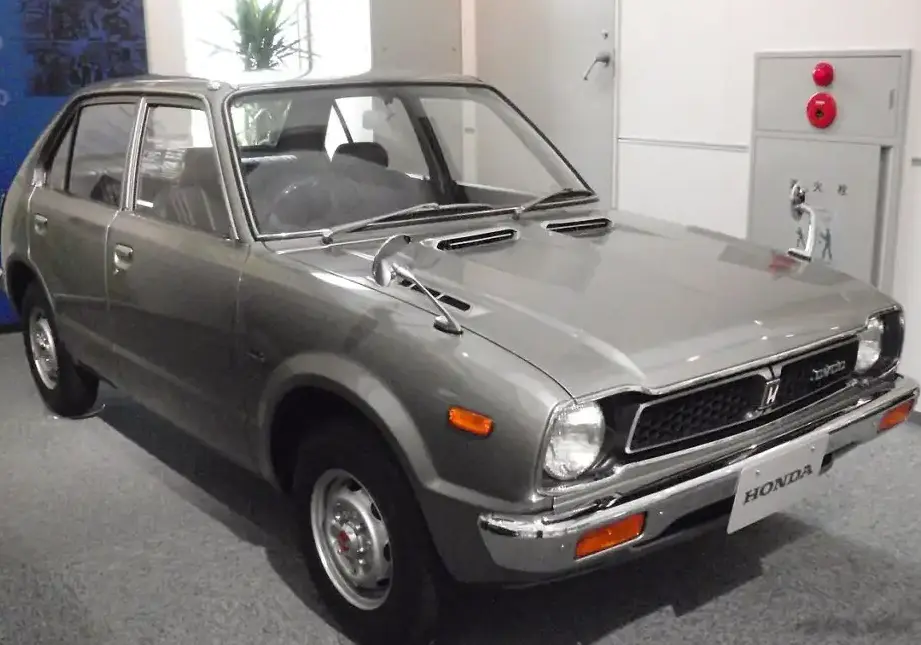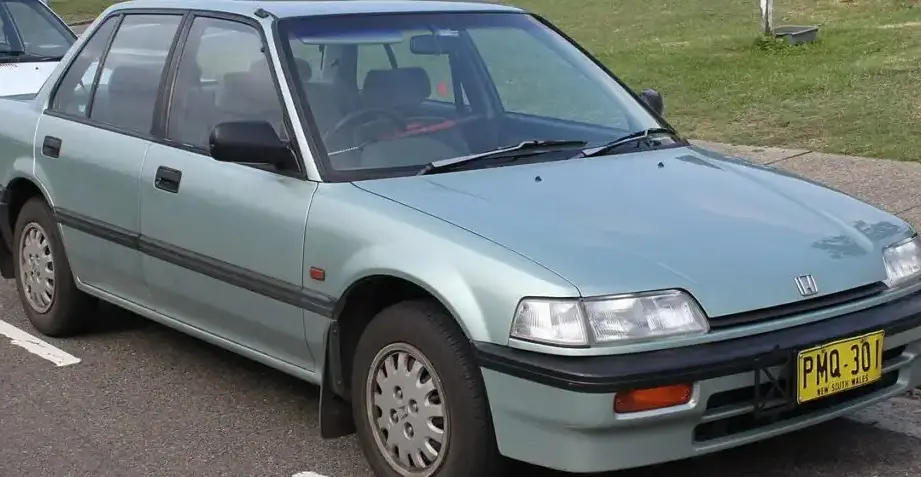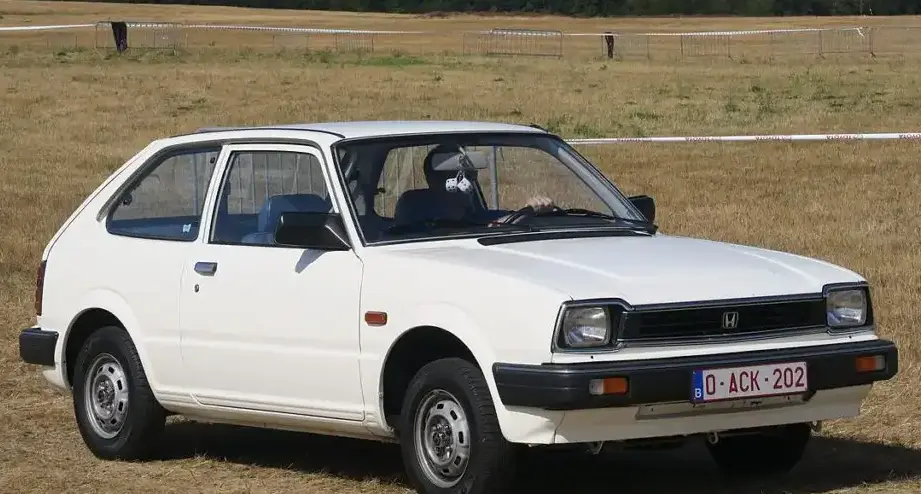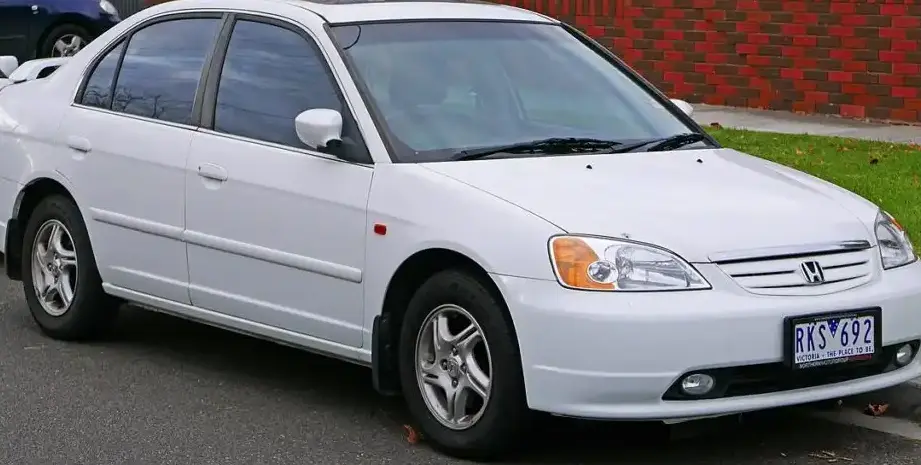
The Honda Civic III Shuttle 1.5 (AN), produced between 1983 and 1987, represents a unique variation within the third-generation Honda Civic lineup. Distinguished by its station wagon body style – marketed as a “Shuttle” – this model aimed to provide practicality and fuel efficiency to a broader range of consumers. The 1.5-liter, 90 horsepower engine paired with an automatic transmission positioned it as a comfortable and accessible option within the Civic range, appealing to families and those prioritizing ease of use over outright performance. It was a key offering in markets where compact wagons were popular, offering a compelling alternative to larger, less economical vehicles.
Technical Specifications
| Brand | Honda |
| Model | Civic |
| Generation | Civic III Shuttle |
| Type (Engine) | 1.5 (AN) (90 Hp) |
| Start of production | 1983 |
| End of production | 1987 |
| Powertrain Architecture | Internal Combustion Engine |
| Body type | Station Wagon (Estate) |
| Fuel Type | Petrol (Gasoline) |
| Power | 90 Hp |
| Engine Aspiration | Naturally Aspirated |
Powertrain & Engine Architecture
The heart of the Civic III Shuttle 1.5 (AN) is the A15A engine, a 1.5-liter inline-four cylinder gasoline engine. This engine, part of Honda’s A-series, is a naturally aspirated unit utilizing a single overhead camshaft (SOHC) design. The engine block is cast iron, while the cylinder head is aluminum, contributing to a reasonable balance of durability and weight. Fuel delivery is managed by a carburetor, a common feature for vehicles of this era, rather than fuel injection. The carburetor provides adequate fuel atomization for the engine’s modest power output. The A15A engine produces 90 horsepower at approximately 5,800 rpm and 88 lb-ft of torque at 3,500 rpm.
The automatic transmission paired with this engine is a three-speed unit. While not offering the responsiveness of a manual transmission, it prioritized smooth shifting and ease of operation. The transmission’s gear ratios were tuned for fuel economy and comfortable cruising, rather than aggressive acceleration. The automatic transmission was a significant selling point for buyers who preferred the convenience of not having to manually shift gears, particularly in urban driving conditions.
Driving Characteristics
The Civic III Shuttle 1.5 (AN) offered a comfortable, if not particularly sporty, driving experience. The 90 horsepower engine, coupled with the three-speed automatic transmission, provided adequate power for everyday driving. Acceleration was modest, with 0-60 mph times estimated around 12-14 seconds. The automatic transmission’s shift points were calibrated to maximize fuel efficiency, resulting in a somewhat leisurely driving feel. Compared to the five-speed manual versions of the Civic, the automatic Shuttle felt noticeably slower, especially during overtaking maneuvers. However, the automatic transmission made the Shuttle significantly easier to drive in stop-and-go traffic.
The Shuttle’s suspension, consisting of independent front suspension with MacPherson struts and a rear torsion beam axle, provided a reasonably comfortable ride. Handling was predictable, but not particularly sharp. The steering was light and easy, making it well-suited for city driving. The overall driving experience was geared towards practicality and comfort, rather than performance.
Equipment & Trim Levels
The Civic III Shuttle 1.5 (AN) typically came with a fairly basic level of equipment, reflecting its position as an affordable and practical vehicle. Standard features generally included cloth upholstery, a basic AM/FM radio, and manual windows and locks. Air conditioning was often an optional extra, as were power steering and upgraded audio systems. The interior design was functional and straightforward, prioritizing durability and ease of use. The dashboard layout was simple, with clearly labeled controls. Trim levels varied slightly depending on the market, but generally, the Shuttle 1.5 (AN) represented the entry-level or mid-range offering within the Shuttle lineup.
Chassis & Braking
The Civic III Shuttle’s chassis was a unibody construction, providing a good balance of strength and weight. The front suspension utilized MacPherson struts, while the rear suspension employed a torsion beam axle. This setup provided a comfortable ride and predictable handling. Braking duties were handled by disc brakes on the front wheels and drum brakes on the rear wheels. This configuration was typical for vehicles in this price range during the 1980s. The braking system provided adequate stopping power for everyday driving, but lacked the performance of more advanced braking systems found on higher-end vehicles. Stabilizer bars were often omitted on the base models to keep costs down.
Market Reception & Comparison
The Civic III Shuttle 1.5 (AN) was generally well-received by critics and consumers alike. It was praised for its fuel efficiency, practicality, and reliability. However, the automatic transmission and 1.5-liter engine were sometimes criticized for their lack of performance. Compared to the more powerful Civic Si models, the Shuttle 1.5 (AN) offered significantly less performance. The 1.6-liter engine options, available in some markets, also provided a noticeable performance boost. However, the Shuttle 1.5 (AN) offered a more affordable price point and better fuel economy than its higher-performance siblings. Fuel economy was a key selling point, with the Shuttle 1.5 (AN) achieving around 30-35 mpg in combined driving conditions.
Legacy
The Honda Civic III Shuttle 1.5 (AN) has proven to be a remarkably durable and reliable vehicle. Many examples are still on the road today, a testament to Honda’s engineering and build quality. The A15A engine is known for its longevity and relatively simple maintenance requirements. The automatic transmission, while not particularly sophisticated, has also proven to be reliable. In the used car market, the Shuttle 1.5 (AN) is often sought after by enthusiasts looking for a classic Honda that is affordable and easy to maintain. Its practicality and fuel efficiency continue to make it a viable option for those seeking a simple and reliable transportation solution. The Shuttle, in general, helped establish Honda’s reputation for building durable and fuel-efficient vehicles, paving the way for the company’s continued success in the compact car market.