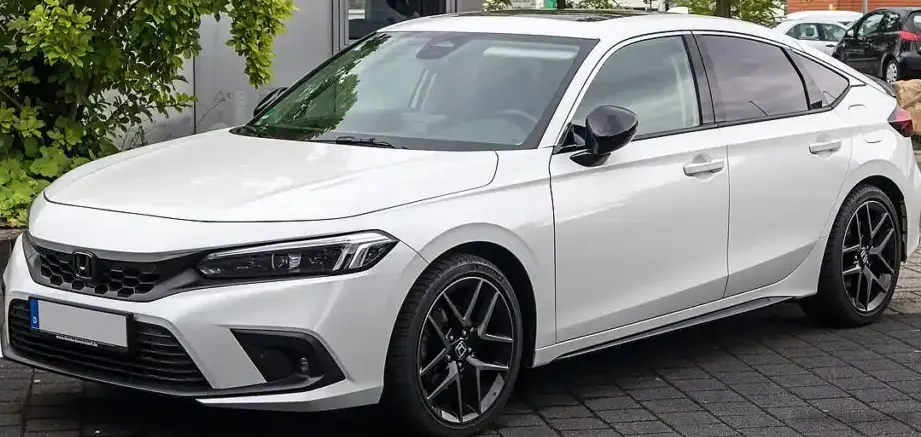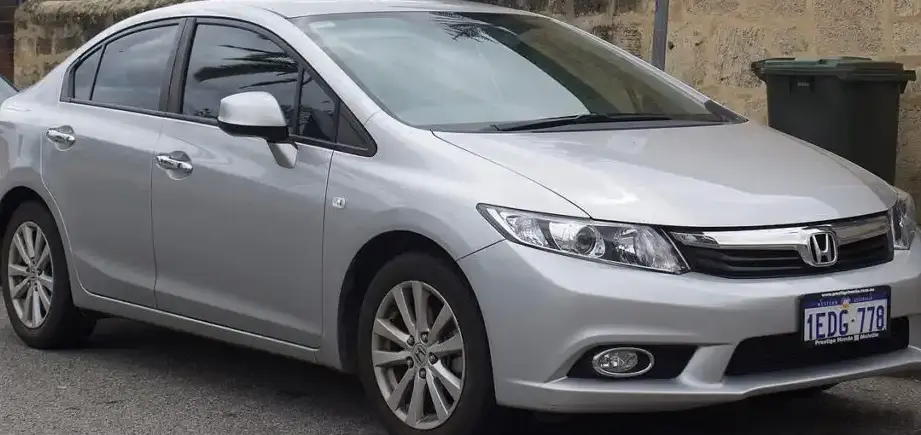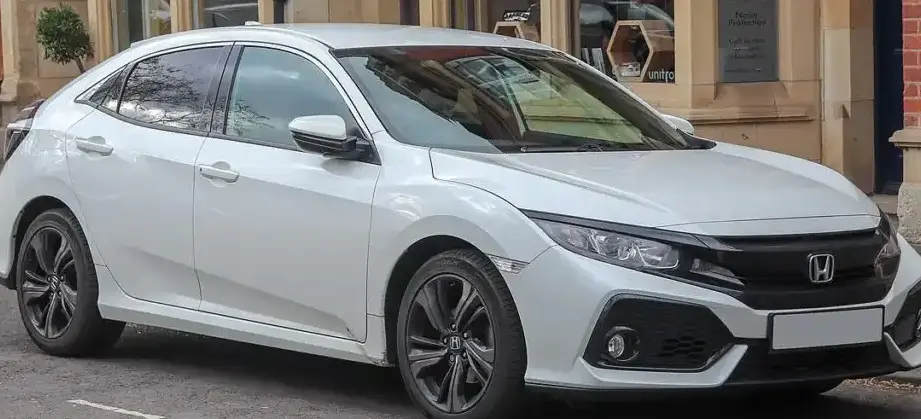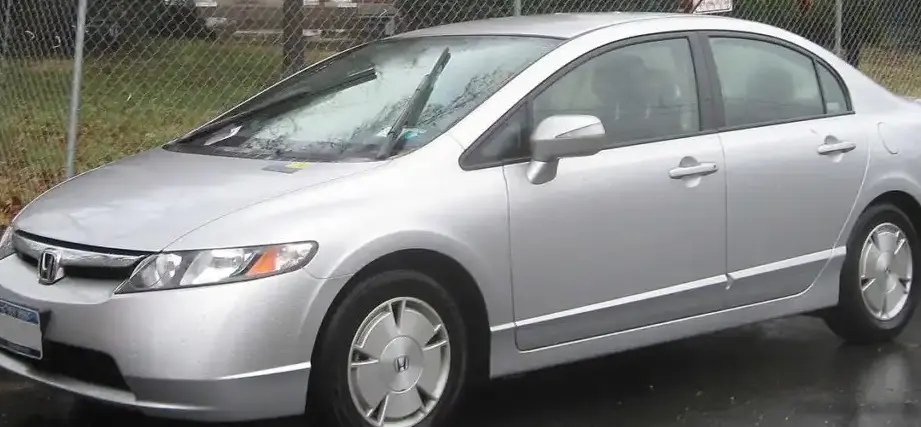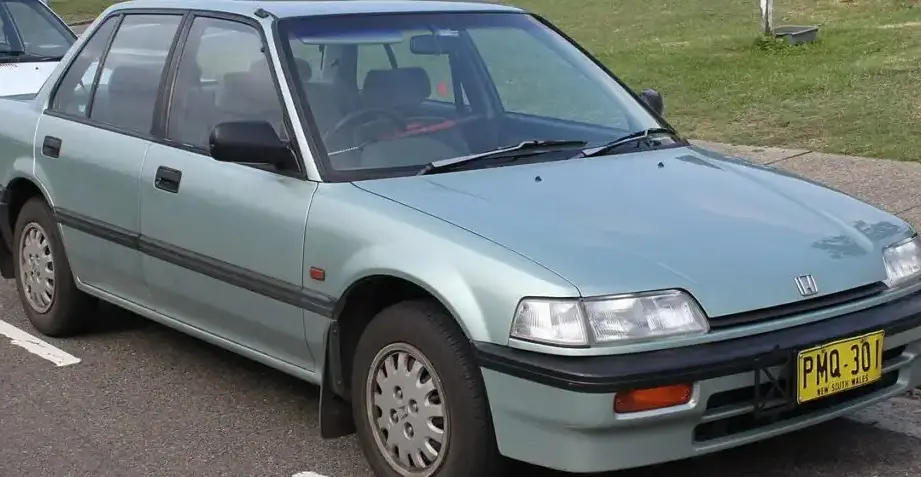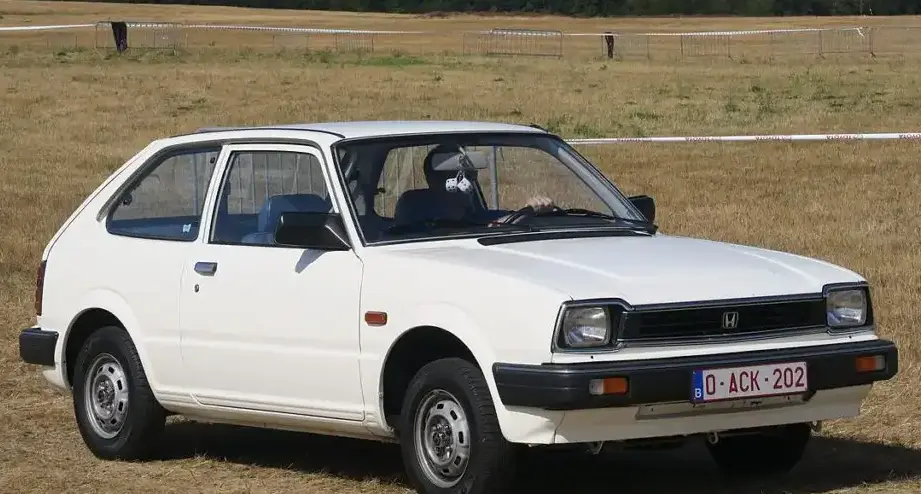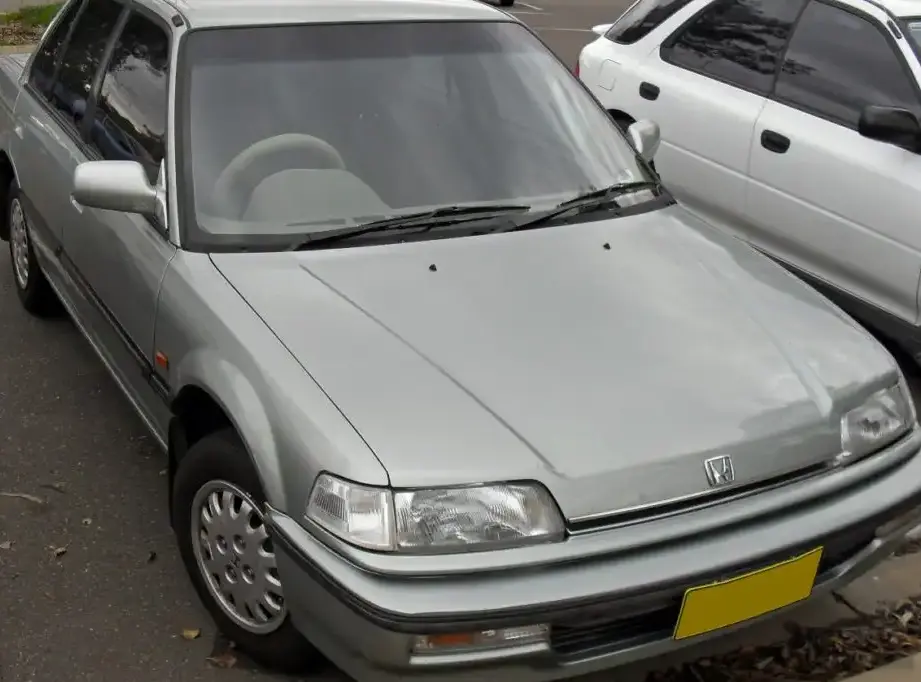
The Honda Civic IV 1.4, produced between 1987 and 1989, represents a significant iteration in the Civic lineage. Falling within the fourth generation (1987-1989) of Honda’s popular compact car, this variant – specifically equipped with the D14A1 engine producing 90 horsepower – served as a core offering in many markets, particularly as an entry-level option. It was a crucial part of Honda’s strategy to offer affordability and fuel efficiency without sacrificing the brand’s reputation for reliability. The Civic IV built upon the success of its predecessors, offering improved styling, a more refined interior, and enhanced mechanical components. This generation saw increased competition in the compact car segment, and the 1.4L model was positioned to appeal to budget-conscious buyers.
Technical Specifications
| Brand | Honda |
| Model | Civic |
| Generation | Civic IV |
| Type (Engine) | 1.4 (90 Hp) |
| Start of production | 1987 |
| End of production | 1989 |
| Powertrain Architecture | Internal Combustion engine |
| Body type | Sedan |
| Fuel Type | Petrol (Gasoline) |
| Power | 90 Hp |
| Power per litre | 64.3 Hp/l |
| Engine Model/Code | D14A1 |
| Engine displacement | 1400 cm3 |
| 85.43 cu. in. | |
| Cylinder Bore | 75 mm |
| 2.95 in. | |
| Number of valves per cylinder | 4 |
| Engine aspiration | Naturally aspirated engine |
| Front brakes | Ventilated discs |
| Rear brakes | Drum |
Powertrain & Engine Architecture
The heart of the Civic IV 1.4 is the D14A1 engine, a 1.4-liter (1395 cc) inline-four cylinder gasoline engine. This engine utilizes a single overhead camshaft (SOHC) valvetrain with four valves per cylinder. The D14A1 is a naturally aspirated engine, meaning it doesn’t employ forced induction like a turbocharger or supercharger. Fuel delivery is managed by a carburetor, a common feature for vehicles of this era, though some later models within the Civic IV range transitioned to fuel injection. The engine’s design prioritized fuel efficiency and reliability over outright performance. The D14A1 produces 90 horsepower at approximately 6,000 rpm and 88 lb-ft of torque at 4,500 rpm. The transmission paired with this engine was typically a four-speed automatic, although a five-speed manual transmission was also available. The automatic transmission was designed for smooth, comfortable operation, prioritizing ease of use over sporty responsiveness.
Driving Characteristics
The 1.4L automatic Civic IV offered a comfortable, if not particularly exhilarating, driving experience. The four-speed automatic transmission, while smooth, resulted in relatively slow acceleration. Zero to sixty mph times were estimated to be around 12-14 seconds, making it slower than the manual transmission versions or those equipped with larger engines. The gear ratios were optimized for fuel economy, meaning the engine often operated at higher rpm during highway cruising. The power delivery was linear, but the engine lacked the low-end torque found in larger displacement engines. Handling was typical for a compact car of the late 1980s – predictable and safe, but not particularly sporty. The suspension was tuned for comfort, absorbing bumps and road imperfections reasonably well. Compared to the 1.5L or 1.6L Civic models, the 1.4L automatic felt noticeably less powerful, especially when fully loaded with passengers or cargo.
Equipment & Trim Levels
The Civic IV 1.4, as an entry-level trim, typically came with a fairly basic set of standard features. Interior upholstery was usually cloth, available in a range of colors. The dashboard featured a simple, functional design with analog gauges for speed, fuel level, and coolant temperature. Power steering was often optional, and air conditioning was frequently an upgrade. Standard equipment generally included a basic AM/FM radio, manual windows and locks, and a rear defroster. Higher trim levels, such as the DX or Si, offered additional features like upgraded upholstery, a more sophisticated sound system, and power windows/locks. The 1.4L model was often seen as a blank canvas for buyers who wanted to add options based on their budget and needs.
Chassis & Braking
The Civic IV utilized a front-wheel-drive layout with an independent MacPherson strut suspension in the front and a semi-independent torsion beam suspension in the rear. The front brakes were ventilated discs, providing adequate stopping power for the vehicle’s weight and performance. However, the rear brakes were drum brakes, which were less effective than disc brakes and could fade under heavy use. The chassis was relatively lightweight, contributing to the car’s fuel efficiency. Stabilizer bars were typically smaller in diameter on the 1.4L models compared to the higher-performance trims. The overall chassis design prioritized affordability and practicality over sporty handling.
Market Reception & Comparison
The Civic IV 1.4 was generally well-received by critics as a practical and reliable economy car. It was praised for its fuel efficiency, comfortable ride, and Honda’s reputation for durability. However, it was often criticized for its lack of power and relatively slow acceleration. Compared to other compact cars of the era, such as the Toyota Corolla or Nissan Sentra, the Civic IV 1.4 offered a similar level of fuel economy and reliability. The 1.5L and 1.6L Civic models offered significantly more performance, but at a higher price point. The 1.4L automatic was particularly popular with buyers who prioritized ease of use and fuel economy over sporty driving dynamics. Fuel economy figures typically ranged from 30-35 mpg city and 35-40 mpg highway.
Legacy
The D14A1 engine and the Civic IV 1.4 have earned a reputation for exceptional reliability and longevity. Many examples are still on the road today, a testament to Honda’s engineering and build quality. The engine is relatively simple to maintain, and parts are still readily available. While not a particularly sought-after model by collectors, the Civic IV 1.4 remains a popular choice for budget-conscious buyers and those seeking a reliable and fuel-efficient commuter car. The automatic transmission, while not known for its performance, has proven to be durable and long-lasting with proper maintenance. The Civic IV 1.4 represents a pivotal moment in Honda’s history, solidifying the Civic’s position as a leader in the compact car segment.