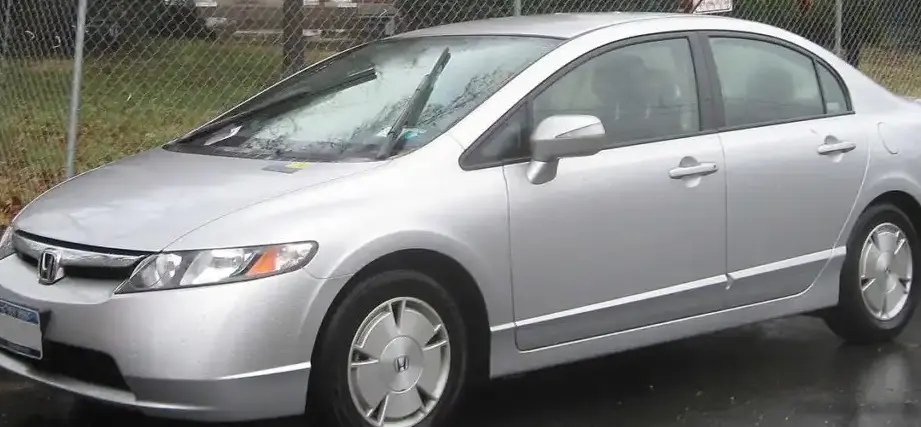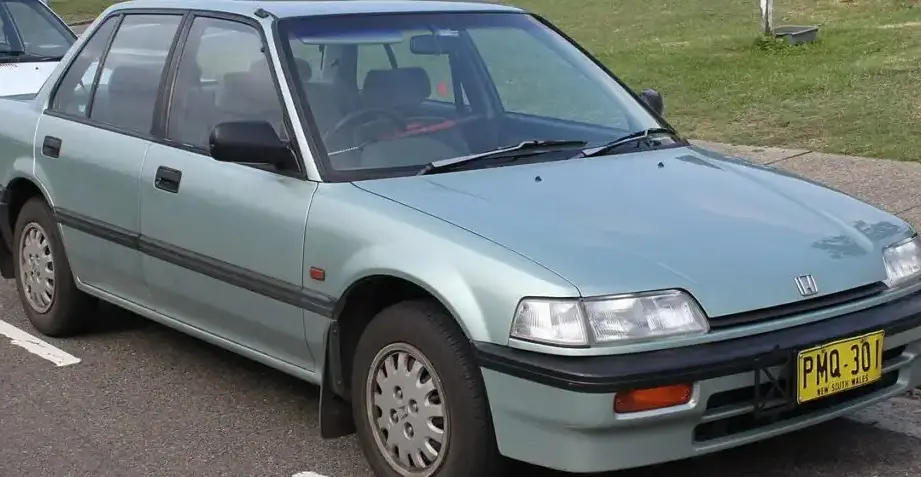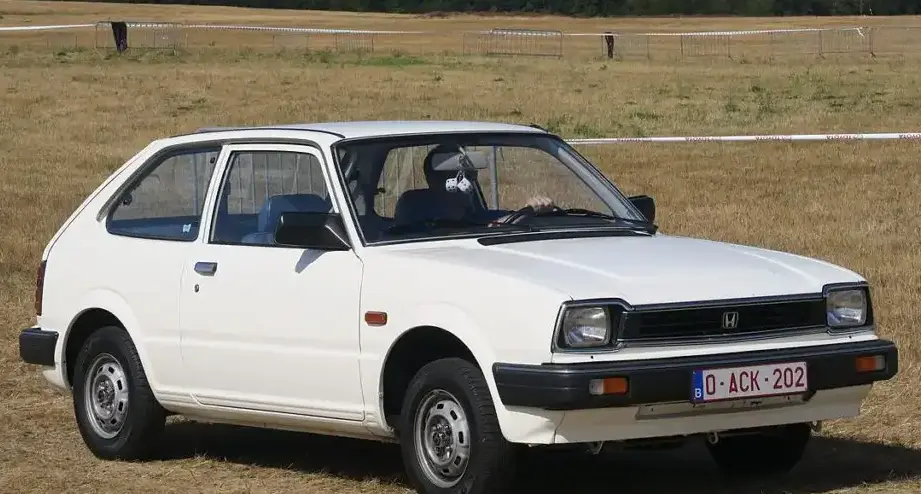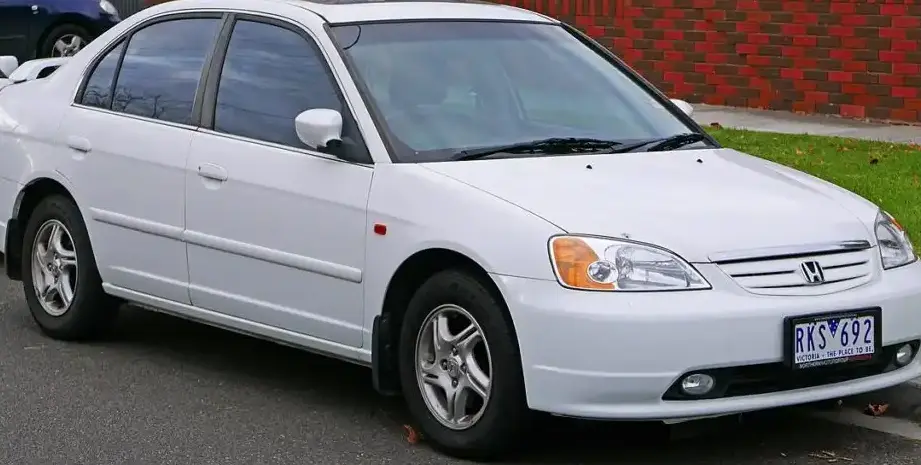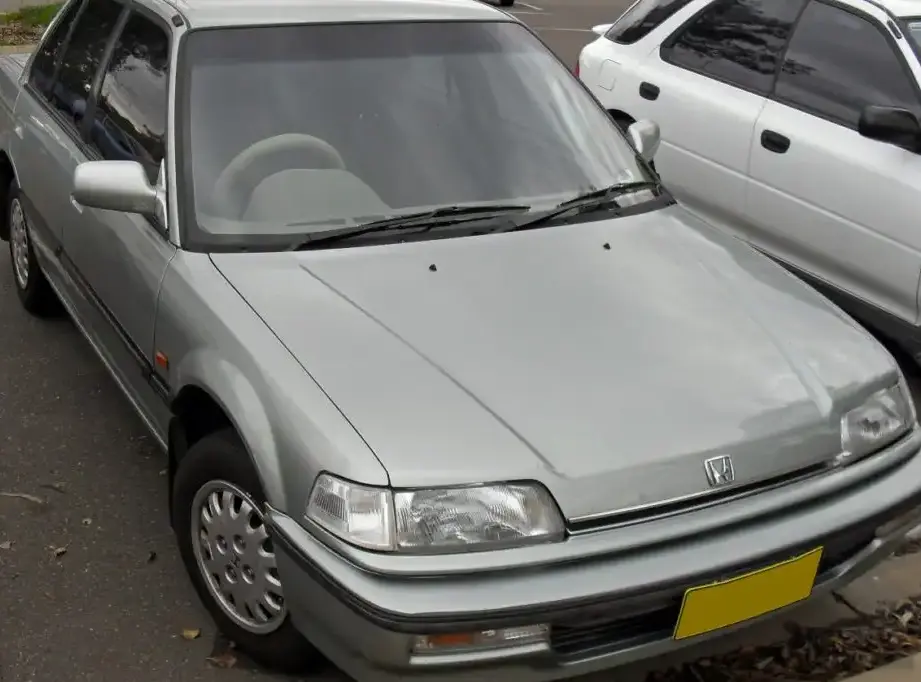
The Honda Civic IV 1.5i 16V (90 hp) represents a significant iteration within the fourth generation of Honda’s immensely popular Civic line, produced between 1987 and 1991. This particular variant, powered by the D15B2 engine and typically paired with a 5-speed manual transmission (though an automatic was available), occupied a middle ground in the Civic IV lineup, offering a balance between affordability, fuel efficiency, and respectable performance. It was primarily marketed towards buyers seeking a practical and reliable compact car with a touch more sporting character than the base models. The Civic IV, known internally as the EF chassis, was a pivotal model for Honda, solidifying its reputation for quality and innovation in the North American market and beyond.
Technical Specifications
| Brand | Honda |
| Model | Civic |
| Generation | Civic IV |
| Type (Engine) | 1.5i 16V (90 Hp) |
| Start of production | 1987 |
| End of production | 1991 |
| Powertrain Architecture | Internal Combustion engine |
| Body type | Sedan |
| Seats | 5 |
| Doors | 4 |
| Fuel consumption (urban) | 8.3 l/100 km (28.3 US mpg) |
| Fuel consumption (extra urban) | 5.4 l/100 km (43.6 US mpg) |
| Fuel Type | Petrol (Gasoline) |
| Maximum speed | 172 km/h (106.88 mph) |
| Weight-to-power ratio | 10.4 kg/Hp |
| Weight-to-torque ratio | 7.8 kg/Nm |
| Power | 90 Hp @ 6000 rpm |
| Power per litre | 60.3 Hp/l |
| Torque | 120 Nm @ 4500 rpm (88.51 lb.-ft. @ 4500 rpm) |
| Engine layout | Front, Transverse |
| Engine Model/Code | D15B2 |
| Engine displacement | 1493 cm3 (91.11 cu. in.) |
| Number of cylinders | 4 |
| Engine configuration | Inline |
| Cylinder Bore | 75 mm (2.95 in.) |
| Piston Stroke | 84.5 mm (3.33 in.) |
| Compression ratio | 9.2:1 |
| Number of valves per cylinder | 4 |
| Fuel injection system | Dual-point throttle body fuel injection |
| Engine aspiration | Naturally aspirated |
| Engine oil capacity | 3.3 l (3.49 US qt | 2.9 UK qt) |
| Coolant capacity | 5.7 l (6.02 US qt | 5.02 UK qt) |
| Kerb Weight | 932 kg (2054.71 lbs.) |
| Max. weight | 1370 kg (3020.33 lbs.) |
| Max load | 438 kg (965.62 lbs.) |
| Fuel tank capacity | 45 l (11.89 US gal | 9.9 UK gal) |
| Length | 4230 mm (166.54 in.) |
| Width | 1690 mm (66.54 in.) |
| Height | 1390 mm (54.72 in.) |
| Wheelbase | 2500 mm (98.43 in.) |
| Front track | 1450 mm (57.09 in.) |
| Rear track | 1455 mm (57.28 in.) |
| Ride height (ground clearance) | 160 mm (6.3 in.) |
| Minimum turning circle | 10.4 m (34.12 ft.) |
| Drivetrain | Front wheel drive |
| Number of gears | 5 |
| Gearbox type | Manual transmission |
| Front suspension | Double wishbone |
| Rear suspension | Trailing arm |
| Front brakes | Ventilated discs |
| Rear brakes | Drum |
| Steering type | Cone worm with recirculation balls |
| Tires size | 175/70 R13 |
| Wheel rims size | 5J x 13 |
Powertrain & Engine Architecture
The heart of the Civic 1.5i 16V is the D15B2 engine, a 1.5-liter inline-four cylinder powerplant. This engine is notable for its 16-valve cylinder head, a feature that contributed to its improved breathing and higher output compared to earlier 8-valve Civic engines. The D15B2 utilizes a dual-point throttle body fuel injection system, a relatively simple system for the time, but effective in delivering consistent fuel delivery. The engine’s valvetrain employs a double overhead camshaft (DOHC) design, further enhancing its volumetric efficiency. The 5-speed manual transmission, standard on most models, featured typical gear ratios for a front-wheel-drive compact car, prioritizing acceleration and fuel economy. An optional 3-speed automatic transmission was also available, though it generally resulted in slightly reduced performance and fuel efficiency.
Driving Characteristics
The 90 horsepower and 120 Nm (88.51 lb-ft) of torque produced by the D15B2 engine provided adequate, though not exhilarating, performance. The Civic 1.5i 16V felt lively around town, with sufficient power for everyday driving situations. However, when fully loaded or tackling steep inclines, the engine could feel strained. Compared to the more powerful Civic Si models (often equipped with the B16A engine), the 1.5i 16V offered a more relaxed driving experience. The manual transmission allowed for precise gear selection and maximized engine responsiveness, while the automatic, while convenient, resulted in noticeable power loss during acceleration. The Civic’s light weight contributed to its nimble handling, making it enjoyable to drive on winding roads.
Equipment & Trim Levels
The Civic 1.5i 16V typically came equipped with basic amenities such as cloth upholstery, a simple dashboard layout, and manual windows and locks. Air conditioning was often an optional extra. Higher trim levels might include features like a more sophisticated stereo system, upgraded interior trim, and power windows. The overall interior design was functional and durable, reflecting Honda’s focus on practicality. The exterior styling was characterized by clean lines and a relatively understated appearance, typical of Japanese automotive design of the era.
Chassis & Braking
The Civic IV utilized a front-wheel-drive chassis with independent double wishbone suspension in the front and a trailing arm suspension in the rear. This suspension setup provided a comfortable ride and decent handling characteristics. The front brakes were ventilated discs, offering good stopping power, while the rear brakes were drums, a cost-saving measure common in this class of vehicle. The steering system employed a cone worm and recirculation ball mechanism, providing a reasonably direct steering feel.
Market Reception & Comparison
The Civic 1.5i 16V was generally well-received by automotive critics for its reliability, fuel efficiency, and overall value. It was often praised as a sensible and practical choice for buyers seeking a dependable compact car. Compared to other trims in the Civic IV lineup, the 1.5i 16V offered a good balance between performance and economy. The more powerful Si models were favored by enthusiasts, while the base models appealed to budget-conscious buyers. Against competitors like the Toyota Corolla and Nissan Sentra, the Civic 1.5i 16V held its own, often being regarded as the more refined and reliable option.
Legacy
The D15B2 engine, while not known for its high performance, proved to be remarkably durable and reliable. Many examples of the Civic 1.5i 16V continue to operate today, a testament to Honda’s engineering prowess. In the used car market, these Civics are often sought after by enthusiasts and collectors for their simplicity, affordability, and potential for restoration. The Civic IV, and the 1.5i 16V variant in particular, remains a fondly remembered and respected vehicle in automotive history, representing a high point in Honda’s early success in the North American market.