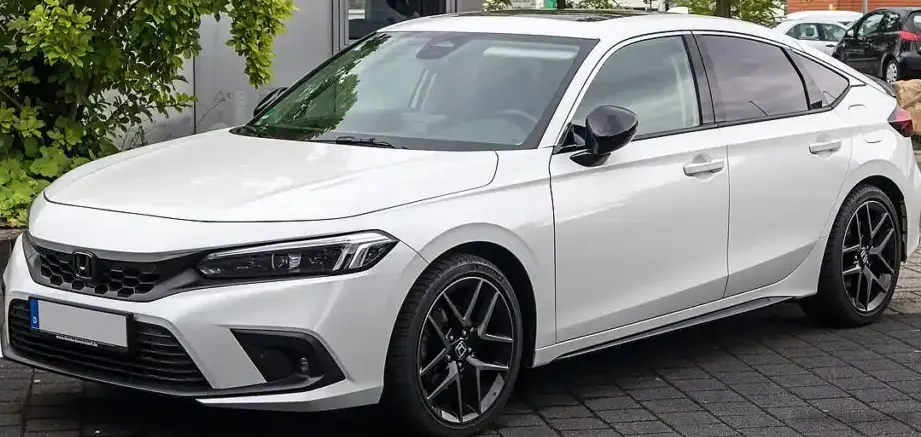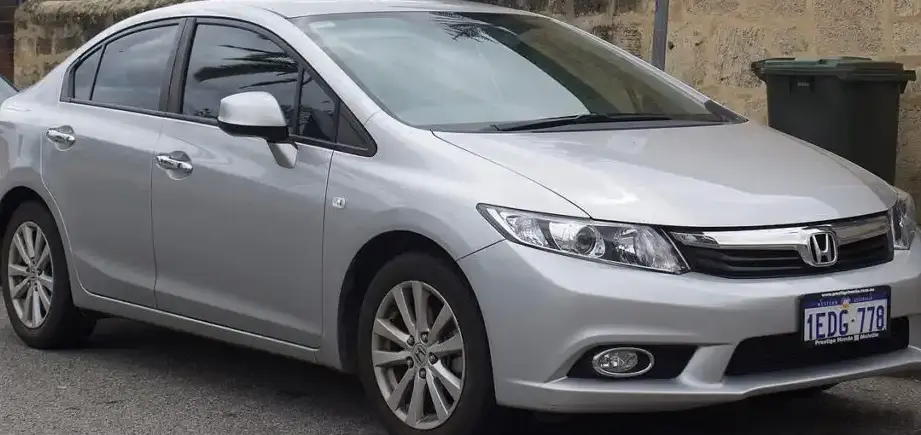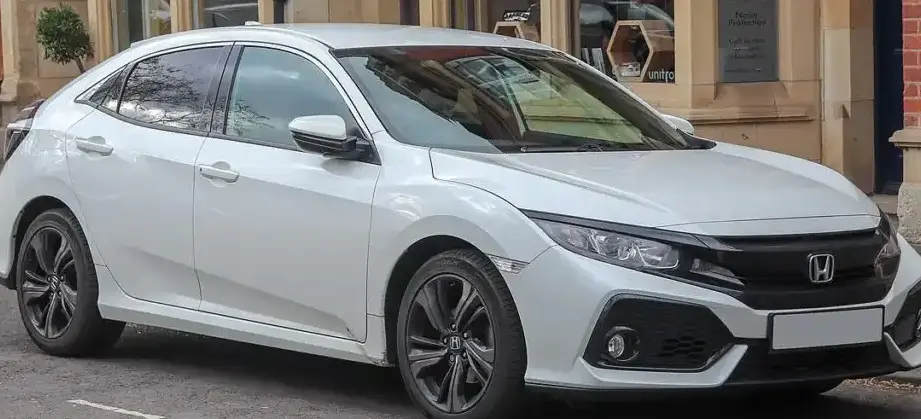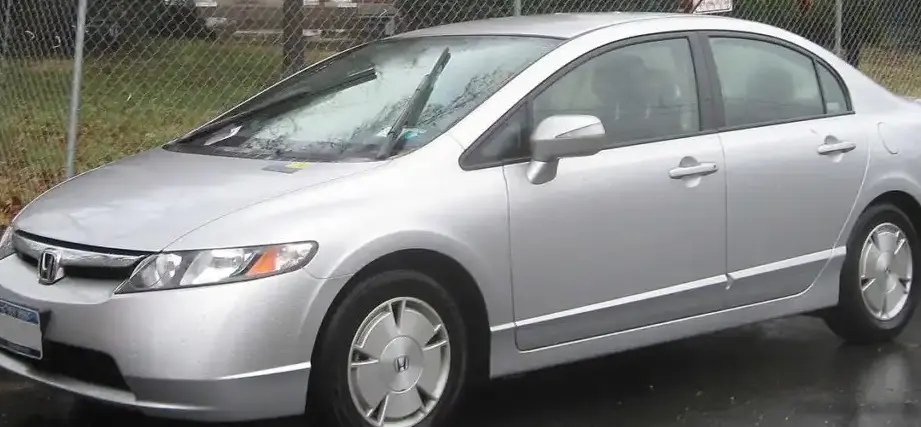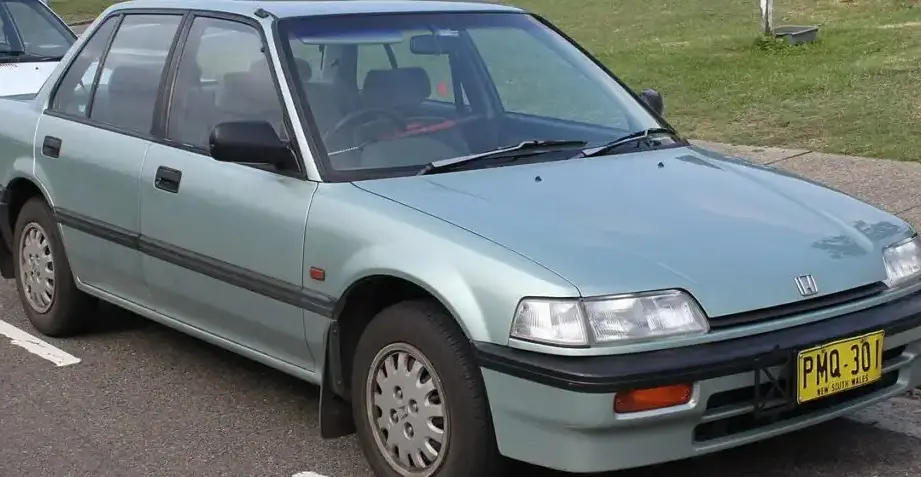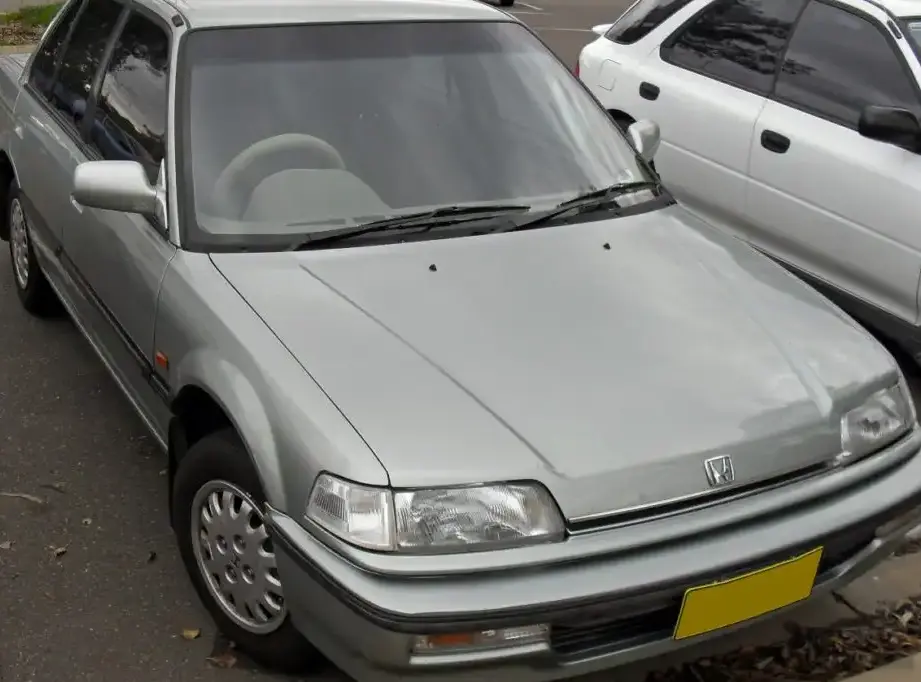
The Honda Civic IV 1.6i 16V, produced between 1987 and 1991, represented a significant step forward for Honda’s popular compact car. Part of the fourth generation Civic (internally designated as the EF chassis), this variant offered a compelling blend of performance and economy, appealing to buyers seeking a more engaging driving experience than the base models. Positioned as a mid-range offering within the fourth-generation Civic lineup, the 1.6i 16V slotted above the standard 1.5-liter models and below the more performance-focused Si variants. It was primarily sold in North America, Europe, and Japan, contributing to the Civic’s growing global reputation for reliability and value.
Technical Specifications
| Brand | Honda |
| Model | Civic |
| Generation | Civic IV |
| Type (Engine) | 1.6i 16V (107 Hp) |
| Start of production | 1987 |
| End of production | 1991 |
| Powertrain Architecture | Internal Combustion engine |
| Body type | Sedan |
| Seats | 5 |
| Doors | 4 |
| Fuel consumption (urban) | 8.7 l/100 km (27 US mpg) |
| Fuel consumption (extra urban) | 5.7 l/100 km (41.3 US mpg) |
| Fuel Type | Petrol (Gasoline) |
| Maximum speed | 182 km/h (113.09 mph) |
| Weight-to-power ratio | 8.8 kg/Hp |
| Weight-to-torque ratio | 7.1 kg/Nm |
| Power | 107 Hp @ 6300 rpm |
| Power per litre | 67.3 Hp/l |
| Torque | 133 Nm @ 5200 rpm (98.1 lb.-ft. @ 5200 rpm) |
| Engine layout | Front, Transverse |
| Engine displacement | 1590 cm3 (97.03 cu. in.) |
| Number of cylinders | 4 |
| Engine configuration | Inline |
| Cylinder Bore | 75 mm (2.95 in.) |
| Piston Stroke | 90 mm (3.54 in.) |
| Compression ratio | 9.1:1 |
| Number of valves per cylinder | 4 |
| Fuel injection system | Multi-port manifold injection |
| Engine aspiration | Naturally aspirated engine |
| Valvetrain | DOHC |
| Kerb Weight | 942 kg (2076.75 lbs.) |
| Max. weight | 1400 kg (3086.47 lbs.) |
| Max load | 458 kg (1009.72 lbs.) |
| Fuel tank capacity | 45 l (11.89 US gal) |
| Max. roof load | 75 kg (165.35 lbs.) |
| Permitted trailer load with brakes (12%) | 720 kg (1587.33 lbs.) |
| Permitted trailer load without brakes | 420 kg (925.94 lbs.) |
| Permitted towbar download | 50 kg (110.23 lbs.) |
| Length | 4230 mm (166.54 in.) |
| Width | 1690 mm (66.54 in.) |
| Height | 1360 mm (53.54 in.) |
| Wheelbase | 2500 mm (98.43 in.) |
| Front track | 1450 mm (57.09 in.) |
| Rear track | 1455 mm (57.28 in.) |
| Ride height (ground clearance) | 150 mm (5.91 in.) |
| Minimum turning circle | 10.4 m (34.12 ft.) |
| Drivetrain Architecture | Front wheel drive |
| Number of gears and type of gearbox | 5 gears, manual transmission |
| Front suspension | Double wishbone |
| Rear suspension | Trailing arm |
| Front brakes | Ventilated discs |
| Rear brakes | Disc |
| Steering type | Steering rack and pinion |
| Power steering | Hydraulic Steering |
| Tires size | 175/70 R13 |
| Wheel rims size | 5J x 13 |
Powertrain & Engine Architecture
The heart of the Civic 1.6i 16V was the SOHC 1.6-liter (1590cc) inline-four cylinder engine. This engine, often identified by its engine code (various codes existed depending on the market, but common ones include D16A9), featured multi-port fuel injection and a 16-valve cylinder head (hence the “16V” designation). The 16-valve design, compared to the 8-valve engines found in lower trims, allowed for improved breathing and higher engine speeds, contributing to the increased horsepower output. The engine produced 107 horsepower at 6300 rpm and 98.1 lb-ft of torque at 5200 rpm. The engine’s relatively high compression ratio of 9.1:1 further enhanced its performance. The engine was transversely mounted, driving the front wheels through a standard five-speed manual transmission. An optional three-speed automatic transmission was also available, though it came at the expense of some performance.
Driving Characteristics
The 1.6i 16V offered a noticeably more spirited driving experience than the base-model Civics. The 107 hp engine provided adequate acceleration for everyday driving, and the five-speed manual transmission allowed drivers to keep the engine in its optimal power band. The automatic transmission, while offering convenience, resulted in slower acceleration and a less engaging driving experience. Gear ratios were tuned for a balance of fuel economy and performance. The Civic’s light weight (around 2077 lbs) contributed to its nimble handling. Compared to the later Si models, the 1.6i 16V lacked the Si’s more aggressive camshaft profiles and higher compression ratio, resulting in a less peaky power delivery and a broader, more usable powerband.
Equipment & Trim Levels
The 1.6i 16V typically came equipped with features such as power steering, a basic audio system, and cloth upholstery. Higher trim levels offered options like air conditioning, power windows, and upgraded sound systems. Interior appointments were functional and durable, reflecting Honda’s focus on practicality. The dashboard layout was straightforward and easy to use. Exterior features included body-colored bumpers and side moldings. The 1.6i 16V was often positioned as a step up from the base models, offering a more comfortable and well-equipped interior without the higher price tag of the Si variants.
Chassis & Braking
The Civic IV utilized a front independent suspension with double wishbones and a rear trailing arm suspension. This setup provided a comfortable ride and predictable handling. The 1.6i 16V featured ventilated disc brakes on the front wheels and disc brakes on the rear, providing adequate stopping power for its weight and performance. The steering system was a rack-and-pinion setup with hydraulic power assistance, offering precise steering feel. The relatively lightweight chassis contributed to the Civic’s agility.
Market Reception & Comparison
The Civic 1.6i 16V was generally well-received by automotive critics. It was praised for its blend of performance, fuel economy, and reliability. Compared to other compact cars of the era, the Civic offered a more refined driving experience and a reputation for long-term durability. The 1.6i 16V offered a compelling alternative to the base-model Civics, providing a noticeable performance upgrade without the significant price increase of the Si models. Fuel economy was a strong point, with the 1.6i 16V achieving around 27 mpg in city driving and 41 mpg on the highway.
Legacy
The Civic IV 1.6i 16V remains a popular choice among enthusiasts and collectors today. The D16A9 engine is known for its reliability and relatively simple maintenance requirements. While finding a pristine example can be challenging, well-maintained 1.6i 16Vs continue to provide reliable and enjoyable transportation. The fourth-generation Civic, as a whole, cemented Honda’s reputation for building high-quality, durable, and fuel-efficient vehicles. The 1.6i 16V variant, in particular, represents a sweet spot in the lineup, offering a balance of performance, economy, and affordability that continues to appeal to drivers today. Parts availability is generally good, making it a relatively easy car to maintain and repair.