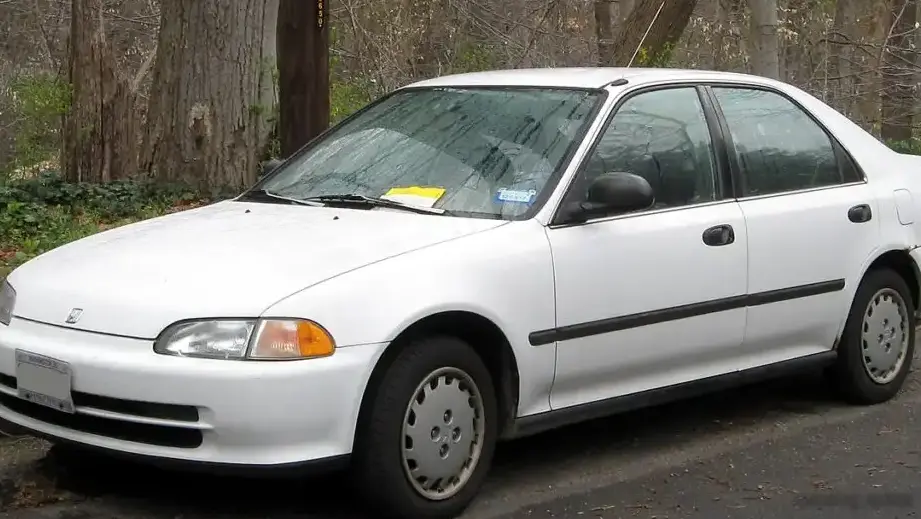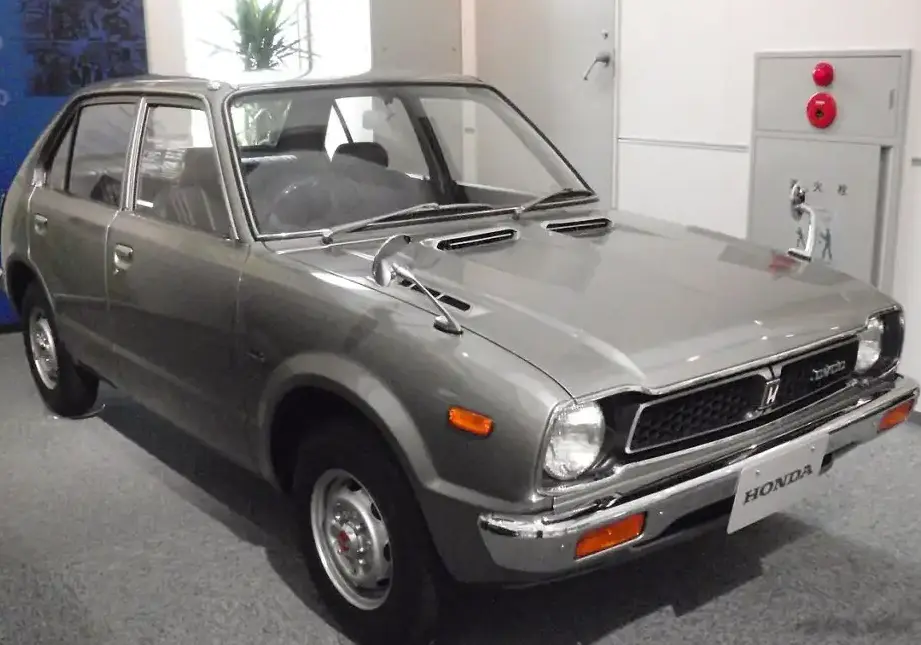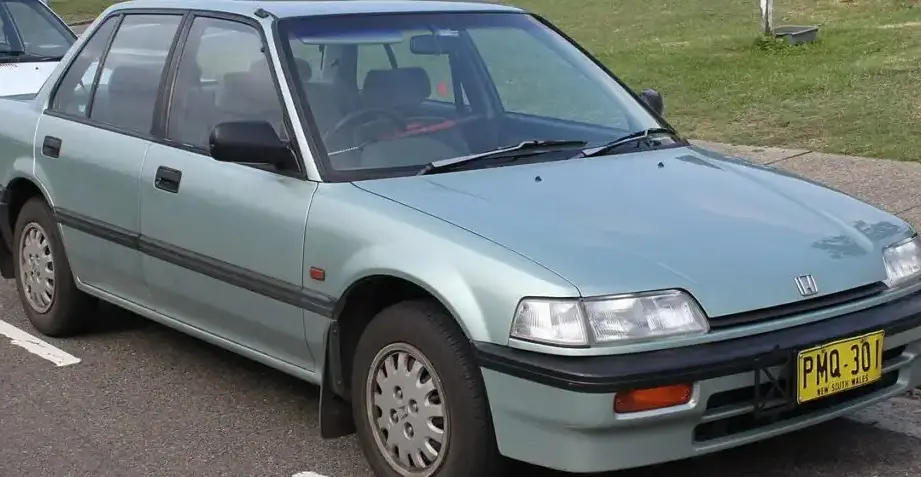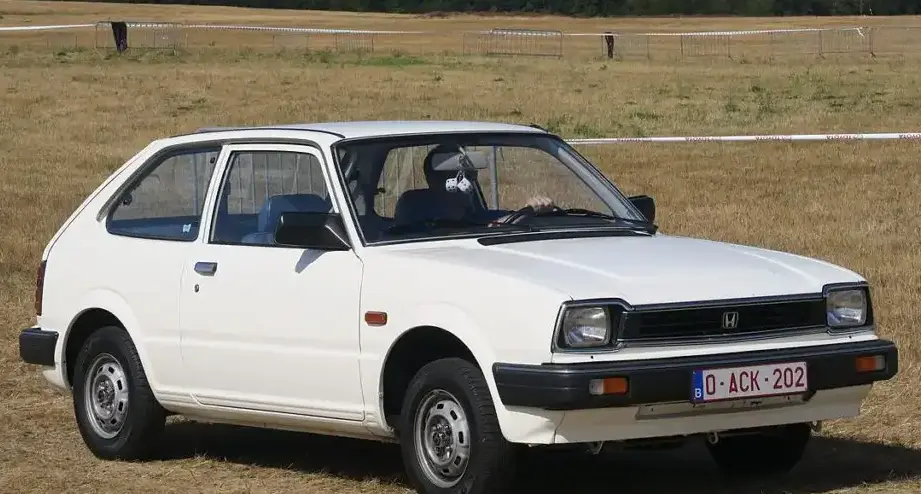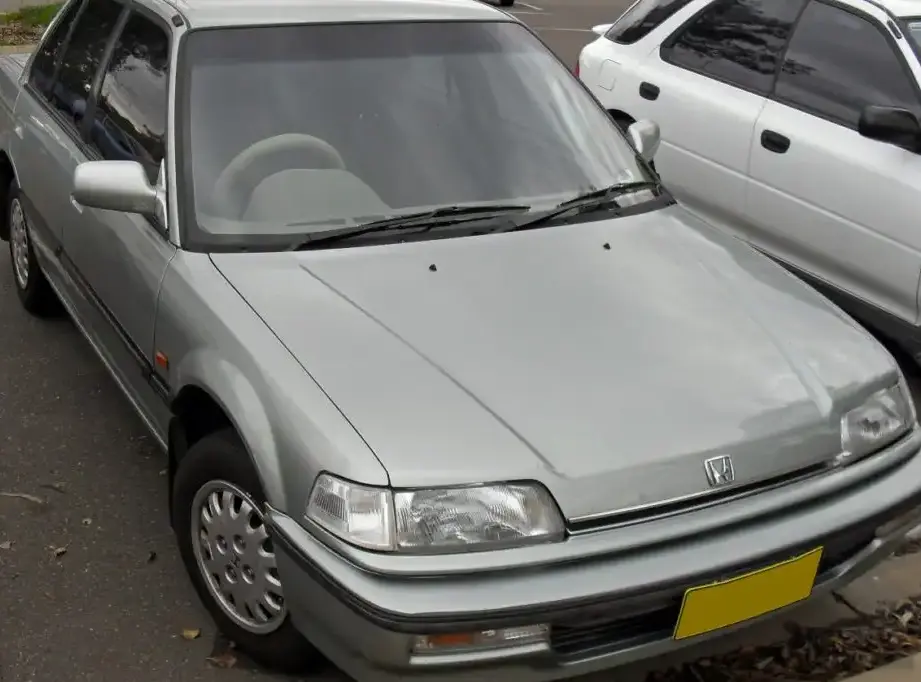
The Honda Civic IV 1.6i 16V 4×4, produced between 1989 and 1991, represents a relatively rare and intriguing variant within the fourth-generation Civic (1987-1991) lineup. This model, distinguished by its all-wheel-drive system and 16-valve engine, offered a unique combination of practicality, efficiency, and all-weather capability not commonly found in compact cars of the era. It was positioned as a slightly more premium offering within the Civic range, appealing to buyers in regions experiencing inclement weather or those desiring enhanced traction. The Civic IV, built upon the expanding popularity of its predecessors, continued Honda’s reputation for reliability and fuel economy, while the 1.6i 16V 4×4 added a performance edge and a degree of versatility.
Technical Specifications
| Brand | Honda |
| Model | Civic |
| Generation | Civic IV |
| Type (Engine) | 1.6i 16V 4×4 (109 Hp) |
| Start of production | 1989 |
| End of production | 1991 |
| Powertrain Architecture | Internal Combustion engine |
| Body type | Sedan |
| Fuel Type | Petrol (Gasoline) |
| Power | 109 Hp |
| Engine Model/Code | D16A6 |
| Engine aspiration | Naturally aspirated engine |
| Engine oil capacity | 3.5 l (3.7 US qt | 3.08 UK qt) |
| Coolant capacity | 5.7 l (6.02 US qt | 5.02 UK qt) |
Powertrain & Engine Architecture
The heart of the Civic IV 1.6i 16V 4×4 is the D16A6 engine, a 1.6-liter (1588cc) inline-four cylinder powerplant. This engine is notable for its 16-valve cylinder head, a feature that contributed to its increased horsepower output compared to the 8-valve versions available in other Civic trims. The D16A6 utilizes a single overhead camshaft (SOHC) design, operating with a relatively high compression ratio for the time, typically around 9.5:1. Fuel delivery is managed by Honda’s Programmed Fuel Injection (PGM-FI) system, a multi-point electronic fuel injection system that optimizes fuel efficiency and performance. The engine’s output of 109 horsepower at 6,000 rpm and 100 lb-ft of torque at 4,800 rpm provided a respectable level of performance for a compact car of the late 1980s.
The transmission paired with the D16A6 in the 4×4 variant is a four-speed automatic. While a five-speed manual transmission was available on other Civic models, it wasn’t offered with the all-wheel-drive system. The automatic transmission was chosen to provide ease of use, particularly in challenging driving conditions where the 4×4 system would be most beneficial. The automatic features typical torque converter technology, providing smooth shifts and aiding in low-speed maneuverability. The gear ratios were tuned for a balance between acceleration and fuel economy, prioritizing usability over outright performance.
Driving Characteristics
The Civic IV 1.6i 16V 4×4 offered a noticeably different driving experience compared to its front-wheel-drive counterparts. The all-wheel-drive system provided enhanced traction, particularly on slippery surfaces like snow, ice, or gravel. This made the car a practical choice for drivers in regions with harsh winters or unpaved roads. However, the added weight of the 4×4 components and the automatic transmission did impact performance. Acceleration was adequate but not particularly brisk, with 0-60 mph times estimated to be around 10-11 seconds. The automatic transmission, while convenient, lacked the responsiveness and driver engagement of the manual gearbox. The gear ratios were spaced to prioritize fuel efficiency, resulting in a somewhat leisurely feel during highway cruising. Steering feel was typical for the era – light and relatively precise, but lacking the feedback found in more modern vehicles.
Equipment & Trim Levels
The 1.6i 16V 4×4 trim generally included features considered relatively upscale for a compact car in the late 1980s. Standard equipment typically included power steering, a basic audio system (often a cassette player), and cloth upholstery. Air conditioning was a common option. Interior appointments were functional and durable, reflecting Honda’s focus on practicality. The dashboard layout was straightforward and easy to use, with clearly marked gauges and controls. Optional extras could include upgraded audio systems, sunroofs, and alloy wheels. The interior trim level was generally similar to other mid-range Civic models, but the 4×4 variant often featured unique badging and exterior trim to distinguish it from its front-wheel-drive siblings.
Chassis & Braking
The Civic IV’s chassis was a traditional unibody construction, providing a good balance of rigidity and weight. The 4×4 system added some weight to the vehicle, necessitating slight modifications to the suspension. The front suspension utilized MacPherson struts, while the rear suspension employed a torsion beam setup. Stabilizer bars were typically fitted to both the front and rear axles to reduce body roll during cornering. Braking duties were handled by disc brakes at the front and drum brakes at the rear. This configuration was common for compact cars of the time, offering adequate stopping power for everyday driving. The braking system was not particularly sophisticated, lacking features like ABS (Anti-lock Braking System) which was still relatively uncommon on vehicles in this price range.
Market Reception & Comparison
The Civic IV 1.6i 16V 4×4 was not a high-volume seller, largely due to its higher price compared to other Civic models and the limited demand for all-wheel-drive in the compact car segment. Critics generally praised the car’s all-weather capability and its reliable engine, but noted its somewhat lackluster performance due to the automatic transmission and added weight. Compared to the more popular Civic Si or the fuel-efficient Civic DX, the 4×4 variant occupied a niche position, appealing to a specific subset of buyers. Fuel economy was slightly lower than the front-wheel-drive models, averaging around 25-30 mpg in combined driving. Reliability was generally excellent, consistent with Honda’s reputation for building durable vehicles.
Legacy
The Honda Civic IV 1.6i 16V 4×4 remains a relatively uncommon and sought-after vehicle among Honda enthusiasts today. Its unique combination of features and its limited production numbers have made it a collectible item. The D16A6 engine is known for its durability and relatively simple maintenance requirements. While finding parts specific to the 4×4 system can sometimes be challenging, most other components are readily available. The car’s all-wheel-drive system continues to provide a practical benefit in regions with inclement weather. In the used car market, well-maintained examples of the Civic IV 1.6i 16V 4×4 command a premium price, reflecting its rarity and its appeal to collectors and enthusiasts who appreciate its unique character and capabilities.