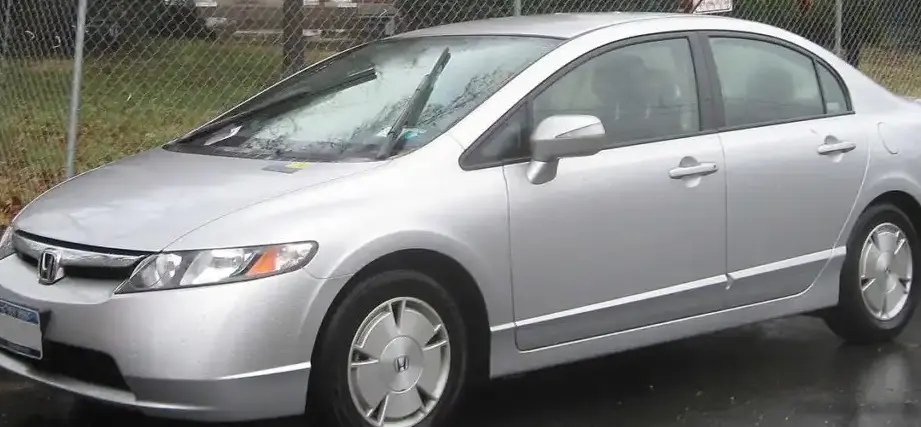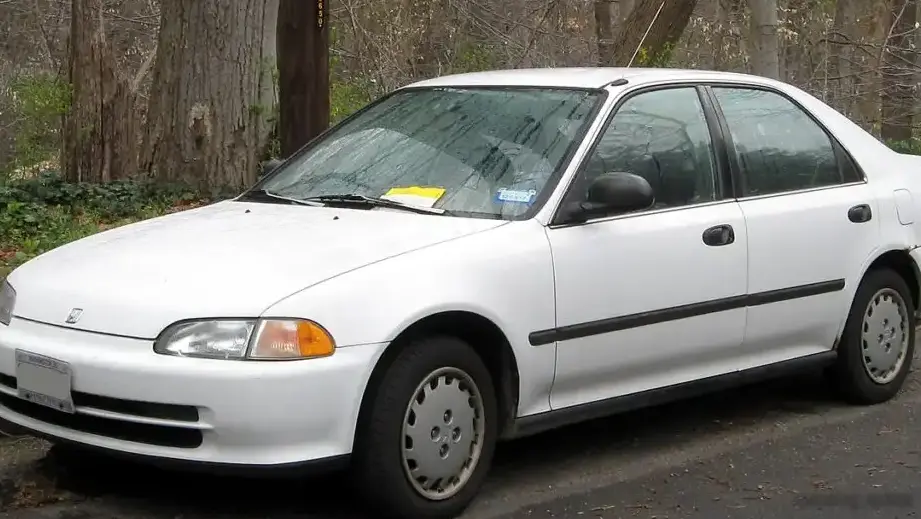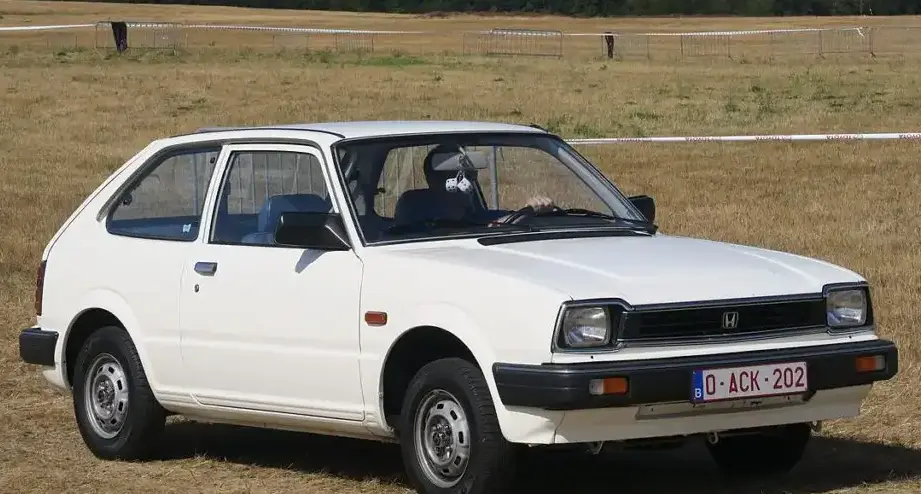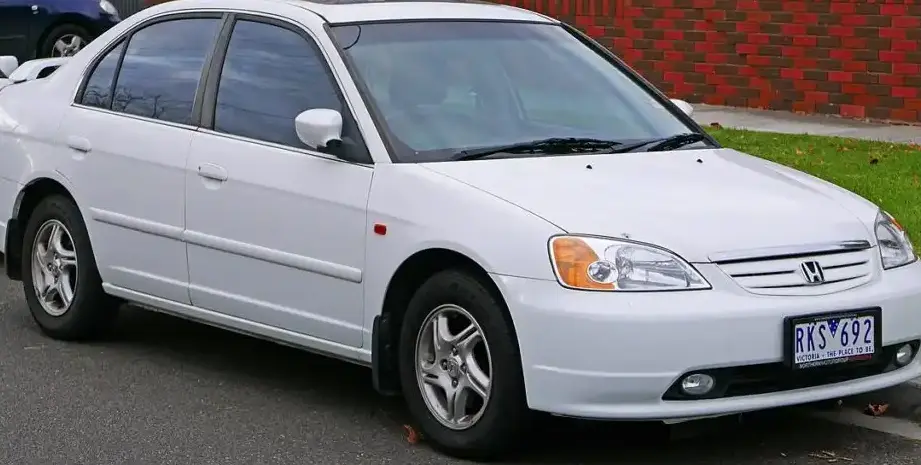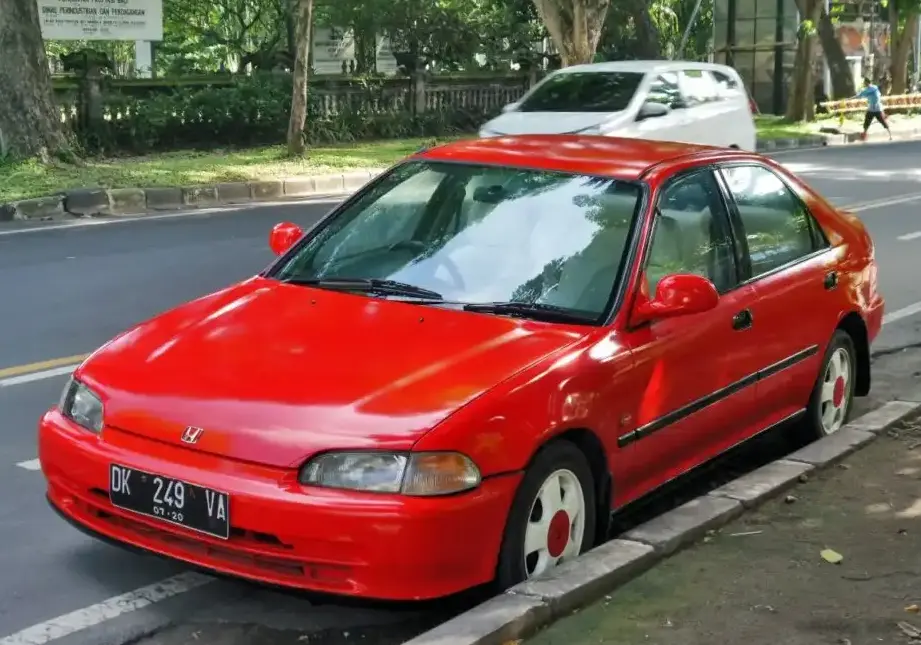
The Honda Civic V 1.5i 16V (90 hp) was a variant produced between 1991 and 1995, falling within the fifth generation of the Honda Civic (1992-1995). This model represented a key entry point into the Civic range, offering a balance of fuel efficiency and practicality for the North American and European markets. Positioned below the more powerful 1.6L models, the 1.5i 16V catered to buyers prioritizing affordability and reasonable performance. It was a popular choice for first-time car buyers and those seeking reliable transportation. The Civic V series, built on the EG chassis platform, marked a significant step forward in terms of styling, safety, and mechanical refinement compared to its predecessor.
Technical Specifications
| Brand | Honda |
| Model | Civic |
| Generation | Civic V |
| Type (Engine) | 1.5i 16V (90 Hp) |
| Start of production | 1991 |
| End of production | 1995 |
| Powertrain Architecture | Internal Combustion engine |
| Body type | Sedan |
| Seats | 5 |
| Doors | 4 |
| Fuel consumption (combined) | 7.2 l/100 km |
| Fuel consumption (US mpg) | 32.7 US mpg |
| Fuel consumption (UK mpg) | 39.2 UK mpg |
| Fuel consumption (km/l) | 13.9 km/l |
| Fuel Type | Petrol (Gasoline) |
| Acceleration 0 – 100 km/h | 10.2 sec |
| Acceleration 0 – 62 mph | 10.2 sec |
| Acceleration 0 – 60 mph | 9.7 sec |
| Maximum speed | 180 km/h (111.85 mph) |
| Weight-to-power ratio | 10.9 kg/Hp |
| Weight-to-torque ratio | 8.2 kg/Nm |
| Power | 90 Hp @ 6000 rpm |
| Power per litre | 60.3 Hp/l |
| Torque | 119 Nm @ 4700 rpm (87.77 lb.-ft. @ 4700 rpm) |
| Engine layout | Front, Transverse |
| Engine Model/Code | D15B2 |
| Engine displacement | 1493 cm3 (91.11 cu. in.) |
| Number of cylinders | 4 |
| Engine configuration | Inline |
| Cylinder Bore | 75 mm (2.95 in.) |
| Piston Stroke | 84.5 mm (3.33 in.) |
| Compression ratio | 9.2:1 |
| Number of valves per cylinder | 4 |
| Fuel injection system | Single-point injection |
| Engine aspiration | Naturally aspirated |
| Valvetrain | OHC |
| Engine oil capacity | 3.3 l (3.49 US qt | 2.9 UK qt) |
| Coolant capacity | 3.6 l (3.8 US qt | 3.17 UK qt) |
| Kerb Weight | 980 kg (2160.53 lbs.) |
| Max. weight | 1500 kg (3306.93 lbs.) |
| Max load | 520 kg (1146.4 lbs.) |
| Trunk (boot) space – minimum | 381 l (13.45 cu. ft.) |
| Fuel tank capacity | 45 l (11.89 US gal | 9.9 UK gal) |
| Length | 4405 mm (173.43 in.) |
| Width | 1695 mm (66.73 in.) |
| Height | 1375 mm (54.13 in.) |
| Wheelbase | 2620 mm (103.15 in.) |
| Front track | 1475 mm (58.07 in.) |
| Rear track | 1465 mm (57.68 in.) |
| Drivetrain Architecture | Front wheel drive |
| Number of gears | 5 gears, manual transmission |
| Front suspension | Double wishbone |
| Rear suspension | Double wishbone |
| Front brakes | Ventilated discs |
| Rear brakes | Drum |
| Steering type | Steering rack and pinion |
| Tires size | 175/70 R13 |
Powertrain & Engine Architecture
The heart of the Civic V 1.5i 16V was the D15B2 engine, a 1.5-liter inline-four cylinder powerplant. This engine utilized a single-point fuel injection system, a relatively simple setup compared to the multi-point injection found in some of its contemporaries. The “16V” designation refers to the four valves per cylinder, enhancing breathing and contributing to the engine’s 90 horsepower output. The D15B2 featured an overhead camshaft (OHC) valvetrain, a common configuration for engines of this era. The engine’s design prioritized fuel efficiency and reliability over outright performance. The standard transmission was a five-speed manual, but a four-speed automatic transmission was also offered, impacting the car’s acceleration and overall driving experience.
Driving Characteristics
The 1.5i 16V with the manual transmission offered a reasonably engaging driving experience, though it wasn’t particularly quick. Acceleration to 60 mph took around 9.7 seconds, making it competitive with other economy cars of the time. The automatic transmission version, however, noticeably dulled performance, extending the 0-60 mph time to over 10 seconds. The gear ratios in the automatic were optimized for fuel economy rather than spirited driving. The engine felt relatively responsive at lower RPMs, making it suitable for city driving, but lacked significant power for highway passing maneuvers. Compared to the more powerful 1.6L Civic models, the 1.5i 16V felt noticeably less potent, but it offered a smoother and more economical ride.
Equipment & Trim Levels
The 1.5i 16V typically came with a fairly basic level of equipment. Standard features generally included cloth upholstery, a basic AM/FM radio, and manual windows and locks. Air conditioning was often an optional extra. Trim levels varied slightly depending on the market, but generally, the 1.5i 16V represented the entry-level offering in the Civic V range. Optional extras could include power windows, power locks, a sunroof, and upgraded audio systems. The interior design was functional and straightforward, prioritizing practicality over luxury.
Chassis & Braking
The Civic V utilized a front-engine, front-wheel-drive layout. The suspension consisted of independent double wishbones at both the front and rear, providing a comfortable and controlled ride. Braking was handled by ventilated discs at the front and drum brakes at the rear. The braking system was adequate for everyday driving, but lacked the stopping power of more advanced setups. The car’s relatively light weight helped to offset the limitations of the drum brakes. Stabilizer bars were typically included to reduce body roll during cornering.
Market Reception & Comparison
The Civic V 1.5i 16V was generally well-received by automotive critics as a practical and reliable economy car. It was praised for its fuel efficiency, comfortable ride, and spacious interior. However, its lack of power was often noted, particularly when compared to the more potent 1.6L models. Fuel economy was a strong point, averaging around 32.7 US mpg in combined driving. Reliability was also a key strength, with the D15B2 engine proving to be durable and long-lasting. Compared to competitors like the Toyota Corolla and Nissan Sentra, the Civic V offered a similar level of practicality and reliability, but often with a slightly more sporty driving feel.
Legacy
The Honda Civic V 1.5i 16V has maintained a reputation for reliability and affordability in the used car market. The D15B2 engine is known for its durability, and parts are readily available. While not a particularly collectible model, well-maintained examples are still sought after by enthusiasts and those looking for a dependable and economical vehicle. The simplicity of the engine and its components makes it relatively easy to maintain and repair. Today, these Civics represent a piece of automotive history, showcasing Honda’s commitment to building reliable and fuel-efficient vehicles.