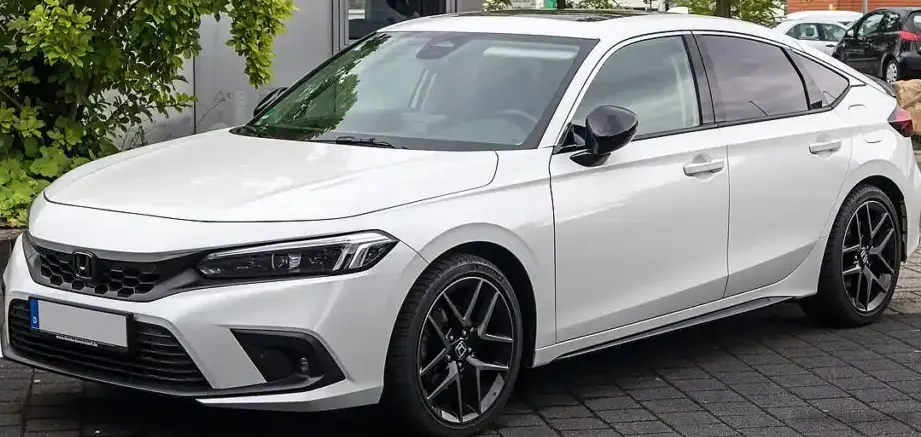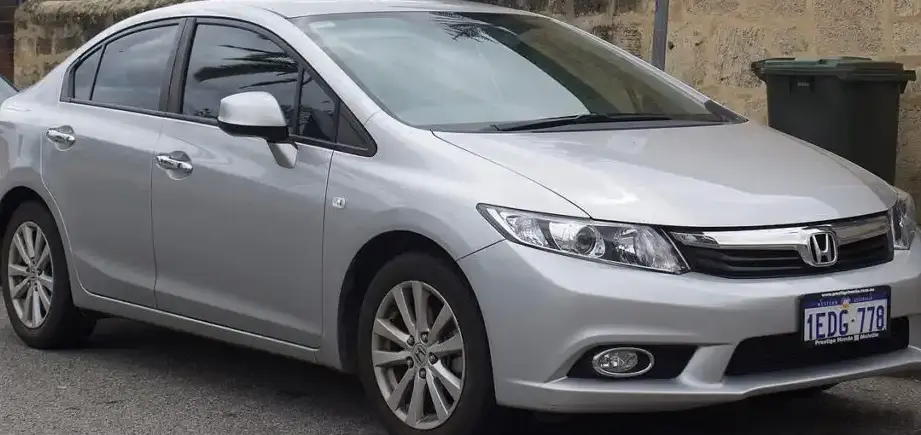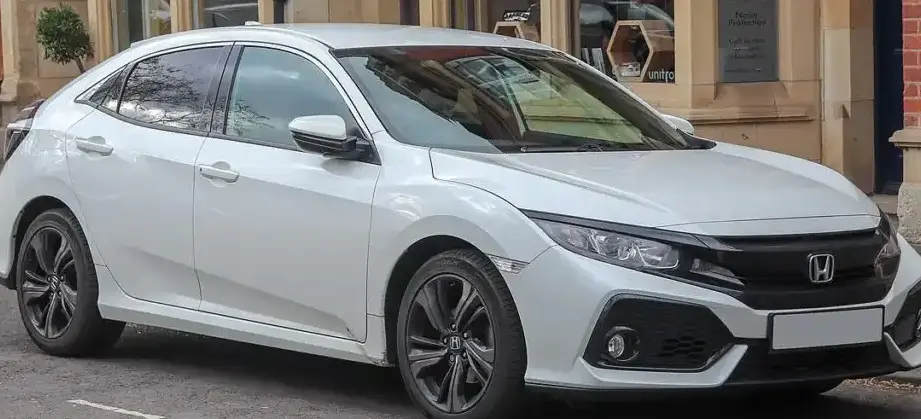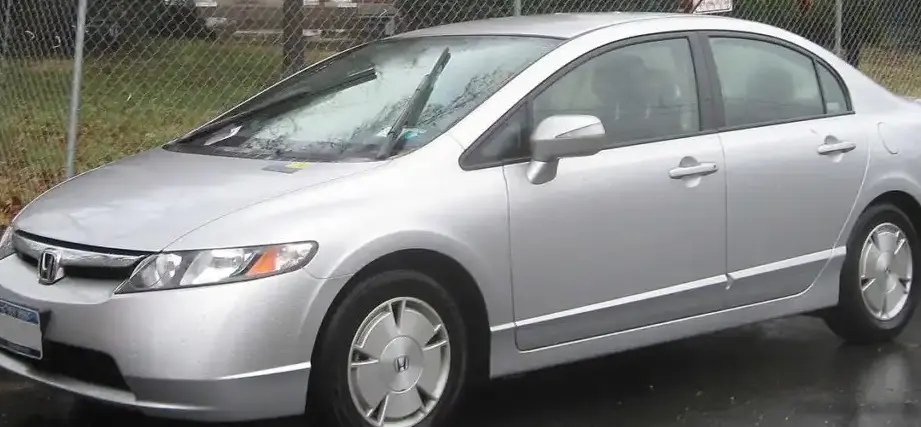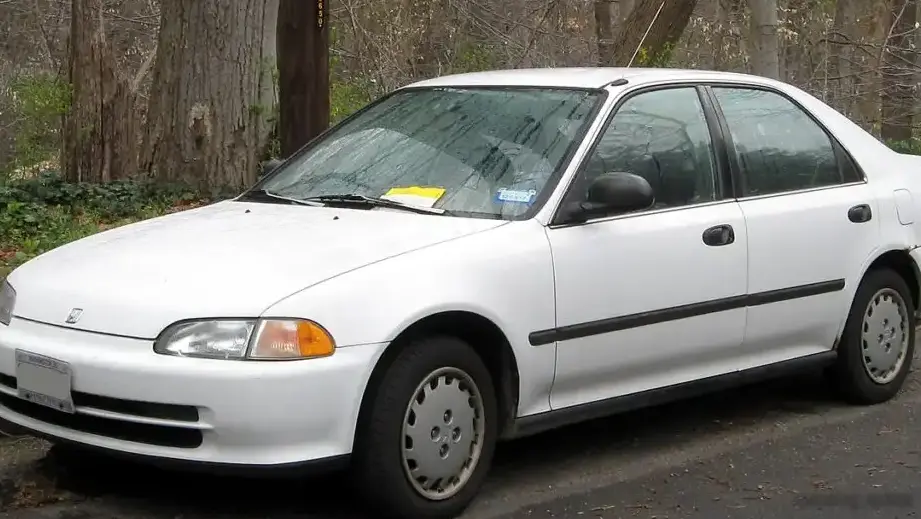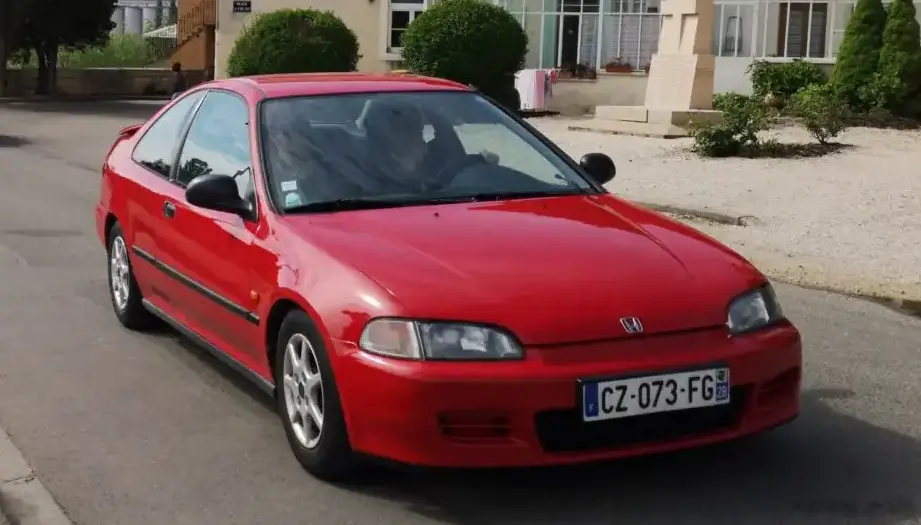
The Honda Civic V Coupe 1.6 ESi, produced between 1994 and 1996, represented a significant iteration of Honda’s popular compact car. Falling within the fifth generation (1992-1995) of the Civic, the Coupe body style offered a sportier aesthetic compared to the sedan and hatchback variants. The 1.6 ESi trim specifically targeted buyers seeking a balance of fuel efficiency, respectable performance, and a relatively well-equipped package. It occupied a mid-range position in the Civic Coupe lineup, slotting above the base LX model and below the more performance-oriented Si trim. This generation of Civic was a key player in Honda’s continued success in the North American market, known for its reliability and affordability.
Technical Specifications
| Brand | Honda |
| Model | Civic |
| Generation | Civic V Coupe |
| Type (Engine) | 1.6 ESi (125 Hp) |
| Start of production | 1994 |
| End of production | 1996 |
| Powertrain Architecture | Internal Combustion engine |
| Body type | Coupe |
| Seats | 5 |
| Doors | 2 |
| Fuel consumption (combined) | 7.1 l/100 km (33.1 US mpg, 39.8 UK mpg, 14.1 km/l) |
| Fuel Type | Petrol (Gasoline) |
| Maximum speed | 200 km/h (124.27 mph) |
| Weight-to-power ratio | 8.5 kg/Hp, 117.9 Hp/tonne |
| Weight-to-torque ratio | 7.5 kg/Nm, 134 Nm/tonne |
| Power | 125 Hp @ 5500 rpm |
| Power per litre | 78.6 Hp/l |
| Torque | 142 Nm @ 5200 rpm (104.73 lb.-ft. @ 5200 rpm) |
| Engine layout | Front, Transverse |
| Engine Model/Code | D16Z6 |
| Engine displacement | 1590 cm3 (97.03 cu. in.) |
| Number of cylinders | 4 |
| Engine configuration | Inline |
| Cylinder Bore | 75 mm (2.95 in.) |
| Piston Stroke | 90 mm (3.54 in.) |
| Compression ratio | 9.2:1 |
| Number of valves per cylinder | 4 |
| Fuel injection system | Multi-port manifold injection |
| Engine aspiration | Naturally aspirated engine |
| Valvetrain | OHC |
| Engine oil capacity | 3.3 l (3.49 US qt | 2.9 UK qt) |
| Coolant | 3.6 l (3.8 US qt | 3.17 UK qt) |
| Kerb Weight | 1060 kg (2336.9 lbs.) |
| Max. weight | 1530 kg (3373.07 lbs.) |
| Max load | 470 kg (1036.17 lbs.) |
| Trunk (boot) space – minimum | 365 l (12.89 cu. ft.) |
| Fuel tank capacity | 45 l (11.89 US gal | 9.9 UK gal) |
| Length | 4400 mm (173.23 in.) |
| Width | 1695 mm (66.73 in.) |
| Height | 1345 mm (52.95 in.) |
| Wheelbase | 2620 mm (103.15 in.) |
| Front track | 1475 mm (58.07 in.) |
| Rear (Back) track | 1465 mm (57.68 in.) |
| Drivetrain Architecture | The Internal combustion engine (ICE) drives the front wheels of the vehicle. |
| Drive wheel | Front wheel drive |
| Number of gears and type of gearbox | 5 gears, manual transmission |
| Front suspension | Double wishbone |
| Rear suspension | Double wishbone |
| Front brakes | Ventilated discs |
| Rear brakes | Drum |
| Assisting systems | ABS (Anti-lock braking system) |
| Steering type | Steering rack and pinion |
| Power steering | Hydraulic Steering |
| Tires size | 185/60 R14 |
Powertrain & Engine Architecture
The heart of the Civic 1.6 ESi was the D16Z6 engine, a 1.6-liter inline-four cylinder powerplant. This engine utilized a single overhead camshaft (SOHC) valvetrain, operating 16 valves (four per cylinder). The D16Z6 featured multi-point fuel injection, contributing to improved fuel efficiency and smoother power delivery compared to earlier carburetor-equipped engines. The engine’s 9.2:1 compression ratio was a key factor in achieving its 125 horsepower output. The engine was transversely mounted, driving the front wheels. The 1.6 ESi was exclusively offered with a five-speed manual transmission, providing drivers with direct control over the engine’s powerband. This transmission was known for its smooth shifting action and relatively durable construction.
Driving Characteristics
The 1.6 ESi offered a balanced driving experience. While not as overtly sporty as the Si model, the 125 hp engine provided adequate power for everyday driving and even some spirited acceleration. The five-speed manual transmission allowed drivers to keep the engine in its optimal power range, making the most of the available horsepower. The gear ratios were tuned for a blend of fuel economy and responsiveness. Compared to the base LX model, the ESi felt noticeably more energetic. However, it lacked the higher revving nature and more aggressive tuning of the Si. The front-wheel-drive configuration provided predictable handling, although it wasn’t without some understeer when pushed hard.
Equipment & Trim Levels
The 1.6 ESi trim included several features that distinguished it from the base LX model. Standard equipment typically included power windows, power door locks, a tilt steering wheel, and an upgraded sound system. Interior upholstery was typically cloth, with a relatively simple but functional dashboard layout. Optional extras available for the ESi included a sunroof, air conditioning, and upgraded audio components. The ESi’s interior was generally considered to be well-built and durable, reflecting Honda’s reputation for quality.
Chassis & Braking
The Civic V Coupe utilized a front independent suspension with double wishbone configuration, providing a comfortable ride and decent handling characteristics. The rear suspension also employed a double wishbone setup. Braking duties were handled by ventilated discs at the front and drum brakes at the rear. Anti-lock braking system (ABS) was included as standard equipment, enhancing safety. The chassis was relatively lightweight, contributing to the car’s nimble handling. The steering was rack and pinion, providing precise and responsive steering feel.
Market Reception & Comparison
The Civic 1.6 ESi was generally well-received by automotive critics. It was praised for its fuel efficiency, reliability, and overall value. Compared to the base LX model, the ESi offered a noticeable performance upgrade and a more comprehensive list of standard features. Against the Si trim, the ESi represented a more affordable option for buyers who didn’t require the ultimate in performance. Fuel economy was a strong point, consistently achieving around 33 mpg in combined driving. Reliability was also a key strength, with the D16Z6 engine proving to be exceptionally durable.
Legacy
The Honda Civic V Coupe 1.6 ESi has maintained a strong following among enthusiasts and used car buyers. The D16Z6 engine is known for its longevity and relatively simple maintenance requirements. Parts availability remains good, making it a relatively easy car to keep on the road. While not a particularly rare or collectible variant, well-maintained examples of the 1.6 ESi are increasingly sought after by those looking for a reliable and affordable classic Honda. The car’s reputation for durability and fuel efficiency continues to make it a practical choice for daily transportation, even decades after its production ended. The Civic V generation, and the 1.6 ESi in particular, cemented Honda’s position as a leader in the compact car segment.