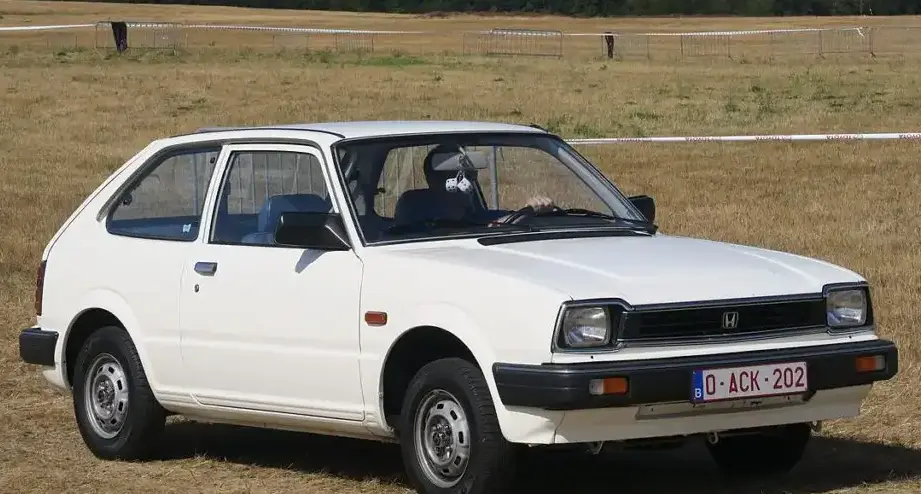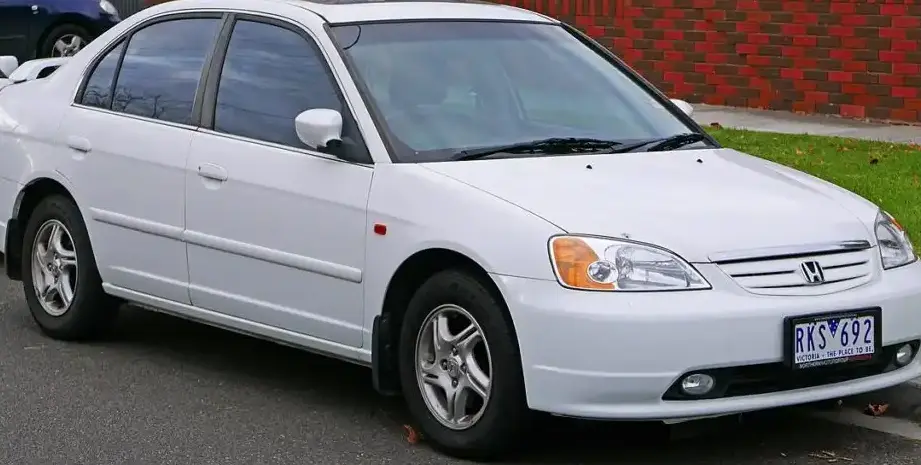
The Honda Civic VI Wagon 1.8 16V VTi, produced between 1998 and 2000, represented a performance-oriented variant within the sixth-generation (EG/EH/EJ) Civic lineup. Specifically, this model, often referred to as the VTi, was a five-door station wagon (estate) aimed at buyers seeking a practical vehicle with a more engaging driving experience than the base models. It occupied a mid-to-upper position in the Civic wagon range, offering a significant power upgrade over the lower-spec engines. The Civic VI generation, and this wagon variant, were primarily sold in European and Asian markets, with limited availability in North America where the Civic wagon was not a common offering.
Technical Specifications
| Brand | Honda |
| Model | Civic |
| Generation | Civic VI Wagon |
| Type (Engine) | 1.8 16V VTi (169 Hp) |
| Start of production | 1998 |
| End of production | 2000 |
| Powertrain Architecture | Internal Combustion engine |
| Body type | Station wagon (estate) |
| Seats | 5 |
| Doors | 5 |
| Fuel Type | Petrol (Gasoline) |
| Acceleration 0 – 100 km/h | 8.3 sec |
| Acceleration 0 – 62 mph | 8.3 sec |
| Acceleration 0 – 60 mph | 7.9 sec |
| Power | 169 Hp @ 7600 rpm |
| Power per litre | 94 Hp/l |
| Torque | 166 Nm @ 6300 rpm / 122.44 lb.-ft. @ 6300 rpm |
| Engine layout | Front, Transverse |
| Engine Model/Code | B18C4 |
| Engine displacement | 1797 cm3 / 109.66 cu. in. |
| Number of cylinders | 4 |
| Engine configuration | Inline |
| Cylinder Bore | 81 mm / 3.19 in. |
| Piston Stroke | 87.2 mm / 3.43 in. |
| Compression ratio | 10:1 |
| Number of valves per cylinder | 4 |
| Fuel injection system | Multi-port manifold injection |
| Engine aspiration | Naturally aspirated engine |
| Valvetrain | DOHC |
| Engine oil capacity | 4 l / 4.23 US qt | 3.52 UK qt |
| Fuel tank capacity | 45 l / 11.89 US gal | 9.9 UK gal |
| Drivetrain Architecture | The Internal combustion engine (ICE) drives the front wheels of the vehicle. |
| Drive wheel | Front wheel drive |
| Assisting systems | ABS (Anti-lock braking system) |
| Tires size | 195/55 R15 |
| Wheel rims size | 15 |
Powertrain & Engine Architecture
The heart of the Civic VI Wagon VTi was the B18C4 engine, a 1.8-liter, naturally aspirated inline-four cylinder powerplant. This engine was a member of Honda’s renowned B-series, known for its high-revving nature and reliability. The “C4” designation indicated a higher-performance version, featuring a 16-valve DOHC (Double Overhead Camshaft) cylinder head, optimized intake and exhaust ports, and a higher compression ratio of 10:1. Fuel delivery was managed by a multi-point fuel injection system, ensuring precise fuel metering for optimal performance and efficiency. The B18C4 produced 169 horsepower at 7600 rpm and 166 Nm (122.44 lb-ft) of torque at 6300 rpm. The engine’s design prioritized top-end power, making it responsive and enjoyable to drive at higher engine speeds. While Honda offered manual transmission options on many Civic models, the VTi often came paired with a four-speed automatic transmission. This automatic, while not as sporty as a manual, provided smooth shifts and ease of use, appealing to a broader range of drivers.
Driving Characteristics
The 1.8 16V VTi wagon offered a noticeable step up in performance compared to the lower-powered Civic wagon variants. The 0-60 mph time of around 7.9 seconds was respectable for a family-oriented station wagon of the late 1990s. The engine’s high-revving nature meant that the powerband was relatively narrow, requiring the driver to keep the engine speed up to access its full potential. The four-speed automatic transmission, while smooth, did contribute to some power loss compared to a manual gearbox. Gear ratios were tuned for a balance between acceleration and fuel economy. In real-world driving, the VTi felt lively and capable, making it suitable for both daily commutes and longer journeys. The front-wheel-drive configuration provided predictable handling, although it wasn’t as engaging as a rear-wheel-drive setup.
Equipment & Trim Levels
The VTi trim level generally included a more comprehensive set of standard features than the base Civic wagon models. Interior appointments typically included upgraded cloth upholstery, a leather-wrapped steering wheel, and power windows and locks. Air conditioning was standard, and many examples were equipped with an optional sunroof. The dashboard layout was typical of the Civic VI generation, featuring a straightforward design with easy-to-read gauges. Optional extras could include a CD player, upgraded speakers, and alloy wheels. The VTi aimed to provide a comfortable and well-equipped interior without venturing into luxury territory.
Chassis & Braking
The Civic VI Wagon utilized a MacPherson strut front suspension and a torsion beam rear suspension. This setup provided a good balance between ride comfort and handling. The VTi variant often featured slightly stiffer springs and dampers compared to the base models, enhancing handling performance. Braking duties were handled by disc brakes on the front wheels and drum brakes on the rear. Anti-lock Braking System (ABS) was standard, improving braking performance and safety, particularly in adverse conditions. The 15-inch wheels were typically fitted with 195/55 R15 tires, providing adequate grip for everyday driving.
Market Reception & Comparison
The Civic VI Wagon VTi was generally well-received by automotive critics. It was praised for its responsive engine, comfortable ride, and practical wagon body style. Compared to other 1.8-liter Civic variants, the VTi offered a significant performance advantage. Against competitors like the Ford Escort Estate or the Vauxhall Astra Estate, the Civic VTi stood out for its refined engine and Honda’s reputation for reliability. Fuel economy was reasonable for a performance-oriented engine, typically achieving around 30-35 mpg in mixed driving. However, the automatic transmission did slightly reduce fuel efficiency compared to the manual versions. Maintenance costs were generally considered to be moderate, with readily available parts and a well-established service network.
Legacy
The Honda Civic VI Wagon 1.8 16V VTi has developed a loyal following among enthusiasts. The B18C4 engine is known for its durability and tunability, making it a popular choice for engine swaps and modifications. The VTi’s combination of practicality, performance, and reliability has ensured its continued presence on the used car market. While finding a well-maintained example can be challenging due to its age, these wagons are often sought after by those looking for a classic Honda with a sporty character. The B18C4 engine, in particular, remains highly regarded for its engineering and performance capabilities, cementing its place in Honda’s engine history.