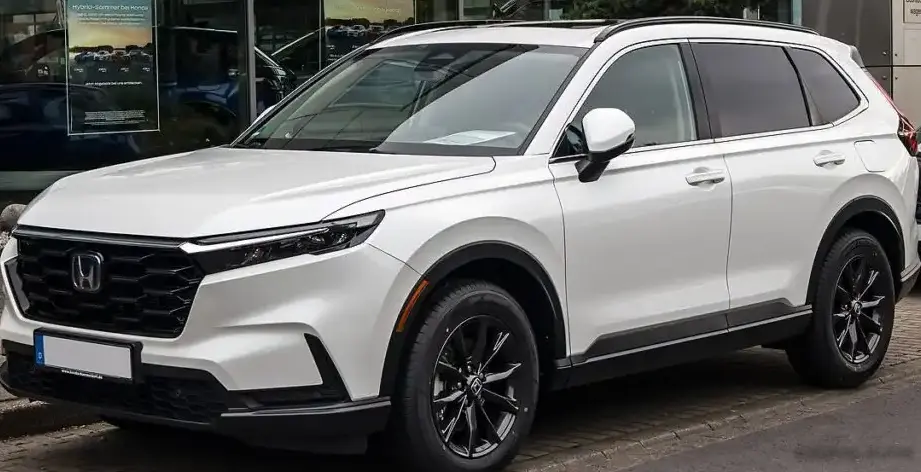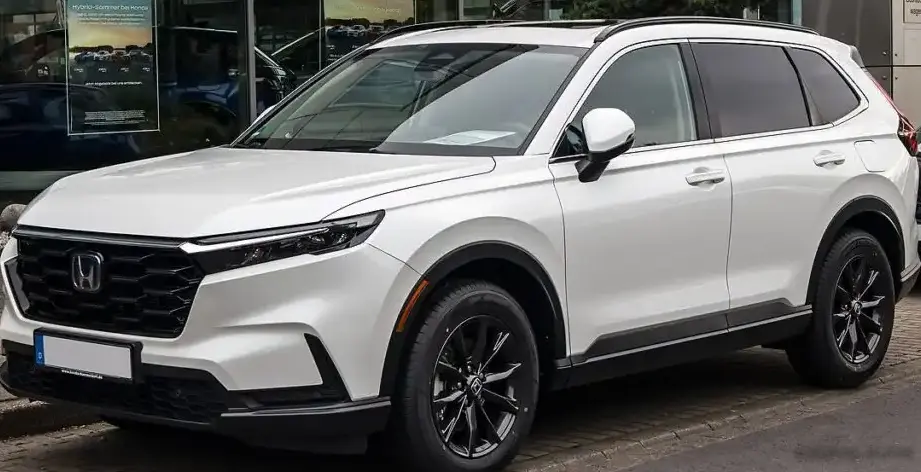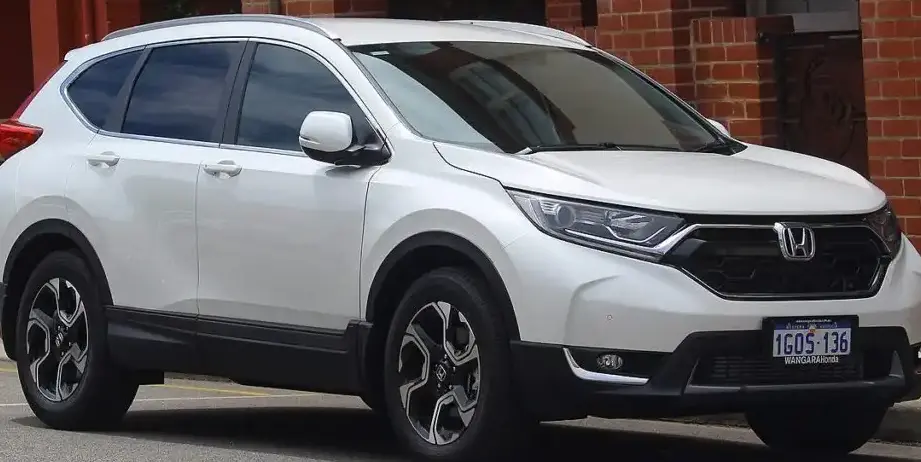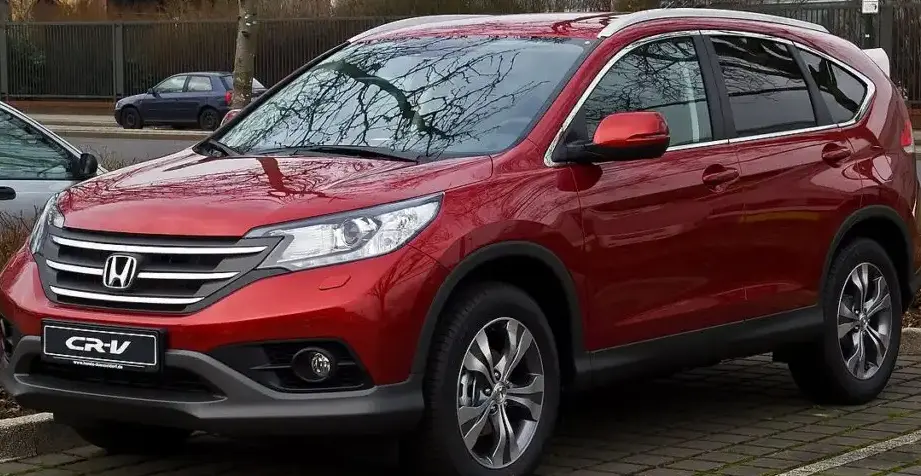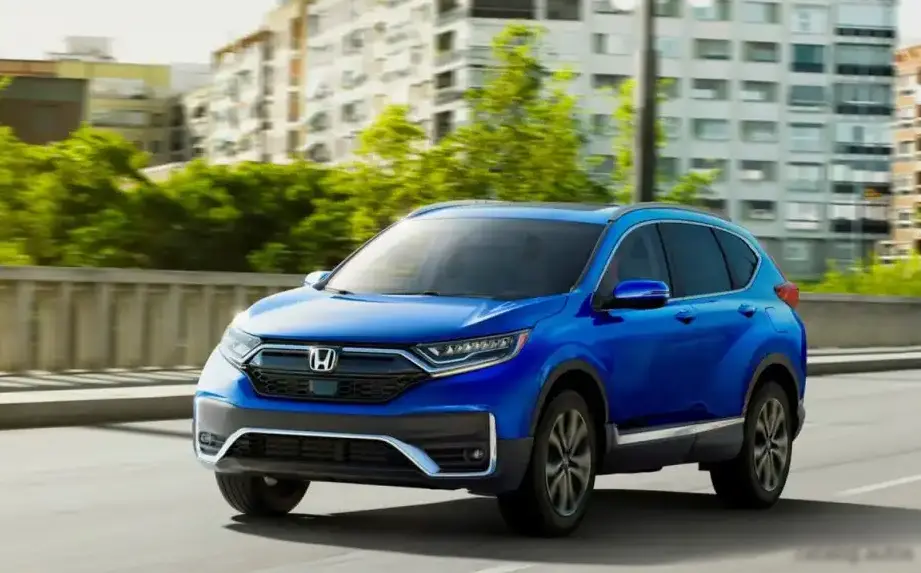
The Honda CR-V V facelift, specifically the 2.0 i-VTEC i-MMD (184 Hp) e:HEV e-CVT variant, represents a significant step in Honda’s hybrid technology within the popular CR-V lineup. Introduced in February 2021 and produced through July 2022, this model year marked a mid-cycle refresh for the fifth-generation CR-V (internally designated as the RW/RT platform). This particular configuration was positioned as a premium offering, blending fuel efficiency with respectable performance, aimed at buyers seeking a technologically advanced and practical compact SUV. It was primarily sold in the European and Asian markets, with limited availability in North America where the CR-V Hybrid was introduced later with slightly different specifications.
Technical Specifications
| Brand | Honda |
| Model | CR-V |
| Generation | CR-V V (facelift 2019) |
| Type (Engine) | 2.0 i-VTEC i-MMD (184 Hp) e:HEV e-CVT |
| Start of production | February, 2021 |
| End of production | July, 2022 |
| Powertrain Architecture | FHEV (Full Hybrid Electric Vehicle) |
| Body type | SUV |
| Seats | 5 |
| Doors | 5 |
| Fuel consumption at Low speed (WLTP) | 7.2 l/100 km (32.7 US mpg) |
| Fuel consumption at Medium speed (WLTP) | 5 l/100 km (47 US mpg) |
| Fuel consumption at high speed (WLTP) | 5.6 l/100 km (42 US mpg) |
| Fuel consumption at very high speed (WLTP) | 8.3 l/100 km (28.3 US mpg) |
| Combined fuel consumption (WLTP) | 6.6-6.7 l/100 km (35.6 – 35.1 US mpg) |
| CO2 emissions (WLTP) | 151 g/km |
| Fuel Type | Petrol (Gasoline) |
| Acceleration 0 – 100 km/h | 8.6 sec |
| Acceleration 0 – 62 mph | 8.6 sec |
| Acceleration 0 – 60 mph | 8.2 sec |
| Maximum speed | 180 km/h (111.85 mph) |
| Emission standard | Euro 6d-ISC-FCM |
| Weight-to-power ratio | 9.2 kg/Hp |
| Weight-to-torque ratio | 5.3 kg/Nm |
| Battery technology | Lithium-ion (Li-Ion) |
| Electric motor power | 184 Hp |
| Electric motor Torque | 315 Nm (232.33 lb.-ft.) |
| Power | 145 Hp @ 6200 rpm |
| Torque | 175 Nm @ 4000 rpm (129.07 lb.-ft. @ 4000 rpm) |
| Engine displacement | 1993 cm3 (121.62 cu. in.) |
| Kerb Weight | 1685-1740 kg (3714.79 – 3836.04 lbs.) |
| Max. weight | 2240 kg (4938.35 lbs.) |
| Trunk (boot) space – minimum | 497 l (17.55 cu. ft.) |
| Trunk (boot) space – maximum | 1694 l (59.82 cu. ft.) |
| Fuel tank capacity | 57 l (15.06 US gal) |
| Gears/Gearbox | automatic transmission e-CVT |
Powertrain & Engine Architecture
At the heart of the CR-V Hybrid is Honda’s 2.0-liter, naturally aspirated inline-four cylinder i-VTEC engine (LFA1 engine code). This engine produces 145 horsepower at 6200 rpm and 175 Nm (129 lb-ft) of torque at 4000 rpm. The engine utilizes direct injection for improved efficiency and power delivery. However, the key to this powertrain is the “i-MMD” (Intelligent Multi-Mode Drive) system. This isn’t a traditional parallel hybrid; instead, it’s a series-parallel hybrid system. The gasoline engine primarily acts as a generator, powering an electric motor that drives the front wheels. At higher speeds or under heavier load, the engine can directly drive the wheels via a lock-up clutch, improving efficiency. The e-CVT (electronic Continuously Variable Transmission) manages power flow seamlessly between the engine, generator, and electric motor. The lithium-ion battery pack, located under the rear seats, provides energy storage for the electric motor. The system prioritizes electric drive whenever possible, resulting in low emissions and quiet operation.
Driving Characteristics
The 184 hp combined output of the i-MMD system delivers adequate performance for everyday driving. Acceleration from 0-60 mph takes approximately 8.2 seconds, and 0-100 km/h in 8.6 seconds. While not a sports car, the CR-V Hybrid offers smooth and responsive acceleration, particularly in urban environments where the electric motor provides instant torque. The e-CVT, while efficient, lacks the traditional gear changes of a conventional automatic transmission, which some drivers may find unusual. Compared to the standard 1.5L turbocharged gasoline engine CR-V, the hybrid offers a more refined driving experience with less engine noise and vibration. It also feels more effortless during acceleration. Compared to higher-output CR-V variants available in some markets (like the 2.4L turbo), this hybrid prioritizes fuel economy over outright performance.
Equipment & Trim Levels
The 2.0 i-VTEC i-MMD e:HEV e-CVT trim typically came well-equipped. Standard features often included Honda Sensing suite of safety technologies (including adaptive cruise control, lane keeping assist, and collision mitigation braking system), a touchscreen infotainment system with Apple CarPlay and Android Auto compatibility, automatic climate control, and heated front seats. Interior upholstery was typically cloth or a combination of cloth and leather. Optional extras could include a panoramic sunroof, premium audio system, and power-adjustable seats. The overall interior design was modern and functional, with a focus on practicality and ease of use.
Chassis & Braking
The CR-V V facelift utilizes an independent McPherson strut suspension in the front and an independent multi-link suspension in the rear. This setup provides a comfortable ride and good handling characteristics. The hybrid variant, due to the added weight of the battery pack, often featured slightly stiffer spring rates to maintain stability. Braking duties are handled by ventilated discs in the front (320mm) and solid discs in the rear (310mm). The hybrid system incorporates regenerative braking, which helps to recharge the battery and improve fuel efficiency. Anti-lock braking system (ABS) and electronic stability control (ESC) are standard safety features.
Market Reception & Comparison
The CR-V Hybrid was generally well-received by automotive critics. Reviewers praised its fuel efficiency, smooth ride, and quiet operation. The hybrid powertrain was seen as a significant improvement over the standard gasoline engine in terms of refinement and environmental impact. However, some critics noted the e-CVT’s lack of traditional gear changes and the slightly higher price compared to non-hybrid CR-V models. In terms of fuel economy, the CR-V Hybrid consistently outperformed its gasoline-powered counterparts, achieving combined fuel consumption figures of 6.6-6.7 l/100 km (35.6-35.1 US mpg). Reliability reports have been generally positive, with the i-MMD system proving to be durable and dependable.
Legacy
The Honda CR-V V facelift 2.0 i-VTEC i-MMD e:HEV e-CVT represents a pivotal moment in Honda’s electrification strategy. It demonstrated the viability of the i-MMD hybrid system and paved the way for the wider adoption of hybrid technology across the Honda lineup. On the used car market, these models hold their value well due to their fuel efficiency, reliability, and desirable features. The i-MMD powertrain has proven to be robust, with many examples exceeding high mileage without major issues. The CR-V Hybrid remains a popular choice for buyers seeking a practical, efficient, and well-equipped compact SUV.