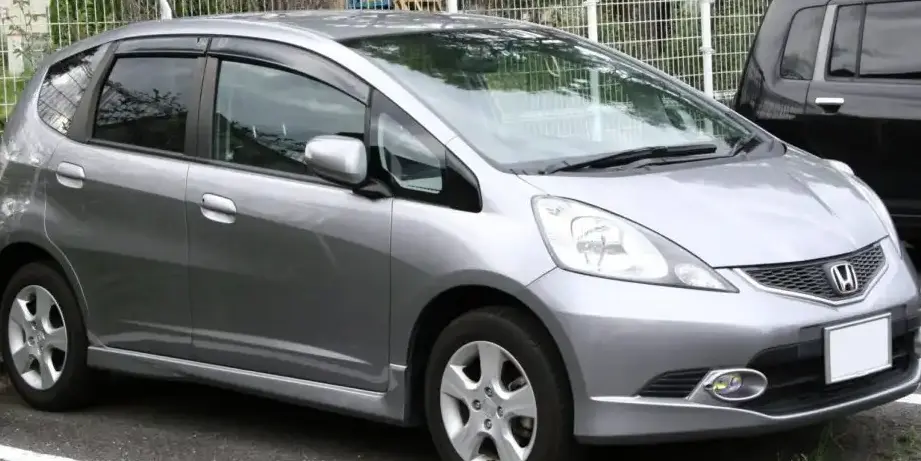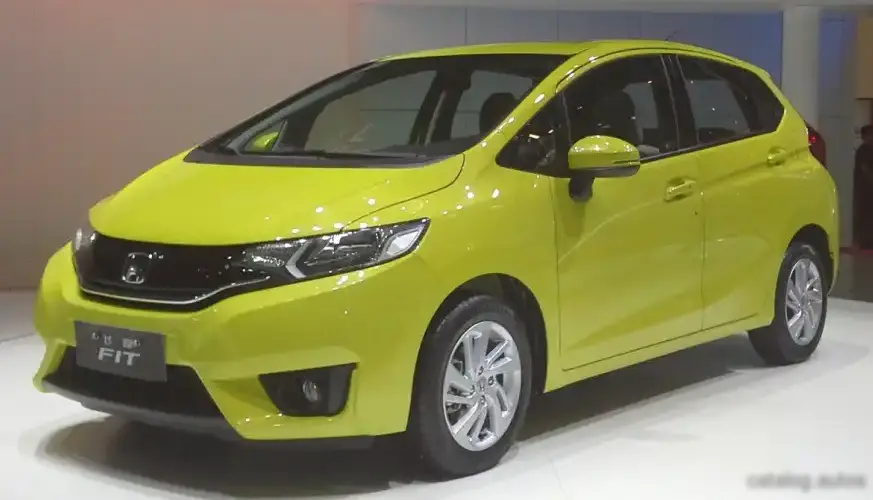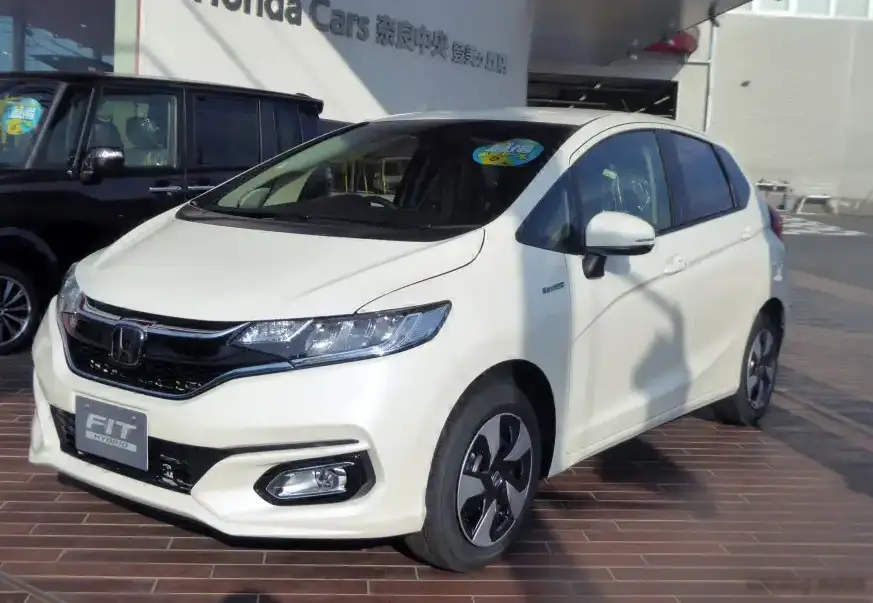
The Honda Fit III, specifically the facelifted version introduced in 2017, represented a significant evolution of Honda’s subcompact hatchback. Produced from 2017 to 2020, the 1.5-liter (132 hp) variant occupied a key position in the Fit lineup, offering a balance between fuel efficiency, practicality, and a more engaging driving experience than the base models. This iteration of the Fit, built on the GK platform, was primarily aimed at the North American and European markets, where the demand for versatile and economical small cars was high. The 2017 facelift brought subtle styling updates, improved interior materials, and enhanced safety features, solidifying the Fit’s reputation as a class leader.
Technical Specifications
| Brand | Honda |
| Model | FIT |
| Generation | Fit III (facelift 2017) |
| Type (Engine) | 1.5 (132 Hp) |
| Start of production | 2017 |
| End of production | 2020 |
| Powertrain Architecture | Internal Combustion engine |
| Body type | Hatchback |
| Seats | 5 |
| Doors | 5 |
| Fuel Type | Petrol (Gasoline) |
| Weight-to-power ratio | 8.1 kg/Hp, 123.4 Hp/tonne |
| Weight-to-torque ratio | 6.9 kg/Nm, 144.9 Nm/tonne |
| Power | 132 Hp @ 6600 rpm |
| Power per litre | 88.2 Hp/l |
| Torque | 155 Nm @ 4600 rpm, 114.32 lb.-ft. @ 4600 rpm |
| Engine layout | Front, Transverse |
| Engine Model/Code | L15B1 |
| Engine displacement | 1497 cm3, 91.35 cu. in. |
| Number of cylinders | 4 |
| Engine configuration | Inline |
| Cylinder Bore | 73 mm, 2.87 in. |
| Piston Stroke | 89.4 mm, 3.52 in. |
| Compression ratio | 11.5:1 |
| Number of valves per cylinder | 4 |
| Fuel injection system | Direct injection |
| Engine aspiration | Naturally aspirated engine |
| Valvetrain | DOHC, i-VTEC |
| Engine oil capacity | 3.3 l, 3.49 US qt | 2.9 UK qt |
| Coolant | 3.78 l, 3.99 US qt | 3.33 UK qt |
| Kerb Weight | 1070 kg, 2358.95 lbs |
| Fuel tank capacity | 40 l, 10.57 US gal | 8.8 UK gal |
| Length | 4045 mm, 159.25 in |
| Width | 1695 mm, 66.73 in |
| Height | 1525 mm, 60.04 in |
| Wheelbase | 2530 mm, 99.61 in |
| Front track | 1475 mm, 58.07 in |
| Rear (Back) track | 1465 mm, 57.68 in |
| Ride height (ground clearance) | 135 mm, 5.31 in |
| Drag coefficient (Cd) | 0.30 |
| Minimum turning circle (turning diameter) | 10.4 m, 34.12 ft |
| Drivetrain Architecture | The Internal combustion engine (ICE) drives the front wheels of the vehicle. |
| Drive wheel | Front wheel drive |
| Number of gears and type of gearbox | 6 gears, manual transmission |
| Front brakes | Ventilated discs |
| Rear brakes | Disc |
| Assisting systems | ABS (Anti-lock braking system) |
| Tires size | 185/55 R16 |
| Wheel rims size | 16 |
Powertrain & Engine Architecture
The heart of the 2017-2020 Honda Fit 1.5 was the L15B1 engine, a 1.5-liter inline-four cylinder powerplant. This engine belonged to Honda’s Earth Dreams Technology series, emphasizing efficiency and performance. The L15B1 featured direct injection, a key component in optimizing fuel combustion and reducing emissions. The engine utilized a double overhead camshaft (DOHC) valvetrain with Honda’s intelligent Variable Valve Timing and Lift Electronic Control (i-VTEC) system. This system allowed for variable valve timing and lift, optimizing engine performance across a wider range of engine speeds. The 6-speed manual transmission was standard, providing drivers with a more connected and engaging driving experience. The transmission was designed to complement the engine’s powerband, offering smooth and precise shifts.
Driving Characteristics
The 132 horsepower and 114 lb-ft of torque produced by the L15B1 engine, coupled with the 6-speed manual transmission, provided a surprisingly lively driving experience for a subcompact car. While not a performance machine, the Fit 1.5 offered adequate acceleration for everyday driving situations. The manual transmission allowed drivers to fully utilize the engine’s powerband, resulting in brisk acceleration. The gear ratios were well-matched, providing good responsiveness in both city and highway driving. Compared to the base 1.5-liter engine with the continuously variable transmission (CVT), the manual version felt noticeably more engaging and responsive. It also offered better fuel economy in real-world driving conditions, as drivers had more control over engine speed and load.
Equipment & Trim Levels
The 1.5-liter manual Fit typically came in the EX and Sport trim levels. The EX trim included standard features such as a multi-angle rearview camera, Honda’s LaneWatch blind spot display, automatic climate control, and a 7-inch touchscreen infotainment system with Apple CarPlay and Android Auto compatibility. The Sport trim added features like a more aggressive front fascia, a rear spoiler, sport seats, and paddle shifters (with the CVT option). Optional extras included a premium audio system, and various accessory packages.
Chassis & Braking
The Fit III utilized a front-wheel-drive configuration with a MacPherson strut front suspension and a torsion beam rear suspension. This setup provided a good balance between ride comfort and handling. The chassis was relatively lightweight, contributing to the car’s nimble handling characteristics. The braking system consisted of ventilated discs on the front wheels and solid discs on the rear wheels. Anti-lock braking system (ABS) was standard, providing enhanced braking performance and stability. The steering was precise and responsive, making the Fit enjoyable to drive on winding roads.
Market Reception & Comparison
The 2017-2020 Honda Fit 1.5 received generally positive reviews from automotive critics. It was praised for its spacious interior, versatile cargo area, fuel efficiency, and engaging driving dynamics. The manual transmission was particularly well-received, offering a more rewarding driving experience than the CVT. Compared to other subcompact hatchbacks like the Toyota Yaris and Nissan Versa, the Fit offered a more refined interior, better handling, and more advanced features. However, some critics noted that the engine could feel strained at higher speeds, and the ride could be a bit firm on rough roads. Fuel economy was consistently rated as excellent, making the Fit an attractive option for budget-conscious buyers.
Legacy
The Honda Fit III 1.5, particularly the manual transmission variant, has proven to be a reliable and durable vehicle. The L15B1 engine is known for its longevity and relatively low maintenance costs. The Fit’s reputation for reliability has contributed to strong resale values in the used car market. Today, well-maintained examples of the 2017-2020 Fit 1.5 are sought after by buyers looking for a practical, fuel-efficient, and fun-to-drive subcompact hatchback. Its versatile interior and reputation for dependability ensure its continued relevance in the used car landscape.