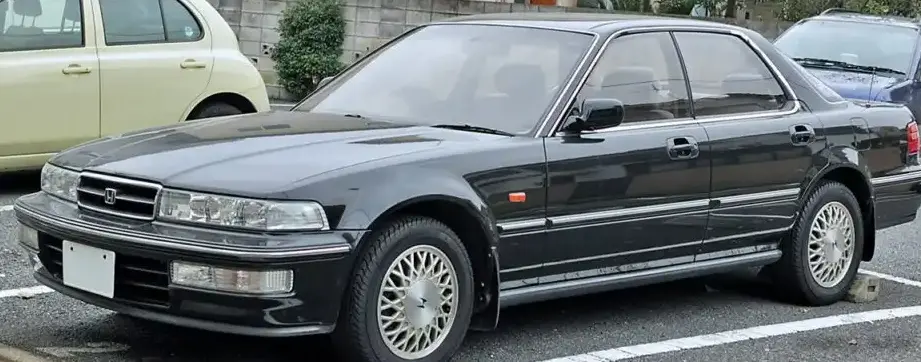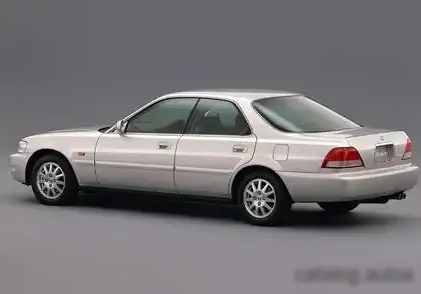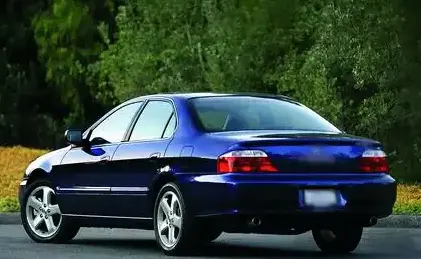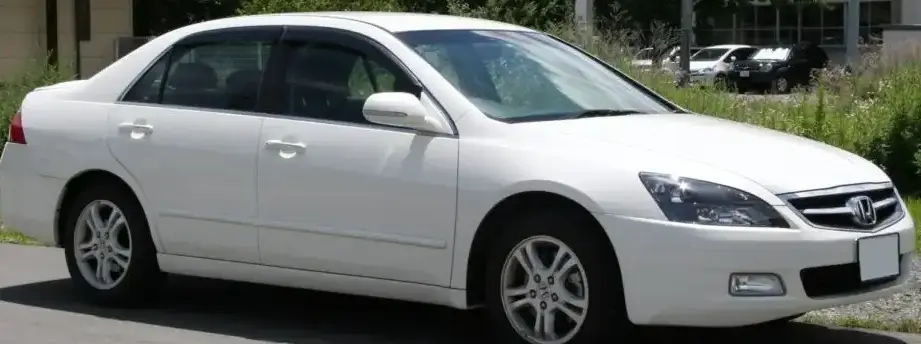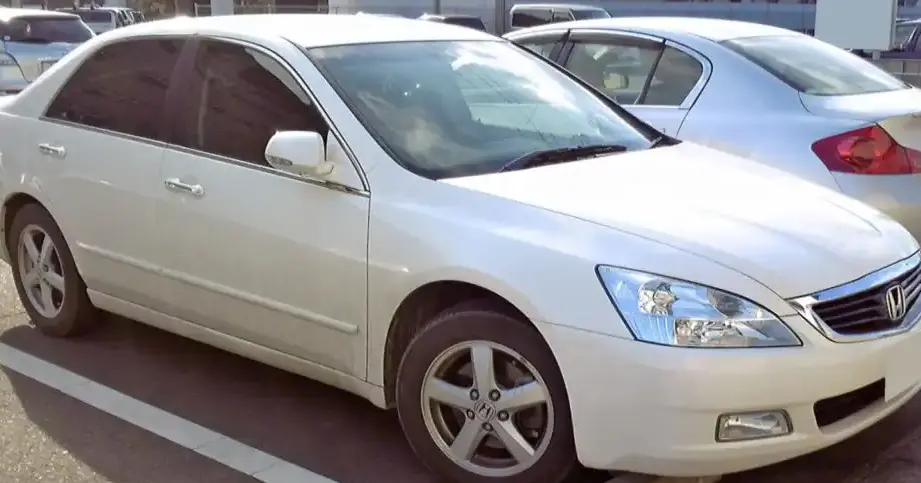
The Honda Inspire IV (UC1), specifically the 3.0 V6 24V (250 Hp) S-matic variant, was a flagship sedan produced by Honda between June 2003 and October 2005. Positioned as a more upscale and technologically advanced offering compared to the Honda Accord, the Inspire catered to the Japanese domestic market (JDM) with a focus on comfort, refinement, and performance. The UC1 generation represented the fourth iteration of the Inspire, built on the extended Honda Accord platform, and distinguished itself through its distinctive styling and more powerful engine options. This particular 3.0L V6 S-matic model represented the top-tier performance offering within the Inspire IV lineup.
Technical Specifications
| Brand | Honda |
| Model | Inspire |
| Generation | Inspire IV (UC1) |
| Type (Engine) | 3.0 V6 24V (250 Hp) S-matic |
| Start of production | June, 2003 |
| End of production | October, 2005 |
| Powertrain Architecture | Internal Combustion engine |
| Body type | Sedan |
| Seats | 5 |
| Doors | 4 |
| Fuel consumption (combined) | 8.6 l/100 km (27.4 US mpg, 32.8 UK mpg, 11.6 km/l) |
| Fuel Type | Petrol (Gasoline) |
| Weight-to-power ratio | 6.1 kg/Hp, 163.4 Hp/tonne |
| Weight-to-torque ratio | 5.2 kg/Nm, 193.5 Nm/tonne |
| Power | 250 Hp @ 6000 rpm |
| Power per litre | 83.4 Hp/l |
| Torque | 296 Nm @ 5000 rpm (218.32 lb.-ft. @ 5000 rpm) |
| Engine layout | Front, Longitudinal |
| Engine Model/Code | J30A |
| Engine displacement | 2997 cm3 (182.89 cu. in.) |
| Number of cylinders | 6 |
| Engine configuration | V-engine |
| Cylinder Bore | 86 mm (3.39 in.) |
| Piston Stroke | 86 mm (3.39 in.) |
| Compression ratio | 10.5:1 |
| Number of valves per cylinder | 4 |
| Fuel injection system | Multi-port manifold injection |
| Engine aspiration | Naturally aspirated engine |
| Valvetrain | SOHC |
| Engine oil capacity | 4.3 l (4.54 US qt | 3.78 UK qt) |
| Coolant | 6.7 l (7.08 US qt | 5.9 UK qt) |
| Kerb Weight | 1530-1580 kg (3373.07 – 3483.3 lbs.) |
| Length | 4805 mm (189.17 in.) |
| Width | 1820 mm (71.65 in.) |
| Height | 1455 mm (57.28 in.) |
| Wheelbase | 2740 mm (107.87 in.) |
| Front track | 1555 mm (61.22 in.) |
| Rear track | 1555 mm (61.22 in.) |
| Ride height (ground clearance) | 155 mm (6.1 in.) |
| Minimum turning circle | 11 m (36.09 ft.) |
| Drivetrain Architecture | Front wheel drive |
| Number of gears and type of gearbox | 5 gears, automatic transmission S-matic |
| Front suspension | Double wishbone |
| Rear suspension | Independent multi-link suspension |
| Front brakes | Ventilated discs |
| Rear brakes | Disc |
| Assisting systems | ABS (Anti-lock braking system) |
| Steering type | Steering rack and pinion |
| Power steering | Hydraulic Steering |
| Tires size | 205/60 R16 |
| Wheel rims size | 6.5J x 16 |
Powertrain & Engine Architecture
The heart of the Inspire IV 3.0 V6 S-matic is the Honda J30A engine, a 2997cc naturally aspirated V6. This engine utilizes a single overhead camshaft (SOHC) valvetrain and multi-point fuel injection. The J30A was known for its smooth power delivery and relatively high output for its displacement. The engine produces 250 horsepower at 6000 rpm and 296 Nm (218.32 lb-ft) of torque at 5000 rpm. The ‘S-matic’ transmission is a 5-speed automatic with a manual shift mode, offering drivers some control over gear selection. This transmission was designed to provide smooth and responsive shifts, complementing the engine’s characteristics. The engine is longitudinally mounted, driving the front wheels.
Driving Characteristics
The 3.0 V6 S-matic Inspire offered a noticeably more spirited driving experience compared to the lower-trim models equipped with the 2.5-liter engine. The increased power and torque allowed for confident acceleration and effortless highway cruising. While not a sports sedan, the Inspire provided a comfortable and refined ride, with the S-matic transmission offering smooth gear changes. The automatic transmission, while convenient, did result in a slight performance deficit compared to the available manual transmission options in other Inspire trims. The gear ratios were tuned for a balance of fuel efficiency and responsiveness, prioritizing comfortable daily driving over outright performance.
Equipment & Trim Levels
The 3.0 V6 S-matic Inspire typically came well-equipped with features such as leather upholstery, woodgrain interior trim, automatic climate control, a premium sound system, and power-adjustable front seats. Standard safety features included ABS, airbags, and traction control. Optional extras could include a navigation system, sunroof, and upgraded audio components. The overall interior design focused on creating a luxurious and comfortable environment for both the driver and passengers.
Chassis & Braking
The Inspire IV utilized a double wishbone suspension setup at the front and an independent multi-link suspension at the rear, providing a comfortable and controlled ride. The braking system consisted of ventilated discs at the front and solid discs at the rear, providing adequate stopping power for the vehicle’s weight and performance. The steering was a rack-and-pinion system with hydraulic power assistance, offering precise and responsive steering feel. The suspension was tuned for comfort, prioritizing a smooth ride over aggressive handling.
Market Reception & Comparison
The Honda Inspire IV 3.0 V6 S-matic was generally well-received by Japanese automotive critics. It was praised for its refined interior, comfortable ride, and powerful engine. However, some critics noted that the automatic transmission could feel slightly less engaging than the manual options. Compared to the 2.5-liter Inspire models, the 3.0 V6 offered a significant performance upgrade, but at a higher price point. Fuel economy was reasonable for a V6 engine of this size, averaging around 8.6 l/100 km (27.4 US mpg). The Inspire competed with other Japanese luxury sedans such as the Toyota Crown and Nissan Cefiro.
Legacy
The Honda Inspire IV 3.0 V6 S-matic, while not widely exported outside of Japan, remains a desirable vehicle among enthusiasts. The J30A engine is known for its reliability and durability, provided it is properly maintained. The S-matic transmission, while complex, has also proven to be relatively reliable. In the used car market, these Inspires command a premium due to their performance and rarity. Finding parts can sometimes be challenging outside of Japan, but a dedicated community of owners and enthusiasts helps to keep these vehicles on the road. The Inspire IV 3.0 V6 S-matic represents a high point in Honda’s sedan offerings, showcasing the company’s commitment to innovation, refinement, and performance.