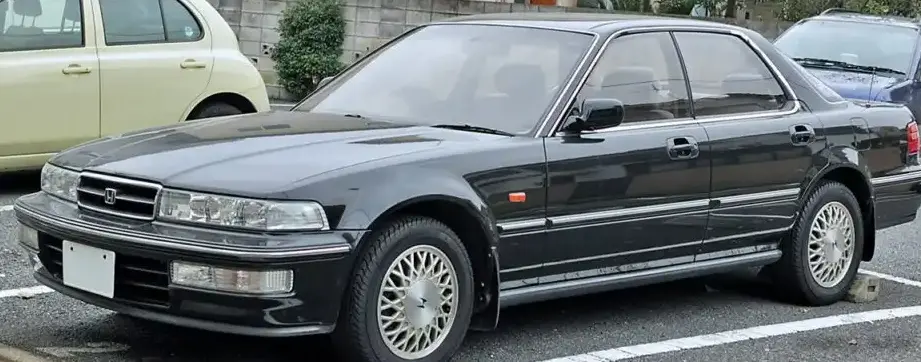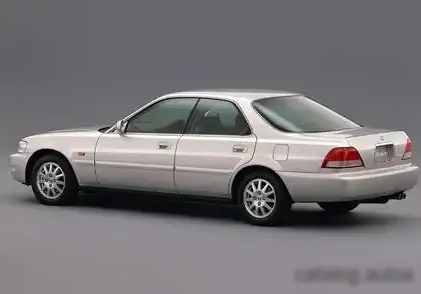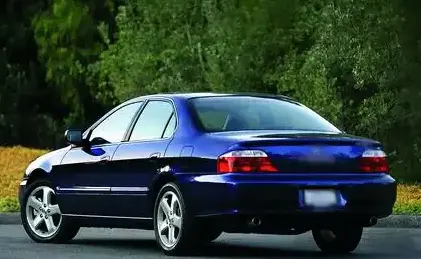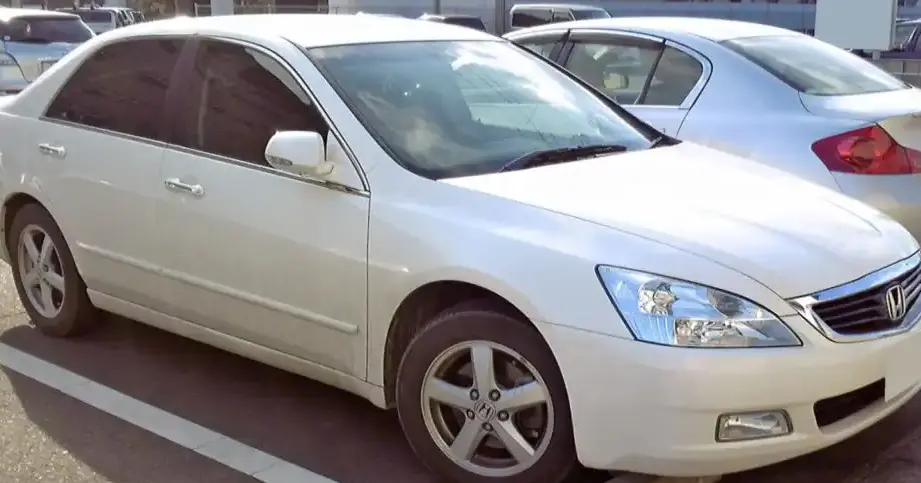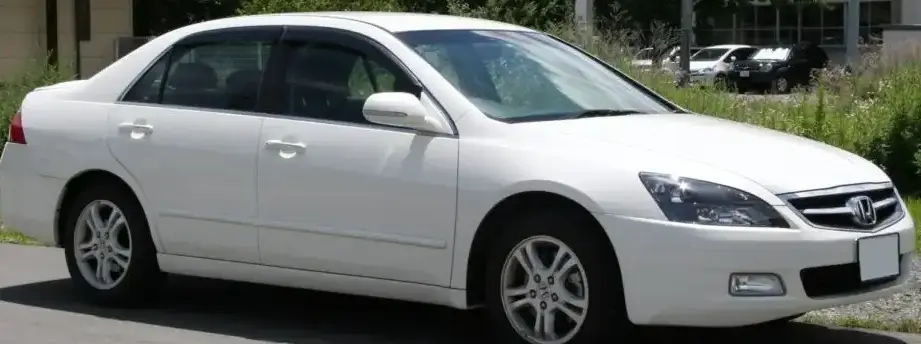
The Honda Inspire IV (UC1), specifically the facelifted version produced from November 2005 to November 2007, represented a significant evolution in Honda’s executive sedan offerings. This generation, built on the Honda Inspire platform, was primarily aimed at the Japanese domestic market (JDM) and positioned as a more luxurious and refined alternative to the Honda Accord. The 3.0 V6 S-matic variant, boasting 250 horsepower, occupied the top echelon of the Inspire IV lineup, offering a blend of performance and comfort geared towards discerning buyers. It was a direct competitor to other Japanese luxury sedans like the Toyota Crown and Nissan Cima.
Technical Specifications
| Brand | Honda |
| Model | Inspire |
| Generation | Inspire IV (UC1, facelift 2005) |
| Type (Engine) | 3.0 V6 (250 Hp) S-matic |
| Start of production | November, 2005 |
| End of production | November, 2007 |
| Powertrain Architecture | Internal Combustion engine |
| Body type | Sedan |
| Seats | 5 |
| Doors | 4 |
| Fuel consumption (combined) | 8.7 l/100 km (27 US mpg, 32.5 UK mpg, 11.5 km/l) |
| Fuel Type | Petrol (Gasoline) |
| Weight-to-power ratio | 6.2 kg/Hp, 162.3 Hp/tonne |
| Weight-to-torque ratio | 5.2 kg/Nm, 192.2 Nm/tonne |
| Power | 250 Hp @ 6000 rpm |
| Power per litre | 83.4 Hp/l |
| Torque | 296 Nm @ 5000 rpm (218.32 lb.-ft. @ 5000 rpm) |
| Engine layout | Front, Longitudinal |
| Engine Model/Code | J30A |
| Engine displacement | 2997 cm3 (182.89 cu. in.) |
| Number of cylinders | 6 |
| Engine configuration | V-engine |
| Cylinder Bore | 86 mm (3.39 in.) |
| Piston Stroke | 86 mm (3.39 in.) |
| Compression ratio | 10.5:1 |
| Number of valves per cylinder | 4 |
| Fuel injection system | Multi-port manifold injection |
| Engine aspiration | Naturally aspirated engine |
| Valvetrain | SOHC |
| Engine oil capacity | 4.3 l (4.54 US qt | 3.78 UK qt) |
| Coolant | 6.7 l (7.08 US qt | 5.9 UK qt) |
| Kerb Weight | 1540-1600 kg (3395.12 – 3527.4 lbs.) |
| Length | 4855 mm (191.14 in.) |
| Width | 1820 mm (71.65 in.) |
| Height | 1455 mm (57.28 in.) |
| Wheelbase | 2740 mm (107.87 in.) |
| Front track | 1555 mm (61.22 in.) |
| Rear track | 1555 mm (61.22 in.) |
| Ride height (ground clearance) | 155 mm (6.1 in.) |
| Minimum turning circle | 11 m (36.09 ft.) |
| Drivetrain Architecture | Front wheel drive |
| Drive wheel | Front wheel drive |
| Number of gears and type of gearbox | 5 gears, automatic transmission S-matic |
| Front suspension | Double wishbone |
| Rear suspension | Independent multi-link suspension |
| Front brakes | Ventilated discs |
| Rear brakes | Disc |
| Assisting systems | ABS (Anti-lock braking system) |
| Steering type | Steering rack and pinion |
| Power steering | Hydraulic Steering |
| Tires size | 205/60 R16 |
| Wheel rims size | 6.5J x 16 |
Powertrain & Engine Architecture
The heart of the 2005-2007 Honda Inspire 3.0 V6 S-matic is the J30A engine, a 2.997-liter naturally aspirated V6. This engine utilizes a single overhead camshaft (SOHC) valvetrain and multi-point fuel injection. The J30A was known for its smooth power delivery and relatively high output for a naturally aspirated engine of its displacement. The engine’s design prioritized refinement and reliability over outright performance, aligning with the Inspire’s positioning as a luxury vehicle. The “S-matic” transmission is a 5-speed automatic, offering both fully automatic operation and the ability for the driver to manually select gears. This transmission was designed to provide smooth and responsive shifts, enhancing the driving experience.
Driving Characteristics
The 250 hp and 218 lb-ft of torque provided by the J30A engine, coupled with the 5-speed S-matic transmission, resulted in a comfortable and capable driving experience. While not a sports sedan, the Inspire 3.0 V6 offered brisk acceleration and ample power for highway cruising and overtaking. The S-matic transmission’s gear ratios were tuned for smooth transitions and efficient operation, prioritizing comfort over aggressive shifting. Compared to the base 2.5-liter engine options, the 3.0 V6 provided a noticeable increase in performance, making it the preferred choice for drivers seeking a more engaging driving experience. The front-wheel-drive configuration contributed to predictable handling, although it lacked the dynamic capabilities of rear-wheel-drive competitors.
Equipment & Trim Levels
The 3.0 V6 S-matic Inspire typically came well-equipped, reflecting its status as the range-topping model. Standard features included leather upholstery, woodgrain interior trim, automatic climate control, a premium sound system, and power-adjustable front seats. Optional extras often included a navigation system, sunroof, and upgraded audio components. The interior design emphasized luxury and comfort, with a focus on high-quality materials and a spacious cabin. The exterior styling was understated and elegant, with chrome accents and distinctive alloy wheels.
Chassis & Braking
The Inspire IV utilized a double wishbone suspension setup at the front and an independent multi-link suspension at the rear, providing a comfortable and controlled ride. Ventilated disc brakes were fitted to the front wheels, while the rear wheels featured solid disc brakes. Anti-lock braking system (ABS) was standard, enhancing safety and stability during braking maneuvers. The suspension tuning prioritized ride comfort over sporty handling, making it well-suited for long-distance driving. The steering system employed a hydraulic power steering rack and pinion, providing precise and responsive steering feel.
Market Reception & Comparison
The Honda Inspire IV 3.0 V6 S-matic was generally well-received by Japanese automotive critics. It was praised for its refined engine, comfortable ride, and luxurious interior. However, some critics noted that its styling was somewhat conservative compared to its European and American competitors. Fuel economy was considered reasonable for a V6 engine of this size, averaging around 27 US mpg in combined driving. Compared to other trims in the Inspire lineup, the 3.0 V6 offered a significant performance advantage, but at a higher price point. It competed directly with other Japanese luxury sedans, such as the Toyota Crown and Nissan Cima, offering a compelling alternative with its Honda reliability and refined driving experience.
Legacy
The Honda Inspire IV 3.0 V6 S-matic has proven to be a reliable and durable vehicle, with many examples still on the road today. The J30A engine is known for its longevity and relatively low maintenance requirements. While parts availability may be a concern for owners outside of Japan, the engine’s robust design and Honda’s reputation for quality contribute to its long-term reliability. In the used car market, the Inspire 3.0 V6 S-matic is often sought after by enthusiasts who appreciate its blend of luxury, performance, and reliability. It represents a unique and often overlooked chapter in Honda’s history, offering a glimpse into the company’s executive sedan aspirations.